Are you looking for a way to keep your little one entertained while helping them take their first steps? Baby walkers with toys might be just what you need.
These clever tools combine fun and learning, making walking practice exciting for your child. Imagine your baby giggling as they explore sounds, colors, and shapes—all while building strength and balance. Keep reading to discover how the right baby walker with toys can make your parenting journey a little easier and a lot more joyful.
Benefits Of Baby Walkers With Toys
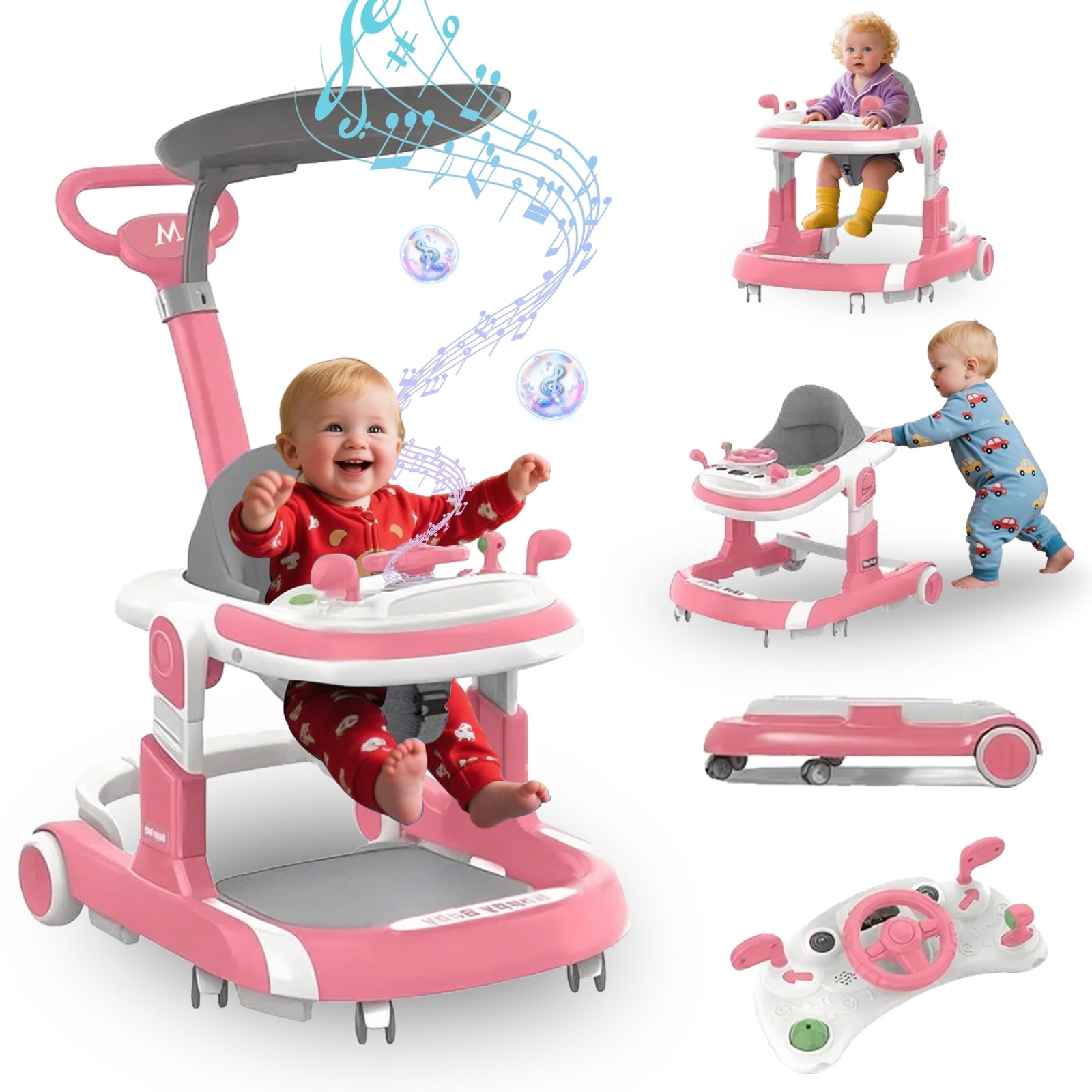
Baby walkers with toys help little ones learn and play. They make moving fun and safe. These walkers come with colorful toys that keep babies busy.
Using these walkers can support a baby’s growth in many ways. They offer a mix of play and practice for new skills.
Enhancing Motor Skills
Baby walkers with toys encourage babies to move their hands and feet. This helps build strong muscles and better coordination.
- Grasping toys improves hand strength
- Pushing the walker helps leg muscles
- Reaching for objects boosts arm control
- Turning and twisting supports body balance
Stimulating Sensory Development
Toys on the walker provide sights, sounds, and textures. These features help babies learn about their world through senses.
| Sense | Example from Walker Toys |
| Sight | Bright colors and lights |
| Sound | Rattles and musical buttons |
| Touch | Soft and rough surfaces |
Encouraging Independent Movement
Walkers let babies explore on their own. The toys keep them interested and help them practice walking safely.
Benefits of independent movement with baby walkers:
- Builds confidence in walking
- Promotes problem-solving skills
- Supports muscle development
- Encourages curiosity and exploration
Credit: www.walmart.com
Choosing Safe Baby Walkers
Baby walkers with toys can entertain and help babies learn to walk. Safety is the top priority when choosing one. Parents need to check the walker’s features carefully.
This guide covers important points about material, stability, and proper age and weight for baby walkers.
Material And Build Quality
Choose baby walkers made from sturdy, non-toxic materials. Strong plastic and metal frames last longer and protect babies. Avoid walkers with sharp edges or loose parts.
- Look for BPA-free plastic to avoid harmful chemicals.
- Check that the paint is lead-free and safe for children.
- Ensure all parts are securely attached to prevent choking hazards.
- Prefer smooth finishes to avoid scratches and cuts.
Stability Features
Good walkers stay steady and do not tip easily. Stability helps prevent falls and injuries. Look for wide bases and strong brakes.
| Feature | Importance |
|---|---|
| Wide Base | Prevents tipping over |
| Non-slip Pads | Keeps walker from sliding on smooth floors |
| Wheel Locks or Brakes | Stops walker when needed |
| Adjustable Height | Helps fit baby’s size for better balance |
Age And Weight Recommendations
Use walkers only for babies who meet the age and weight guidelines. This helps keep babies safe and comfortable.
Common recommendations include:
- Age: Usually 6 to 15 months
- Weight: Check the walker’s maximum weight limit
- Baby must be able to sit up without help
Popular Toy Features In Walkers
Baby walkers often include toys to keep little ones busy and happy. These toys also help children develop skills.
Popular features focus on sounds, colors, and learning. Each feature makes the walker more fun and useful.
Interactive Buttons And Sounds
Many walkers have buttons that play music or animal sounds. Babies enjoy pressing these buttons.
- Buttons that play songs
- Sounds of animals or vehicles
- Lights that flash with sounds
- Volume controls for parents
Colorful Visual Elements
Bright colors and fun shapes attract babies’ attention. These visuals help stimulate vision and creativity.
| Color | Purpose |
|---|---|
| Red | Grabs attention quickly |
| Blue | Calms and soothes |
| Yellow | Encourages happiness |
| Green | Promotes relaxation |
Educational Toys Included
Walkers often have toys that teach shapes, numbers, and letters. These toys support early learning.
- Shape sorters to match objects
- Alphabet blocks with letters
- Number puzzles to count
- Simple cause-and-effect games

Credit: www.walmart.com
Safety Tips For Using Baby Walkers
Baby walkers with toys can entertain little ones while they learn to move. Safety is important when using them to prevent accidents.
Parents and caregivers should follow simple guidelines to keep babies safe. These tips help create a secure environment for play.
Supervision Guidelines
Always watch your baby closely when using a walker. Do not leave the child alone. Walkers can move quickly and cause falls or injuries.
- Stay within arm’s reach of the baby at all times
- Keep distractions like phones or TV to a minimum
- Stop using the walker if the baby becomes fussy or tired
- Never allow more than one child in a walker at once
Safe Environment Setup
Set up the area where the walker is used carefully. Remove objects that might cause trips or falls. Check that floors are even and clean.
| Safety Check | What to Do |
| Floors | Keep dry and free of clutter |
| Stairs | Use safety gates to block access |
| Sharp Edges | Cover or move away from the walker area |
| Electrical Outlets | Use outlet covers or blockers |
Avoiding Common Hazards
Be aware of dangers that can cause injury. Avoid using walkers on uneven surfaces or near stairs. Check toys attached to the walker for safety.
- Do not use walkers near pools or water
- Ensure toys on the walker do not have small parts
- Remove the walker from use if any part is broken
- Limit walker time to short periods to avoid fatigue
Alternatives To Traditional Baby Walkers
Traditional baby walkers can pose safety risks and limit natural movement. Parents often look for safer, more engaging options for their babies. Alternatives help promote development without the dangers of old-style walkers.
These alternatives include stationary activity centers, push walkers, and floor play mats. Each offers unique benefits to support a baby’s growth and playtime.
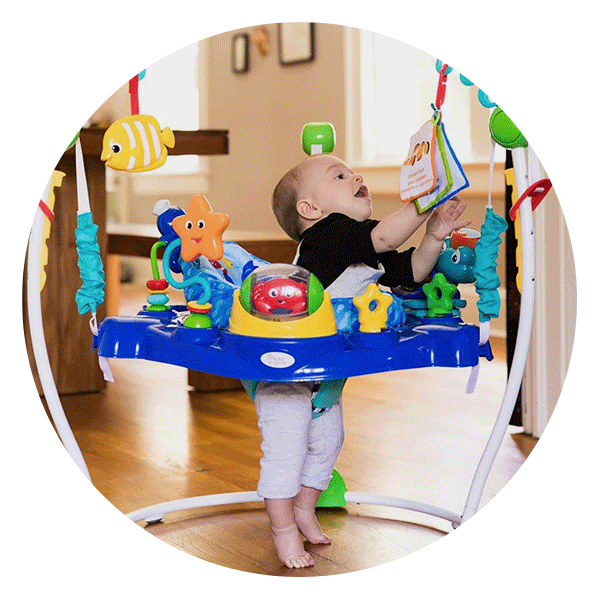
Stationary Activity Centers
Stationary activity centers keep babies in one place while offering toys and activities to explore. They help improve hand-eye coordination and fine motor skills. These centers usually have seats that rotate or bounce gently.
- Safe and stable for babies to sit and play
- Includes colorful toys and sounds for stimulation
- Allows movement without risk of falling down stairs
- Encourages reaching, grasping, and turning
Push Walkers
Push walkers let babies stand and move using a handle. They help strengthen leg muscles and improve balance. These walkers move only when pushed by the baby, giving better control.
| Feature | Benefits |
| Handlebar height | Supports standing posture |
| Wide base | Prevents tipping over |
| Interactive toys | Encourages play and learning |
| Non-slip wheels | Controls movement speed |
Floor Play Mats
Floor play mats provide a soft surface for babies to explore safely. They often include built-in toys and textures that invite crawling and tummy time. Mats support sensory development and muscle strength.
Benefits of Floor Play Mats:
- Protect babies from hard floors
- Encourage crawling and reaching
- Stimulate senses with bright colors and varied textures
- Portable and easy to clean
Credit: www.thebump.com
Cleaning And Maintenance
Keeping baby walkers with toys clean is important for your child's health. Regular maintenance ensures safe use and extends the life of the walker.
Learn how to clean, check for wear, and store your baby walker properly. This guide will help you maintain a safe and hygienic environment for your baby.
Cleaning Toys And Surfaces
It's essential to keep the toys and surfaces of the walker clean. Germs can easily spread on surfaces that babies touch and chew.
- Use a damp cloth with mild soap for cleaning.
- Rinse toys with water to remove soap residue.
- Let everything dry completely before use.
Checking For Wear And Tear
Regular checks for wear and tear keep the walker safe for your child. Parts can loosen and become a hazard over time.
| Component | Action |
| Wheels | Ensure they rotate smoothly |
| Toys | Check for loose parts |
| Seat | Look for tears or weak spots |
Storage Recommendations
Proper storage prevents damage and keeps the walker ready for future use. Follow these simple steps to store your baby walker correctly.
Frequently Asked Questions
What Are The Benefits Of Baby Walkers With Toys?
Baby walkers with toys stimulate a baby’s sensory and motor skills. They promote walking practice and keep infants entertained. Toys encourage curiosity and hand-eye coordination, making the walker both fun and developmental.
Are Baby Walkers With Toys Safe For Infants?
When used properly, baby walkers with toys are generally safe. Always supervise your baby and choose models with safety features. Avoid using walkers on stairs or uneven surfaces to prevent accidents.
How Do Toy Attachments Enhance Baby Walkers?
Toy attachments add interactive elements to baby walkers. They engage babies with sounds, lights, and textures. This encourages exploration and helps develop fine motor skills while making walking practice enjoyable.
What Age Is Suitable For Baby Walkers With Toys?
Baby walkers with toys are typically suitable for babies aged 6 to 15 months. Always check the manufacturer’s age recommendations. Ensure your baby has good head and neck control before use.
Conclusion
Baby walkers with toys offer fun and help babies learn to walk. They keep little ones busy and happy. Toys on walkers encourage hand-eye coordination and curiosity. Choose a safe walker that fits your baby’s needs. Always watch your child while using a walker.
These tools can support early walking skills and playtime. Enjoy watching your baby explore and grow with these walkers. Simple, safe, and fun—perfect for your baby’s first steps.