Have you ever wondered if those cuddly stuffed animals in your home could be hiding a secret? Bed bugs are tiny pests that can cause big problems, and you might be surprised to learn they can live almost anywhere — even in your child's favorite toy.
If you want to protect your family and keep your home safe, it’s important to understand how bed bugs behave and whether your stuffed animals could be at risk. Keep reading to discover the truth and find out what you can do to keep these unwelcome guests away from your soft toys.
Bed Bug Habits
Bed bugs have specific habits that help them survive and spread. Understanding these habits is key to knowing if they can live in stuffed animals. These tiny pests are experts at hiding and feeding without being noticed.
They prefer places close to their food source. Bed bugs feed on human blood, mostly at night. Their behavior makes some objects more likely to host them than others.
Where Bed Bugs Hide
Bed bugs hide in cracks and crevices near humans. Common spots include mattress seams, bed frames, and furniture joints. They can also hide inside stuffed animals, especially near seams and stuffing.
Stuffed animals kept close to beds or resting areas are at risk. Bed bugs avoid light and prefer tight, dark spaces. This makes stuffed toys a good hiding spot if left on beds or couches.
Feeding Patterns
Bed bugs feed mostly at night when people sleep. They come out to bite exposed skin for a quick meal. After feeding, they retreat to their hiding spots to digest.
They can survive for months without feeding. This means they can stay hidden inside a stuffed animal for a long time. Feeding happens every few days but can vary with conditions.
Stuffed Animals As Hosts
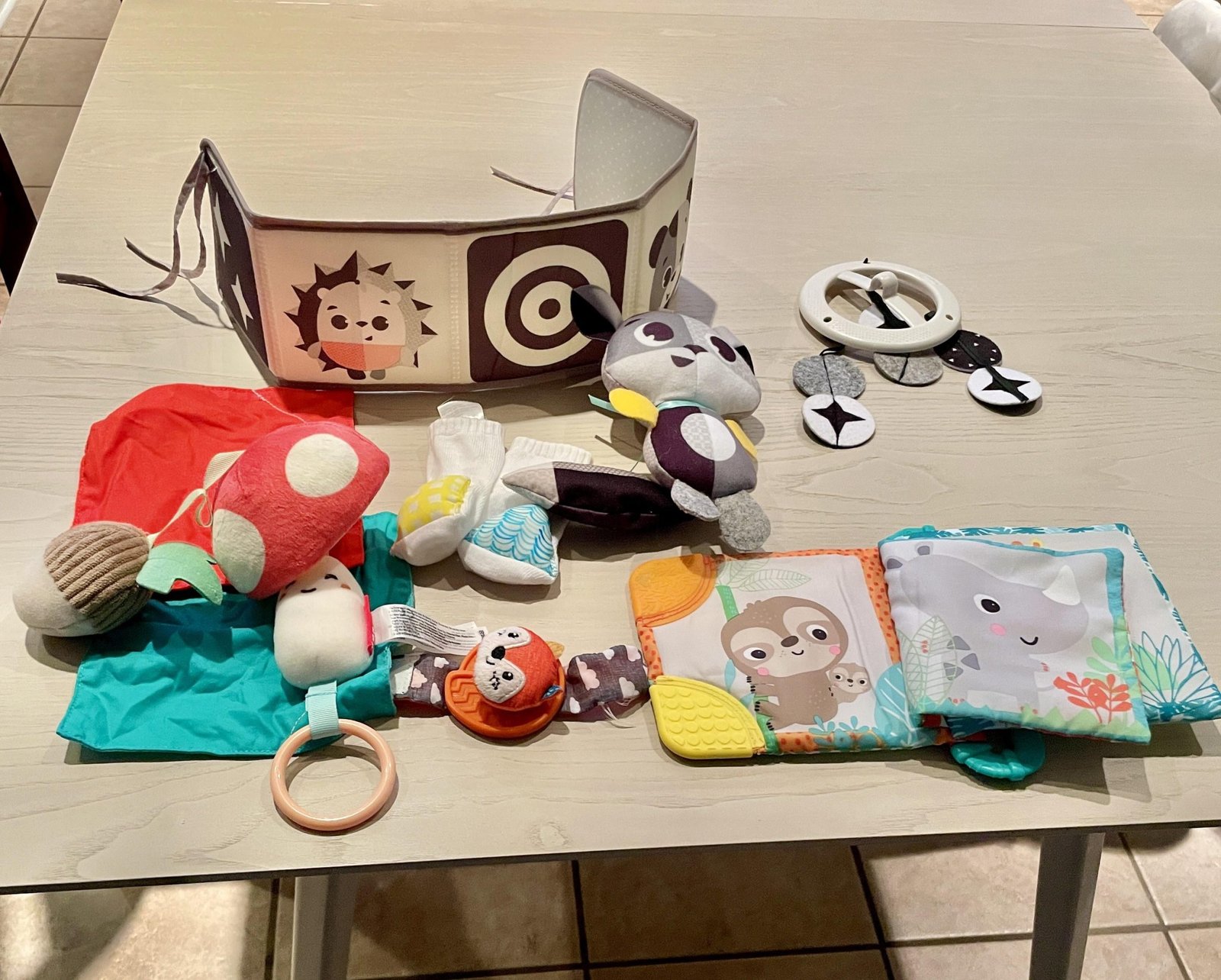
Stuffed animals are common in many homes, especially where children live. They offer comfort and fun. These toys can also hide pests like bed bugs. Understanding how bed bugs interact with stuffed animals helps protect your family.
Bed bugs seek places to hide near their food source. Stuffed animals can provide dark, warm spots. These toys may become temporary shelters for these pests.
Material And Structure
Stuffed animals are made from various fabrics like cotton, polyester, or plush. Some have tight stitching, while others are loose. The softness and thickness vary a lot. Bed bugs can hide better in thick, soft materials.
The seams and folds in stuffed animals create small hiding spots. These areas protect bugs from light and air. Materials that absorb heat keep bed bugs warm. This warmth helps them survive longer.
Suitability For Bed Bugs
Bed bugs prefer places near human skin for easy feeding. Stuffed animals often stay close to beds or couches. This makes them easy targets for bed bugs. The bugs can crawl inside the toy and stay hidden for days.
Stuffed animals are not the best hosts but can still support bed bugs briefly. Bugs use these toys mainly to hide, not to live permanently. Regular cleaning and inspection reduce the risk of infestations.
Signs Of Infestation
Bed bugs can hide in many places, including stuffed animals. Knowing the signs of infestation helps protect your home. Early detection is key to stop these pests from spreading. Watch for clues on toys and your skin.
Visual Clues On Stuffed Toys
Check stuffed animals closely for small dark spots. These spots are bed bug droppings. Look for tiny blood stains from crushed bugs. Inspect seams and folds where bugs like to hide. You may also see live bed bugs. They are small, brown, and flat. Shed skins or eggs may be present too.
Bites And Allergic Reactions
Bites from bed bugs cause red, itchy bumps on skin. They often appear in lines or clusters. Some people have mild reactions with slight itching. Others may develop larger, swollen areas. Scratching bites can lead to infection. Allergic reactions can include rash or blisters. Pay attention to bites after sleep or playtime with toys.

Risk Factors
Stuffed animals can hide bed bugs, making them a risk factor. These small pests love warm, dark places close to humans. Stuffed toys provide many tiny hiding spots. Understanding how bed bugs spread and common infested items helps reduce risk.
How Bed Bugs Spread
Bed bugs move by crawling from one place to another. They do not fly or jump. They cling to clothes, bags, and furniture. Visitors or second-hand items often bring them home. Traveling increases the chance of bed bugs hitching a ride.
Common Infested Items
Bed bugs hide in mattresses, bed frames, and bedding. They also live in furniture and cracks in walls. Clothes, shoes, and bags can carry bed bugs. Stuffed animals are a common hiding spot. These soft toys have seams and stuffing where bugs hide.
Cleaning And Prevention
Bed bugs can hide in stuffed animals and other soft toys. Cleaning and prevention help keep these pests away. Regular care lowers the chance of an infestation. It protects your home and your family’s health.
Washing And Drying Methods
Wash stuffed animals in hot water. Use a temperature of at least 120°F (49°C). Heat kills bed bugs and their eggs. Use a strong detergent for better cleaning. After washing, dry toys on high heat for 30 minutes or more. Heat from the dryer finishes the job. Cold water and air drying do not kill bed bugs.
Safe Storage Tips
Store stuffed animals in sealed plastic bags or containers. This stops bed bugs from getting inside. Keep toys in a clean, dry place. Avoid storing near beds or furniture. Check toys regularly for signs of bugs. Clean toys before storing for a long time. Vacuuming nearby areas also helps reduce pests.

Professional Treatment Options
Professional treatment options are often the best choice for bed bug infestations. These pests hide well and can be very hard to remove completely. Stuffed animals are soft and full of small spaces, making bugs hard to find and kill. Experts use special tools and chemicals that work better than home methods. This increases the chance of getting rid of bed bugs quickly and safely.
When To Call Experts
Call experts if you see many bed bugs on your stuffed animals. Small bites on your skin can also be a sign. If bugs return after cleaning, professional help is needed. Experts find hidden bugs that you might miss. They prevent the infestation from spreading to other parts of your home.
Available Pest Control Methods
Experts use heat treatments to kill bed bugs in stuffed toys. Heat reaches inside the toy and kills bugs at all stages. Chemicals are another method. These sprays and powders kill bugs and their eggs. Some treatments combine both heat and chemicals. Professionals know how to use these safely around children and pets.

Frequently Asked Questions
Can Bed Bugs Live Inside Stuffed Animals?
Yes, bed bugs can live inside stuffed animals. They seek warm, dark places close to humans. Stuffed animals provide hiding spots and proximity to blood meals, making them an ideal habitat for bed bugs.
How Do Bed Bugs Infest Stuffed Animals?
Bed bugs infest stuffed animals by crawling from nearby infested areas. They hitchhike on luggage, clothing, or bedding, then hide in plush toys. Once inside, they feed on human blood and reproduce, increasing the infestation.
Can Washing Stuffed Animals Kill Bed Bugs?
Washing stuffed animals in hot water above 120°F kills bed bugs effectively. Heat destroys all life stages, including eggs. Drying on high heat afterward ensures complete eradication, preventing re-infestation.
Are There Safe Ways To Disinfect Stuffed Animals?
Yes, freezing stuffed animals below 0°F for at least four days kills bed bugs safely. Steam cleaning with high-temperature steam also eliminates them. Avoid harsh chemicals that may damage the toy or harm children.
Conclusion
Bed bugs can hide in stuffed animals and stay there for some time. They like soft, warm places close to people. Regularly checking and cleaning toys helps keep bugs away. Washing stuffed animals in hot water kills bed bugs. Drying them on high heat also works well.
Keeping bedrooms clean reduces the chance of bed bugs. Small actions can stop big problems. Stay careful and protect your home from these pests.