Have you ever wondered if spending time on puzzles could actually make your brain sharper? You might think puzzles are just a fun way to pass the time, but they could be doing much more for your mind.
Imagine boosting your memory, improving your focus, and even reducing stress—all while enjoying a simple game. You’ll discover how puzzles can transform your brain and why adding them to your routine might be one of the smartest moves you make.
Ready to unlock your brain’s potential? Keep reading to find out how.
How Puzzles Impact Brain Health
Puzzles challenge the brain in unique ways. They stimulate different areas that control memory, thinking, and problem-solving. Engaging with puzzles regularly can support brain health by keeping it active and sharp. This mental exercise helps maintain cognitive functions and may slow down mental decline.
Memory Enhancement
Working on puzzles requires remembering shapes, patterns, and strategies. This practice strengthens short-term and long-term memory. Recalling details during puzzles helps improve focus and attention. Over time, memory skills become sharper and more reliable.
Cognitive Flexibility
Puzzles demand shifting between different ideas and solutions. This mental flexibility trains the brain to adapt quickly. It improves the ability to handle new information and changes. Better cognitive flexibility supports learning and decision-making in daily life.
Problem-solving Skills
Solving puzzles involves analyzing problems and finding answers. This process enhances logical thinking and reasoning. It encourages creativity by exploring multiple solutions. Strong problem-solving skills help tackle challenges effectively and confidently.

Credit: www.healthline.com
Types Of Puzzles That Boost Brain Power
Puzzles offer many ways to challenge the brain. Different types of puzzles target different skills. Some puzzles improve memory. Others boost problem-solving or focus. The right puzzle can make brain training fun and effective.
Choosing the best puzzle depends on your interests and goals. Here are some popular puzzles that help your brain stay sharp and active.
Crossword Puzzles
Crossword puzzles improve vocabulary and language skills. They make you recall words and meanings quickly. Filling in the blanks requires memory and attention. This puzzle type strengthens word recognition and spelling. Regular practice can expand your knowledge base.
Sudoku And Number Games
Sudoku uses logic and numbers to boost brain power. It requires pattern recognition and critical thinking. Number games enhance concentration and problem-solving skills. Playing these puzzles regularly sharpens mental math and reasoning. They are simple but very effective for the brain.
Jigsaw Puzzles
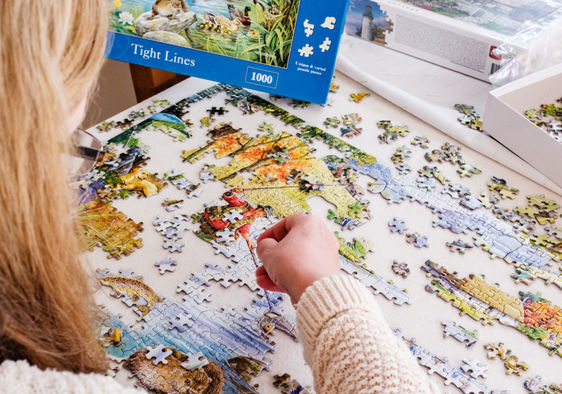
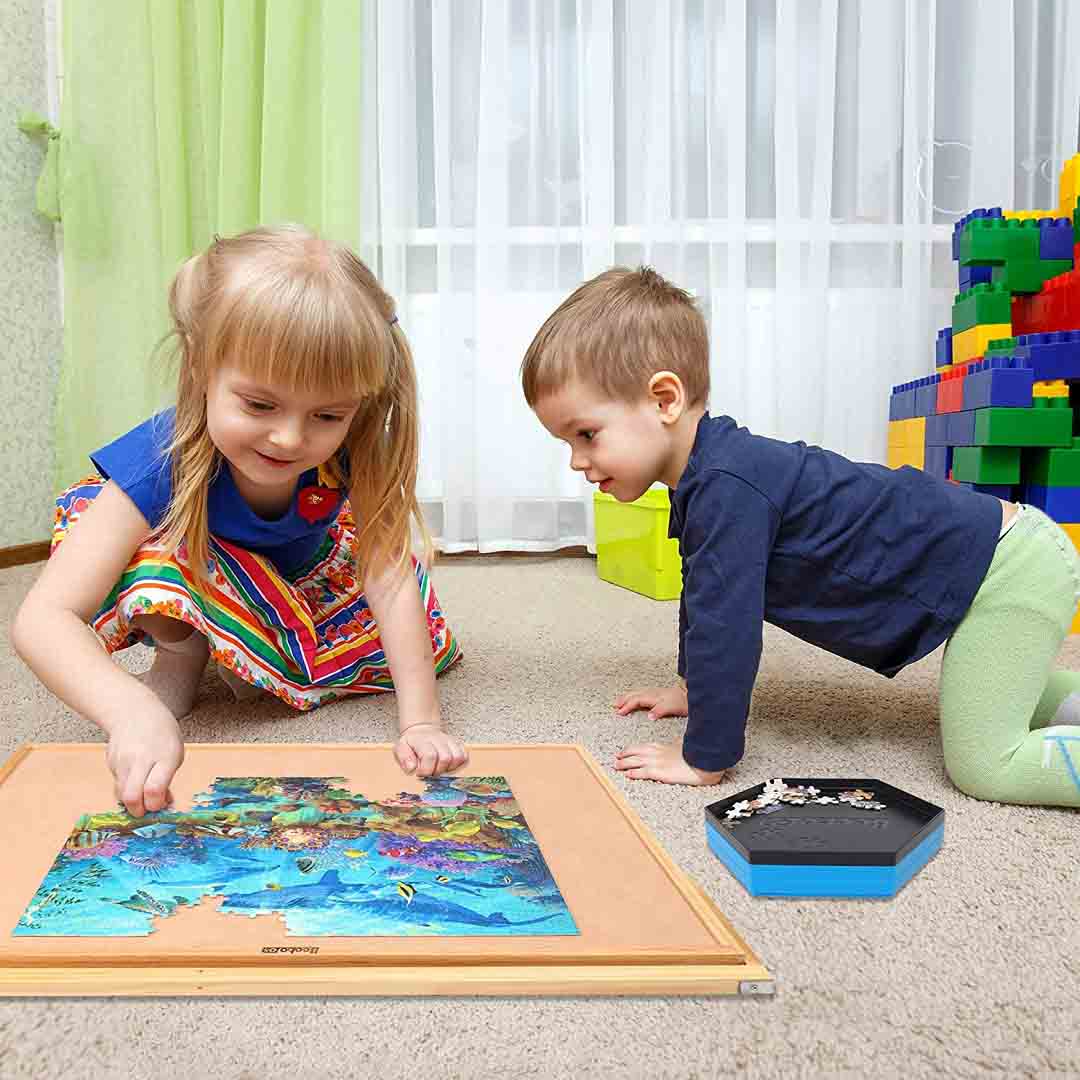
Jigsaw puzzles improve visual and spatial reasoning. Fitting pieces together trains the brain to see patterns. This type helps with attention to detail and patience. It also encourages strategic thinking and planning. Working on jigsaws can reduce stress and improve focus.
Logic And Strategy Games
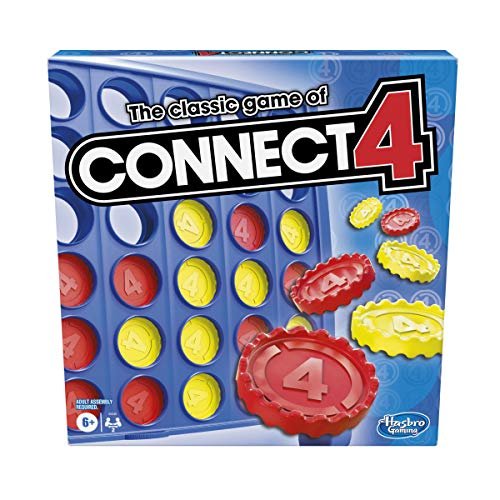
Logic and strategy games challenge your planning and decision-making. They require thinking ahead and analyzing outcomes. These puzzles boost memory and concentration. Playing these games builds mental flexibility and creativity. Chess and checkers are popular examples that train the brain well.
Scientific Evidence Supporting Puzzle Benefits
Puzzles challenge the brain and may improve mental skills. Scientists have studied the effects of puzzles on brain health. Their findings show puzzles can help memory, slow cognitive decline, and support brain plasticity. This section explores these scientific results.
Studies On Memory Improvement
Research shows puzzles can boost memory in adults. A study found that people who solve puzzles regularly remember information better. Puzzles stimulate the brain areas responsible for short-term and working memory. This mental exercise helps keep the brain sharp and alert.
Research On Cognitive Decline Prevention
Several studies link puzzles to slower cognitive decline in older adults. Engaging in puzzles reduces the risk of dementia and Alzheimer's disease. Mental activities like puzzles help maintain brain function as people age. They keep the mind active and prevent mental slowing.
Brain Plasticity And Puzzles
Brain plasticity means the brain can change and grow. Puzzles encourage this process by forming new connections between brain cells. Regular puzzle-solving helps the brain adapt to new challenges. This adaptability supports learning and problem-solving skills at any age.
Daily Puzzle Habits For Maximum Impact
Daily puzzle habits can boost your brain power over time. Regular practice helps improve memory, attention, and problem-solving skills. Small, daily challenges keep your mind active and sharp. Consistency is key to gaining the most from puzzles.
Choosing The Right Puzzle Difficulty
Select puzzles that match your skill level. Too easy puzzles may bore your brain and slow progress. Too hard puzzles can cause frustration and stop you from trying. Find a balance that challenges you but stays fun. Gradually increase difficulty as you improve.
Incorporating Puzzles Into Your Routine
Set a specific time each day for puzzles. Morning or evening works well for many people. Keep puzzle sessions short, about 10 to 20 minutes daily. Use puzzles as a break from work or study. This habit makes it easier to stick with puzzles long-term.
Balancing Puzzles With Other Brain Activities
Puzzles are great but should not be the only brain exercise. Include reading, learning new skills, and physical activity. Variety helps different parts of the brain stay healthy. Balance keeps your mind flexible and less likely to get bored.
Additional Ways To Sharpen Brain Skills
Keeping your brain sharp involves more than just puzzles. Various habits help improve thinking and memory. These habits support brain health and overall mental strength. Explore simple, practical ways to boost your brain’s power every day.
Physical Exercise And Brain Health
Exercise increases blood flow to the brain. This helps brain cells stay healthy and active. Regular physical activity can improve memory and focus. Even short walks can support mental clarity. Try to move your body daily for better brain health.
Healthy Diet For Cognitive Function
Eating well fuels your brain. Foods rich in antioxidants, vitamins, and healthy fats help protect brain cells. Include fruits, vegetables, nuts, and fish in your meals. Avoid too much sugar and processed foods. A balanced diet supports clear thinking and memory.
Social Interaction And Mental Stimulation
Talking and spending time with others keeps your mind active. Social activities challenge your brain to think and remember. Group conversations and shared activities stimulate new ideas. Stay connected with friends and family to keep your brain sharp.
Credit: www.goodnet.org
Credit: jigsawdepot.com
Frequently Asked Questions
Can Puzzles Improve Brain Function Effectively?
Yes, puzzles enhance brain function by boosting memory, problem-solving, and critical thinking skills. They stimulate neural connections, promoting mental agility and cognitive health.
How Often Should I Do Puzzles For Brain Benefits?
Doing puzzles 3-4 times a week is ideal for brain health. Consistent practice helps improve focus, memory, and mental sharpness over time.
What Types Of Puzzles Best Help Brain Development?
Crosswords, Sudoku, and logic puzzles are great for brain development. They challenge different cognitive areas, enhancing reasoning, vocabulary, and numerical skills.
Do Puzzles Help Prevent Cognitive Decline With Age?
Yes, puzzles can delay cognitive decline by keeping the brain active. Regular mental exercise strengthens memory and reduces the risk of dementia.
Conclusion
Puzzles keep your brain active and sharp. They challenge your thinking and improve focus. Regular puzzle play helps memory and problem-solving skills. It also reduces stress and boosts mood. Simple activities like puzzles make a big difference. Your brain enjoys the exercise, just like your body.
Try adding puzzles to your daily routine. Small steps can lead to a healthier mind. Keep your brain busy, and enjoy the benefits.