Are you wondering if you can donate toys to Goodwill? Maybe you have a box of gently used toys sitting around, and you want to give them a new life.
Donating toys is a great way to clear clutter, help others, and feel good about your impact. But before you drop off your toys, it’s important to know what Goodwill accepts and how your donation can make the biggest difference.
Keep reading to find out everything you need to know about donating toys to Goodwill and how you can turn your old toys into joy for someone else.

Toys Accepted By Goodwill
Goodwill gladly accepts many types of toys for donation. These toys help children and families in need. Donating toys is a great way to give back and reduce waste. Knowing what toys Goodwill accepts makes the process easier for donors.
Types Of Toys Welcomed
Goodwill welcomes a wide range of toys. This includes action figures, dolls, and stuffed animals. Board games and puzzles are also accepted. Educational toys and building blocks fit well too. Electronic toys can be donated if they work properly.
Condition Requirements
Toys must be clean and in good shape. Broken or damaged toys are not accepted. Missing pieces can make toys unusable. Batteries should be removed from electronic toys. Toys with sharp edges or parts that can break easily should be avoided.
Safety Standards
Toys must meet safety rules for children. Goodwill does not accept toys with recalls. Small parts that pose choking hazards are not allowed. Toys must be free from mold or dirt. Safety is the top priority when donating toys.
Preparing Toys For Donation
Preparing toys for donation is an important step before giving them to Goodwill. Clean, organized toys make a better impression. They also help ensure the toys are safe and ready for new children to enjoy. Taking time to prepare your toys shows respect for the recipients and the donation center.
Follow these simple tips to get your toys ready for donation. They will help your donation process go smoothly.
Cleaning Tips
Wipe toys with a damp cloth to remove dirt and dust. Use mild soap for tougher stains. Avoid harsh chemicals that can damage toys. For stuffed animals, check if they can be machine washed. Let all toys dry completely before packing them.
Sorting And Packaging
Sort toys by type and condition. Separate broken toys from those in good shape. Group small parts together to avoid loss. Use boxes or bags to pack toys neatly. Label packages to make sorting easier for Goodwill staff.
Removing Batteries And Parts
Take out all batteries from electronic toys. This prevents leaks and damage during storage. Keep small parts like screws and game pieces in a separate bag. Attach the bag to the main toy to avoid losing them. Double-check toys for loose parts before packing.
Where To Donate Toys
Donating toys is a great way to give joy to children in need. Goodwill is a popular place to donate toys. Knowing where to donate toys can make the process easy and quick. This section explains how to find Goodwill centers and donation options.
Finding Local Goodwill Centers
Start by searching for Goodwill stores near you. Use the official Goodwill website or a map app. Enter your zip code or city name. The website shows the closest donation centers. Check store hours and accepted items. Confirm they accept toys before going.
Donation Drop-off Options
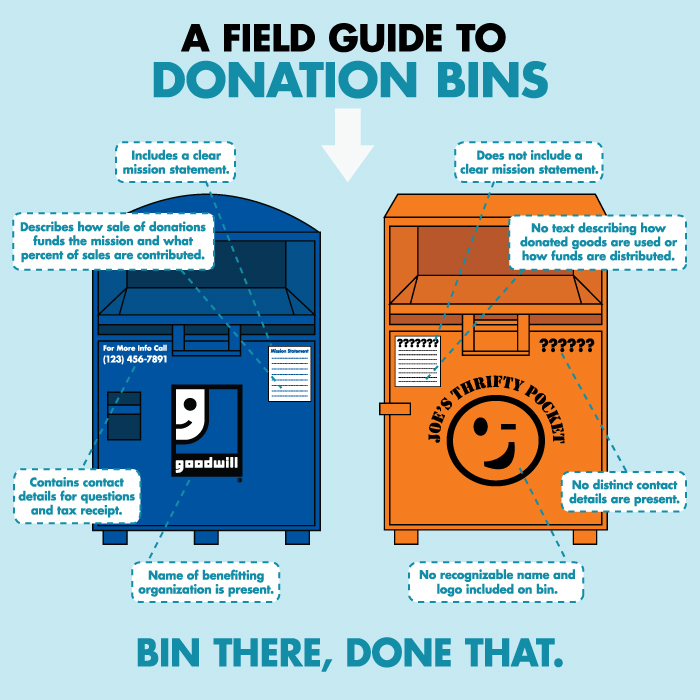
Most Goodwill locations have donation bins or counters. You can drop off toys during store hours. Choose clean and gently used toys. Pack them in bags or boxes for easy handling. Some centers have special drop-off days. Ask if they have any rules about toy donations.
Scheduling Pickup Services
Goodwill offers pickup services in some areas. Call your local center to ask if pickups are available. Schedule a day for volunteers to collect your donations. Make sure toys are ready and packed. Pickup saves time and helps you donate large amounts.
Tax Benefits For Toy Donations
Donating toys to Goodwill does more than help others. It can also bring tax benefits. Understanding these benefits helps you make the most of your donation. Proper documentation and valuation are key steps.
Donation Receipt Guidelines
Goodwill provides a receipt for every donation. Keep this receipt safe. It proves your gift and shows the donation date. The receipt lists the items given and their condition. This document is crucial for tax records.
Valuing Donated Toys
Assign a fair value to your toys. Goodwill suggests using the item’s current condition and market value. Price used or gently used toys reasonably. You can check online guides for typical values. Avoid guessing too high or too low.
Filing For Tax Deductions
Report your toy donations on your tax return. Use IRS Form 8283 for donations over $500. Attach your donation receipt and value list. Keep all records for at least three years. Claiming deductions lowers your taxable income.
Alternatives If Goodwill Can’t Accept
Sometimes Goodwill cannot accept toy donations. Toys might be broken, unsafe, or not suitable for donation. In such cases, finding other ways to give your toys a new life is important. Many options exist to help children and families in need or to recycle toys responsibly.
Other Charities And Shelters
Several charities and shelters welcome toy donations. Local homeless shelters often need toys for children. Women's shelters may also accept gently used toys. Check with community centers or religious organizations. They often organize toy drives for families in need.
Toy Recycling Programs
Toy recycling programs reduce waste and help the environment. These programs take old or broken toys. They recycle plastic, metal, and other materials safely. Some toy manufacturers run take-back programs. Look for local recycling centers that accept toys.
Community Toy Drives
Community toy drives collect toys for holiday gifts. Schools, libraries, and nonprofits often hold these events. Donating to a toy drive ensures toys reach children who need them. Keep an eye out for upcoming drives near you. It is a great way to share joy with others.
Common Donation Mistakes To Avoid
Donating toys to Goodwill is a kind way to help others. Avoiding common mistakes makes your donation more useful. It also ensures safety and respect for the recipients. Here are key errors to watch out for.
Donating Broken Or Dirty Toys
Toys must be clean and in good condition. Broken toys can hurt children or cause frustration. Dirty toys may carry germs and are less welcome. Always wash toys and fix small damages before donating.
Ignoring Local Donation Rules
Each Goodwill location may have different rules. Some toys might not be accepted due to safety laws. Check your local Goodwill’s website or call to confirm guidelines. Following rules helps your donation reach the right hands.
Not Checking Age Appropriateness
Toys should match the age of children who will get them. Small parts can be dangerous for young kids. Label toys with the recommended age if possible. This step helps parents choose safe toys for their children.
Frequently Asked Questions
Can You Donate New And Used Toys To Goodwill?
Yes, Goodwill accepts both new and gently used toys. Ensure toys are clean, complete, and in good condition before donating.
Are There Any Toys Goodwill Does Not Accept?
Goodwill usually does not accept broken, dirty, or recalled toys. Check local guidelines for specific restrictions before donating.
How Does Goodwill Use Donated Toys?
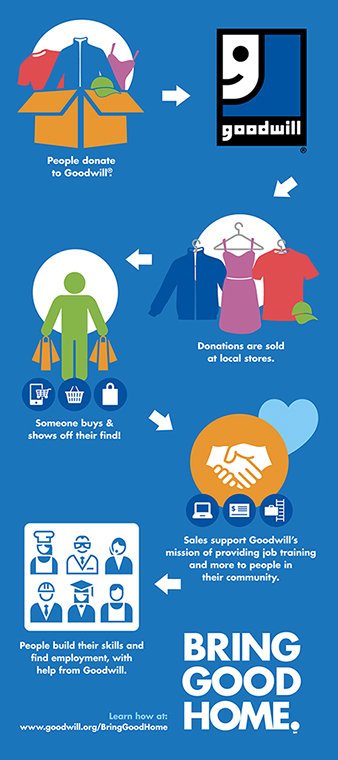
Goodwill sells donated toys in stores to fund job training programs. Unsold toys may be recycled or donated to other charities.
Where Can I Drop Off Toy Donations For Goodwill?
You can drop off toys at any local Goodwill donation center. Use their website to find the nearest location and hours.
Conclusion
Donating toys to Goodwill helps children and families in need. Clean, working toys bring joy and comfort to others. Goodwill accepts many toy types but checks their donation guidelines first. Sorting toys before donating saves time and effort. Giving toys extends their life and reduces waste.
Your small act can make a big difference. Choose Goodwill to share happiness through toy donations. Every toy counts.