Have you ever wondered if you can microwave stuffed animals? Maybe you want to warm up your child’s favorite toy on a chilly day or disinfect it quickly.
But before you hit that start button, it’s important to know what really happens when you put a stuffed animal in the microwave. Could it get damaged, or worse, cause a fire? Keep reading to discover the surprising facts and safe tips you need to protect your beloved plush friends.
Don’t risk ruining your stuffed animals—find out what you should do instead.
Microwaving Stuffed Animals Basics
Microwaving stuffed animals may seem unusual, but some people try it to warm or dry them. Understanding the basics helps avoid damage or risks. Not all stuffed toys are safe for microwaving. Knowing which materials can handle heat and the risks involved is important. This section breaks down the key points you need to know.
Materials That Can Handle Microwaves
Stuffed animals made with microwave-safe materials can be heated carefully. Some toys contain special fillings like wheat, rice, or gel packs. These fillings can absorb heat and stay warm for a while. Fabrics like cotton and some synthetic blends may handle microwave heat better. Avoid toys with plastic parts or electronic components inside. Always check the label or instructions before microwaving any stuffed animal.
Risks Of Heating Plush Toys
Microwaving plush toys can cause burns or fires. Some materials may melt or catch fire quickly. Heating unevenly can burn the filling or fabric. Stuffed animals with glue or paint may release toxic fumes. Overheating can ruin the toy and cause harm. Always supervise microwaving and use short heating times. Cooling periods between heating are important to prevent damage.
Safety Precautions
Safety should be the top concern before microwaving stuffed animals. Some materials can catch fire or melt. Others might release harmful chemicals when heated. Taking precautions helps protect your home and the toy.
Checking Labels And Tags
Always read the toy’s label or tag. It shows if the stuffed animal is microwave-safe. Many toys contain plastic parts or fillings that can melt. Some have metal components that cause sparks. If no instructions exist, avoid microwaving the item.
Avoiding Overheating
Set the microwave to low power or short time. Overheating can burn the fabric or stuffing. Heat the toy in small intervals. Check the temperature between each session. Stop immediately if the toy feels too hot or smells strange.
Using Microwave-safe Covers
Use a microwave-safe cloth or cover over the stuffed animal. This helps prevent direct heat contact and keeps moisture in. Avoid plastic wraps that are not microwave-safe. Covers also stop dirt or particles from entering the microwave.
Heating Methods Alternatives
Stuffed animals can provide comfort, especially when warm. Microwaving them is not always safe or recommended. Many stuffed toys have parts that can melt or catch fire. There are safer ways to warm them up. These alternatives keep your stuffed animal cozy without damage.
Try one of these heating methods to enjoy a warm companion on cold days.
Using A Hot Water Bottle
A hot water bottle offers gentle, long-lasting warmth. Fill it with hot water, not boiling. Wrap the bottle in a towel for safety. Place your stuffed animal near the bottle. The warmth will transfer slowly and safely. This method avoids direct heat on the toy.
Oven Warming Techniques
The oven can warm stuffed animals carefully. Preheat to a low temperature, about 150°F (65°C). Wrap the stuffed animal in foil or a clean cloth. Heat it for just a few minutes. Check often to avoid overheating or burning. This method warms evenly without wetness.
Heating Pads And Other Options
Heating pads are a quick way to add warmth. Use a low or medium setting to prevent damage. Place a cloth between the pad and the stuffed animal. Electric blankets or warm towels also work well. These options provide controlled heat and comfort.
Cleaning And Sanitizing Stuffed Animals
Stuffed animals need regular cleaning to stay fresh and safe for kids. Dust, dirt, and germs build up on their soft surfaces. Cleaning and sanitizing stuffed animals helps keep them hygienic and pleasant to hug. It also extends their life and keeps colors bright.
Choosing the right cleaning method matters. Some stuffed animals can handle water and detergents. Others need gentle care to avoid damage. Knowing how to wash and disinfect stuffed animals is key to protecting their shape and softness.
Washing Instructions
Check the care tag on the stuffed animal first. Some are machine washable. Use a gentle cycle with cold water. Place the toy inside a pillowcase or laundry bag for protection. Use mild detergent without bleach or fabric softener.
For hand washing, fill a basin with cold water and mild soap. Gently squeeze and rub the toy’s surface. Avoid twisting or wringing. Rinse well with clean water. Press out excess water with a towel. Let air dry completely before use.
Disinfecting Without Damage
Microwaving stuffed animals is risky. Only microwave toys labeled as microwave-safe. Use short intervals to avoid melting or fire. Instead, use safe disinfectants like a spray of diluted white vinegar or hydrogen peroxide. Lightly mist and let air dry.
Sunlight also disinfects naturally. Place stuffed animals outside for a few hours. Avoid direct sun on delicate or dark fabrics to prevent fading. Steam cleaning is another gentle option. It kills germs without soaking the toy.
When To Avoid Microwaving
Microwaving stuffed animals can be risky. Some types of toys should never go in the microwave. Knowing when to avoid microwaving helps keep your stuffed animals safe.
Toys With Electronic Components
Stuffed animals with electronic parts must not be microwaved. Batteries and circuits can catch fire or melt. Microwaves damage these components quickly. This can ruin the toy and cause safety hazards.
Check the label or packaging before microwaving. If the toy has lights, sounds, or moving parts, do not microwave it. Use other cleaning or warming methods instead.
Stuffed Animals With Non-heat-resistant Fillings
Some stuffed animals have fillings that cannot handle heat. Foam, gel packs, or plastic beads may melt or release harmful chemicals. Cotton or polyester fillings usually handle microwaving better.
Heating non-heat-resistant fillings can cause burns or damage. Always check the stuffing type before microwaving. If unsure, avoid microwaving to keep the toy safe.
Expert Tips For Safe Warming
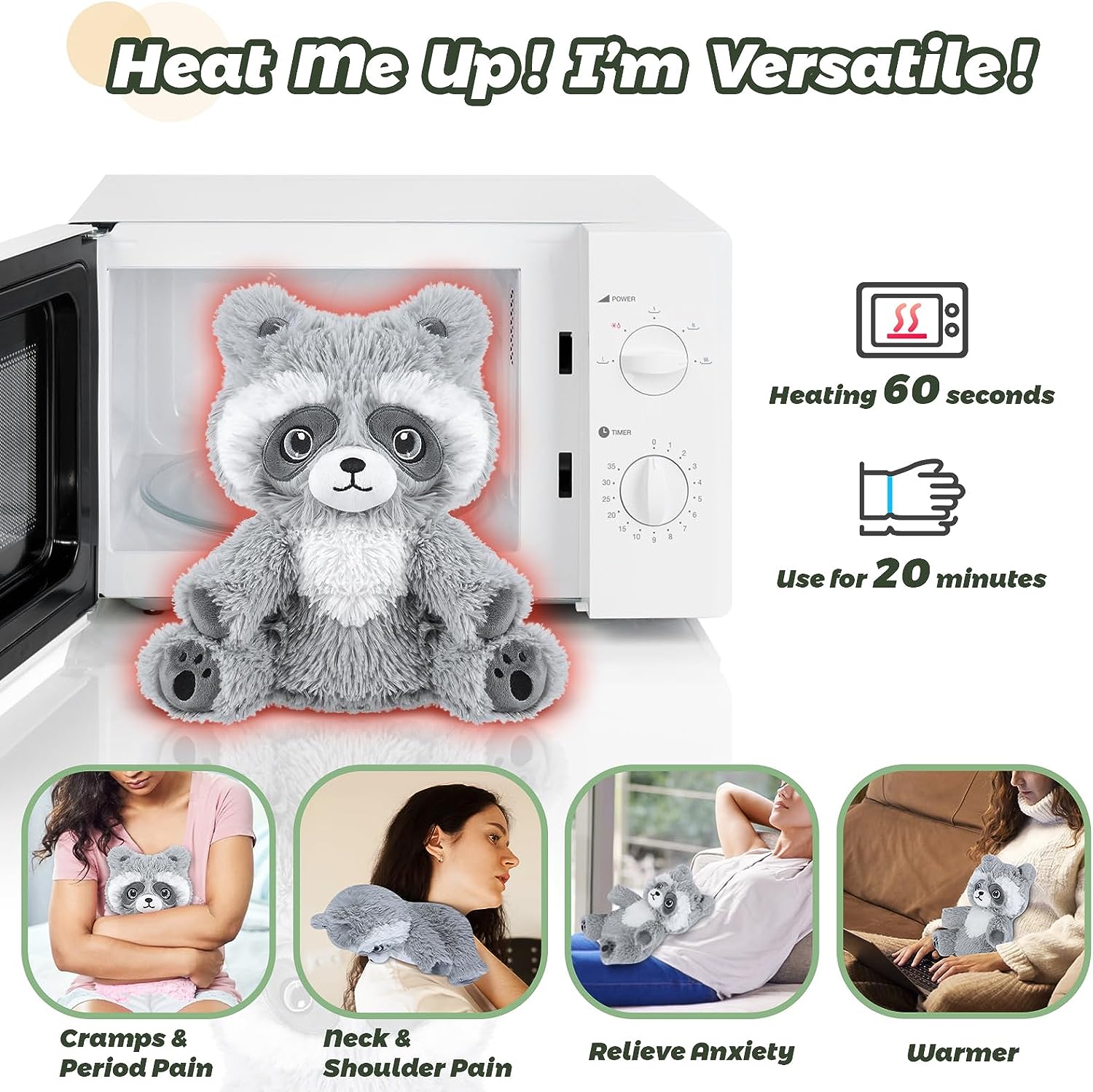
Warming stuffed animals in the microwave can be safe if done correctly. Follow expert tips to avoid damage or hazards. These tips help keep the toy soft and safe for children.
Time And Power Settings
Set the microwave to low or medium power. Use short heating times, usually 10 to 20 seconds. Avoid high power to prevent melting or burning. Start with the lowest time and increase if needed.
Monitoring During Heating
Watch the stuffed animal while warming. Stop the microwave if you see smoke or smell burning. Open the door carefully to check the toy’s temperature. Never leave the microwave unattended.
Post-microwave Checks
Check the stuffed animal’s temperature before giving it to a child. Feel inside the toy to avoid hot spots. Let it cool if it feels too warm. Inspect for any damage or melted parts before use.

Frequently Asked Questions
Can You Safely Microwave Stuffed Animals?
Microwaving stuffed animals is generally unsafe. The heat can damage fabric, stuffing, or electronics inside. It may also cause fire hazards. Always check the care label and use recommended cleaning methods instead.
How To Warm A Stuffed Animal Without A Microwave?
Use a warm towel or heating pad to gently warm stuffed animals. Avoid direct heat or prolonged exposure to prevent damage. These methods are safer and help maintain the toy's shape and fabric quality.
Can Microwaving Kill Germs In Stuffed Animals?
Microwaving may kill some germs but risks damage to the toy. Washing with soap and water or using a steam cleaner is more effective and safer for sanitizing stuffed animals.
What Materials In Stuffed Animals Are Microwave-safe?
Most stuffed animals contain synthetic fibers, plastic beads, or electronics that aren’t microwave-safe. Only use microwaves if the toy specifically states it is safe. Otherwise, avoid microwaving to prevent melting or fires.
Conclusion
Microwaving stuffed animals can be risky and is not often safe. Many toys have parts that can melt or catch fire. Heat can also damage the fabric or stuffing inside. Instead, try cleaning with a damp cloth or using a gentle wash.
Always check the toy’s label for care instructions. Keeping your stuffed animals clean helps them last longer. Safety matters most when handling children’s toys. Think twice before using a microwave on soft toys. Better safe than sorry.