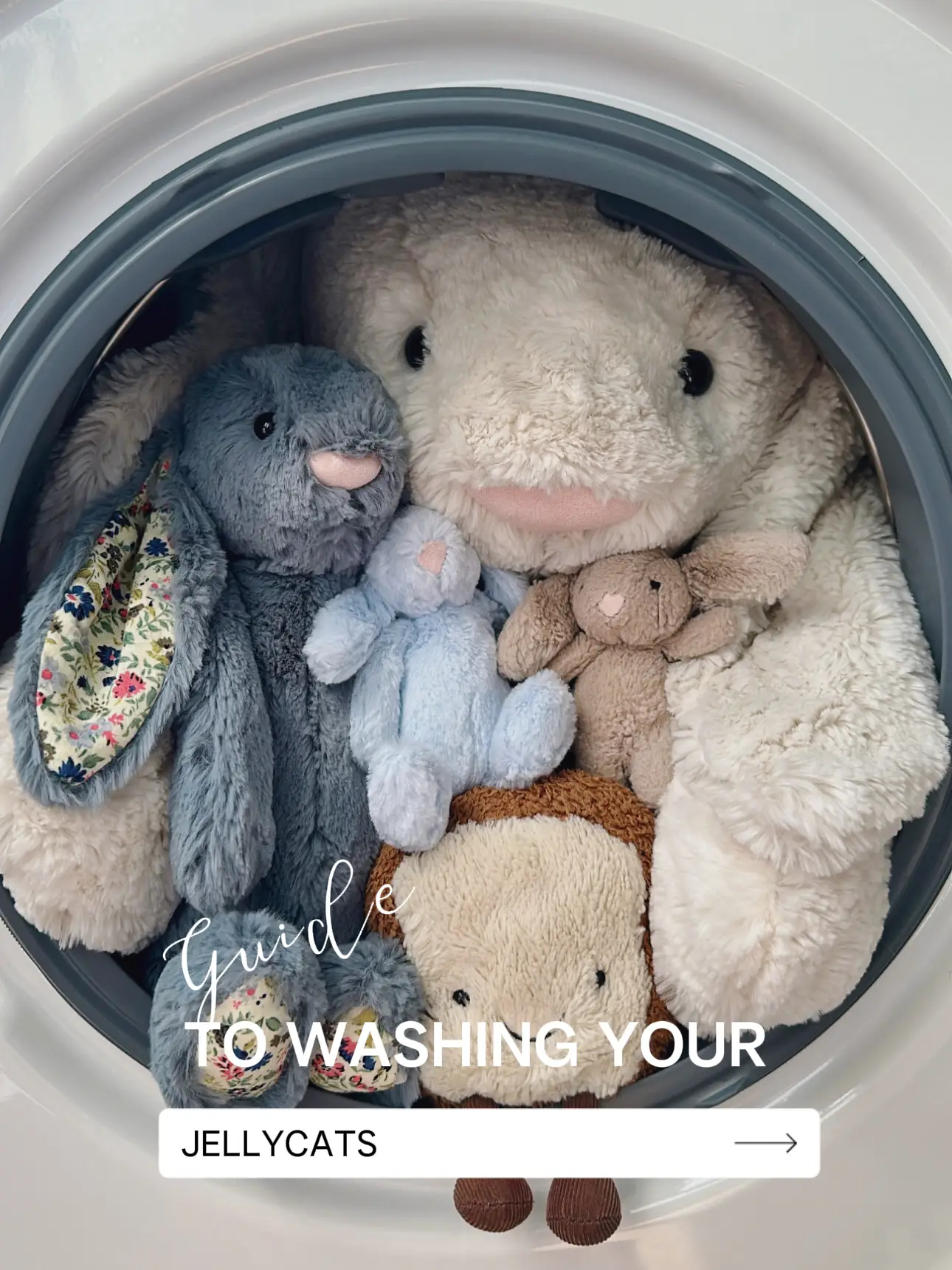
Do you love your Jellycat stuffed animals but worry about keeping them clean? You’re not alone.
These soft, cuddly friends are perfect for hugs, but what happens when they get dirty? You want to keep them fresh and safe without ruining their softness. You’ll discover the best ways to wash your Jellycat toys, so they stay just as lovable as the day you got them.
Keep reading to learn simple tips that protect your furry companions and give you peace of mind.
Jellycat Materials And Care Labels
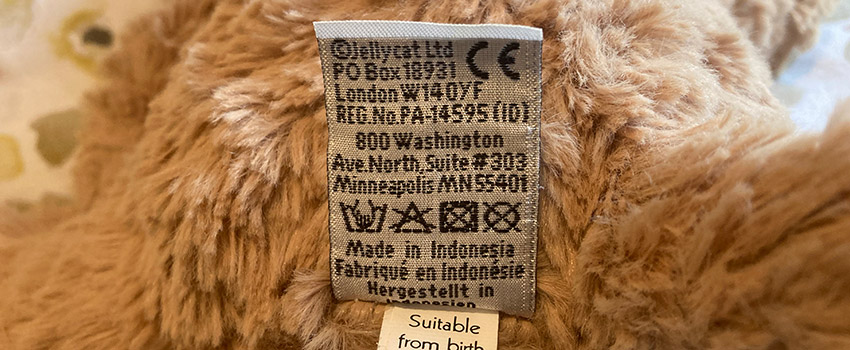
Understanding the materials and care labels of Jellycat stuffed animals helps keep them soft and clean. These toys use special fabrics that need gentle handling. Checking the care labels ensures safe washing and long-lasting softness.
Common Fabrics Used
Jellycat stuffed animals often use plush, velour, and cotton fabrics. Plush is soft and fluffy, perfect for cuddling. Velour offers a smooth, velvet-like feel. Cotton parts add breathability and softness. These materials need gentle care to stay in good shape.
Reading Care Instructions
Each Jellycat toy has a care label sewn inside. This label shows how to clean the toy safely. It tells if the toy can be hand washed or machine washed. Some toys need surface cleaning only. Always follow these instructions to avoid damage. Proper care keeps the toy looking new and soft.
When To Wash Your Jellycat
Knowing when to wash your Jellycat stuffed animal helps keep it soft and fresh. Regular cleaning protects the toy from dirt, germs, and odors. It also keeps your child’s favorite friend looking new. Careful washing preserves the delicate fabric and stuffing. Watch for clear signs that tell you it’s time to clean.
Signs It Needs Cleaning
Look for dirt or stains on the surface. A musty or bad smell means it needs washing. Sticky or greasy spots also call for a clean. If the toy feels rough or less soft, it might be dirty. Dust and pet hair can build up over time. Check for these signs often to keep your Jellycat fresh.
Frequency Recommendations
Wash your Jellycat every few months for regular use. More often if your child plays outside or eats nearby. Toys used less can be cleaned twice a year. Quick spot cleaning helps between full washes. Avoid washing too often to keep the fabric safe. Always follow care instructions on the tag.
Hand Washing Jellycat Toys
Hand washing Jellycat toys is a gentle way to keep them clean. It helps protect their soft fur and delicate parts. This method is safe and keeps your toy looking new longer.
Follow simple steps to wash your Jellycat toy by hand. Use mild soap and avoid harsh chemicals. This care helps maintain the toy’s softness and shape.
Step-by-step Guide
Fill a basin with lukewarm water. Add a small amount of mild detergent. Submerge the Jellycat toy gently into the water. Use your hands to lightly squeeze and rub the surface. Focus on dirty spots without scrubbing hard. Rinse the toy with clean lukewarm water. Press out excess water carefully. Avoid twisting or wringing the toy. Lay it flat on a clean towel. Let it air dry completely before use.
Best Detergents To Use
Choose a detergent that is gentle and free from bleach. Baby shampoo or mild liquid soap works well. Avoid fabric softeners and harsh chemicals. These can damage the toy’s fabric. Use small amounts to prevent residue build-up. This keeps the toy soft and safe for children.
Machine Washing Tips
Cleaning Jellycat stuffed animals in a washing machine can save time and effort. It requires careful steps to keep the toy soft and undamaged. Follow these machine washing tips for the best results.
Suitable Settings
Choose a gentle or delicate cycle to protect the plush fabric. Use cold water to avoid shrinking or fading. Select a slow spin speed to reduce stress on the toy's seams. Avoid hot water and high-speed spins that can damage the stuffing.
Precautions To Take
Place the Jellycat inside a pillowcase or laundry bag for extra protection. Use a mild detergent without bleach or harsh chemicals. Skip fabric softeners as they can affect the toy's texture. Always check the care label for any specific washing instructions. Air dry the stuffed animal instead of using a dryer to keep it soft.
Drying Jellycat Stuffed Animals
Drying Jellycat stuffed animals properly keeps them soft and looking new. After washing, drying is important to avoid damage and maintain their cuddly texture. This section explains easy and safe ways to dry your Jellycat toys.
Air Drying Techniques
Air drying is the safest method for Jellycat stuffed animals. Gently squeeze out extra water without twisting the toy. Lay it flat on a clean towel in a warm, dry place. Turn the toy often to help it dry evenly. Avoid direct sunlight to prevent colors from fading. Patience is key; air drying may take a day or two.
Avoiding Damage
Avoid using a dryer or heat sources like radiators. High heat can melt or deform the soft fabric and stuffing. Do not wring the toy as it can cause tears. Handle the stuffed animal gently while drying. Check for damp spots and ensure it is completely dry before use. This prevents mold and keeps your Jellycat safe and clean.
Spot Cleaning For Quick Refresh
Spot cleaning is a fast way to keep your Jellycat stuffed animals fresh. It removes small stains without soaking the entire toy. This method saves time and protects the soft fabric. You can quickly clean your plush friend and keep it looking new.
Effective Stain Removal
Use a clean cloth or soft brush to treat stains. Dab gently on the dirty spot to lift dirt. Avoid rubbing hard, as it may damage the fabric. Warm water mixed with a small amount of mild soap works well. Blot the area until the stain fades. Repeat if needed, but do not soak the toy.
Safe Cleaning Products
Choose gentle products made for delicate fabrics. Avoid bleach, harsh detergents, or strong chemicals. These can harm the soft fur and colors. Baby shampoo or mild dish soap are good options. Test the cleaner on a small hidden area first. This ensures no damage or discoloration occurs.
Maintaining Softness And Shape
Keeping your Jellycat stuffed animals soft and in shape is important. Over time, they can lose fluff and become flat. Regular care helps maintain their cuddly feel and original look. Simple steps can make your plush toy last longer and look new.
Brushing And Fluffing Tips
Use a soft brush to gently remove dust and dirt. Brush in the direction of the fur. This keeps the fabric smooth and soft. Fluff the toy by gently shaking it or patting it. Avoid strong pulling to prevent damage. Regular brushing stops the fur from matting and keeps the toy inviting to touch.
Storage Advice
Store your Jellycat away from direct sunlight. Sun can fade colors and weaken fabric. Keep it in a cool, dry place to avoid mold. Avoid tight spaces that can squash the toy. Use a breathable bag or box to protect it from dust. Proper storage keeps the plush fresh and holds its shape well.
Common Mistakes To Avoid
Cleaning Jellycat stuffed animals needs care. Many make mistakes that can harm the toy. Avoid these errors to keep your plush soft and safe. Follow simple steps for the best result.
Using Hot Water
Hot water can damage the soft fabric of Jellycat toys. It may cause shrinking or color fading. Always choose cold or lukewarm water for washing.
Putting Them In The Dryer
Dryers use heat that can ruin the plush material. The stuffing might clump or lose shape. Let your Jellycat air dry naturally for better care.
Using Strong Detergents
Harsh soaps can break down the fabric fibers. Use mild detergent made for delicate items. This protects the softness and colors of the toy.
Ignoring The Care Label
Each Jellycat has specific washing instructions. Ignoring these can cause damage. Always read and follow the care tag before cleaning.
Washing Too Often
Frequent washing wears out the plush quickly. Spot clean small stains instead of full washes. This keeps your Jellycat looking new longer.
Frequently Asked Questions
Can Jellycat Stuffed Animals Be Machine Washed?
Yes, most Jellycat stuffed animals can be machine washed. Use a gentle cycle with cold water and mild detergent. Avoid bleach and fabric softeners. Place the toy in a laundry bag or pillowcase to protect it during washing. Air dry to keep the softness intact.
How Do I Hand Wash Jellycat Stuffed Animals?
Hand washing Jellycat toys is simple. Use lukewarm water and mild soap. Gently scrub the surface with a soft cloth or sponge. Rinse thoroughly with clean water. Squeeze out excess water carefully without twisting. Air dry completely before giving it back to your child.
Can I Use A Dryer For Jellycat Stuffed Animals?
It’s best to avoid using a dryer for Jellycat stuffed animals. High heat may damage the fabric and stuffing. Instead, air dry the toy in a well-ventilated area. This helps maintain the toy’s softness and shape for longer use.
How Often Should I Clean Jellycat Stuffed Animals?
Clean Jellycat stuffed animals every few months or when visibly dirty. Frequent cleaning helps remove dust, germs, and allergens. Spot clean minor stains immediately to prevent dirt buildup. Proper cleaning keeps the toy safe and fresh for your child.
Conclusion
Washing Jellycat stuffed animals is possible with care. Always check the label for cleaning instructions. Use gentle soap and cold water to avoid damage. Spot cleaning works well for small stains. Avoid harsh machines or dryers that can ruin softness.
Let the toy air dry completely before use. Clean toys stay fresh and safe for kids. Keep these tips in mind for a happy, clean Jellycat friend. Simple steps make a big difference in care.