Are you looking for the best ways to help your baby grow and learn every day? Developmental toys for infants are more than just fun—they play a key role in shaping your little one’s brain, senses, and motor skills.
Choosing the right toys can make a big difference in how your baby explores the world and builds important skills early on. Keep reading to discover which toys truly support your baby’s development and why they matter so much for your child’s future.
Benefits Of Developmental Toys
Developmental toys help infants learn new skills as they grow. These toys support their physical, mental, and emotional growth.
Choosing the right toys can make learning fun and safe. They encourage babies to explore and understand the world around them.
Enhancing Motor Skills
Developmental toys help infants improve their motor skills. Babies practice grasping, reaching, and moving with these toys.
Toys like stacking blocks and soft balls promote hand-eye coordination. These activities build muscle strength and control.
- Encourages hand and finger movements
- Improves coordination between eyes and hands
- Supports crawling and walking practice
Stimulating Cognitive Growth
Developmental toys help babies think and learn. Puzzles and shape sorters teach problem solving and cause-effect relationships.
These toys also introduce concepts like colors, shapes, and sizes. They help build memory and attention skills.
- Teaches basic problem-solving skills
- Improves memory and focus
- Introduces early learning concepts
Encouraging Sensory Exploration
Infants learn about the world through their senses. Developmental toys offer different textures, sounds, and colors for exploration.
Playing with these toys helps babies understand touch, sight, and hearing. Sensory play supports brain development.
- Provides varied textures to touch
- Includes sounds to listen to
- Uses bright colors for visual interest
Fostering Emotional Development
Toys help infants feel safe and happy. They support bonding when parents play together with babies.
Developmental toys also teach sharing and patience. These skills help babies manage their feelings over time.
- Supports parent and baby bonding
- Teaches patience through play
- Helps babies express emotions

Credit: www.goodhousekeeping.com
Types Of Developmental Toys
Developmental toys help infants grow skills in many ways. They make learning fun and easy for little ones.
Different toys focus on different areas of growth. This guide covers four main types of developmental toys.
Toys For Fine Motor Skills
These toys help babies use their hands and fingers better. They improve hand-eye coordination and finger strength.
- Stacking rings
- Shape sorters
- Building blocks
- Puzzles with large pieces
Toys For Gross Motor Skills
Gross motor toys help infants move their arms, legs, and bodies. These toys encourage crawling, standing, and walking.
- Push and pull toys
- Ride-on cars
- Soft balls
- Activity gyms
Sensory Toys
Sensory toys stimulate the senses like touch, sight, and sound. They help babies explore the world around them.
| Toy Type | Sensory Benefit |
| Textured balls | Touch and feel |
| Musical toys | Hearing and rhythm |
| Colorful mobiles | Visual tracking |
| Soft rattles | Sound and grasp |
Interactive Learning Toys
Interactive toys teach babies cause and effect. They use buttons, lights, and sounds to keep babies engaged.
Examples include:
- Talking books
- Activity cubes with buttons and switches
- Light-up learning boards
Choosing Safe Toys For Infants
Choosing safe toys for infants is very important. Safe toys help babies learn and grow without harm.
Parents must think about the materials, size, and design of toys. This keeps infants safe and happy.
Material Considerations
Choose toys made from soft, durable materials. These materials should not break or splinter easily.
Look for toys that feel smooth and have no sharp edges. This protects babies from cuts and scratches.
Age-appropriate Designs
Pick toys made for your baby's age group. Toys designed for infants match their skills and size.
Toys that are too hard or complex can frustrate babies. Simple shapes and bright colors work best.
Avoiding Small Parts
Small parts can be a choking hazard for infants. Avoid toys with pieces smaller than 1.25 inches.
- Check that parts are securely attached
- Do not choose toys with loose buttons or beads
- Test toys by trying to pull small pieces off
Non-toxic Paints And Finishes
Toys should use non-toxic paints and finishes. Babies often put toys in their mouths.
Look for labels stating toys are free from harmful chemicals. This keeps infants safe from poisoning.
Incorporating Toys Into Daily Play
Developmental toys help infants learn and grow through play. Using these toys daily supports brain and motor skills.
Parents can add toys to everyday activities to keep babies interested and learning. Playtime becomes a fun chance to explore.
Creating A Stimulating Environment
Set up a safe area with colorful and textured toys. Different shapes and sounds keep infants curious and engaged.
Rotate toys to keep the environment fresh. This variety helps babies notice new things and try new skills.
- Use soft blocks and rattles
- Add toys with mirrors and lights
- Include toys that make gentle sounds
- Arrange toys within easy reach
Balancing Play And Rest
Babies need both active play and quiet rest times. Watch for signs when your infant feels tired or overstimulated.
Keep play sessions short and calm down with soft toys or cuddles before naps. This balance helps babies stay happy and healthy.
- Limit playtime to 10-15 minutes for young infants
- Use soothing toys like plush animals after play
- Offer quiet time after active play
- Follow the baby’s cues for breaks
Encouraging Independent Play
Let infants explore toys on their own safely. Independent play builds confidence and helps develop focus.
Provide toys that babies can hold and move easily. Sit nearby to watch but avoid taking over their play.
- Choose simple toys like stacking rings
- Use soft balls or textured blocks
- Arrange toys in reachable spots
- Allow the baby to explore without interruptions
Engaging In Guided Playtime
Join your infant during play to teach new skills. Show how to use toys and talk about what you see.
Guided play strengthens your bond and supports learning. Use simple words and encourage the baby to try.
- Demonstrate how to stack blocks
- Name colors and shapes
- Encourage reaching and grasping
- Celebrate small successes with smiles and claps
Top Picks For Developmental Toys
Choosing the right toys helps infants grow their skills. Toys can support sensory, motor, and cognitive development.
This guide lists great developmental toys for different infant stages and budgets.
Best Toys For 0-6 Months
Toys for babies under six months focus on gentle stimulation. Soft textures and bright colors attract attention.
- Soft rattles that are easy to hold
- High-contrast black and white books
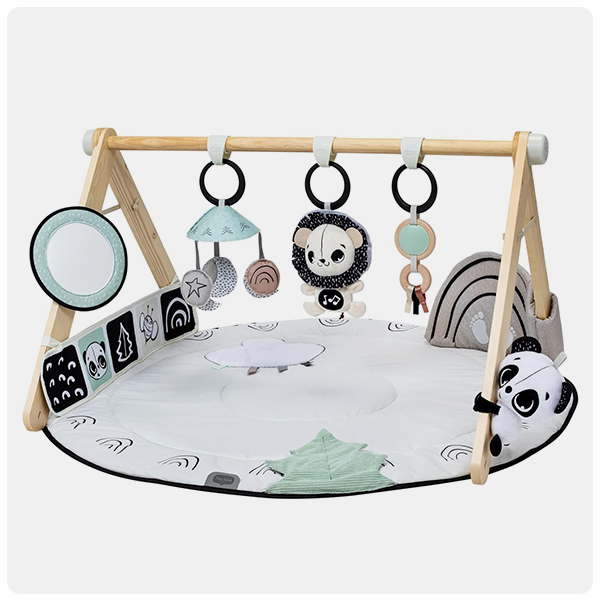
- Play mats with hanging toys
- Mirrors safe for baby’s skin
Best Toys For 6-12 Months
Toys for six to twelve months help babies explore and practice new skills. They encourage reaching, grasping, and crawling.
| Toy | Skill Developed |
| Stacking cups | Hand-eye coordination |
| Push and pull toys | Balance and walking |
| Activity cubes | Problem solving |
| Textured balls | Tactile senses |
Best Multi-sensory Toys
Multi-sensory toys combine sound, touch, and sight. They keep babies engaged and help brain connections.
Examples of multi-sensory toys:
- Toys with buttons that make music
- Soft books with different textures
- Light-up toys with gentle sounds
Affordable And Diy Options
You can make or buy simple toys that support growth without spending much money.
- Homemade sensory bottles with water and glitter
- Cardboard boxes for crawling and hiding
- Old scarves for peek-a-boo games
- Wooden spoons and pots for noise making
Credit: www.thebump.com

Credit: www.amazon.ca
Frequently Asked Questions
What Are Developmental Toys For Infants?
Developmental toys are designed to support infants' growth in sensory, motor, and cognitive skills. They encourage exploration and learning through play.
When Should Infants Start Using Developmental Toys?
Infants can start using simple developmental toys from birth. Age-appropriate toys help stimulate their senses and promote early development effectively.
How Do Developmental Toys Benefit Infant Brain Growth?
These toys enhance brain growth by encouraging problem-solving, hand-eye coordination, and sensory exploration. They build essential neural pathways during infancy.
Which Materials Are Safest For Infant Developmental Toys?
Safe toys are made from non-toxic, BPA-free, and durable materials. Always choose toys that meet safety standards for infants.
Conclusion
Choosing the right developmental toys helps infants grow and learn. These toys support skills like hand-eye coordination and problem-solving. Simple, safe toys encourage curiosity and creativity in babies. Playtime becomes more fun and meaningful with the right tools. Parents can enjoy watching their child explore and discover new things.
Small steps in play lead to big progress in development. Always pick toys that suit your infant’s age and needs. This way, learning stays fun and safe every day. Developmental toys truly make a positive difference in early growth.