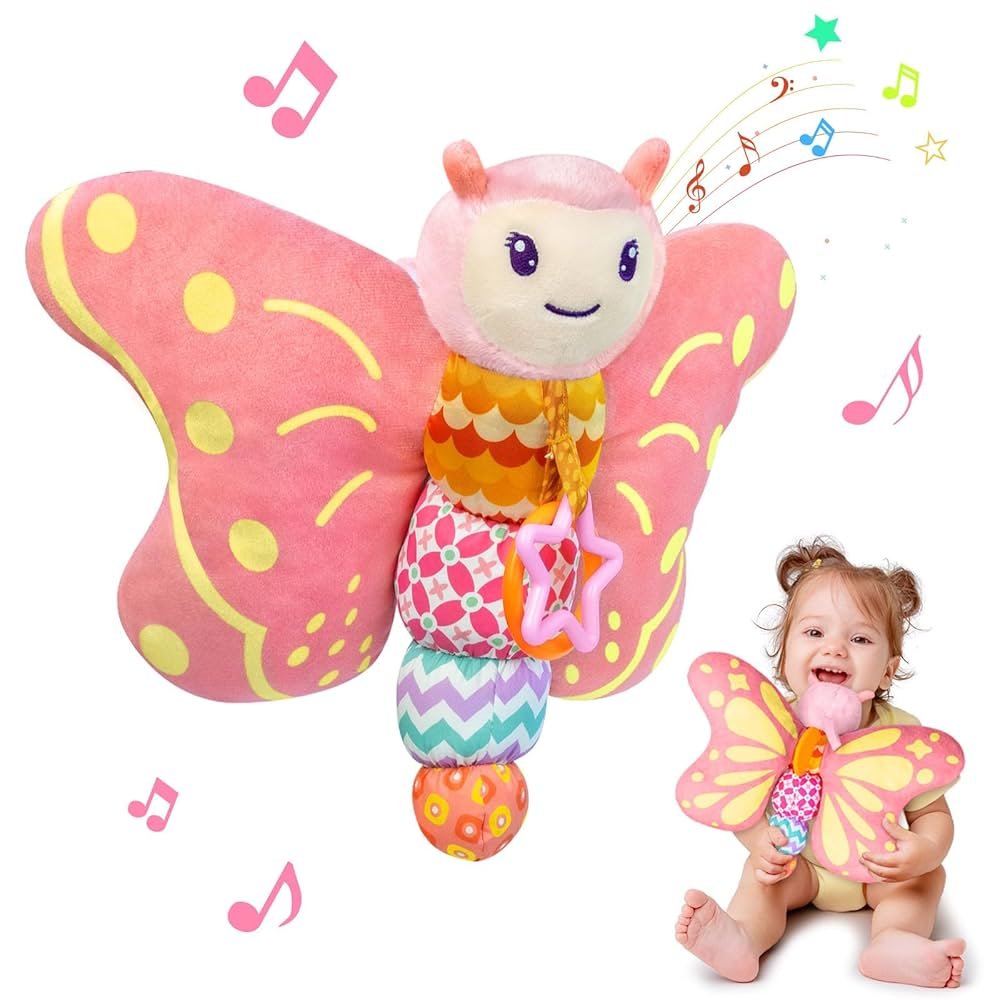
Choosing the right toys for your 3-year-old can feel overwhelming. You want something fun, but also something that helps your child learn and grow.
Educational toys for 3-year-olds do just that—they make playtime a powerful tool for development. Imagine your child building skills like problem-solving, creativity, and language, all while having a great time. Keep reading, and you’ll discover the best toys that turn play into learning, making every moment count for your little one.

Credit: www.amazon.ca
Benefits Of Educational Toys
Educational toys help young children learn as they play. They support growth in many important areas.
Choosing the right toys can make learning fun and effective for 3 year olds.
Enhancing Cognitive Skills
Educational toys help children think and solve problems. They improve memory and attention.
Children learn to recognize shapes, colors, and numbers while playing with these toys.
Promoting Motor Development
Toys that require movement help build fine and gross motor skills. Kids learn to use their hands and fingers better.
- Building blocks improve hand-eye coordination.
- Puzzles develop finger dexterity.
- Ride-on toys strengthen leg muscles.
- Stacking toys teach balance and control.
Encouraging Creativity And Imagination
Creative toys let children explore new ideas. They use imagination to create stories and art.
| Toy Type | Creative Skill |
|---|---|
| Building Sets | Design and Construct |
| Art Supplies | Draw and Color |
| Dress-up Clothes | Role Play |
| Musical Instruments | Sound Exploration |
Supporting Social Interaction
Educational toys can encourage sharing and teamwork. Playing with others builds social skills.
Children learn to communicate and follow rules through group play.
Choosing The Right Toys
Choosing educational toys for a 3-year-old can be fun but needs care. The right toys help children learn and grow.
It is important to pick toys that match their skills and interests. This helps keep them safe and engaged.
Age-appropriate Features
Toys for 3-year-olds should be simple and easy to use. They should match the child’s growing abilities and interests.
Look for toys that encourage skills like counting, building, and pretend play. Avoid toys with small parts that are a choking risk.
- Large pieces for easy handling
- Bright colors and simple shapes
- Encourages basic skills like sorting and stacking
- Supports imaginative play
Safety Considerations
Safety is the top priority when choosing toys for young children. Toys should be made from non-toxic materials.
Check that toys have no sharp edges or small parts. Always follow age recommendations on the packaging.
- Non-toxic paint and materials
- No small parts that can be swallowed
- Rounded edges and sturdy construction
- Meets safety standards and certifications
Durability And Quality
Durable toys last longer and stand up to rough play. Look for toys made with strong materials like wood or thick plastic.
Good quality toys keep their shape and color even after many uses. This makes them better value and safer for children.
- Made from sturdy materials
- Resistant to breaking and wear
- Safe finishes that don’t chip easily
- Easy to clean and maintain
Engagement And Interest
Toys should hold a child’s attention and encourage learning. Choose toys that are fun and challenge their thinking.
Look for toys that offer different ways to play. This keeps children interested and helps develop new skills.
- Encourages creativity and imagination
- Offers multiple ways to play
- Supports problem solving and motor skills
- Matches the child’s current interests
Top Educational Toys For 3 Year Olds
Choosing the right educational toys helps three-year-olds learn while they play. Toys that build skills and creativity support their growth.
These toys encourage thinking, problem-solving, and fine motor skills. They also promote fun and curiosity in young children.
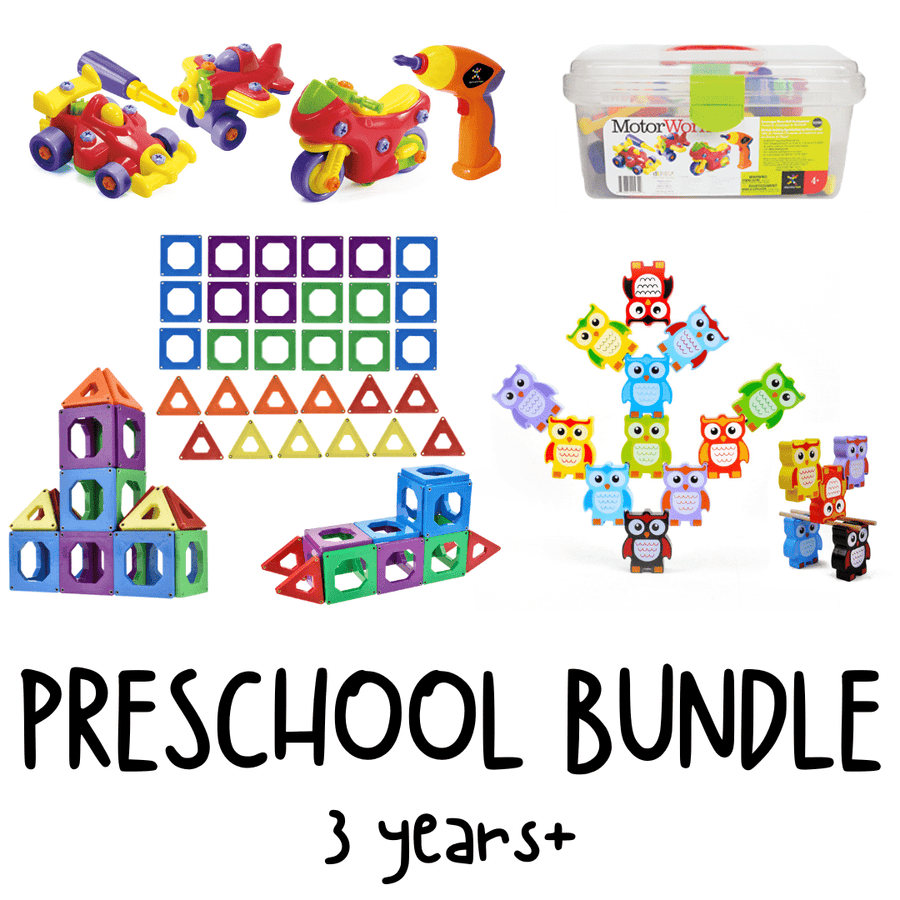
Building Blocks And Construction Sets
Building blocks help children develop hand-eye coordination. They also teach basic shapes and spatial awareness.
Construction sets with large pieces are safe and easy to use. Kids can create towers, houses, and many designs.
- Wooden blocks with different shapes
- Magnetic construction pieces
- Soft foam blocks for safe play
Interactive Storybooks
Interactive storybooks combine reading with play. Buttons, flaps, and sounds keep kids engaged.
These books improve language skills and listening. They also encourage children to explore stories on their own.
- Books with sound effects and music
- Touch-and-feel texture books
- Pop-up storybooks with colorful images
Puzzles And Shape Sorters
Puzzles help improve memory and problem-solving skills. Shape sorters teach children to recognize shapes and colors.
These toys also develop fine motor skills and hand dexterity. They offer a satisfying challenge for young minds.
- Chunky wooden puzzles
- Shape sorter boxes with colorful shapes
- Simple jigsaw puzzles with large pieces
Art And Craft Kits
Art kits encourage creativity and self-expression. They help children practice holding tools like crayons and brushes.
Craft kits often include safe materials for painting, drawing, and making simple crafts. These activities boost imagination.
- Washable crayons and markers
- Sticker and stamp sets
- Simple paint and clay kits
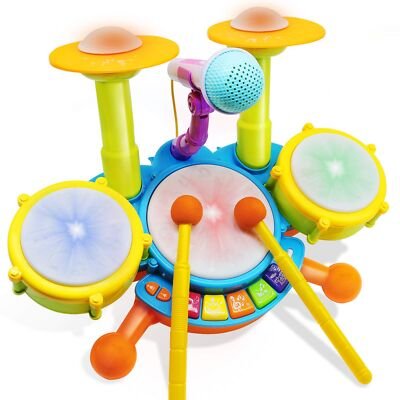
Musical Instruments
Musical toys introduce rhythm and sound recognition. They support auditory development and coordination.
Instruments like drums and xylophones are easy to play. They encourage children to explore music and movement.
- Small hand drums and tambourines
- Colorful xylophones with mallets
- Shakers and maracas
Stem Learning Kits
STEM kits introduce science and math concepts early. They include simple experiments and building activities.
These kits develop curiosity and critical thinking. They help kids explore how things work in a fun way.
- Basic science experiment sets
- Counting and sorting kits
- Simple robot and coding toys
Incorporating Toys Into Daily Learning
Educational toys help 3-year-olds learn while they play. Using toys every day supports their growth.
Simple play routines with toys make learning fun and easy for young children.
Creating Play-based Learning Routines
Set regular times for play that teach new skills. Use toys that fit daily themes or topics.
Repeat activities to build memory and confidence in your child’s abilities.
- Start with simple puzzles to improve problem-solving
- Use blocks for counting and building shapes
- Include story-based toys for language skills
- Rotate toys to keep interest high
Balancing Screen Time And Hands-on Play
Limit screen time to short periods focused on learning apps or videos. Encourage more hands-on play.
Toys that require touching, moving, and creating help develop motor skills and imagination.
- Set clear time limits for screens
- Offer toys that engage senses and movement
- Use screen time as a tool, not a reward
Encouraging Independent Play
Provide toys that your child can use alone safely. This helps build self-confidence and focus.
Choose toys that match your child’s interests and skill level to keep them motivated.
- Puzzles and shape sorters for problem-solving
- Art supplies for creativity
- Building blocks for imagination
Involving Parents And Caregivers
Parents and caregivers should join playtime to guide and support learning. Talk about what the child is doing.
Sharing play helps children feel safe and more eager to learn new things.
- Ask questions about the toy and play
- Encourage storytelling and explanations
- Celebrate small achievements during play
Where To Buy Quality Educational Toys
Finding good educational toys for 3 year olds can be a challenge. It is important to choose toys that help learning and development.
This guide shows where to buy quality educational toys that are safe and fun for young children.
Online Retailers
Online stores offer a wide range of educational toys. You can compare prices and read reviews before buying.
- Check trusted websites with good customer feedback
- Look for detailed product descriptions and age recommendations
- Consider shipping time and return policies
- Watch for certifications like safety standards
Specialty Toy Stores
Specialty stores focus on toys that boost learning and creativity. Staff can help you find the best toy for a 3 year old.
| Store Type | Benefits |
| Educational Toy Stores | Wide selection of learning toys |
| Children’s Bookshops | Learning through stories and puzzles |
| Art and Craft Shops | Creative and sensory toys |
Secondhand And Sustainable Options
Buying used toys saves money and helps the environment. Many secondhand toys are still in good condition.
Tips for buying secondhand educational toys:
- Inspect toys for safety and cleanliness
- Buy from trusted sellers or stores
- Choose toys made from sustainable materials
- Consider swapping toys with other parents

Credit: www.amazon.ca
Credit: www.discoverytoys.us
Frequently Asked Questions
What Are The Best Educational Toys For 3-year-olds?
The best educational toys for 3-year-olds promote creativity, motor skills, and problem-solving. Examples include building blocks, puzzles, and interactive books. These toys engage toddlers and support early learning in a fun way.
How Do Educational Toys Benefit 3-year-old Children?
Educational toys boost cognitive development, hand-eye coordination, and language skills. They encourage curiosity and independent thinking. These toys also improve social skills when played with others, making learning enjoyable and effective.
Are Wooden Educational Toys Safe For 3-year-olds?
Yes, wooden educational toys are generally safe for 3-year-olds. They are durable, non-toxic, and free from harmful chemicals. Always check for smooth edges and age-appropriate sizes to prevent choking hazards.
Can Educational Toys Improve A 3-year-old’s Motor Skills?
Educational toys like building blocks and shape sorters enhance fine motor skills. These toys require grasping, stacking, and fitting pieces together, which develop hand dexterity and coordination in toddlers.
Conclusion
Choosing the right educational toys helps children learn and have fun. Toys that encourage creativity and problem-solving build strong skills. Playing with these toys improves hand-eye coordination and language development. Simple toys often spark the most imagination and joy. Keep in mind each child learns at their own pace.
Watch how your child interacts and grows with each toy. Small steps lead to big progress in early learning. Let playtime be a chance for discovery and happiness. Educational toys support growth while keeping play exciting and fresh.