Choosing the right toys for your preschooler can feel overwhelming. You want something that’s fun but also helps your child learn and grow.
Educational toys do just that—they make playtime a chance to build important skills. Imagine your little one laughing and exploring while gaining the building blocks for reading, math, and creativity. You’ll discover the best educational toys that can boost your child’s development and keep them happily engaged.
Keep reading to find out how the right toys can make a real difference in your preschooler’s learning journey.
Benefits Of Educational Toys
Educational toys help preschoolers learn new skills while they play. These toys make learning fun and easy.
They support many areas of a child's growth. Playing with these toys helps kids prepare for school and life.
Enhancing Cognitive Skills
Educational toys encourage thinking and problem-solving. They help children understand shapes, numbers, and colors.
These toys improve memory and attention span. They make kids curious and ready to learn new things.
Promoting Creativity
Creative toys let children use their imagination. Kids can build, draw, or create stories with these toys.
Playing creatively helps children express themselves. It also builds their confidence and problem-solving skills.
Supporting Social Development
Educational toys encourage sharing and teamwork. Kids learn how to play with others and follow rules.
Playing with friends helps children improve communication. They also learn empathy and patience during playtime.
Improving Motor Skills
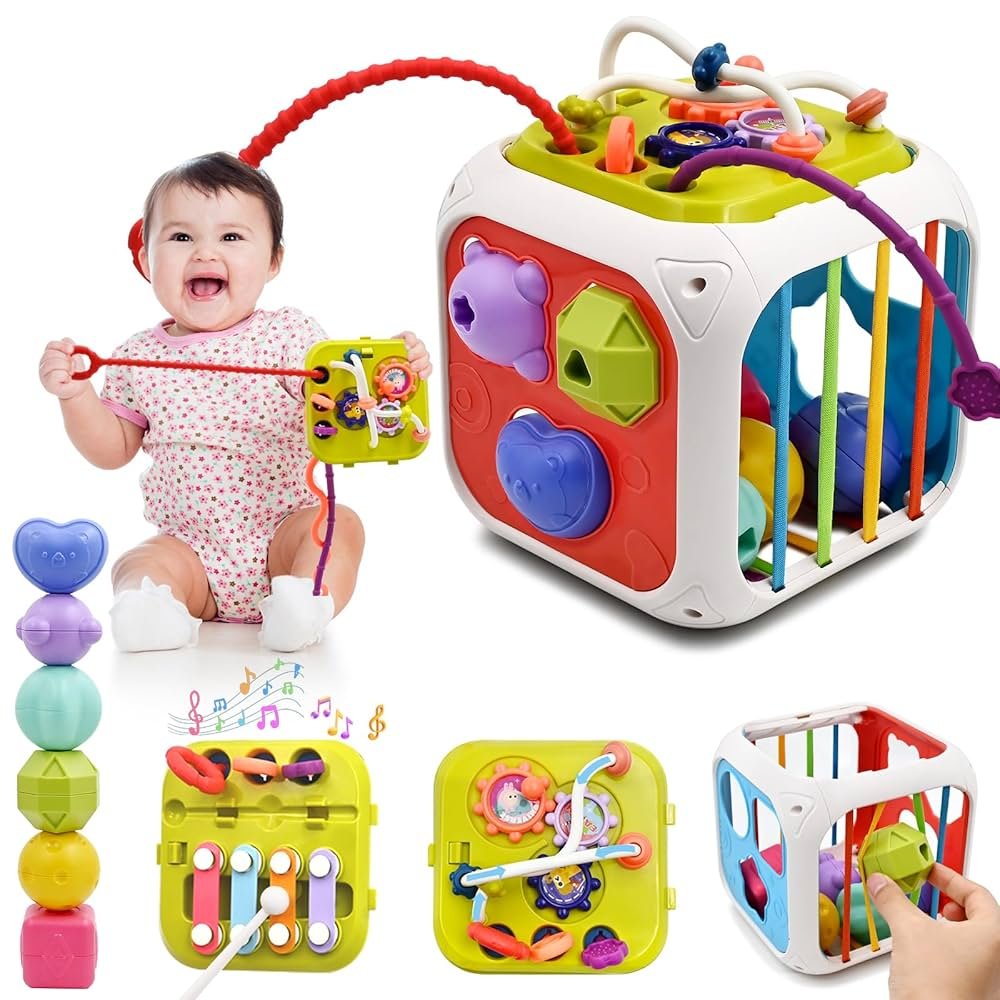
Toys that involve moving parts help develop hand-eye coordination. Children practice grasping, stacking, and sorting.
Fine motor skills grow stronger with these toys. They prepare kids for writing and other school tasks.
- Building blocks
- Puzzles with pieces to fit
- Shape sorters
- Drawing and coloring tools
Credit: www.toysrus.ca
Types Of Educational Toys
Educational toys help preschoolers learn new skills while having fun. They support creativity, problem-solving, and motor skills development.
Different types of educational toys focus on various learning areas. Let’s explore some popular categories for preschool children.
Building And Construction Sets
Building sets include blocks, bricks, and connectors. Kids learn about shapes, balance, and design. These toys boost fine motor skills and spatial awareness.
Puzzle And Logic Games
Puzzle toys challenge children to find solutions. They improve memory, concentration, and critical thinking. Logic games teach cause and effect and sequencing.
- Jigsaw puzzles
- Shape sorters
- Matching games
- Pattern blocks
Stem Toys
STEM toys focus on science, technology, engineering, and math. They encourage exploration and discovery through hands-on play.
| Toy Type | Learning Focus |
| Robotics kits | Technology and engineering |
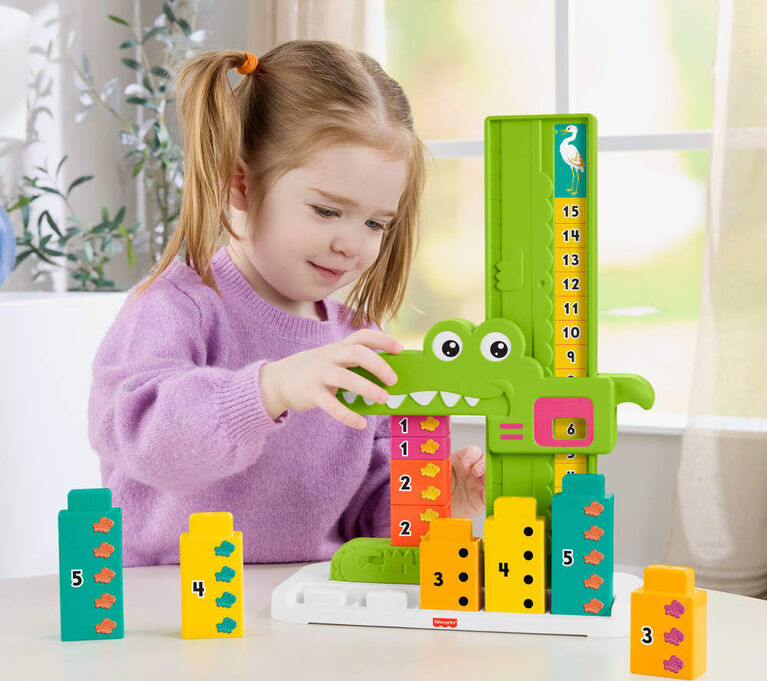
| Counting blocks | Math skills |
| Simple machines | Science concepts |
Art And Craft Kits
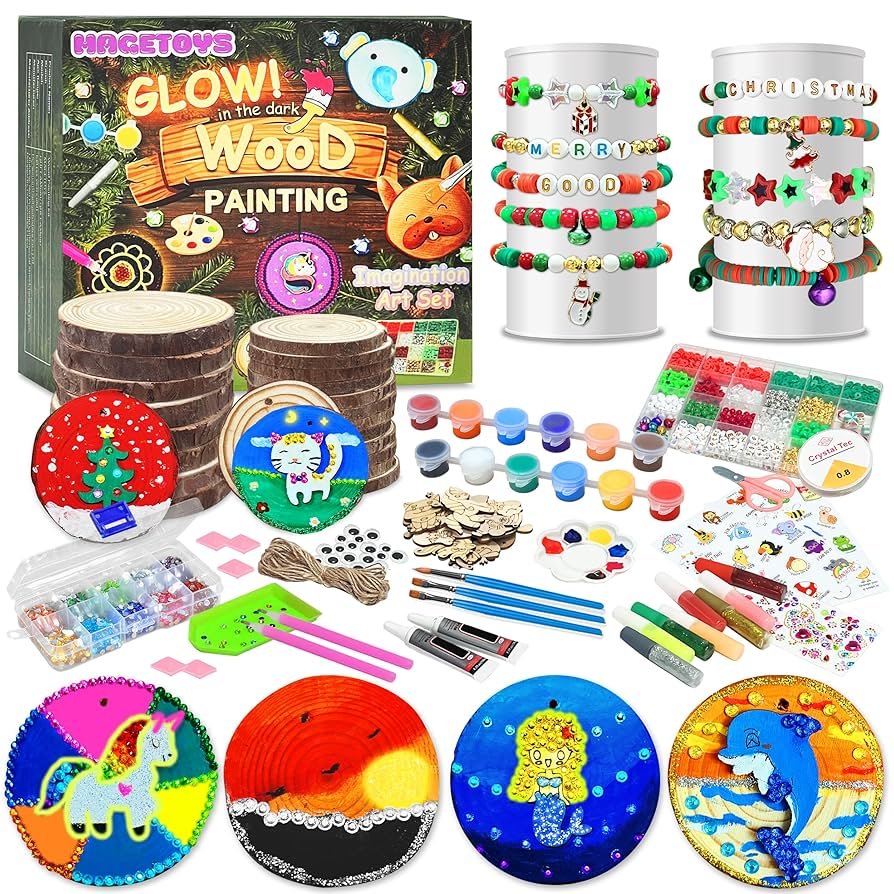
Art kits include coloring, painting, and crafting materials. These toys develop creativity, hand-eye coordination, and color recognition.
Pretend Play Sets
Pretend play sets let children act out real-life roles. They build social skills, language, and imagination through role-playing.
Common Pretend Play Themes
- Kitchen and cooking sets
- Doctor and nurse kits
- Tool and construction sets
- Dress-up clothes
Choosing Age-appropriate Toys
Choosing the right toys for preschoolers is important for their growth. Age-appropriate toys help children learn and play safely.
Toys that match a child's age support their skills and keep them interested. This guide helps you pick toys that fit well.
Matching Developmental Stages
Preschoolers grow fast and learn new skills each month. Toys should match their current abilities to challenge them properly.
Look for toys that encourage skills like sorting, building, or simple problem solving. These support thinking and coordination.
- Toddlers (2-3 years): Simple puzzles, stacking blocks
- Early preschool (3-4 years): Shape sorters, matching games
- Older preschool (4-5 years): Basic board games, role play sets
Safety Considerations
Safety is key when choosing toys for young children. Check for small parts that can cause choking hazards.
Pick toys made from non-toxic materials and with smooth edges. Always follow age recommendations on packaging.
- Avoid toys with sharp edges or loose parts
- Choose BPA-free plastics and safe paint finishes
- Check for sturdy construction to prevent breakage
Skill Level Suitability
Toys should fit a child’s skill level to keep them engaged. Too hard toys can cause frustration, too easy toys may bore them.
Observe the child’s play and choose toys that offer a good challenge. This helps develop confidence and new skills.
- Simple toys for beginners to learn basics
- Intermediate toys for improving fine motor skills
- Advanced toys for creative thinking and problem solving
Credit: www.toysrus.ca
Top Educational Toys For Preschoolers
Choosing the right educational toys helps preschoolers learn and grow. Toys that build skills make playtime fun and useful.
These toys improve thinking, creativity, and problem-solving. They also support early learning in many areas.
Best Building Blocks
Building blocks improve hand-eye coordination and spatial skills. Kids can create shapes while learning about balance.
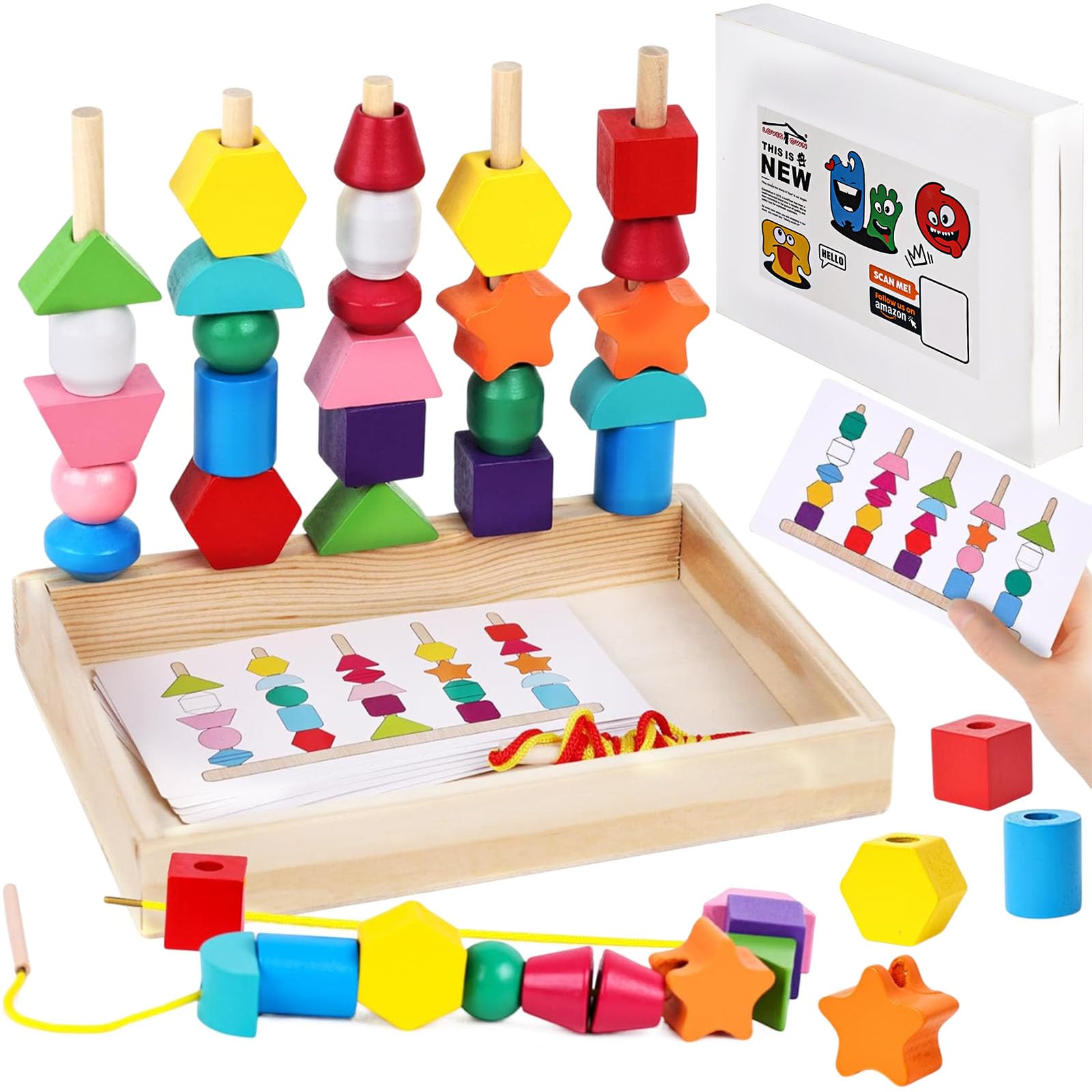
- Wooden blocks in various shapes and sizes
- Magnetic blocks for easy connection
- Soft blocks safe for younger children
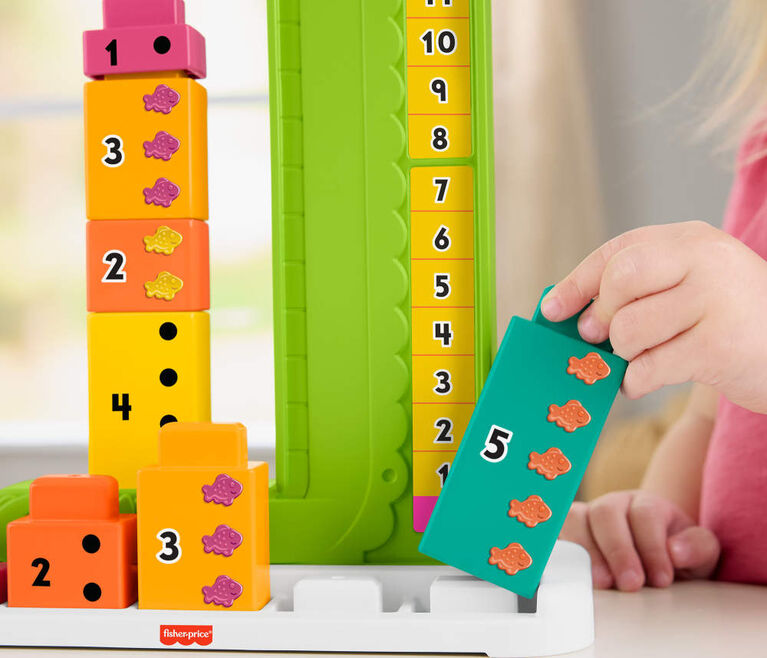
- Stacking blocks with numbers or letters
Recommended Puzzle Games
Puzzles boost memory and concentration. They also teach children to recognize shapes and patterns.
| Puzzle Type | Skills Developed |
| Jigsaw puzzles | Problem-solving, shape recognition |
| Shape sorters | Fine motor skills, matching |
| Number puzzles | Counting, number recognition |
Popular Stem Kits
STEM kits introduce science, technology, engineering, and math. They make learning hands-on and exciting.
- Simple robot building kits
- Basic circuit sets with lights and sounds
- Science experiment kits for beginners
- Engineering blocks for building machines
Creative Art Supplies
Art supplies help children express their ideas. Drawing and crafting build fine motor skills and imagination.
Popular art supplies include:
- Washable crayons and markers
- Non-toxic paints and brushes
- Colored paper and stickers
- Modeling clay and play dough
Incorporating Toys Into Learning
Educational toys help preschoolers learn while they play. These toys make learning fun and active.
Using toys during playtime supports skills like thinking, problem-solving, and creativity.
Creating Engaging Playtime
Choose toys that capture a child’s interest and match their skill level. This keeps playtime exciting.
- Use puzzles to improve problem-solving skills
- Include building blocks for creativity and fine motor skills
- Select toys with colors and shapes to teach recognition
- Offer role-play toys to boost imagination and language
Balancing Screen Time And Hands-on Play
Too much screen time can limit hands-on learning. Balance is key for healthy growth.
| Type of Activity | Recommended Time |
| Screen-based learning | Less than 1 hour per day |
| Hands-on play with toys | 2 to 3 hours per day |
| Outdoor play | At least 1 hour per day |
Encouraging Independent Exploration
Let children explore toys on their own to build confidence and decision-making skills.
Tips for encouraging independent play:
- Provide a safe space with easy-to-reach toys
- Offer a variety of toys to spark curiosity
- Avoid interrupting unless help is needed
- Praise effort and discovery
Credit: www.amazon.com
Tips For Parents And Educators
Educational toys are crucial for preschoolers. They aid learning and development. Parents and educators play a key role in selecting the right toys.
Understanding how to choose and use these toys can enhance a child's growth. Below are some tips to guide you.
Selecting Quality Toys
Choosing high-quality toys is important. They should be safe and durable. Look for toys that stimulate the mind and body.
- Check for non-toxic materials.
- Ensure toys have no small parts.
- Look for educational labels and certifications.
- Consider toys that grow with the child.
Observing Child’s Interests
Each child has unique interests. Observing them helps in choosing toys they will love and learn from. Watch how they play and interact.
Consider these points when observing:
- What themes do they gravitate towards?
- Do they enjoy building or pretend play?
- How do they interact with peers?
Fostering Collaborative Play
Collaborative play is vital for social skills. Encourage children to play together. This helps them learn to share and cooperate.
| Play Activity | Benefits |
| Building Blocks | Enhances teamwork |
| Role-Playing | Boosts communication |
| Group Puzzles | Improves problem-solving |
Frequently Asked Questions
What Are The Best Educational Toys For Preschoolers?
The best educational toys boost creativity, motor skills, and problem-solving. Look for puzzles, building blocks, and interactive storybooks. These toys help preschoolers learn shapes, numbers, and colors while playing, enhancing cognitive and social skills effectively.
How Do Educational Toys Benefit Preschool Development?
Educational toys stimulate brain development and improve hand-eye coordination. They promote language skills, creativity, and critical thinking. Using these toys, preschoolers learn through play, making learning enjoyable and fostering lifelong curiosity and confidence.
When Should Parents Introduce Educational Toys To Preschoolers?
Parents should introduce educational toys as early as 1 to 2 years old. Early exposure supports sensory development and fine motor skills. Age-appropriate toys ensure safe, engaging learning experiences that grow with the child's abilities.
Are Screen-based Educational Toys Good For Preschoolers?
Screen-based toys can be beneficial if used in moderation. They offer interactive learning and multimedia engagement. However, balance screen time with hands-on activities to support social interaction and physical development.
Conclusion
Educational toys help preschoolers learn and grow every day. They make learning fun and keep children curious. Choosing the right toys can boost skills like counting, shapes, and colors. Playing with these toys also improves hand-eye coordination and creativity. Parents and teachers can support kids by offering a variety of toys.
Simple, engaging toys often lead to the best learning moments. Remember, the goal is to enjoy playtime while building strong foundations for the future. Educational toys truly make a difference in early childhood development.