Have you ever wondered what makes your remote control toy move exactly when you press a button? It’s fascinating how a small device in your hand can command a toy to zoom, spin, or even dance.
Understanding how remote control toys work can make your playtime more exciting and give you a new appreciation for the technology behind the fun. You’ll discover the simple secrets that bring your favorite toys to life and learn how every signal you send turns into action.
Ready to unlock the magic behind your remote control toy? Let’s dive in!

Credit: www.instructables.com
Basics Of Remote Control Toys
Remote control toys are fun gadgets controlled from a distance. They use signals to move and perform actions. These toys make playtime exciting and interactive.
Understanding their basics helps to choose the right toy and enjoy it more. The main parts work together to create smooth control.
Types Of Remote Control Toys
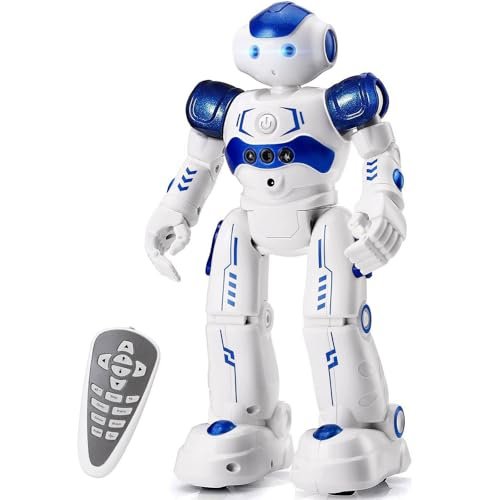
Remote control toys come in many forms. Cars and trucks are popular and easy to use. Drones fly in the air and offer a new view. Boats move on water and add variety. Robots can walk, talk, and do tricks. Each type offers a different experience and fun.
Core Components
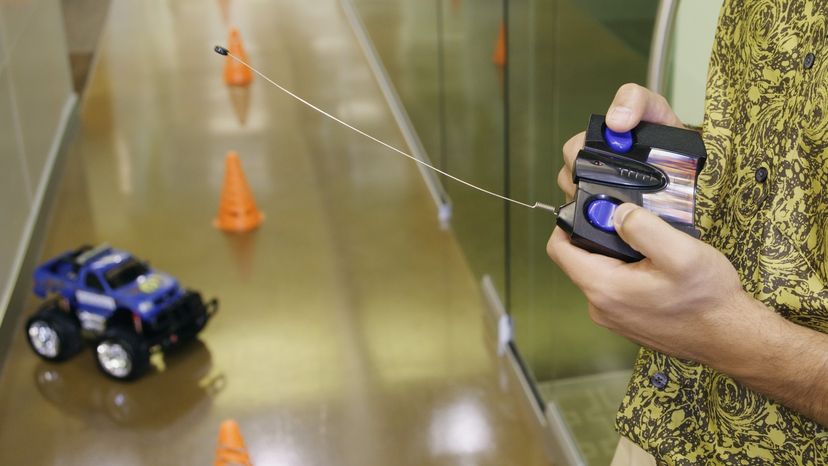
Every remote control toy has key parts. The transmitter sends signals to control the toy. The receiver inside the toy gets these signals. Motors move the wheels, wings, or arms. Batteries power both the toy and the controller. Sensors help the toy react to its environment. These parts work together to bring the toy to life.
Credit: science.howstuffworks.com
Radio Frequency Signals
Radio frequency signals are the invisible waves that control remote toys. These signals carry instructions from the remote to the toy. The toy’s receiver picks up these signals and moves parts like wheels or arms. This system lets users drive or play with the toy from a distance. Understanding how radio frequency signals work helps explain how remote control toys operate.
How Signals Are Transmitted
The remote sends out radio waves when you press a button. These waves carry a unique code to the toy. The code tells the toy what action to take. The waves travel through the air at the speed of light. The toy’s receiver listens for these signals all the time. It only responds to the right code, ignoring others. This stops interference from other devices nearby.
Common Frequency Bands
Most remote toys use radio waves in specific frequency ranges. The common bands are 27 MHz, 49 MHz, and 2.4 GHz. Lower frequencies like 27 MHz and 49 MHz have shorter range and slower data rates. The 2.4 GHz band offers longer range and better signal quality. This band is less likely to have interference. Different toys use different bands to avoid cross-talk. Frequency bands ensure smooth and reliable control of the toy.
Infrared Control Systems
Infrared control systems are common in many remote control toys. They use light signals to send commands from the controller to the toy. These systems rely on invisible infrared light, which is similar to the light used in TV remotes. This method allows the user to control the toy’s movements and actions without wires.
Working Principle
Infrared systems use a small LED that emits infrared light. The controller sends pulses of this light in patterns. The toy has a sensor that detects these pulses and reads the commands. Each pattern corresponds to a specific action, such as moving forward or turning. The toy then responds by performing the requested action.
The communication happens in a straight line. The controller and toy must face each other for signals to work. The signals are fast, allowing smooth control of the toy’s movements.
Limitations And Advantages
Infrared control systems need a clear line of sight. Walls, furniture, or other objects can block signals. This limits the range and flexibility of the toy’s control. Bright sunlight or strong indoor lighting may also interfere with the infrared signals.
On the positive side, infrared systems are simple and cost-effective. They use less power, which helps the toy’s battery last longer. The technology is easy to repair and maintain. Infrared controls also avoid radio frequency interference, making them reliable in busy areas.
Internal Mechanics And Motors
Remote control toys move and respond through careful engineering inside. The internal mechanics and motors work together to make these toys fun and interactive. Understanding these parts helps explain how the toy reacts to your commands.
Motors And Movement
Small electric motors are the heart of remote control toys. They spin and create motion that moves wheels, propellers, or legs. Each motor controls a specific action like turning or driving forward.
Gears connect to the motors to change speed and power. They also help direct the movement smoothly. This setup allows the toy to perform different tasks, such as spinning or climbing.
Power Sources
Batteries supply energy to the motors and electronics inside. Most toys use rechargeable batteries or standard AA or AAA cells. These power sources provide enough energy for several minutes to hours of play.
Battery size affects the toy’s weight and playtime. Larger batteries last longer but add more weight. Good battery choice balances power and toy performance.
Control Interface And User Input
The control interface and user input form the core of remote control toys. They allow users to guide the toy’s actions from a distance. Understanding how these controls work helps you appreciate the technology behind the fun.
Remote control toys rely on a device that sends commands. These commands direct the toy to move, turn, or perform tasks. The interface is designed to be simple and responsive for easy use.
Controller Types
Remote control toys use various controllers. The most common types are handheld devices with buttons, joysticks, or wheels. Each type offers different ways to send commands.
Some controllers use simple buttons for basic movements like forward and backward. Joysticks provide more precise control, allowing smooth turns and speed changes. Wheel controllers mimic driving controls, making them intuitive for car toys.
Controllers can be wired or wireless. Wireless controllers use radio frequency or Bluetooth to send signals. This allows more freedom and range for the user to play.
Signal Encoding
Signal encoding is the method of sending commands from the controller to the toy. It converts user input into radio waves or infrared signals. These signals carry specific instructions the toy understands.
Radio frequency signals are common for long-range control. They use specific frequencies to avoid interference with other devices. Infrared signals require a clear line of sight but work well for short distances.
Each command is encoded into a digital signal. The toy’s receiver decodes this signal to perform the right action. This process happens quickly to ensure smooth and real-time control.

Credit: www.businesstoday.in
Safety Features In Remote Toys
Remote control toys are fun and exciting. Safety is very important in these toys. Many safety features protect both the toy and the child using it. These features help avoid accidents and ensure smooth play. Understanding these safety aspects can help parents choose the best toys for their kids.
Signal Interference Prevention
Remote toys use signals to move and respond. Sometimes, signals from other devices can cause interference. This interference can make the toy behave strangely or stop working. To prevent this, many toys use unique signal codes. These codes keep the toy connected only to its controller. This way, the toy stays safe from outside signals.
Child Safety Measures
Manufacturers add special safety rules to protect children. Toys often have smooth edges to prevent cuts or scratches. Some toys have automatic stop functions if they detect a crash or an obstacle. Batteries are kept in locked compartments to avoid swallowing risks. These measures make remote toys safer for kids to play with.
Advancements In Remote Control Technology
Remote control toys have evolved a lot over the years. New technology makes these toys easier to use and more fun. The way they connect and respond has changed a lot. These changes help players control toys better and add new features.
Bluetooth And Wi-fi Integration
Many remote control toys now use Bluetooth or Wi-Fi. These connections allow toys to link directly to phones or tablets. Bluetooth works well for short distances. It uses less power and connects quickly. Wi-Fi helps toys work over longer distances. It also supports more complex commands. These connections improve response time and control. They make the play experience smoother and more reliable.
Smart Toys And App Control
Smart toys use apps to give better control options. Apps show real-time feedback and settings. Players can change speed, direction, or lights from the app. Some apps include games and challenges to enjoy. This adds an interactive layer to remote control toys. The toys can even learn and adapt to how you play. Apps make the toys more fun and easier to control.
Troubleshooting Common Issues
Troubleshooting remote control toys can be simple. Most problems come from signals or power issues. Fixing these quickly helps toys work well again. This guide covers common issues and easy fixes.
Signal Problems
Signal issues often cause remote toys to stop responding. Walls, metal objects, and other electronics can block signals. Keep the toy and controller close to each other for best connection. Avoid using the toy near Wi-Fi routers or microwaves. These devices cause interference. Check the antenna on both the toy and remote. Make sure they are not damaged or bent. Reset the remote and toy by turning them off and on again. This can clear minor signal errors.
Power And Battery Tips
Power problems stop toys from moving or responding. Check the batteries in the toy and remote first. Replace old or weak batteries with fresh ones. Use the right battery type as instructed by the manufacturer. Rechargeable batteries need full charging before use. Clean battery contacts with a dry cloth to remove dirt. This improves power flow. Turn off toys and remotes when not in use. This saves battery life and avoids sudden power loss.
Frequently Asked Questions
How Do Remote Control Toys Receive Signals?
Remote control toys receive signals via radio waves or infrared light. The controller sends commands that the toy’s receiver decodes. This communication allows the toy to move or perform actions based on user input.
What Powers The Remote Control Toy And Controller?
Both the remote control toy and its controller are powered by batteries. The toy usually requires rechargeable or disposable batteries, while the controller often uses smaller batteries like AA or AAA cells.
How Does The Toy Convert Signals Into Movement?
Inside the toy, a microprocessor interprets signals from the controller. It activates motors or servos that control wheels, steering, or other moving parts. This process enables the toy to respond accurately to commands.
Why Do Some Remote Control Toys Lose Connection?
Connection loss occurs due to interference, distance, or obstacles blocking signals. Radio frequency toys have limited range and can be affected by other devices. Infrared-controlled toys need direct line-of-sight to function properly.
Conclusion
Remote control toys work by sending signals from the controller to the toy. These signals tell the toy what to do, like move or turn. Inside the toy, small motors and circuits follow these commands. This makes the toy respond quickly and smoothly.
Understanding this helps you enjoy your toys more. Next time you play, think about the technology inside. It’s simple but clever. Remote control toys blend fun with science in a neat way. They show how basic signals can create exciting motion and play.