Have you ever finished a puzzle and wondered how to keep it safe and show it off proudly? Framing your puzzle is the perfect way to protect your hard work and turn it into a beautiful piece of art.
But how do you frame a puzzle without damaging it or making the process complicated? You’ll discover simple, step-by-step tips that make framing your puzzle easy and fun. By the end, you’ll have all the knowledge you need to create a stunning display that everyone will admire.
Ready to transform your puzzle into a masterpiece? Let’s get started!
Choosing The Right Frame
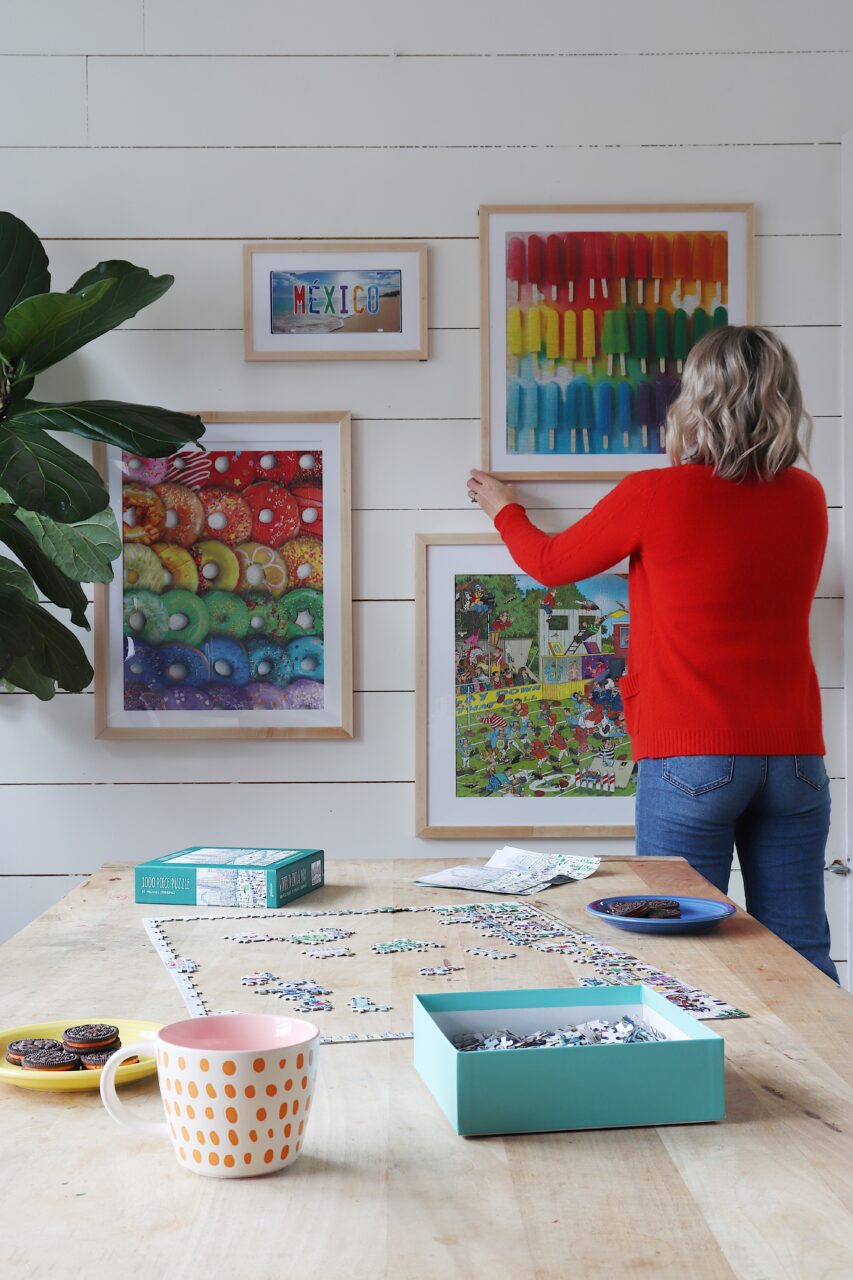
Choosing the right frame for your puzzle is key to showing it off well. A good frame protects the puzzle and makes it look great on your wall. Picking the right style, size, and material can make all the difference.
Selecting Frame Styles
Frame style sets the tone for your puzzle display. Simple frames suit colorful or detailed puzzles best. Ornate frames work well with classic or vintage puzzle images. Think about the room where you will hang the puzzle. Match the frame style to the room’s decor for a nice fit.
Sizing Your Frame
Measure your puzzle carefully before choosing a frame. The frame should fit the puzzle snugly to avoid gaps. Leave a little space if you want to add a mat around the puzzle. Check the frame’s depth too. It must hold the puzzle without pressing on it.
Material Options
Frames come in many materials like wood, metal, and plastic. Wood frames offer a warm and classic look. Metal frames give a modern and sleek feel. Plastic frames are lightweight and budget-friendly. Choose material based on style, durability, and price.
Credit: www.frameiteasy.com
Preparing Your Puzzle
Preparing your puzzle is an important step before framing. It helps keep the puzzle strong and smooth. Taking time to prepare makes the final display look neat and clean.
This process has three main parts: cleaning and flattening, applying puzzle glue, and drying techniques. Each step protects the puzzle and improves its appearance.
Cleaning And Flattening
Start by gently cleaning the puzzle surface. Use a soft cloth to remove dust and dirt. Avoid using water as it can damage the puzzle pieces. Make sure all pieces fit well together.
Next, flatten the puzzle on a hard, flat surface. Place a heavy book or board on top. Leave it for several hours to prevent bending or warping.
Applying Puzzle Glue
Choose a clear, non-yellowing puzzle glue. Apply glue evenly across the puzzle surface. Use a brush or sponge for smooth coverage. Spread glue gently to avoid moving pieces.
Cover the entire puzzle, including edges. This step holds the pieces firmly in place. It also protects the puzzle from dust and damage.
Drying Techniques
Let the glued puzzle dry in a clean, flat area. Avoid direct sunlight to prevent fading. Drying time usually takes 24 hours or more.
Place a heavy object on the puzzle while drying. This keeps the pieces flat and secure. Check the puzzle after drying for any loose spots.
Mounting The Puzzle
Mounting the puzzle is a key step in framing it. It keeps the puzzle pieces together and makes the puzzle ready for display. A well-mounted puzzle looks neat and lasts longer. This step also prevents the puzzle from falling apart over time. Let’s explore simple ways to mount your puzzle safely.
Using A Backing Board
A backing board gives strong support to the puzzle. Choose a board slightly larger than your puzzle. Foam board or cardboard works well. Place the puzzle face up on the board. Make sure the puzzle fits without gaps. The board helps keep the puzzle flat and steady.
Using a backing board also makes handling easier. You can move the puzzle without it breaking. It acts as a base for attaching adhesive or protective layers. This step is important for a clean and strong frame.
Adhesive Methods
Adhesives hold the puzzle pieces firmly in place. Puzzle glue is a popular choice. It dries clear and does not damage pieces. Spread glue evenly over the puzzle surface with a brush. Let it dry completely before framing.
Another option is adhesive sheets or sprays. These stick the puzzle to the backing board quickly. Avoid using too much glue to prevent warping. Adhesive methods keep the puzzle intact and ready for framing.
Protective Layers
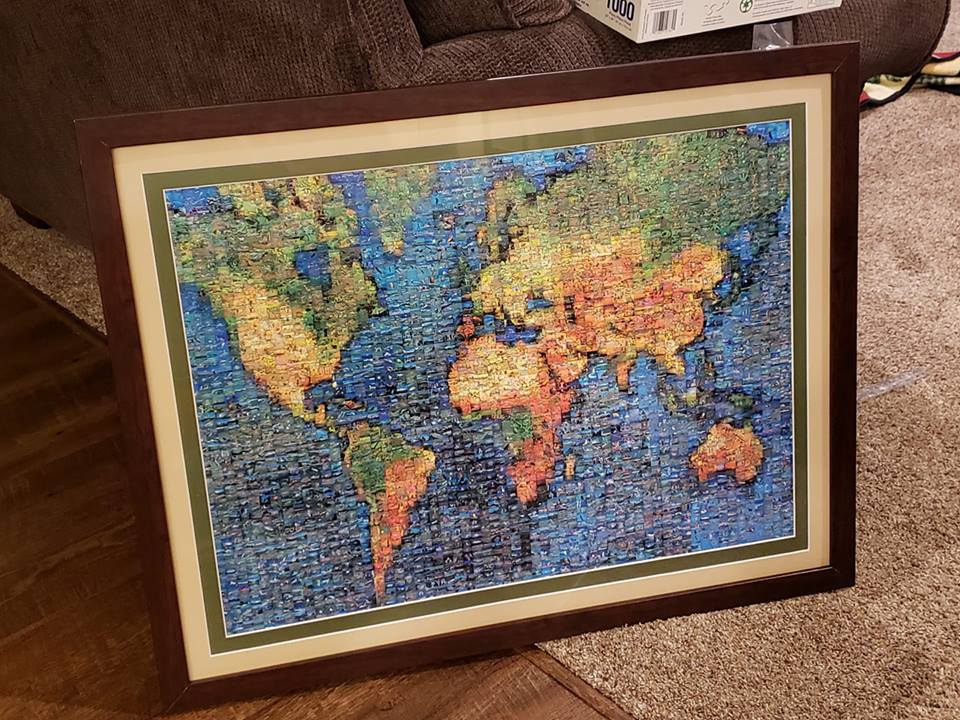
Protective layers guard the puzzle from dust and damage. Clear acrylic sheets or glass work well. Place the protective layer over the mounted puzzle. It keeps the surface clean and shiny.
Use soft cloth to clean the protective layer regularly. This step ensures your puzzle stays beautiful for years. Protective layers add a final touch of care to your framed puzzle.
Credit: www.frameiteasy.com
Assembling The Frame
Assembling the frame is a key step to preserve and display your completed puzzle. It protects the puzzle from damage and makes it easy to hang on a wall. Proper assembly ensures the puzzle stays flat and secure inside the frame.
Inserting The Puzzle
Place the puzzle carefully inside the frame. Make sure it fits snugly without bending or breaking any pieces. Check that all edges align perfectly with the frame borders. Press gently to avoid shifting the puzzle pieces.
Securing The Frame Back
Attach the backing board or panel to the frame. Use clips, tabs, or nails to hold it firmly in place. This step keeps the puzzle steady and prevents it from falling out. Double-check that the backing is even and secure.
Adding Hanging Hardware
Attach hooks or wire to the back of the frame. Choose hardware strong enough to support the frame’s weight. Position the hardware evenly to keep the frame balanced on the wall. Test by gently lifting the frame before hanging.
Displaying Your Puzzle
Displaying your finished puzzle turns your hard work into art. It lets you enjoy the picture every day. Framing a puzzle protects it and makes it look great. Choose the right place and care for it well. This keeps your puzzle safe and beautiful for a long time.
Choosing The Perfect Spot
Pick a wall or shelf that gets little direct sunlight. Sunlight can fade the colors of your puzzle. Avoid spots near heaters or vents to stop warping. A place at eye level works best for viewing. Make sure the spot is free from high humidity.
Lighting Tips
Use soft, indirect light to show off your puzzle. Bright, harsh lights create glare and shadows. Natural light is good but not too strong. LED lights work well because they don’t heat up. Position lights to highlight the puzzle without causing damage.
Maintenance And Care
Keep dust off your puzzle frame with a soft cloth. Clean the glass gently to avoid scratches. Check for loose pieces inside the frame sometimes. Avoid moving the puzzle too often to prevent damage. Store it in a dry place if you take it down.

Credit: www.levelframes.com
Frequently Asked Questions
How Do You Prepare A Puzzle For Framing?
First, complete the puzzle fully and apply puzzle glue evenly. Let it dry for 24 hours. Then, carefully mount it on a sturdy backing board before framing.
What Materials Are Needed To Frame A Puzzle?
You need puzzle glue, a backing board, a frame, and hanging hardware. Use acid-free materials to preserve the puzzle’s colors and prevent damage.
Can You Frame A Puzzle Without Glue?
Yes, but it's less secure. Use puzzle tape or a clear adhesive sheet to hold pieces together. Gluing is recommended for long-term durability.
How To Choose The Right Frame Size For Puzzles?
Measure the completed puzzle’s dimensions carefully. Select a frame slightly larger to allow for a mat border. This enhances the puzzle’s appearance and protects the edges.
Conclusion
Framing a puzzle keeps it safe and shows your hard work. Choose a frame that fits the puzzle size well. Use glue or tape to hold pieces together tightly. Make sure the frame glass is clean and clear. Hang your puzzle where light can brighten its colors.
Enjoy the beauty you created every day. Puzzles become great wall art with simple framing steps. Try framing your favorite puzzles to cherish them longer.