Have you ever finished a beautiful jigsaw puzzle and wished you could keep it forever? Gluing your puzzle is the perfect way to turn your hard work into a lasting piece of art.
But how do you glue a jigsaw puzzle without ruining it? If you want your puzzle to stay intact and look great on your wall, you need the right steps and materials. Keep reading, and you’ll discover simple tips that make gluing your puzzle easy and stress-free.
Your masterpiece deserves to be preserved—let’s make sure it is!
Choosing The Right Glue
Choosing the right glue is key to preserving your jigsaw puzzle. It holds the pieces tightly and keeps your work safe. The wrong glue can damage the puzzle or make it hard to clean. Understanding glue types and safety helps you pick the best option.
Types Of Puzzle Glue
Puzzle glue comes in different forms. Some are liquid and brush-on. Others are spray types for even coverage. Clear-drying glue is best for showing the puzzle image. Water-based glue is easy to use and clean. Solvent-based glue can be stronger but smells harsh. Choose glue designed specifically for puzzles for best results.
Glue Safety And Cleanup
Use glue in a well-ventilated area. Avoid breathing in strong fumes. Protect your workspace with newspaper or plastic. Wear old clothes or an apron to avoid stains. Clean brushes and tools with water right after use. Keep glue away from children and pets. Proper cleanup stops glue from hardening on tools.
Preparing Your Puzzle
Preparing your puzzle before gluing is important. It makes sure your work stays neat and safe. Take your time to get everything ready. This step helps keep the puzzle intact after gluing. It also makes the process smooth and easy.
Follow simple steps to prepare your puzzle well. These steps help avoid mistakes and damage. Ready your puzzle for the best gluing results.
Completing The Puzzle Surface
Finish the entire puzzle before gluing. Check for missing pieces and place them carefully. The puzzle must be fully complete and flat. Press pieces gently to fit tightly. Avoid gaps or loose parts. A solid surface helps glue hold better. Double-check edges and corners for perfect fit.
Selecting A Work Area
Pick a clean, flat surface to work on. A table or desk works best. Make sure the area is dry and free of dust. Good lighting helps you see details clearly. Keep the area free from pets and children. Avoid moving the puzzle after gluing starts. This prevents damage and keeps glue even. Use a surface you can leave undisturbed until dry.
Applying The Glue
Applying glue to a jigsaw puzzle is an important step. It holds the pieces together and protects your work. Doing it right keeps the puzzle flat and neat. Use gentle care to avoid damaging the picture. This part needs patience and the right tools.
Tools You’ll Need
- Puzzle glue or clear-drying craft glue
- Wide, flat brush or sponge applicator
- Wax paper or plastic sheet
- Rolling pin or flat board (optional)
- Paper towels for spills
Step-by-step Gluing Process
- Place the finished puzzle on a flat surface.
- Lay wax paper under the puzzle edges to protect the table.
- Dip the brush in glue, removing excess.
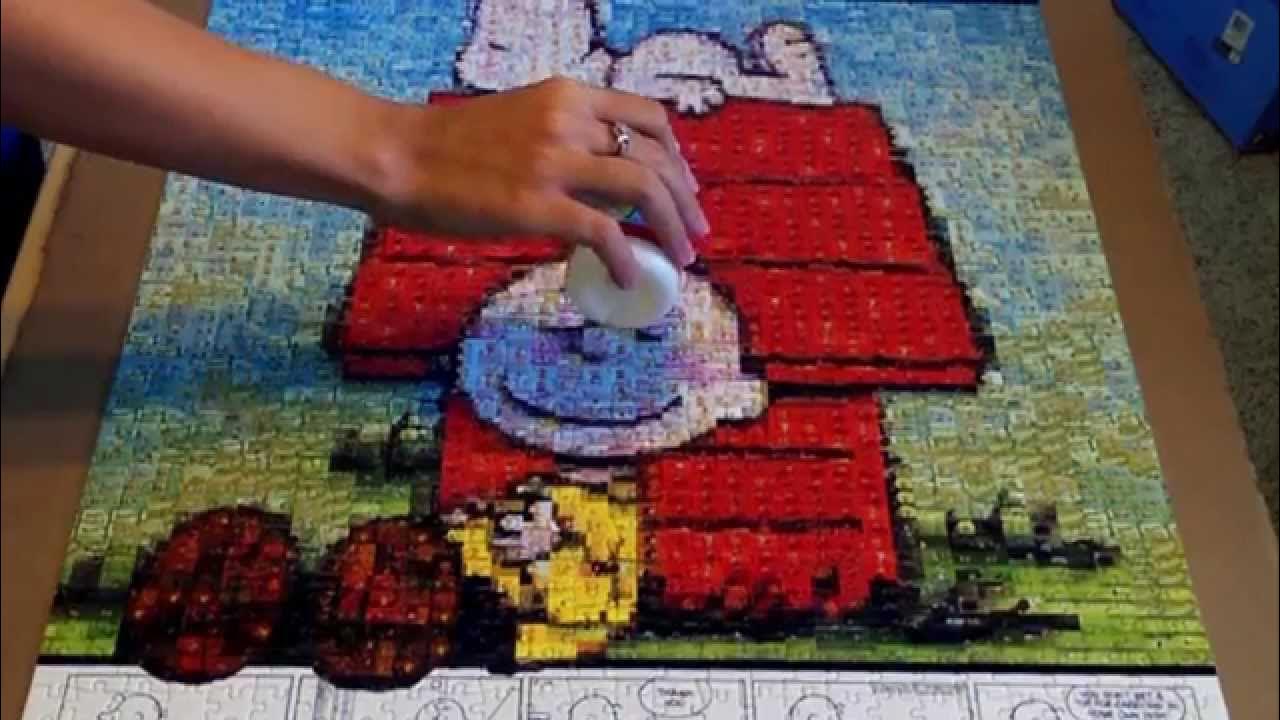
- Brush glue gently over the puzzle surface.
- Cover all pieces, including edges, with a thin glue layer.
- Let the glue soak in for a few minutes.
- Apply a second coat for extra strength.
- Place a flat board or rolling pin on top to keep it flat.
- Allow the puzzle to dry completely, usually 24 hours.
- Remove wax paper carefully once dry.

Credit: www.youtube.com
Drying And Finishing Touches
After gluing your jigsaw puzzle, the drying and finishing touches are important. This step ensures your puzzle stays together and looks great for years. Proper drying prevents pieces from shifting or warping. Finishing touches add shine and protect the surface from dust and damage.
Drying Time Tips
Let your glued puzzle dry on a flat surface. Avoid moving it during this time. Most puzzles need 24 hours to dry fully. Use a clean, dry cloth to gently remove excess glue before drying. Place a heavy book on top to keep the puzzle flat. Make sure the room is dry and well-ventilated. Avoid direct sunlight to stop colors from fading.
Adding A Protective Coating
Once dry, add a protective coating for extra durability. Use puzzle glue or clear acrylic spray for best results. Apply the coating evenly with a brush or spray. Let the first coat dry completely before applying a second. This coating seals the puzzle and adds a glossy finish. It also helps prevent dust and moisture damage. Store or display your puzzle in a safe place after coating.
Framing And Displaying
Framing and displaying your glued jigsaw puzzle turns your hard work into art. It keeps the puzzle safe and makes it easy to show off. A good frame adds style and protects the puzzle from dust and damage.
Choosing the right frame and mounting your puzzle properly helps preserve its beauty for years. It also makes your room look nice and personalized.
Choosing The Right Frame
Select a frame that fits the puzzle size exactly. A tight fit stops the puzzle from moving inside the frame. Pick a frame color that matches or complements the puzzle image. Wood frames give a classic look. Plastic frames can be lighter and less expensive. Consider the frame depth. Deep frames hold puzzles with thickness or backing. Thin frames suit flat puzzles without extra support.
Mounting Your Puzzle
Place the glued puzzle on a sturdy backing board. Foam board or cardboard works well. Use puzzle glue or adhesive spray to attach the puzzle to the board. Spread glue evenly to avoid bumps. Let the glue dry completely before framing. Use acid-free materials to prevent puzzle fading. Secure the backing board inside the frame. Add hanging hardware to display on the wall. Handle the frame gently to avoid damage.
Credit: www.youtube.com
Troubleshooting Common Issues
Gluing a jigsaw puzzle can be fun but sometimes causes small problems. These problems can spoil your finished puzzle or make it hard to glue properly. Knowing how to fix common issues helps keep your puzzle looking great. This section covers simple ways to solve common gluing problems.
Fixing Warped Pieces
Warped pieces happen if the puzzle gets wet or is pressed unevenly. To fix this, place the puzzle under a flat, heavy object. Use a thick book or a board. Leave it there for a few hours or overnight. This helps the pieces flatten out again. Avoid bending the puzzle while it dries. Use a light touch when pressing the puzzle down.
Dealing With Glue Smudges
Glue smudges can make your puzzle look messy. Quickly wipe off extra glue with a damp cloth. Be careful not to move the puzzle pieces. If the glue dries, try using a soft brush to remove the smudges. Use a cotton swab dipped in water for small spots. Work gently to avoid damaging the pieces. Let the puzzle dry completely before touching it again.

Credit: jigsawjungle.com
Frequently Asked Questions
How Do You Prepare A Puzzle For Gluing?
Clean the puzzle surface and place it on a flat board. Use puzzle tape to keep pieces intact before applying glue. Ensure all pieces fit perfectly for the best results.
What Type Of Glue Is Best For Puzzles?
Use puzzle glue or clear-drying craft glue. These glues dry fast, are non-yellowing, and keep the puzzle intact. Avoid using thick or colored adhesives.
How Do You Apply Glue To A Jigsaw Puzzle?
Apply glue evenly with a sponge or brush. Spread glue gently over the puzzle’s front surface. Let it dry completely before moving or framing.
Can You Glue A Puzzle Without Damaging It?
Yes, using the right glue and method prevents damage. Avoid excess glue and use gentle application techniques. This keeps puzzle colors vibrant and pieces secure.
Conclusion
Gluing a jigsaw puzzle keeps your hard work safe and lasting. Choose the right glue and apply it gently on the surface. Let the puzzle dry fully before moving or displaying it. This simple step helps preserve your favorite images and memories.
Enjoy your finished puzzle on walls or shelves. Take your time and follow these easy tips for best results. Puzzles become more than just a game—they become a beautiful piece of art.