Have you ever wondered how to turn your ideas into a fun, exciting board game? Making your own board game is easier than you think, and it’s a great way to bring your creativity to life.
Imagine designing a game that your friends and family can enjoy for hours. You’ll discover simple steps to create a board game from scratch. By the end, you’ll have everything you need to start building your very own game that’s unique and full of fun.
Ready to get started? Let’s dive in!
Choosing A Game Concept
Choosing a game concept is the first step in making your own board game. It sets the direction for the entire project. A clear concept helps keep the design simple and fun. This stage involves picking a theme, deciding on the style, and setting the game’s goals. Each choice shapes how players will experience the game.
Picking A Theme
The theme gives your game its personality. It tells a story or creates a world for players. Choose something you like or find interesting. Themes can be anything: fantasy, history, space, or everyday life. A strong theme makes the game more exciting and helps players connect with it.
Deciding On Game Style
Game style means how players interact with the game. It can be strategy, luck, cooperation, or competition. Think about what kind of experience you want to create. Fast-paced games are lively and quick. Strategy games need careful thinking and planning. Pick a style that fits your theme and your players’ tastes.
Setting Objectives
Objectives tell players what to do to win. Clear goals keep the game focused and fun. Decide if players race to finish first, collect points, or solve puzzles. Objectives should be easy to understand but challenging enough to keep interest. Good objectives guide players and give a sense of achievement.
Credit: www.holeinthewallgang.org
Designing Game Mechanics
Designing game mechanics is the heart of creating your own board game. It shapes how players interact with the game and each other. The mechanics decide the flow and challenge of the game. Clear and fun mechanics keep players interested and coming back for more.
Focus on simple rules that make sense. Think about how players win or lose. Good mechanics balance skill and luck. They also encourage players to think and make choices.
Creating Rules
Rules set the boundaries of your game. Write rules that are easy to understand. Use short sentences and clear words. Avoid complicated steps that confuse players. Explain what players can and cannot do. Rules should guide players without limiting fun. Test your rules with friends and adjust as needed.
Balancing Gameplay
Balance keeps the game fair and fun. Make sure no player has too much power. Check that all strategies have chances to win. Avoid rules that make the game too easy or too hard. Adjust game elements like cards or tokens to keep balance. Playtest multiple times to find the right mix.
Incorporating Player Interaction
Player interaction makes games lively and social. Add elements that encourage players to talk or trade. Create chances for teamwork or friendly competition. Interaction helps players feel more involved. Avoid rules that isolate players or slow the game. Use mechanics that bring players together in fun ways.
Prototyping Your Game
Prototyping your game is a key step in creating a board game. It helps you see how your ideas work in real life. You can find problems early and fix them before making the final version. A simple prototype lets you test your rules and game flow. It also shows if players enjoy the game or find it confusing. Start small and keep improving your design with each test.
Gathering Materials
Start by collecting basic materials. Use paper, cardboard, and markers for cards and boards. Coins, buttons, or small objects can serve as tokens. Scissors and glue will help you cut and stick parts together. Keep materials cheap and easy to change. This saves time and money during early tests.
Building A Simple Prototype
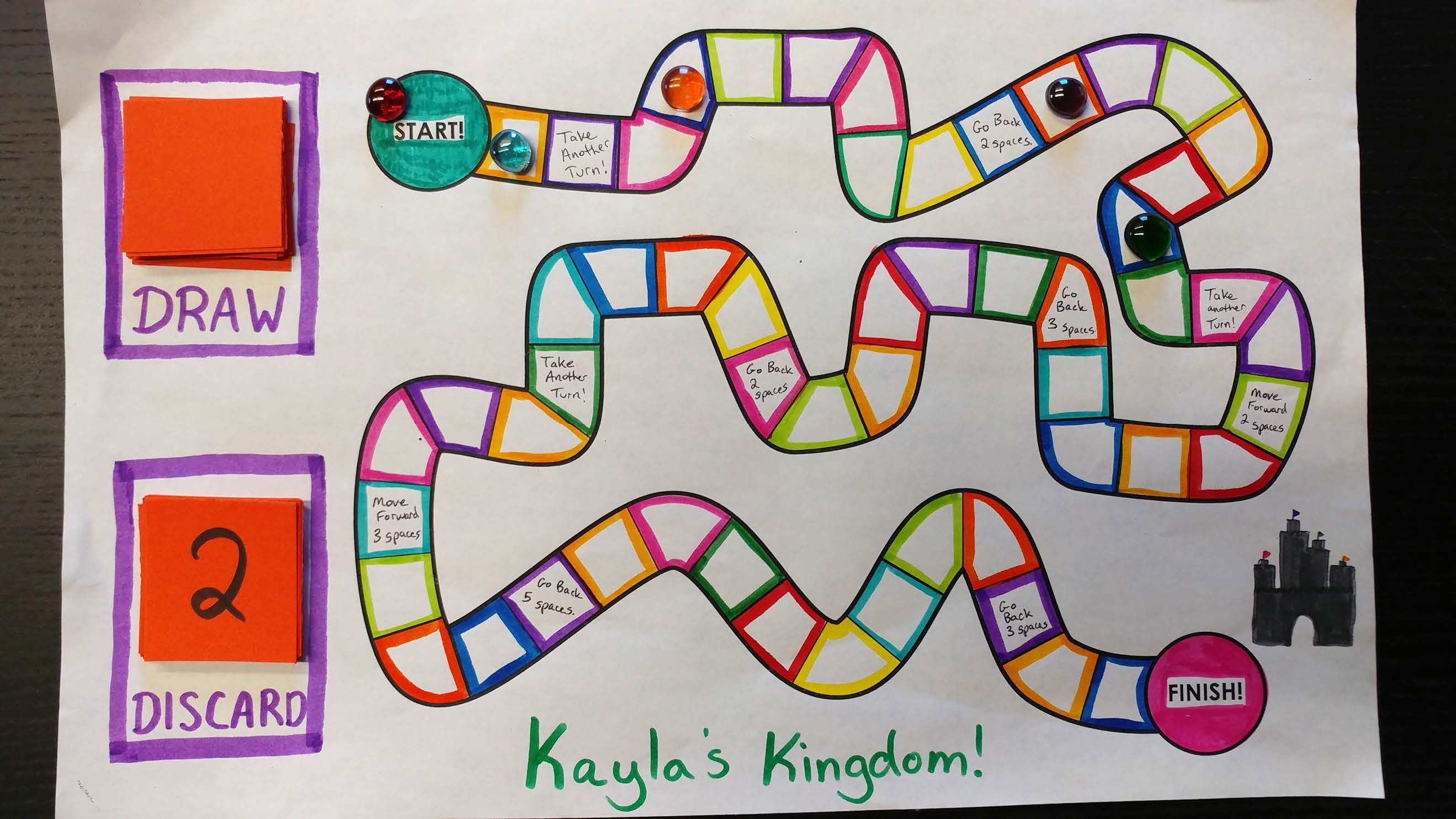
Create a rough version of your game with the materials. Draw the board and cards by hand. Write clear, simple rules on a sheet of paper. Use placeholders for pieces you plan to design later. The goal is to make the game playable, not perfect. Focus on how players move and interact.
Testing Initial Versions
Play your game with friends or family. Watch how players use the rules and pieces. Take notes on any confusion or slow moments. Ask players what they like and dislike. Use their feedback to change your game. Repeat testing to improve rules and gameplay. Each test brings you closer to a fun game.
Credit: www.apostrophegames.com
Playtesting And Refining
Playtesting and refining are crucial steps in making your own board game. These steps help you find out what works and what does not. You test your game by playing it with others. This process shows the fun parts and the boring parts. It also reveals any confusing rules or game pieces. Careful playtesting leads to a better, smoother game experience.
Collecting Feedback
Ask players for honest opinions after each game session. Listen to what they liked and what they found difficult. Write down all feedback to compare later. Look for common issues that many players mention. Use simple questions to get clear answers. Feedback guides you on what to change first.
Adjusting Rules And Components
Change rules that players find unclear or unfair. Simplify complex steps to keep the game moving. Fix components that cause confusion or slow the game. Swap out game pieces if they are hard to use or understand. Keep adjusting until the game feels balanced and fun. Small tweaks can improve the whole experience.
Improving Game Flow
Make sure turns move quickly and smoothly. Remove any delays or long waiting times. Arrange rules so players understand their choices fast. Test different turn orders or action sequences. A good flow keeps players interested and engaged. Play again and again to perfect the rhythm of your game.
Designing Visual Elements
Designing the visual elements of your board game brings your idea to life. It helps players connect with the game and understand how to play. Good visuals make the game fun and inviting. Focus on clear and simple designs. Keep the style consistent across all parts.
Visual design includes the board, cards, colors, fonts, and packaging. Each piece tells part of your game’s story. Thoughtful design improves the player’s experience. Here is how to create these important elements.
Creating Board And Cards
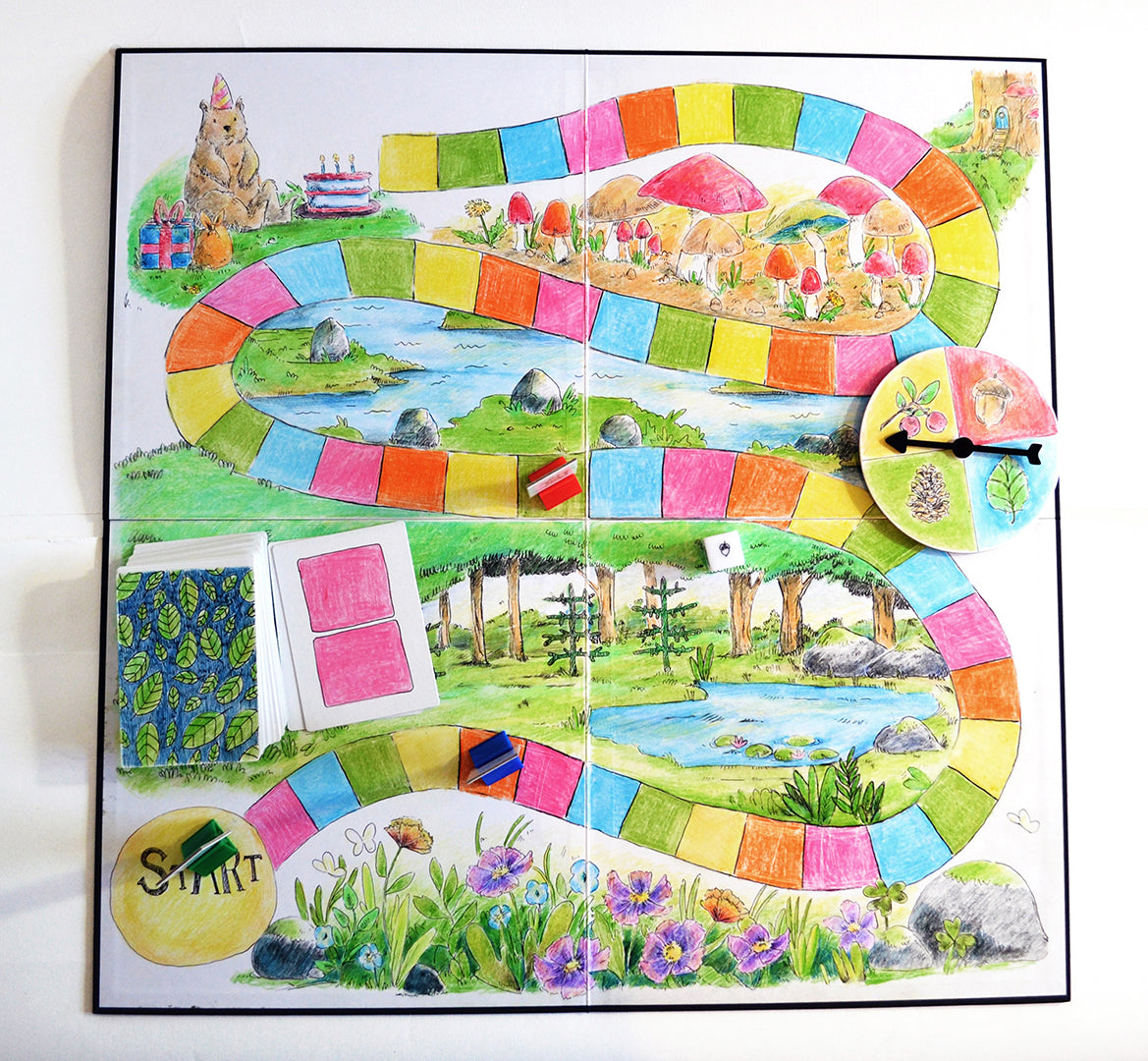
Start with a sketch of your board layout. Use shapes that guide players easily. Add spaces or zones where players can move or act. Make sure icons or symbols are easy to recognize. For cards, design a clear front and back. Use simple images or symbols for quick understanding. Keep text short and readable.
Choosing Colors And Fonts
Pick colors that fit your game’s theme. Use bright colors for excitement or soft tones for calm. Limit your palette to three or four main colors. This keeps the design clean and less confusing. Choose fonts that are easy to read. Avoid fancy or hard-to-read typefaces. Make sure the font size is large enough for all players.
Designing Packaging
Your packaging is the first thing players see. Create a box design that shows the game’s theme clearly. Use bold images and clear titles on the box. Include a short description or tagline that explains the game. Make sure the box size fits all components inside. Use sturdy material to protect your game during shipping.
Manufacturing Your Game
Manufacturing your board game is a key step in turning your idea into a real product. It involves finding the right company, knowing how much it will cost, and testing the game before a full run. This process can seem hard, but breaking it down makes it easier.
Finding A Manufacturer
Start by searching for board game manufacturers online. Many companies specialize in games and offer different services. Check their reviews and samples to see their quality. Choose one that fits your budget and needs. Ask about their minimum order quantity and production time.
Estimating Costs
Costs depend on the number of pieces, materials, and print quality. Request detailed quotes from several manufacturers. Include packaging and shipping fees in your estimate. Don’t forget to add taxes and customs charges if needed. Budget carefully to avoid surprises later.
Ordering A Sample Run
Order a small batch before the full production. This sample helps you check the quality and design. Playtest the game with friends or family to find any issues. Use their feedback to improve the game. Once satisfied, you can place a larger order with confidence.
Marketing And Selling
Marketing and selling your own board game takes effort and planning. It is not just about making the game. You must tell people about it and find ways to sell it. Many small steps help you reach players and customers. Building interest and trust is key. You want people to feel excited and confident about your game.
Building An Audience
Start by sharing your game idea with friends and family. Use social media to show your progress. Post pictures and videos of your game in action. Join online groups where board game lovers chat. Offer sneak peeks and ask for feedback. This creates interest and keeps people coming back. A small group of fans can become your first customers.
Launching A Crowdfunding Campaign
Crowdfunding sites help you raise money and spread the word. Prepare clear descriptions and good images of your game. Set realistic goals and offer rewards for backers. Share your campaign with your audience and ask them to share it too. Keep your backers updated with news and progress. This builds trust and keeps support strong throughout the campaign.
Distributing Your Game
After production, find ways to get your game to players. Sell your game on your website and popular online stores. Contact local game shops and ask if they will stock your game. Attend game fairs and conventions to show your game in person. Packaging and pricing should be attractive and fair. Good distribution makes your game easy to find and buy.

Credit: www.canva.com
Frequently Asked Questions
How Do You Start Designing A Board Game?
Begin by choosing a game theme and objective. Sketch the board layout and decide player roles. Focus on simple rules first, then test and refine your design for fun and balance.
What Materials Do I Need To Make A Board Game?
You need cardstock or cardboard for the board, markers or printed graphics, game pieces like tokens or dice, and paper for cards. Basic craft supplies help create a professional look.
How Can I Test My Homemade Board Game Effectively?
Play with friends or family to gather feedback. Observe if rules are clear and gameplay is engaging. Adjust mechanics based on player reactions to improve balance and fun.
What Are Common Mistakes To Avoid When Making A Board Game?
Avoid overly complex rules and unclear instructions. Don’t ignore player feedback. Ensure game length suits your target audience and balance player advantages to keep the game fair.
Conclusion
Making your own board game is fun and rewarding. Start with a simple idea and build from there. Test your game often to find what works best. Share it with friends and family for feedback. Creativity and patience will guide you through the process.
Every step teaches you something new. Keep trying and enjoy the journey of creating something unique. Your board game can bring joy and hours of fun. Why not begin today?