Have you ever wondered how a simple toy rattle can do more than just make noise? It’s not just a fun plaything for your little one—it’s a powerful tool that supports your child’s growth in surprising ways.
When your baby shakes a rattle, they’re not just playing; they’re building important skills that will shape their future. You’ll discover exactly how a toy rattle helps your child’s development and why it’s a must-have for every stage of early learning.
Keep reading to unlock the secrets behind this tiny, colorful toy and how it can boost your child’s brain, senses, and motor skills.
Role In Sensory Development
Toy rattles play a key role in a child's sensory development. They help babies learn about sounds, touch, and sight.
By using a rattle, children explore the world around them through their senses. This helps build important brain connections early on.
Stimulating Auditory Senses
Rattles make sounds that attract a baby’s attention. These noises help babies understand cause and effect. When they shake the rattle, they hear the noise they made.
Listening to different sounds also helps babies develop their hearing and focus skills. They begin to recognize and respond to various noises.
Enhancing Tactile Awareness
Holding and shaking a rattle helps babies feel different textures and shapes. This touch experience improves their sense of touch and hand-eye coordination.
- Soft or hard materials
- Smooth or bumpy surfaces
- Lightweight or heavy rattles
- Different shapes and sizes
Visual Tracking And Focus
Bright colors and moving rattles help babies focus their eyes. They learn to follow the rattle’s movement with their eyes.
| Visual Skill | How Rattles Help |
|---|---|
| Color Recognition | Colorful rattles attract attention |
| Eye Movement | Following rattle motion strengthens tracking |
| Focus | Encourages steady gaze |

Boosting Motor Skills
A toy rattle helps babies develop their motor skills. It encourages movement and muscle use.
By playing with a rattle, children learn to control their hands and fingers better.
Encouraging Hand-eye Coordination
Holding and shaking a rattle helps babies link what they see to their hand movements. This builds hand-eye coordination.
They learn to watch the rattle and move their hands to catch or shake it.
- Focus on the rattle’s movement
- Reach toward the rattle
- Grab and shake it
Promoting Fine Motor Control
Playing with a rattle strengthens small muscles in the fingers and hands. This is fine motor control.
Babies learn to hold the rattle tightly and move it with control.
- Grasp the rattle firmly
- Shake with different speeds
- Use fingers to explore texture
Supporting Grasping And Reaching
The rattle encourages babies to reach out and grasp objects. This builds strength and coordination.
Repeated reaching helps babies practice moving their arms and hands accurately.
- Extend arm toward the rattle
- Open hand to grab it
- Hold and move the toy
Cognitive Growth
A toy rattle helps a child's brain grow by teaching new skills. It supports thinking and learning in fun ways.
Playing with a rattle builds important mental skills. It encourages babies to explore and understand the world.
Cause And Effect Learning
When babies shake a rattle, they hear a sound. This shows them their actions cause results. It helps them learn cause and effect.
- Shaking makes noise
- Noise grabs attention
- Repeating action repeats sound
- Understanding this links action to result
Problem-solving Opportunities
Rattles invite babies to figure out how to hold and shake them. This builds early problem-solving skills.
| Challenge | What Baby Learns |
| Grabbing the rattle | Hand-eye coordination |
| Shaking to make sound | Cause and effect |
| Moving rattle to different sides | Spatial awareness |
Encouraging Curiosity And Exploration
Bright colors and sounds invite babies to explore the rattle. This sparks curiosity and learning.
Babies explore the rattle by:
- Touching different textures
- Looking at colors and shapes
- Listening to sounds from shaking
- Trying new ways to play with it
Emotional And Social Benefits
Toy rattles do more than make noise. They help children grow emotionally and socially.
These simple toys support babies in feeling calm and connecting with others.
Comfort And Soothing Effects
Rattles can comfort babies when they feel upset or anxious. The sound soothes their nerves.
Holding a rattle can help a child feel safe and calm during stressful moments.
Facilitating Interaction And Bonding
Rattles invite caregivers and babies to play together. This play builds strong bonds.
When adults shake the rattle, babies learn to watch and respond, improving social skills.
- Caregivers use rattles to get babies’ attention
- Babies smile and laugh during rattle play
- Shared play encourages eye contact and talking
Building Confidence Through Play
Playing with a rattle helps babies feel proud when they make sounds.
This success builds their confidence and encourages more exploration and learning.
- Babies learn they can cause sounds
- They enjoy making choices in play
- Confidence grows as they master rattle use
Choosing The Right Rattle
Choosing the right toy rattle helps a child’s growth and keeps them safe. A good rattle supports learning and fun.
Parents should think about safety, materials, and age when picking a rattle for their child.
Safety Considerations
Safety is the most important factor when choosing a rattle. It must not have small parts that can break off.
Check for smooth edges and non-toxic materials to avoid harm. The rattle should be easy to clean.
- No sharp edges or small detachable pieces
- Made from BPA-free and non-toxic materials
- Durable and easy to wash
Material And Design Options
Rattles come in different materials like plastic, wood, and fabric. Choose one that feels good and is safe.
Simple designs with bright colors and easy-to-hold shapes help babies explore and learn.
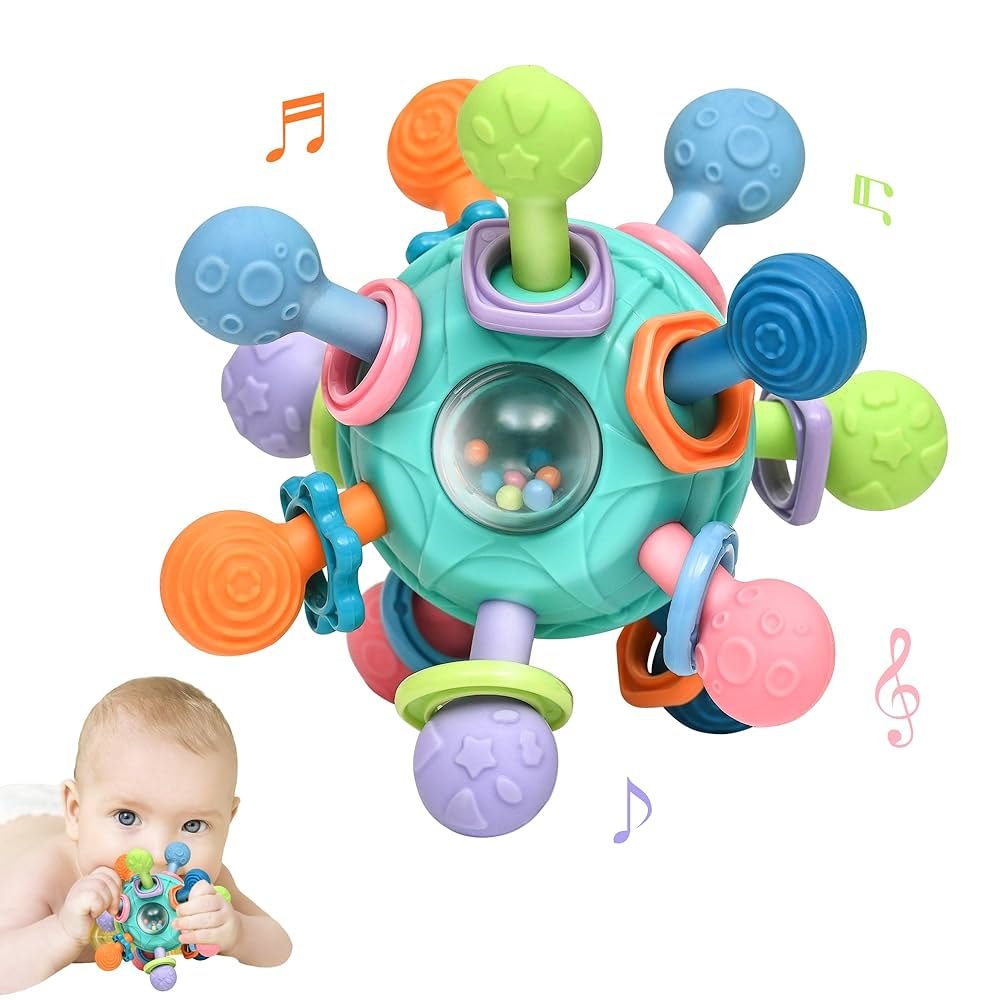
- Plastic rattles are lightweight and colorful
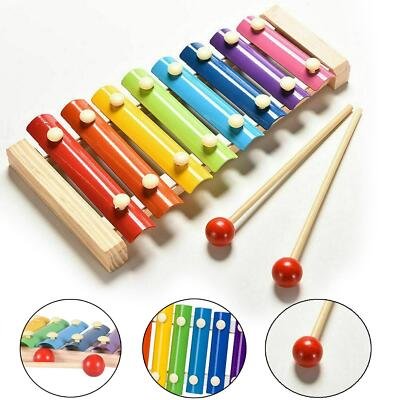
- Wooden rattles offer natural texture and durability
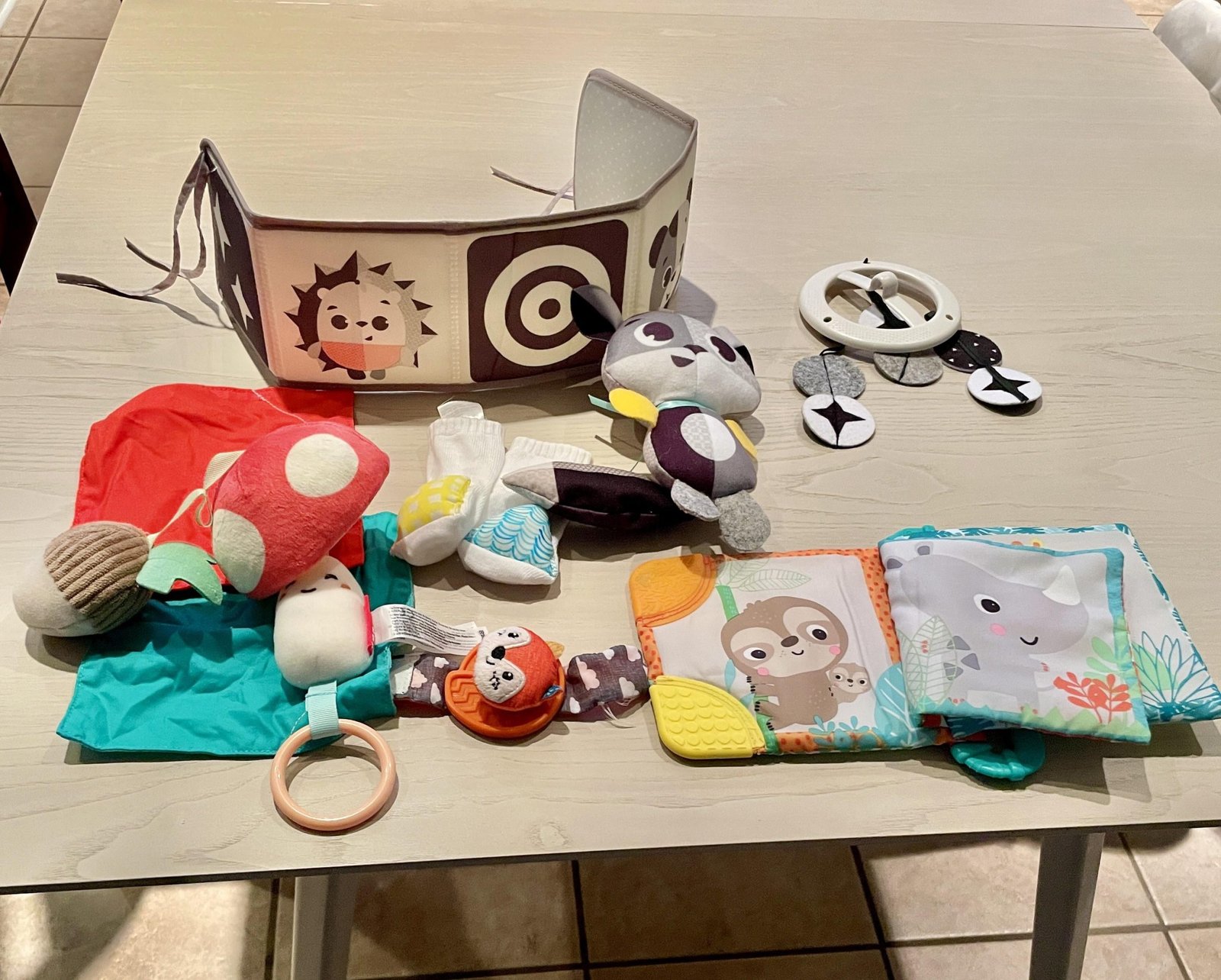
- Fabric rattles are soft and gentle for babies
- Choose designs with easy grips and clear sounds
Age-appropriate Features
Rattles should match the child’s age and skill level. Young babies need simple and safe toys.
Older babies may enjoy rattles with more textures, sounds, or parts to explore.
- For newborns: lightweight, simple shapes, no small parts
- For 3-6 months: rattles with different textures and sounds
- For 6 months and older: interactive rattles with parts to touch and move


Frequently Asked Questions
How Does A Toy Rattle Improve A Baby’s Motor Skills?
A toy rattle encourages babies to grasp, shake, and hold. These actions enhance hand-eye coordination and fine motor development early on.
Why Is Auditory Stimulation Important In Toy Rattles?
Auditory sounds from rattles stimulate a baby’s hearing. This boosts sensory development and helps babies recognize different noises and rhythms.
Can A Toy Rattle Support Cognitive Development?
Yes, toy rattles promote cognitive skills by encouraging cause-and-effect learning. Babies learn that shaking produces sound, which builds early problem-solving abilities.
How Do Toy Rattles Aid Social And Emotional Growth?
Toy rattles invite interaction between babies and caregivers. This shared play strengthens bonding and helps babies develop emotional security and social skills.
Conclusion
A toy rattle plays a key role in a child’s growth. It helps develop hearing and hand skills. Babies learn cause and effect by shaking it. The sounds keep their attention and boost focus. Rattles also encourage movement and coordination.
Simple toys can support big learning steps. Choosing the right rattle makes playtime both fun and helpful. Small moments with a rattle build strong brain connections. Every shake brings new chances to explore and learn.