Have you ever wondered what makes a wind-up toy spring to life with just a simple twist? You hold it in your hand, turn the key, and suddenly, it moves on its own—almost like magic.
But there’s a clever mechanism behind this fun trick, and understanding it can change the way you see these charming little toys. You’ll discover exactly how a wind-up toy works, breaking down the mystery into simple steps. By the end, you’ll not only appreciate the toy more but also impress your friends with your newfound knowledge.
Ready to unlock the secret? Let’s dive in!
Basic Components
Wind up toys fascinate many with their simple yet clever design. Their magic lies in a few basic parts working together. Each part plays a clear role. Understanding these parts reveals how the toy moves after winding it up.
These components include a power source, a system to transfer energy, and a control part. Let’s explore these parts one by one.
The Mainspring
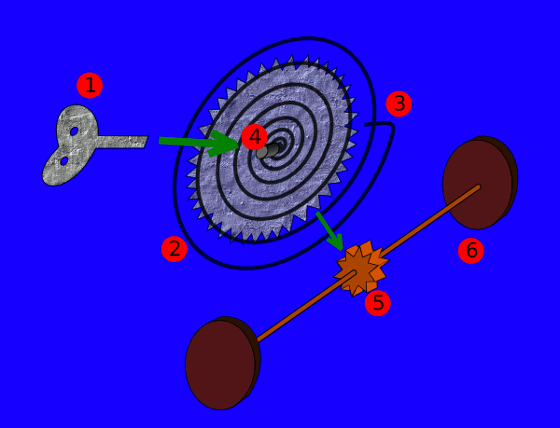
The mainspring stores energy in a wind up toy. It is a flat metal coil inside the toy. When you turn the key, the spring tightens. This action stores potential energy. As the spring unwinds, it releases energy. This energy powers the toy’s movement. The tighter the spring, the longer the toy moves.
Gears And Wheels
Gears and wheels transfer energy from the mainspring. They are small toothed wheels that fit together. When the spring unwinds, it turns the first gear. This gear moves others in a chain reaction. The gears control speed and direction. They make the toy’s parts move smoothly and correctly. Without gears, the toy would not move as planned.
The Escapement Mechanism
The escapement controls the toy’s speed and movement. It lets the gears move step by step. This part stops the gears from spinning too fast. It releases the energy slowly and evenly. This creates a steady, controlled motion. The escapement ensures the toy moves realistically and lasts longer.
Energy Storage And Release
Wind up toys work by storing energy inside them and then releasing it to create movement. This process makes the toy move without batteries or electricity. The key is in how the energy is kept and set free.
Winding The Toy
The toy has a spring inside it. When you turn the key or knob, the spring gets tighter. This action stores energy in the spring. The more you wind, the more energy is saved.
Converting Stored Energy To Motion
After winding, the spring slowly unwinds. This releases the stored energy step by step. The spring’s energy moves gears inside the toy. These gears make the toy’s parts move, such as wheels or arms. This is how the stored energy turns into motion.
Role Of Gears
Gears are the heart of a wind-up toy. They control how the toy moves and how fast it goes. Gears work together to change the energy stored in the spring into motion. Without gears, the toy would not function properly.
These small wheels with teeth fit into each other. When one gear turns, it makes the next gear turn too. This chain of gears controls the toy’s movement in a smooth way.
Gear Ratios And Speed Control
Gear ratios decide how fast or slow the toy moves. A gear ratio is the size difference between two gears that work together. If a small gear turns a bigger gear, the bigger gear moves slower but with more power.
This helps the toy run longer and not stop quickly. The right gear ratio balances speed and strength. It makes sure the toy can move smoothly and for enough time after winding.
Direction Of Movement
Gears also decide which way the toy moves. When one gear turns clockwise, the next gear turns counterclockwise. This changes the direction of parts inside the toy.
This gear arrangement helps parts like wheels or arms move in the correct direction. It makes the toy walk, spin, or wave properly. Gears guide the movement to create fun actions.

Credit: www.youtube.com
Escapement And Regulation
The escapement and regulation are key parts of a wind-up toy. They control how the stored energy moves. Without them, the toy would either stop or move too fast. These parts help the toy run smoothly and for a longer time.
Controlling Energy Flow
The escapement controls how energy leaves the spring. It releases energy in small, regular amounts. This prevents the toy from moving too fast or too slow. The escapement works like a gatekeeper. It lets the energy out step by step.
Each release of energy powers a small part of the toy. This keeps the toy moving steadily. Without this control, the toy would quickly use all its energy. The escapement makes the toy's movement last longer and look natural.
Maintaining Smooth Operation
The regulation system keeps the toy’s movement steady. It stops sudden bursts or pauses in motion. This helps the toy move smoothly from start to finish. The regulation balances the energy flow from the escapement.
It also prevents wear and tear on the toy’s parts. A smooth operation means the toy works better and lasts longer. The regulation is like a traffic controller for the toy’s energy. It ensures every part moves in harmony.
Materials And Design
The materials and design of a wind-up toy are key to how it works. Both affect the toy’s movement, durability, and overall fun. Understanding these elements helps us see why some toys move smoothly, while others might stop quickly.
Materials must be strong but light. Design must be simple but clever. Together, they create a toy that can run just by winding it up.
Common Materials Used
Most wind-up toys use metal and plastic parts. Metal gears and springs store energy well. They help the toy move for longer time.
Plastic is light and easy to shape. It forms the body and wheels. Plastic also keeps the toy from being too heavy.
Some older toys use wood. Wood is less common now due to weight and fragility. But it adds a classic feel to the toy.
Impact Of Design On Functionality
Design controls how energy moves inside the toy. A well-made gear system transfers energy smoothly.
Simple designs reduce friction and wear. This means the toy runs longer and lasts more.
The shape of the toy affects balance and speed. A balanced toy moves straight and steady. Poor design can cause the toy to wobble or stop early.
Small changes in design can make a big difference in playtime and enjoyment.
Variations In Wind-up Toys
Wind-up toys come in many shapes and sizes. Their mechanics can range from very simple to quite complex. These variations affect how the toys move and what actions they perform. Understanding these differences helps us appreciate the creativity behind each toy.
Simple Vs Complex Mechanisms
Simple wind-up toys have fewer parts. They usually move in one direction or perform a single action, like walking or spinning. These toys use a basic spring and gear system. The spring stores energy when wound, which slowly releases to power the toy’s movement.
Complex wind-up toys contain many gears and parts. They can perform multiple actions, such as moving limbs, making sounds, or even driving small vehicles. These toys use intricate gear trains to control different movements. The energy from the spring is divided among several parts, allowing more detailed motion.
Examples Of Popular Wind-up Toys
Classic examples include wind-up cars and walking animals. Simple toys like a wind-up bird flap their wings as they move. More complex toys, such as mechanical robots, perform several movements like walking and waving arms.
Another popular example is the wind-up music box. It combines movement with sound, using a drum and pins to play melodies. These toys show how wind-up mechanisms can bring joy in many forms.
Maintenance Tips
Taking good care of your wind-up toy keeps it working well. Simple maintenance helps it last longer and stay fun. Regular checks prevent problems before they start.
Winding Best Practices
Wind the toy slowly and gently. Fast winding can break the spring inside. Stop winding when you feel resistance. Overwinding can cause damage and stop the toy.
Always use the key or knob made for the toy. Twisting other parts might break the mechanism. Store the toy in a safe place to avoid dust and dirt.
Lubrication And Care
Keep the moving parts smooth with light oil. Use a small drop on the gears and springs. Too much oil can attract dust and clog the parts.
Clean the toy with a soft cloth. Avoid water or harsh chemicals that can harm it. Check the toy regularly for loose or broken parts. Fix issues early to avoid bigger problems.

Credit: www.explainthatstuff.com
Credit: re.trotoys.com
Frequently Asked Questions
How Does The Spring Mechanism In Wind-up Toys Work?
The spring stores mechanical energy when wound. It releases this energy slowly to power the toy’s movement, driving gears and wheels.
What Powers A Wind-up Toy’s Motion?
A tightly coiled metal spring powers the toy. When released, the spring’s unwinding motion generates force to move the toy.
Why Do Wind-up Toys Stop Moving Eventually?
The spring’s stored energy runs out after unwinding. Without rewinding, the toy lacks power to continue moving.
How Are Gears Used In Wind-up Toys?
Gears transfer energy from the spring to the toy’s wheels or parts. They control speed and direction of movement.
Conclusion
Wind up toys work by storing energy in a spring. You twist the key or knob to tighten the spring. When released, the spring unwinds, moving gears inside. These gears make the toy move or perform actions. This simple design has entertained children for years.
Understanding this helps appreciate how toys use basic physics. Next time you see a wind up toy, watch closely. Notice the small parts working together smoothly. It shows clever engineering in a small package. Simple, fun, and full of learning.