You love giving your little one a fun bath time, but have you ever thought about what’s hiding inside those bath toys? Over time, mold and bacteria can build up, turning those cute toys into a health risk.
Cleaning bath toys might seem tricky, but it doesn’t have to be. You’ll discover simple and effective ways to keep your child’s toys safe and clean. Ready to protect your family and make bath time worry-free? Let’s dive in!
Why Clean Bath Toys
Bath toys make bath time fun for children. They help kids enjoy water and play safely. But these toys can collect dirt and germs. Cleaning bath toys keeps them safe and healthy for your child. It also stops bad smells and mold from growing. Regular cleaning helps protect your family from illness.
Risks Of Dirty Toys
Dirty bath toys can cause many problems. Bacteria and mold grow inside toys with water. These germs can cause skin rashes and infections. Some toys have small holes where water stays trapped. This wet space is perfect for germs to multiply. Children may put toys in their mouths, spreading germs easily. Dirty toys increase the risk of illness and discomfort.
Common Germs Found
Many types of germs live in unclean bath toys. Mold and mildew often grow inside soft, squishy toys. Bacteria like E. coli and Salmonella can also be present. These germs cause stomach pain, diarrhea, and other infections. Pseudomonas aeruginosa is another common germ in wet toys. It can lead to skin and ear infections. Cleaning removes these harmful germs and keeps toys safe to use.
When To Clean Bath Toys
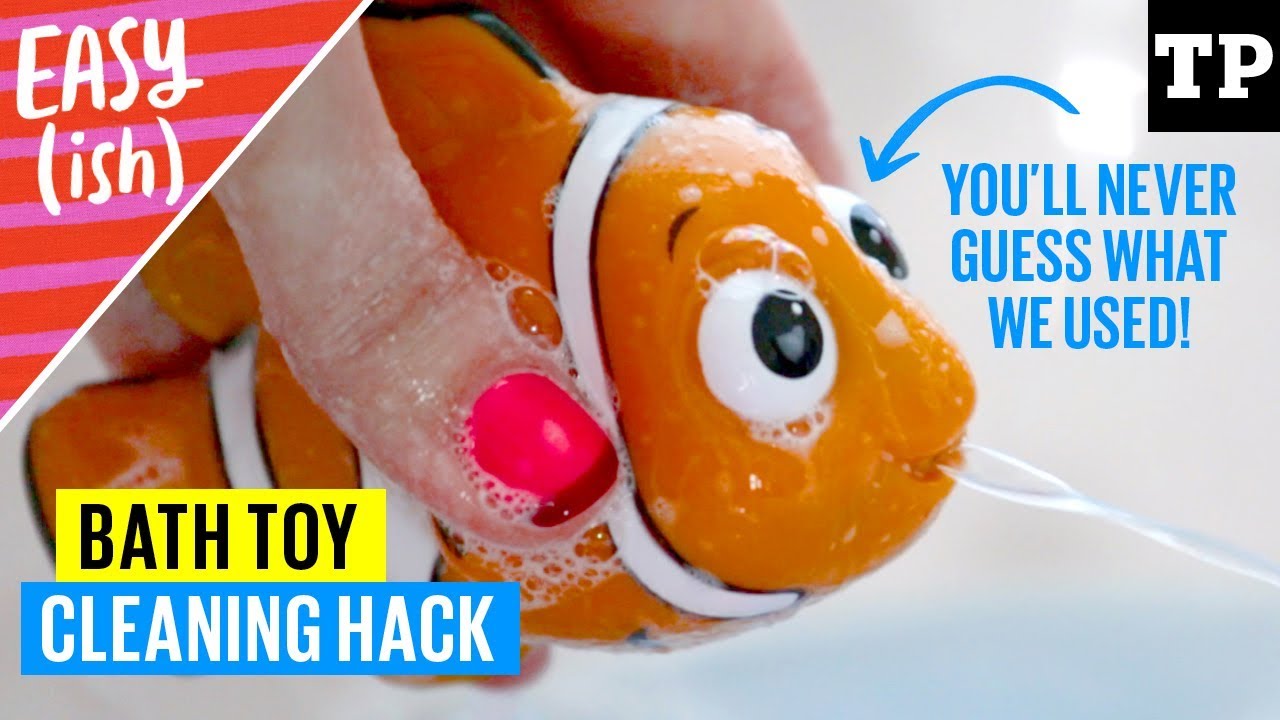
Bath toys bring joy to children during bath time. Keeping these toys clean is important for health. Dirty toys can grow mold and bacteria. Knowing when to clean bath toys helps keep your child safe. It also makes bath time fun and worry-free.
Cleaning Frequency
Clean bath toys at least once a week. Toys that stay wet longer need more cleaning. After each use, squeeze out water inside the toys. Let them dry completely. This prevents mold growth. For toys used daily, clean more often to avoid germs.
Signs Toys Need Cleaning
Look for signs of dirt or mold on toys. A bad smell means bacteria may be growing. Sticky or slimy surfaces also show toys need cleaning. If toys change color or feel rough, clean them right away. Check inside toys for trapped water or dirt. These signs mean it is time to clean.
Simple Cleaning Methods
Cleaning bath toys is easy with simple methods. These techniques keep toys safe and free from germs. Use common household items to clean bath toys quickly. Regular cleaning stops mold and bacteria growth. Here are three simple ways to clean bath toys effectively.
Soap And Water Wash
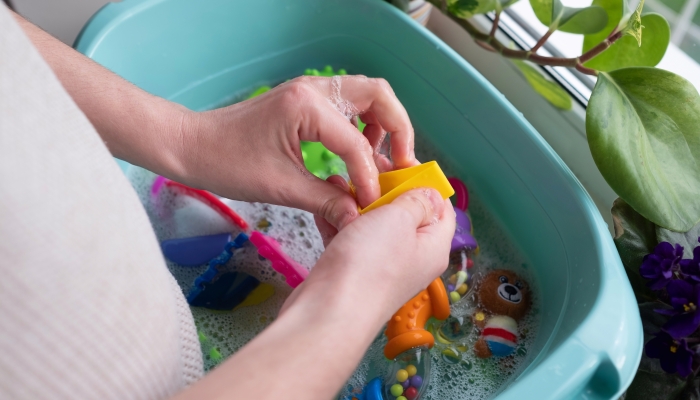
Fill a basin with warm water and mild soap. Use a soft cloth or sponge to scrub each toy. Pay attention to small holes and crevices. Rinse toys thoroughly with clean water. Let them air dry completely before the next bath. This method is quick and works well for daily cleaning.
Vinegar Soak
Mix equal parts of white vinegar and water in a bowl. Soak the bath toys in the solution for 30 minutes. Vinegar kills bacteria and removes mold safely. After soaking, rinse toys with warm water. Dry them in the sun or on a clean towel. This natural method is great for deep cleaning.
Dishwasher Use
Place bath toys on the top rack of the dishwasher. Run a normal cycle using a gentle detergent. The dishwasher’s heat and water clean and sanitize toys. Avoid toys with electronic parts when using this method. Let toys dry fully before storing or using again. This method saves time and cleans many toys at once.
Deep Cleaning Techniques
Deep cleaning bath toys removes dirt, germs, and mold. It keeps toys safe for children. Regular cleaning stops bacteria growth inside the toys. Deep cleaning uses strong but safe methods. These methods reach inside the toys where germs hide. Choose the right technique based on the toy material and condition.
Bleach Solution Method
Mix one tablespoon of bleach with one gallon of water. Soak toys in this solution for five minutes. Use a brush to scrub any visible dirt. Rinse toys thoroughly with clean water. Let them air dry completely before use. This method kills most germs and mold inside toys.
Baking Soda Scrub
Make a paste with baking soda and water. Apply the paste on toys and scrub gently. Focus on small holes and seams where dirt collects. Rinse toys well under running water. Baking soda removes stains and neutralizes odors. This method is gentle and safe for many toys.
Boiling Water Sanitization
Boil a pot of water and remove from heat. Submerge toys in hot water for three to five minutes. Avoid toys with electronic parts or delicate materials. Take toys out carefully using tongs. Let them dry fully on a clean towel. Boiling water kills bacteria and softens grime inside toys.
Drying And Storing Toys
Cleaning bath toys is only part of the process. Drying and storing them properly keeps toys safe and mold-free. Wet toys can quickly grow mold, which is unhealthy for kids. Proper drying stops this problem early. Good storage keeps toys clean and ready for the next bath.
Proper Drying Tips
After washing, squeeze out all water from toys. Open any holes or openings to let air inside. Place toys on a clean towel in a dry area. Avoid leaving toys in a damp bathroom. Sunlight helps dry toys faster and kills germs. Turn toys regularly to dry every side. Use a fan for extra air flow if needed. Never store toys until they are completely dry.
Storage Ideas To Prevent Mold
Choose a dry container with holes for air flow. Mesh bags work well for storing bath toys. Keep the container outside the bathroom if possible. Use a basket that allows water to drain. Avoid airtight boxes that trap moisture. Store toys in a place with good ventilation. Clean the storage container often to prevent mold. Check toys regularly and dry them again if damp.

Preventing Germ Build-up
Bath toys can harbor germs if not cleaned well. Germ build-up can cause illness and skin problems. Preventing this build-up keeps your child safe and healthy. Simple steps help stop germs from growing inside toys.
Choosing Safe Toys
Pick toys made from non-toxic, mold-resistant materials. Avoid toys with small holes where water can get trapped. Solid plastic toys are easier to clean. Check for labels that say "BPA-free" and "phthalate-free."
Choose toys that can be taken apart for better cleaning. Soft toys with fabric may hold moisture and germs. Consider replacing old or damaged toys often.
Regular Maintenance Habits
Rinse bath toys thoroughly after each use. Squeeze out water from inside the toys. Dry toys completely before storing them away.
Clean toys weekly with warm soapy water or vinegar solution. Use a brush to scrub any dirt or slime. Let toys air dry in a sunny place to kill germs.
Throw away toys that show mold or cracks. Regular cleaning stops germs from growing fast. Consistent care means safer bath time every day.
Frequently Asked Questions
How Often Should I Clean Bath Toys?
Clean bath toys at least once a week. Regular cleaning prevents mold and bacteria buildup, keeping toys safe for children.
What’s The Best Way To Disinfect Bath Toys?
Use a vinegar and water solution or a mild bleach mix. Soak toys for 10 minutes, then rinse thoroughly to disinfect.
Can I Clean Bath Toys In The Dishwasher?
Yes, if the toys are dishwasher-safe. Place them on the top rack and use a gentle cycle for cleaning.
How Do I Remove Mold From Inside Bath Toys?
Use a pipe cleaner and soak toys in vinegar or bleach solution. Rinse well to remove mold and prevent health risks.
Conclusion
Cleaning bath toys keeps them safe and fun for children. Regular washing stops mold and germs from growing. Use mild soap and warm water for best results. Dry toys completely before storing to avoid moisture. Simple steps make bath time healthier and happier.
Keep toys clean to protect your child's health. A little effort goes a long way. Clean toys, happy kids.