Mold in your child's bath toys is more common than you might think—and it’s not just gross, it can be harmful too. If you’ve noticed a musty smell or dark spots on those toys, it’s time to act.
You want to keep your little one’s playtime safe and clean, but scrubbing bath toys can feel like a hassle. Don’t worry—this guide will show you simple, effective ways to clean mold out of bath toys quickly. By the end, you’ll know exactly how to protect your family and keep bath time fun and fresh.
Keep reading to learn the easy steps you can take right now!
Why Mold Grows In Bath Toys
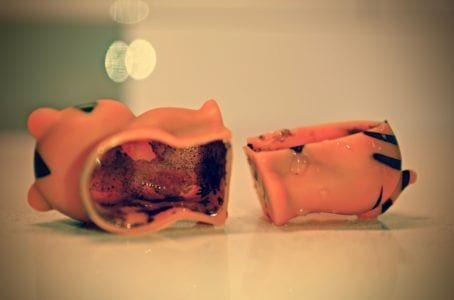
Mold grows in bath toys because they stay wet inside. Water gets trapped in small holes or cracks. Warmth from the bathroom helps mold to grow fast. Mold spores are everywhere and find bath toys a perfect place to live. Over time, mold can spread and become hard to see.
Bath toys often have soft plastic that holds moisture. This makes mold growth easy and quick. Toys that float or squirt water are even more likely to have mold inside. Regular cleaning helps stop mold from growing.
Common Mold Causes
Water left inside bath toys creates a damp space. Warm bathroom air makes mold grow faster. Soap and dirt can stick inside toys and feed mold. Toys that do not dry properly after use trap moisture. Poor ventilation in bathrooms adds to mold problems. Mold spores land on toys and start to grow in moist spots.
Health Risks For Kids
Mold can cause allergies and breathing problems in children. It may trigger coughing, sneezing, or itchy eyes. Some children can get skin rashes from mold exposure. Mold spores can worsen asthma symptoms. Kids often put bath toys in their mouths, increasing risk. Keeping toys clean helps protect children’s health.
Safe Cleaning Materials
Cleaning mold from bath toys requires safe materials. Harsh chemicals can harm children and damage toys. Choose gentle and effective cleaning options to protect health and keep toys in good shape.
Household Items That Work
Baking soda is a great natural cleaner. Mix it with water to form a paste. Rub the paste on moldy spots and rinse well. White vinegar kills mold and is safe for toys. Soak toys in vinegar for 15 minutes. Use mild dish soap and warm water for regular cleaning. These items are easy to find and safe for kids.
Avoiding Harmful Chemicals
Stay away from bleach and strong detergents. These can irritate skin and damage toys. Avoid cleaners with ammonia or harsh fragrances. They may cause allergic reactions. Choose products labeled safe for children’s items. Always rinse toys thoroughly after cleaning to remove any residue.
Step-by-step Cleaning Process
Cleaning mold from bath toys is important for your child’s health. Mold grows in damp places, especially inside toys that hold water. Follow this step-by-step cleaning process to remove mold safely and thoroughly. These steps help keep bath time fun and safe.
Preparing The Toys
First, gather all the bath toys that need cleaning. Check each toy for holes or cracks. Remove any parts that come off easily. Fill a basin with warm water and add a mild soap. Soak the toys for 10 minutes to loosen dirt and mold.
Scrubbing Techniques
Use a soft brush or old toothbrush to scrub each toy. Focus on areas with visible mold. Squeeze the toys under water to flush out inside dirt. Avoid harsh scrubbing that can damage the toy’s surface. For tough mold, use a mixture of vinegar and water to scrub gently.
Rinsing And Drying
Rinse each toy thoroughly under running water. Make sure no soap or vinegar remains. Shake out water from inside the toys. Dry them completely using a clean towel. Leave toys in a sunny spot to air dry fully before storing or using again.
Quick Cleaning Hacks
Bath toys often get moldy because they stay wet and warm. Cleaning them quickly stops mold from growing again. These easy hacks use things found at home. They kill mold fast and keep toys safe for kids.
Using Vinegar And Baking Soda
Vinegar and baking soda work well to clean mold. First, soak the toys in white vinegar for 10 minutes. Vinegar kills mold and germs without harsh chemicals.
Next, sprinkle baking soda on the toys. Scrub gently with a brush or cloth. Baking soda removes mold stains and bad smells. Rinse toys well with water to remove all residue. Let toys dry completely before using again.
Microwave Sterilization
Microwave sterilization is a quick way to clean bath toys. Fill the toys with water and close openings tightly. Place them in the microwave for 1-2 minutes. The heat kills mold and bacteria inside the toys.
Be careful not to overheat or damage toys. Always check toy labels to see if microwave use is safe. Let toys cool before removing them. This method cleans toys deeply and fast.
Preventing Mold Growth
Mold grows fast on bath toys. Moisture and warmth create the perfect place for it. Preventing mold keeps toys safe and clean for kids. It also stops bad smells and stains.
Follow simple steps to stop mold from growing. Focus on how you store and clean the toys. This keeps mold away and toys fresh for playtime.
Proper Storage Tips
Always dry bath toys after use. Squeeze out water from inside. Store toys in a dry, open place. Avoid closed containers that trap moisture. Use a mesh bag or basket with holes. This helps air flow and dries toys faster. Keep toys away from damp corners or shelves. Proper storage cuts mold chances significantly.
Regular Maintenance Routine
Clean bath toys at least once a week. Use warm water and mild soap. Rinse thoroughly to remove soap residue. Let toys dry completely before storing. You can also soak toys in vinegar water for mold prevention. Check toys often for signs of mold or damage. Replace toys if mold returns or grows inside. Regular care keeps toys safe and mold-free.
When To Replace Bath Toys
Bath toys bring fun to bath time but also collect mold over time. Cleaning helps, but some toys cannot be saved. Knowing when to replace bath toys keeps kids safe and healthy. It stops mold from causing allergies or infections. Watch for clear signs that mold cannot be removed. Choose toys that resist mold for longer playtime.
Signs Of Irreversible Mold
Check bath toys regularly for mold buildup inside and outside. If mold spreads deep inside the toy, it is hard to clean. Toys that stay slimy or smell bad even after washing need replacing. Cracks or holes in toys trap mold and germs. Soft, spongy parts that feel sticky often hold mold forever. When toys show these signs, throw them away for safety.
Choosing Mold-resistant Toys
Pick bath toys made from solid plastic without holes or seams. These toys dry faster and do not trap water inside. Avoid toys that float with holes, as they collect water and mold. Look for toys labeled mold-resistant or easy to clean. Silicone toys are a good option because they dry quickly. Proper storage also helps keep toys mold-free between baths.

Frequently Asked Questions
How Do I Remove Mold From Bath Toys Safely?
To remove mold, soak toys in a vinegar-water solution for 30 minutes. Scrub with a brush, rinse thoroughly, and air dry completely to prevent mold return.
Can Bleach Be Used To Clean Mold On Bath Toys?
Yes, dilute bleach solution can kill mold on bath toys. Use one tablespoon of bleach per cup of water, soak for 5 minutes, rinse well, and dry thoroughly.
How Often Should Bath Toys Be Cleaned To Avoid Mold?
Clean bath toys weekly to prevent mold growth. Dry toys completely after each use, and store them in a dry, well-ventilated area.
What Natural Remedies Work For Cleaning Mold On Bath Toys?
White vinegar and baking soda are effective natural cleaners. Soak toys in vinegar for 30 minutes, scrub with baking soda paste, rinse, and dry well.
Conclusion
Cleaning mold from bath toys keeps them safe and fun for kids. Regular washing stops mold from growing back. Use simple household items to clean toys effectively. Dry toys well after each bath to avoid moisture. Clean toys often to protect your child’s health.
Small steps make a big difference in hygiene. Safe, clean toys create happy bath times every day.