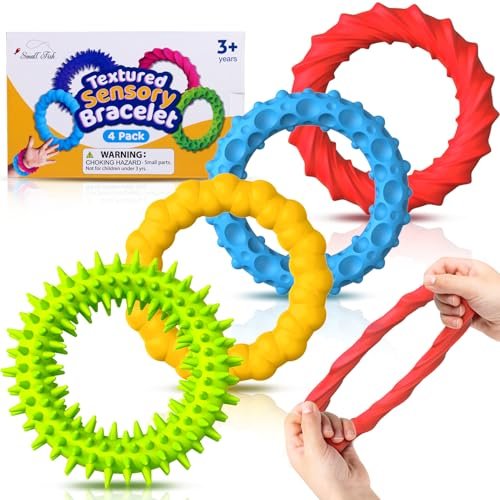
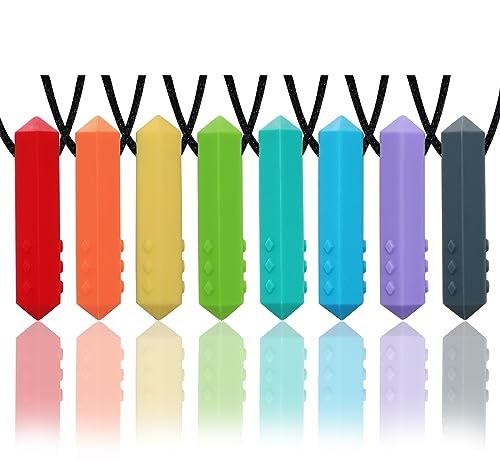
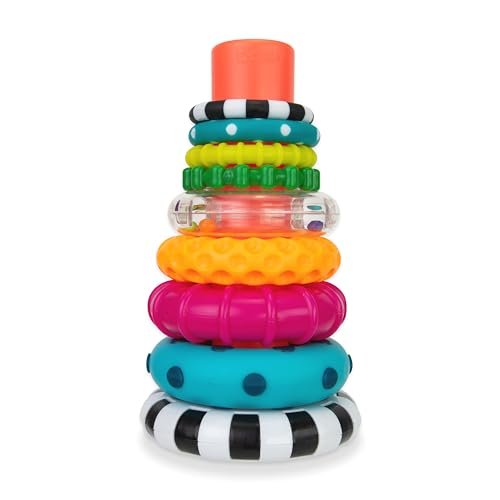
If you’re a parent or caregiver, you know how important it is to keep your baby’s teething toys clean. These little items go straight into your baby’s mouth, and germs can build up quickly.
But how do you clean them safely without damaging the toy or exposing your baby to harmful chemicals? You’ll discover simple, effective ways to clean teething toys so they stay safe and fresh. Keep reading to protect your baby’s health and make cleaning stress-free.

Credit: www.amazon.com
Choosing Safe Teething Toys
Choosing safe teething toys is essential for your baby's health. Babies chew on these toys to soothe sore gums. The right toy keeps them safe and comfortable. Parents must check materials and conditions often. This helps avoid choking hazards or exposure to harmful chemicals.
Materials To Avoid
Avoid toys made from soft plastics or vinyl. These can contain harmful chemicals like BPA or phthalates. Never choose toys with loose parts or paint that can chip. Opt for BPA-free, non-toxic silicone, or natural rubber instead. These materials are safer and easier to clean.
Signs Of Wear And Tear
Check teething toys regularly for cracks or tears. Broken pieces can become choking hazards quickly. Look for discoloration or sticky surfaces that show bacteria growth. Replace toys that lose shape or texture. Safe toys stay intact and clean after use.
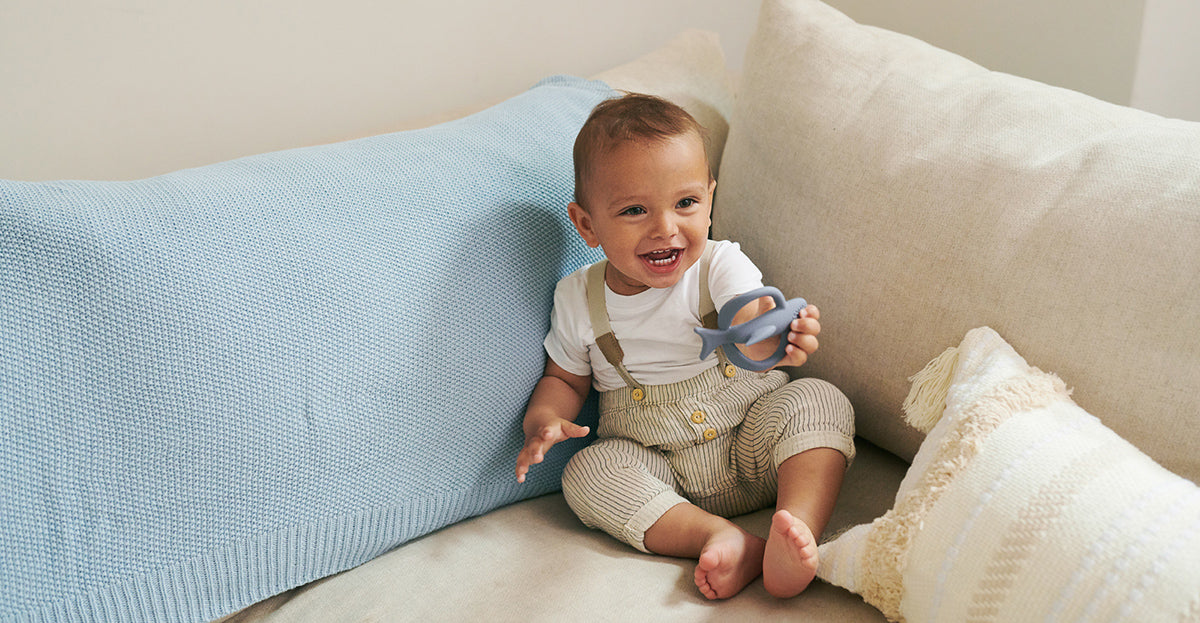
Credit: www.matchstickmonkey.com
Preparing For Cleaning
Preparing to clean teething toys is the first important step. It helps ensure a safe and effective cleaning process. Taking time to prepare prevents damage and keeps your baby healthy. Start by gathering all necessary items and checking the toy’s instructions. This saves time and avoids mistakes during cleaning.
Gathering Supplies
Collect all the supplies before starting. You will need mild soap, warm water, and a clean cloth or sponge. A small brush can help reach tiny crevices. Prepare a clean bowl or basin to soak the toys if needed. Have a towel ready for drying. Using the right supplies protects the toys and removes germs well.
Checking Manufacturer Instructions
Read the toy’s cleaning instructions carefully. Each toy has different materials and care needs. Some toys may only need wiping, while others can be soaked or boiled. Following the instructions keeps the toy safe and long-lasting. Ignoring them can cause damage or reduce safety for your baby.
Cleaning Methods
Keeping teething toys clean is very important for your baby's health. Bacteria and dirt can build up quickly on these toys. Using the right cleaning methods helps keep germs away. It also keeps the toys safe and soft for your baby.
Washing With Soap And Water
Start by rinsing the toy under warm water. Use mild soap that is safe for babies. Gently scrub the toy with a soft brush or cloth. Pay close attention to crevices and textured areas. Rinse well to remove all soap. Let the toy air dry completely before giving it to your baby.
Using Dishwasher
Many teething toys are dishwasher safe. Check the label to be sure. Place the toys on the top rack only. Use a gentle cycle with mild detergent. Avoid high heat drying, which can damage the toy. Dishwasher cleaning is fast and effective for many plastic toys.
Sterilizing Techniques
Sterilizing kills germs that washing might miss. Boil the toy in water for five minutes if safe. Use a steam sterilizer designed for baby items. Some toys can be sterilized with microwave steam bags. Always follow the manufacturer’s instructions carefully. Sterilizing is best for very young babies or sick children.
Drying And Storing Teething Toys
Drying and storing teething toys properly keeps them safe and clean for your baby. Moisture can cause germs and mold. Storing toys well protects them from dust and dirt. Follow these tips to keep toys fresh and ready to use.
Proper Drying Tips
After washing, shake off extra water. Use a clean towel to pat toys dry. Air drying is best to stop moisture build-up. Place toys on a clean surface in a well-ventilated area. Avoid direct sunlight to prevent damage to materials. Make sure toys are completely dry before storing them.
Safe Storage Practices
Store teething toys in a dry, clean container or box. Use a breathable bag or mesh pouch to avoid moisture. Keep toys away from pets and dust. Label storage containers for easy access. Clean storage spaces regularly to prevent germs. Rotate toys often to keep them fresh and safe.
Maintaining Hygiene Between Cleanings
Keeping teething toys clean is important for your baby's health. Toys can collect dirt and germs quickly. Regular cleaning helps, but small steps between cleanings keep toys safe. Simple actions reduce bacteria and keep toys fresh. This protects your baby from illness and discomfort.
Quick Wipes And Rinses
Use a damp cloth to wipe toys after use. This removes saliva and food bits. For plastic toys, rinsing with warm water works well. Avoid harsh soaps that may irritate sensitive skin. Quick cleaning prevents buildup of germs before the next deep wash. When it comes to how to clean wooden toys, it's best to use a slightly damp cloth or sponge, as excessive moisture can damage the wood. Ensure that you dry them thoroughly after cleaning to prevent any warping or mold growth. Regular maintenance will help keep your child's toys safe and in good condition for playtime.
Regular Inspection
Look at toys often for cracks and damage. Broken areas can hide bacteria and dirt. Check for loose parts that may be a choking hazard. Discard toys that show wear or cannot be cleaned properly. Regular checks keep your baby safe and healthy.

Credit: honeybkids.com
Frequently Asked Questions
How Often Should I Clean Teething Toys?
Clean teething toys daily to prevent bacteria buildup. Regular cleaning ensures safety and hygiene for your baby’s sensitive gums.
What Is The Safest Way To Clean Teething Toys?
Use warm water and mild soap. Rinse thoroughly and air dry. Avoid harsh chemicals that can harm your baby.
Can I Use A Dishwasher To Clean Teething Toys?
Yes, if the toy is dishwasher-safe. Place toys on the top rack and use a gentle cycle for best results.
How Do I Remove Tough Stains From Teething Toys?
Soak toys in a mixture of water and vinegar. Scrub gently with a soft brush, then rinse well.
Conclusion
Keeping teething toys clean helps protect your baby’s health. Wash them often with warm, soapy water or steam. Avoid harsh chemicals that can harm your child. Check the toys for damage before giving them back. Clean toys reduce germs and keep your baby happy.
Simple steps make a big difference in safety. Remember, clean toys mean a safer teething experience. Stay consistent and your baby will benefit a lot.