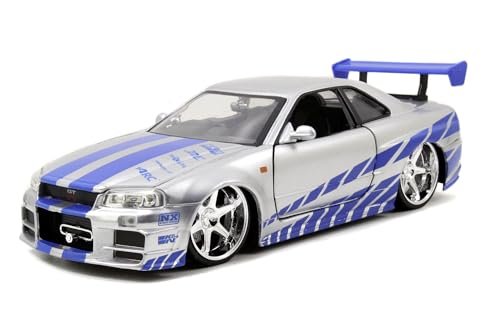
Have you ever wanted to draw a toy car but didn’t know where to start? You’re in the right place.
Drawing a toy car can be simple and fun, even if you’re a beginner. In this guide, you’ll learn easy steps that anyone can follow. By the end, you’ll have a cool drawing you’ll be proud of. Ready to surprise yourself with your own creative skills?
Let’s get started!
Materials Needed
Drawing a toy car starts with gathering the right materials. Using the correct tools makes the process easier and more enjoyable. This section covers the basic items needed to create your drawing. It also suggests extra supplies for coloring your toy car.
Basic Drawing Tools
Start with a pencil. A simple HB pencil works best for sketching. Use an eraser to fix mistakes and clean lines. A sharpener keeps your pencil tip fine. Choose a smooth drawing paper or sketchbook. These help your pencil glide smoothly. A ruler helps draw straight edges and shapes. These tools build a solid base for your toy car sketch.
Optional Coloring Supplies
Coloring brings your toy car to life. Colored pencils offer control and blend well. Markers add bright, bold colors quickly. Crayons give a soft, textured finish. Watercolor paints create smooth color blends and shading. Use a small brush with watercolors for details. These coloring tools help you customize your drawing with vibrant colors.

Credit: helloartsy.com
Sketching The Car Body
Sketching the car body is the first important step in drawing a toy car. It sets the base for your entire drawing. Start simple and focus on basic shapes. This makes the process easier and helps keep the proportions right.
Begin with light lines. This allows you to change shapes easily. Take your time to create a smooth outline for the car’s body. The goal is to capture the general look of a toy car before adding details.
Drawing The Main Shape
Start by drawing a long oval or rectangle with rounded edges. This shape forms the main body of the car. Keep the lines soft and light. The shape should be wider at the bottom and narrower on top. This gives the car a balanced look.
Next, add small curves at the corners for a smooth finish. Avoid sharp angles to keep the toy car look. Check the size and adjust the shape until it looks right to you.
Adding The Cabin
Draw a smaller shape on top of the main body. This will be the cabin where the driver sits. Use a square or rectangle with rounded corners. Position it near the front or center of the car.
Make the cabin smaller than the body. This keeps the proportions correct. Add a small curve or line to separate the cabin from the body. Keep your lines light to adjust if needed.
Creating Wheels And Details
Creating wheels and details gives your toy car drawing life and character. Wheels make the car look real and ready to move. Details like doors and windows add depth and interest. These small parts make your drawing complete and fun.
Drawing Perfect Wheels
Start by drawing two circles for each wheel. Make sure the circles are the same size. Use a round object to trace if needed. Draw a smaller circle inside for the hubcap. Add lines or shapes inside the hubcap for texture. Keep the wheels evenly spaced below the car body. This balance makes your car look stable and strong.
Adding Door And Windows
Draw rectangles for the doors on each side of the car. Place them in the middle part of the body. Add smaller rectangles or squares for windows above the doors. Leave some space between doors and windows to show the car frame. Add simple lines to show door handles. These details help your toy car look complete and clear.
Enhancing With Features
Enhancing your toy car drawing brings it to life. Small details make the car look real and fun. Focus on features that stand out. These features add character and depth.
Drawing Headlights And Bumpers
Start with simple shapes for headlights. Circles or ovals work well. Place them at the front corners of the car. Add a small shine spot inside each headlight. It shows the light reflection.
For bumpers, draw a curved line below the headlights. Use rectangles or rounded shapes for a strong look. Keep the lines smooth and clear. Bumpers protect the car and give it style.
Adding Decorative Elements
Decorative elements make your toy car unique. Add stripes or flames along the sides. Use thin, straight lines or wavy shapes. Keep decorations simple and balanced.
Draw small details like door handles and mirrors. These tiny parts improve the design. Use short lines or small ovals. They add realism without crowding the drawing.
Refining And Inking
Refining and inking bring your toy car drawing to life. This stage makes your sketch clear and bold. It turns rough lines into neat, sharp edges. You prepare your drawing for color or display.
Focus on clean lines and smooth shapes. Each detail becomes more visible. The drawing gains a professional look. Take your time and be patient.
Tracing Final Lines
Use a fine-tip pen or marker to trace your sketch. Follow the main lines carefully. Avoid heavy pressure to keep lines even. Darken important parts like wheels and windows. Thin lines work well for small details. Let the ink dry before touching the paper.
Erasing Sketch Marks
After the ink dries, erase pencil marks gently. Use a soft eraser to avoid smudging. Remove all remaining light lines for a clean look. Check your drawing for any missed spots. Erasing gives a polished finish to your art.

Credit: www.youtube.com
Coloring The Toy Car
Coloring the toy car brings your drawing to life. It turns simple lines into a vivid image. The colors you choose make your car unique. This step adds personality and charm. Focus on simple techniques for better results.
Choosing Colors
Pick bright colors for a fun look. Red, blue, or yellow work well. Use colors that match your style. Avoid too many colors; keep it simple. Choose one main color and a few accents. This helps your car look balanced and clear.
Shading For Depth
Shade parts of the car to add depth. Darker shades show shadows and curves. Light areas catch the light and stand out. Use a pencil or soft marker for shading. Blend gently to avoid harsh lines. Shading makes your car look real and 3D.
Tips For Amazing Results
Getting amazing results when drawing a toy car takes some care and smart steps. Simple tips can help improve your drawing skills quickly. These small tricks make your toy car look more real and balanced.
Focus on the basics. Keep your eyes on the shape and size of each part. This helps your drawing look clean and neat.
Maintaining Proportions
Keep the size of each part of the toy car in balance. The wheels should not be too big or too small. The body and windows should fit well together. Use light lines to sketch first. This makes it easy to adjust parts that look off. Check each part often to keep the right size and shape.
Practicing Regularly
Draw often to get better. Regular practice helps your hand move smoothly. It also trains your eyes to see details. Try drawing toy cars from different angles. Repeat the same drawing several times. Notice what changes make the picture look better. Each time you draw, you learn more and improve.

Credit: www.istockphoto.com
Frequently Asked Questions
How Do I Start Drawing A Toy Car?
Begin by sketching the basic shape using simple shapes like rectangles and circles. This forms the car’s body and wheels. Use light pencil strokes to outline proportions before adding details.
What Materials Are Best For Drawing Toy Cars?
Use pencils for sketching and fine liners for details. Colored pencils or markers work well for adding vibrant colors. Choose smooth paper for better texture and clean lines.
How Can I Make My Toy Car Look Realistic?
Focus on proportions and shading. Add reflections on windows and highlights on metal parts. Use reference images to capture accurate details and colors for realism.
What Are Common Mistakes To Avoid When Drawing Toy Cars?
Avoid disproportionate wheels or body shapes. Don’t neglect perspective; ensure the car looks three-dimensional. Avoid heavy outlines that can flatten the image.
Conclusion
Drawing a toy car can be fun and simple. Start with basic shapes and add details step by step. Practice helps improve your drawing skills over time. Try different styles and colors to make your car unique. Keep your lines smooth and shapes clear for best results.
Remember, patience and practice make drawing easier. Enjoy the process and keep creating new toy car drawings. You will see progress with each sketch you make. Drawing is a great way to relax and express creativity.