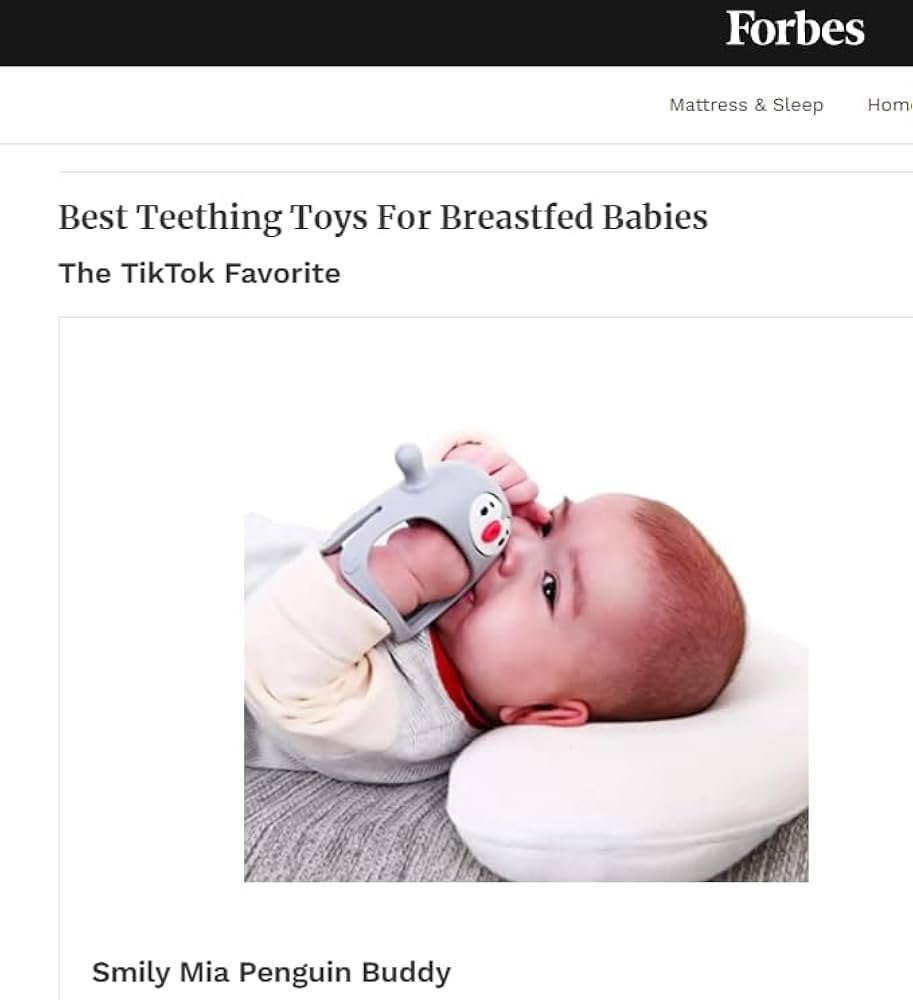
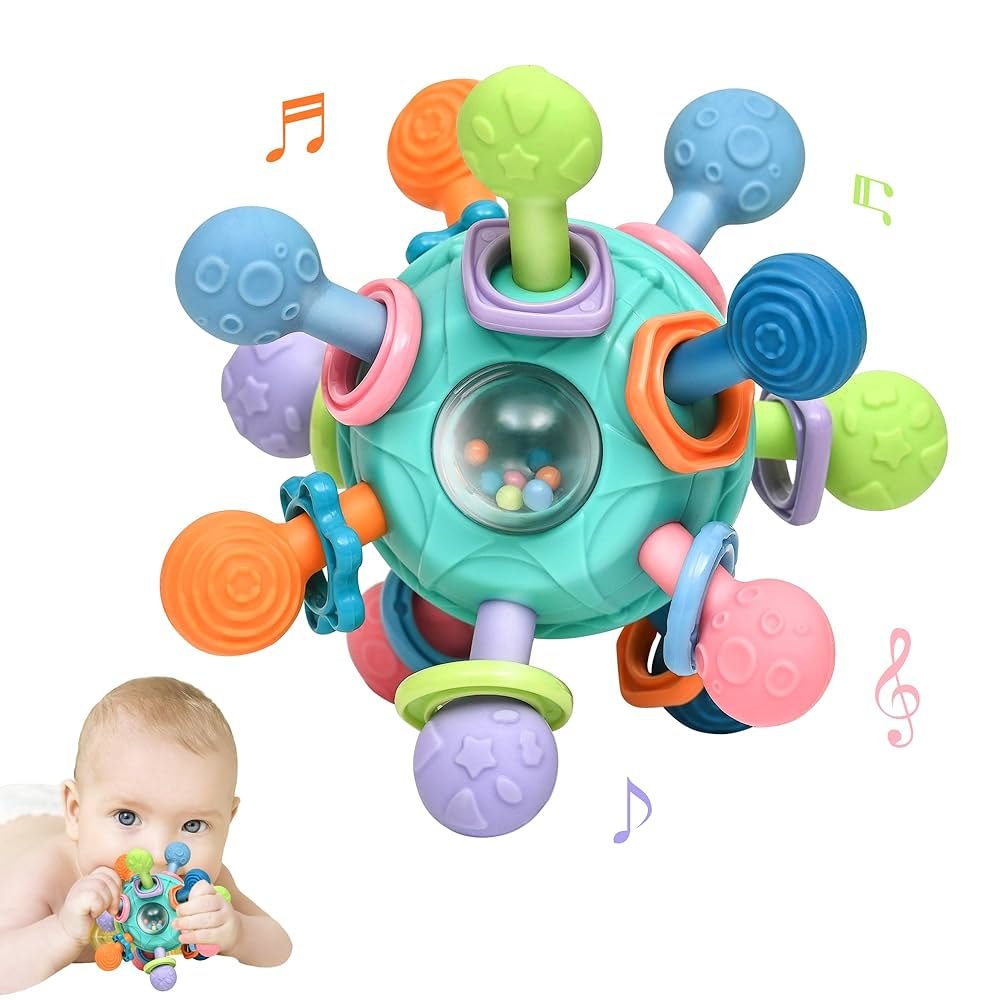
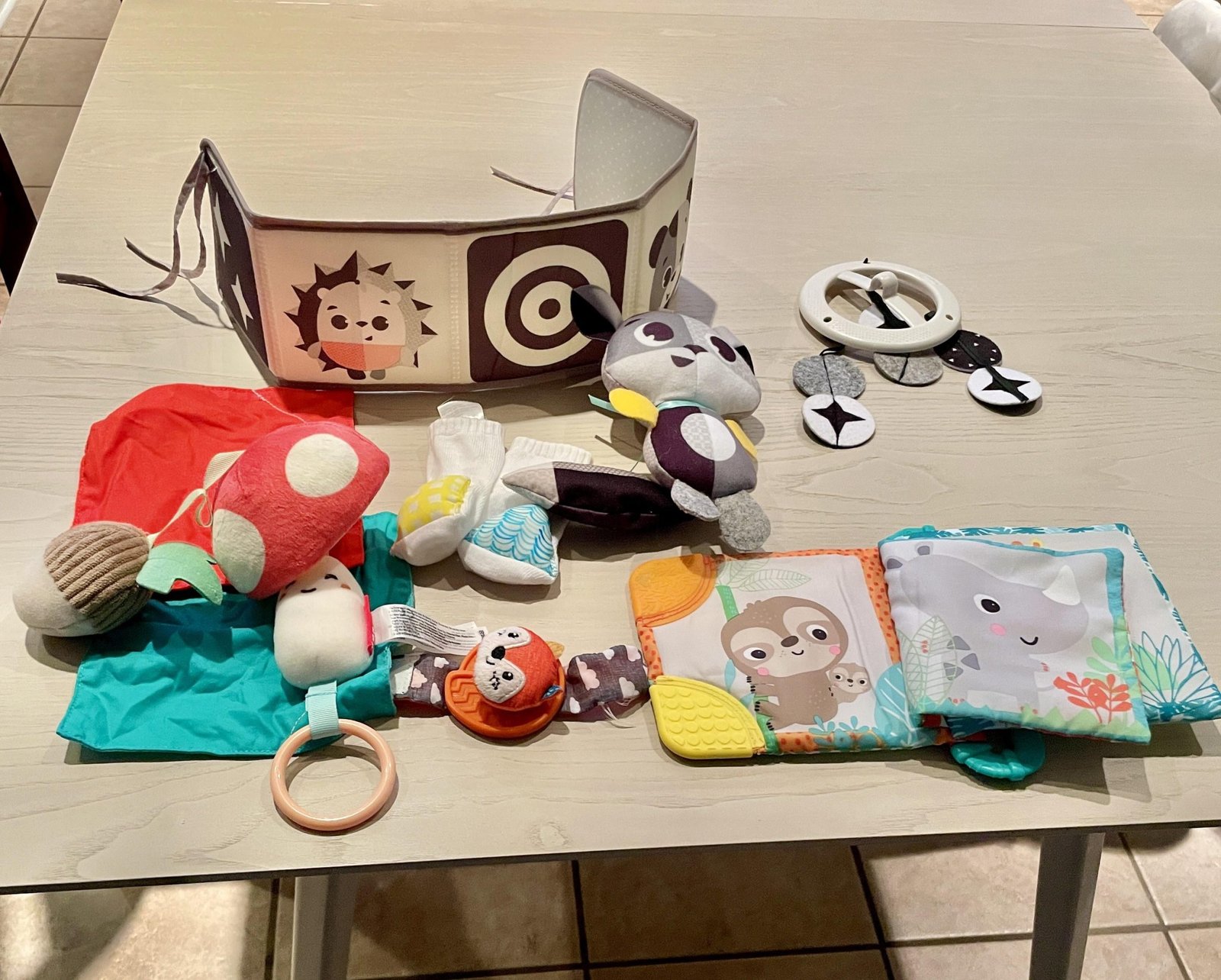
Are you looking for a safe, soft, and fun toy to soothe your baby’s teething discomfort? Making your own fabric teething toy is easier than you think—and it lets you choose the perfect colors, textures, and shapes for your little one.
In this guide, you’ll discover simple steps to create a charming, handmade toy that your baby will love to chew on. Keep reading, and you’ll have a one-of-a-kind teething toy ready in no time.

Materials Needed
Making a fabric teething toy needs a few simple materials. These materials ensure the toy is safe and soft for babies.
Gathering the right supplies helps create a fun and gentle toy that babies enjoy chewing on.
Choosing Safe Fabrics
Use fabrics that are soft and safe for babies to chew. Avoid materials that can irritate skin or cause allergies.
Look for natural fabrics that are gentle and easy to clean.
- Organic cotton: soft and breathable
- Muslin: lightweight and gentle
- Bamboo fabric: hypoallergenic and smooth
- Avoid synthetic fabrics that may cause rashes
- Use fabrics without harmful dyes or chemicals
Essential Sewing Supplies
You need basic sewing tools to make the teething toy. These tools help you cut, sew, and finish the toy neatly.
- Sewing machine or needle and thread
- Fabric scissors for clean cuts
- Pins or clips to hold fabric layers
- Measuring tape or ruler
- Stuffing material like cotton or polyester fill
- Marking pencil or chalk
Optional Decorations
Decorations can make the teething toy look nice. Choose items that are safe and won't come off easily.
Keep decorations simple to avoid choking hazards.
- Embroidery thread for stitched designs
- Soft fabric tags or loops
- Non-toxic fabric paint
- Safe teething rings or wooden beads (securely attached)
- Avoid small buttons or loose parts
Preparing The Fabric
Preparing the fabric is important before making a fabric teething toy. It ensures the fabric is clean and safe for babies.
Proper fabric preparation also helps the toy last longer and keeps it soft for little hands.
Washing And Drying
Wash the fabric to remove dirt and chemicals. Use a gentle detergent safe for babies.
Dry the fabric completely before cutting. Use a low heat setting to keep the fabric soft.
- Use mild, baby-friendly detergent
- Wash fabric in cold or warm water
- Dry on low heat or air dry
- Check fabric for any damage after drying
Cutting The Pieces
Cut the fabric into shapes needed for the teething toy. Use sharp scissors for clean edges.
Cut slightly larger pieces to allow for sewing seams and stuffing inside.
- Use a pattern or template for shapes
- Cut two pieces for each side of the toy
- Mark fabric with washable pencil if needed
- Keep fabric pieces together to avoid mix-ups
Sewing The Toy
Sewing the fabric teething toy brings all the parts together. It shapes the toy and makes it safe for babies.
Use simple stitches to join fabric pieces. Take your time to sew neatly and securely.
Basic Stitching Techniques
Start with straight stitches to connect fabric edges. Keep stitches even and close to the edge.
Use backstitching at the start and end. This stops the thread from coming undone.
- Straight stitch: fast and simple for most seams
- Backstitch: secures stitches at openings
- Slip stitch: hides the seam when closing the toy
- Whip stitch: good for hand sewing small parts
Adding Texture Elements
Texture makes the toy fun and interesting for babies. Add soft ribbons, crinkly fabric, or knots.
Sew these texture pieces securely to avoid choking hazards. Use tight stitches and double check your work.
- Attach ribbons with tight stitches
- Sew small knots into seams
- Use crinkle fabric inside layers
- Check all textures are firmly attached
Stuffing And Finishing
Stuffing and finishing are key steps in making a fabric teething toy. These steps help make the toy soft, safe, and durable for babies.
Choosing the right stuffing keeps the toy safe and comfy. Finishing the toy well stops any parts from coming loose.
Choosing Safe Fillers
Pick fillers that are soft and safe for babies to chew on. Avoid fillers that can cause allergies or are toxic.
Good fillers include hypoallergenic polyester fiberfill or organic cotton stuffing. These materials hold their shape and are easy to clean.
- Hypoallergenic polyester fiberfill
- Organic cotton stuffing
- Natural wool (clean and untreated)
- Avoid beads or small parts inside
- Use non-toxic, washable fillers
Sealing The Toy
Seal the toy tightly after stuffing. This keeps the filling inside and stops babies from swallowing any parts.
Use strong stitching with a small needle. Double stitch the seams to make sure they don’t open easily.
- Use a small, tight stitch
- Double stitch all seams
- Check for loose threads or holes
- Trim excess fabric inside the toy
- Test seams by gently pulling
Safety Tips
Making a fabric teething toy is fun and helpful for babies. Safety is the most important part to keep in mind. Follow these tips to make sure the toy is safe for your child.
Check the toy often and use safe materials. This guide will help you avoid dangers and keep the toy clean and safe.
Avoiding Choking Hazards
Small parts can be dangerous for babies. Make sure all pieces are sewn tightly. Avoid buttons, beads, or anything that can come loose. Use only baby-safe fabrics and threads.
- Do not use small decorations or loose pieces
- Check all seams to keep stuffing inside
- Use strong, non-toxic thread for stitching
- Choose soft fabric without loose fibers
- Test the toy by pulling parts gently
Regular Maintenance
Cleaning and checking the toy often helps keep it safe. Wash it regularly with mild soap and water. Dry it well to avoid mold. Look for any loose threads or tears. Fix any damage before giving it back to the baby.
| Maintenance Task | Frequency |
| Washing | Weekly or when dirty |
| Drying | After every wash |
| Checking seams and parts | Before each use |
| Repairing tears or loose parts | Immediately |

Creative Variations
Making a fabric teething toy can be fun. You can try different creative variations. This adds a unique touch to each toy.
Explore various shapes, sizes, colors, and patterns. These elements can make your toy more attractive and playful.
Different Shapes And Sizes
Shapes and sizes influence how a baby interacts with the toy. You can make round, star, or heart-shaped toys. Each shape offers a different texture and feel.
Consider the size of the toy to ensure safety. Smaller shapes are ideal for little hands, while larger ones can be great for older babies.
- Round shapes are easy to grasp
- Star shapes provide varied edges
- Hearts are soft and comforting
Incorporating Colors And Patterns
Colors and patterns play a big role in toy design. Bright colors can stimulate a baby's senses. Patterns add visual interest and can be educational.
Mix and match different fabrics for a playful look. Stripes, polka dots, and animal prints are popular choices. Each pattern can introduce new concepts to a baby.
- Bright colors catch a baby's eye
- Patterns can teach shapes and forms
- Mixing patterns adds depth

Frequently Asked Questions
What Materials Are Needed To Make A Fabric Teething Toy?
You need soft fabric, safe stuffing, sewing thread, and non-toxic baby-safe dyes. Optional items include ribbons or wooden rings for added texture. Choose washable, hypoallergenic materials to ensure baby safety and comfort.
How Do You Sew A Fabric Teething Toy Safely?
Use sturdy stitches to prevent small parts from coming loose. Avoid buttons or beads that can be choking hazards. Double-stitch seams for durability and use baby-safe thread to ensure the toy withstands chewing.
Can Fabric Teething Toys Be Washed Easily?
Yes, fabric teething toys should be machine washable or easy to hand wash. Use gentle detergent and cold water to maintain softness and safety. Regular washing keeps the toy hygienic and safe for babies.
What Fabrics Are Best For Teething Toys?
Choose natural fabrics like cotton, organic cotton, or bamboo. These fabrics are soft, breathable, and safe for babies to chew. Avoid synthetic materials that may irritate sensitive skin or pose safety risks.
Conclusion
Making a fabric teething toy is simple and fun. You can choose soft, safe materials for your baby. Sewing it yourself lets you create unique shapes and colors. It also saves money compared to store-bought toys. Plus, homemade toys can be washed easily to stay clean.
Remember to check all parts are secure for safety. Your baby will enjoy a comfy and fun teething experience. Try making one today and see how much your little one loves it!