Are you looking for a fun and creative project that brings joy to your child and adds a personal touch to their playtime? Making fabric toy blocks is easier than you think, and it’s a fantastic way to create safe, colorful, and soft toys right at home.
Imagine watching your little one stack, build, and explore with blocks you crafted yourself. In this guide, you’ll discover simple steps and tips to make your own fabric toy blocks that are not only beautiful but also durable and child-friendly.
Ready to get started? Let’s dive in and make something special for your family!
Materials Needed
Making fabric toy blocks is a fun and simple project. You need to gather some basic materials before you start.
Choosing the right materials helps create safe and soft blocks for children to play with.
Choosing Fabric Types
Select fabrics that are soft and safe for children. Cotton and fleece are good choices.
Use fabrics that are easy to sew and wash. Avoid fabrics with loose fibers or rough textures.
- 100% cotton fabric
- Fleece fabric
- Flannel fabric
- Organic or hypoallergenic fabrics
Essential Tools
You need some basic tools to cut and sew the fabric blocks. A sewing machine helps but you can sew by hand.
Gather sharp scissors and measuring tools for accurate cuts.
- Fabric scissors
- Sewing machine or needle for hand sewing
- Measuring tape or ruler
- Pins or clips to hold fabric pieces
- Fabric marker or chalk
- Stuffing material like polyester fiberfill
Optional Decorations
You can add small decorations to make the blocks more fun. Use safe and soft items only.
Make sure all decorations are firmly attached to avoid choking hazards.
- Fabric paint or markers
- Buttons or felt shapes (sewn on securely)
- Embroidery thread for patterns
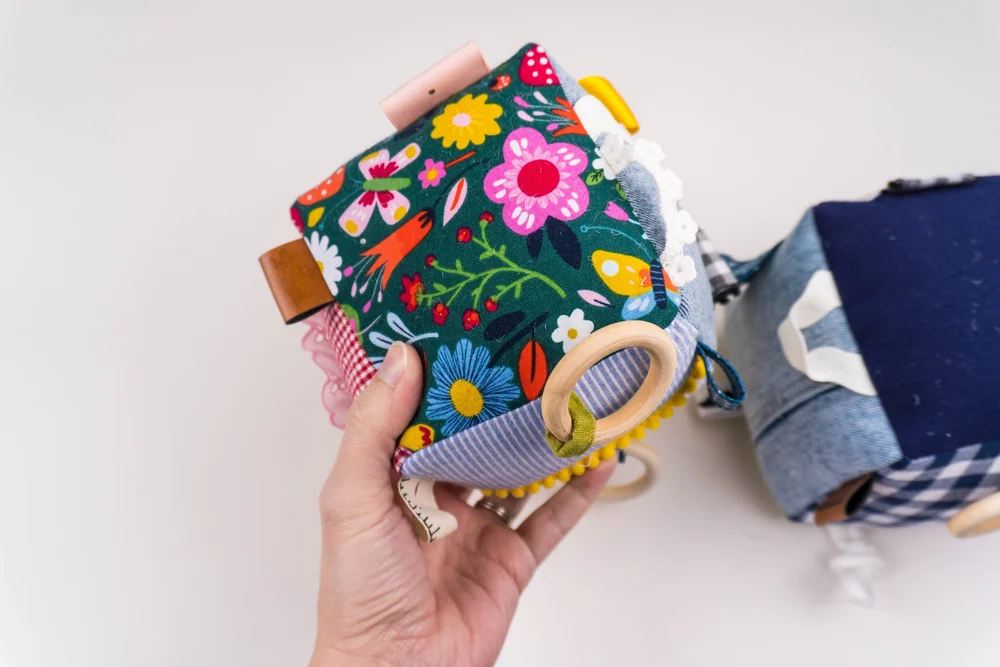
- Ribbons or small fabric patches
Preparing The Fabric
Preparing fabric for toy blocks takes care and precision. It ensures the blocks look neat and last long.
Start by choosing soft, durable fabric. Cotton or fleece works well for safe, washable toys.
Measuring And Cutting
Measure fabric pieces accurately to create even blocks. Use a ruler or measuring tape for best results.
- Decide on the block size, usually 3 to 4 inches per side.
- Mark the fabric with tailor’s chalk or a fabric pen.
- Double check all measurements before cutting.
- Cut the fabric pieces carefully with sharp fabric scissors.
- Cut two squares per block to sew together later.
Creating Patterns
Patterns help keep blocks uniform and make sewing easier. You can create your own or find templates online.
| Pattern Type | Description | Use |
| Square Template | Simple square shape made from cardboard or plastic | Trace onto fabric for cutting |
| Seam Allowance Mark | Marks the extra fabric needed for sewing seams | Helps avoid cutting fabric too small |
| Decorative Pattern | Shapes or letters to add to blocks | Enhances toy appearance |
Sewing The Blocks
Sewing fabric toy blocks is a fun and creative process. It helps turn fabric pieces into soft, safe toys for kids.
In this section, we focus on the sewing part. Learning simple stitching and sealing edges are important steps.
Basic Stitching Techniques
Start by using a straight stitch to join fabric pieces. This stitch is strong and easy to do by hand or machine.
Backstitching at the start and end of your sewing will keep your stitches from coming undone.
- Use small, even stitches for a neat look
- Keep your fabric edges aligned when sewing
- Use a needle size that fits your fabric thickness
- Choose thread color that matches or contrasts softly
Sealing Edges
Sealing edges stops the fabric from fraying and makes the blocks last longer. Use a zigzag stitch along the edges.
You can also use pinking shears to cut the edges. This tool cuts fabric in a way that reduces fraying.
- Use zigzag stitch close to fabric edges
- Trim excess fabric after sewing
- Turn blocks inside out for smooth seams
- Press edges flat with an iron for a clean finish
Stuffing The Blocks
Stuffing fabric toy blocks is an important step. It gives the blocks shape and makes them soft.
Choosing the right stuffing and filling the blocks well will make the toys safe and fun to play with.
Selecting Stuffing Material
Pick stuffing that is soft and safe for children. It should hold shape but not be too hard.
Common stuffing materials include polyester fiberfill and cotton batting. Both are easy to use and clean.
- Polyester fiberfill is lightweight and fluffy.
- Cotton batting feels natural and soft.
- Avoid materials that can cause allergies.
- Make sure the stuffing is washable.
Filling Tips
Fill the blocks evenly to keep their shape. Avoid overstuffing, which makes blocks stiff.
Use small amounts of stuffing at a time. Push the stuffing into corners with a pencil or stick.
- Start by adding a small amount of stuffing.
- Push stuffing into all corners and edges.
- Check firmness by gently squeezing the block.
- Add more stuffing if the block feels too soft.
- Do not overfill to keep blocks soft and safe.
Adding Finishing Touches
Finishing touches make fabric toy blocks look neat and fun. They add charm and keep blocks safe to use.
These final steps help your blocks stand out and last longer. Let’s explore how to add decorations and ensure safety.
Decorative Elements
Decorative elements give your blocks a unique style. Use bright colors, patterns, or fun shapes to catch attention.
Add details like embroidered letters, buttons, or fabric paint. Make sure decorations are secure and won’t fall off easily.
- Use embroidery for letters or simple shapes
- Sew colorful buttons firmly on the blocks
- Apply fabric paint for custom designs
- Attach soft patches for texture variety
- Choose decorations that children can safely touch
Safety Considerations
Safety is very important for fabric toy blocks. Avoid small parts that children can swallow or choke on.
Use non-toxic materials and strong stitches to keep toys safe and durable. Check all edges for loose threads or sharp points.
- Choose child-safe, non-toxic fabrics and paints
- Sew seams tightly to avoid loose stuffing
- Avoid small decorations like beads or sequins
- Inspect blocks regularly for wear and tear
- Use rounded edges and soft materials only
Creative Play Ideas
Fabric toy blocks are fun for children. They spark creativity and imagination. Kids love to stack, sort, and build with them.
These blocks are soft, safe, and colorful. They offer endless opportunities for play. Children can learn while having fun.
Learning Through Play
Playing with fabric blocks helps in brain development. Kids learn shapes, colors, and sizes. They improve their motor skills too.
Blocks encourage problem-solving and teamwork. Children can build towers and create patterns. They learn to share and cooperate.
- Stack blocks to learn balance
- Sort by color for color recognition
- Count blocks for basic math skills
Customizing Blocks
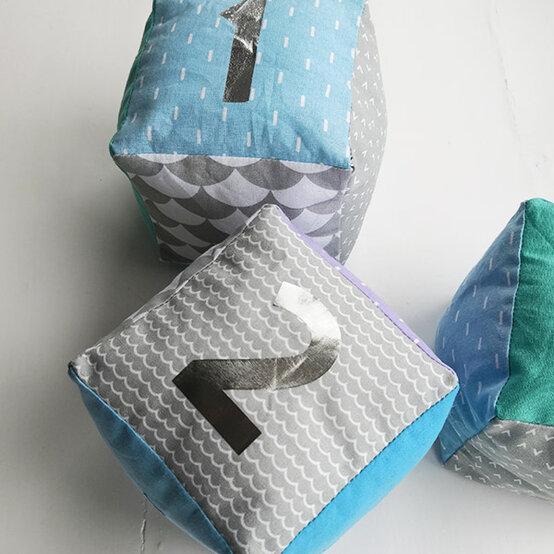
Personalized blocks make playtime special. You can sew letters or numbers on them. This helps kids learn the alphabet.
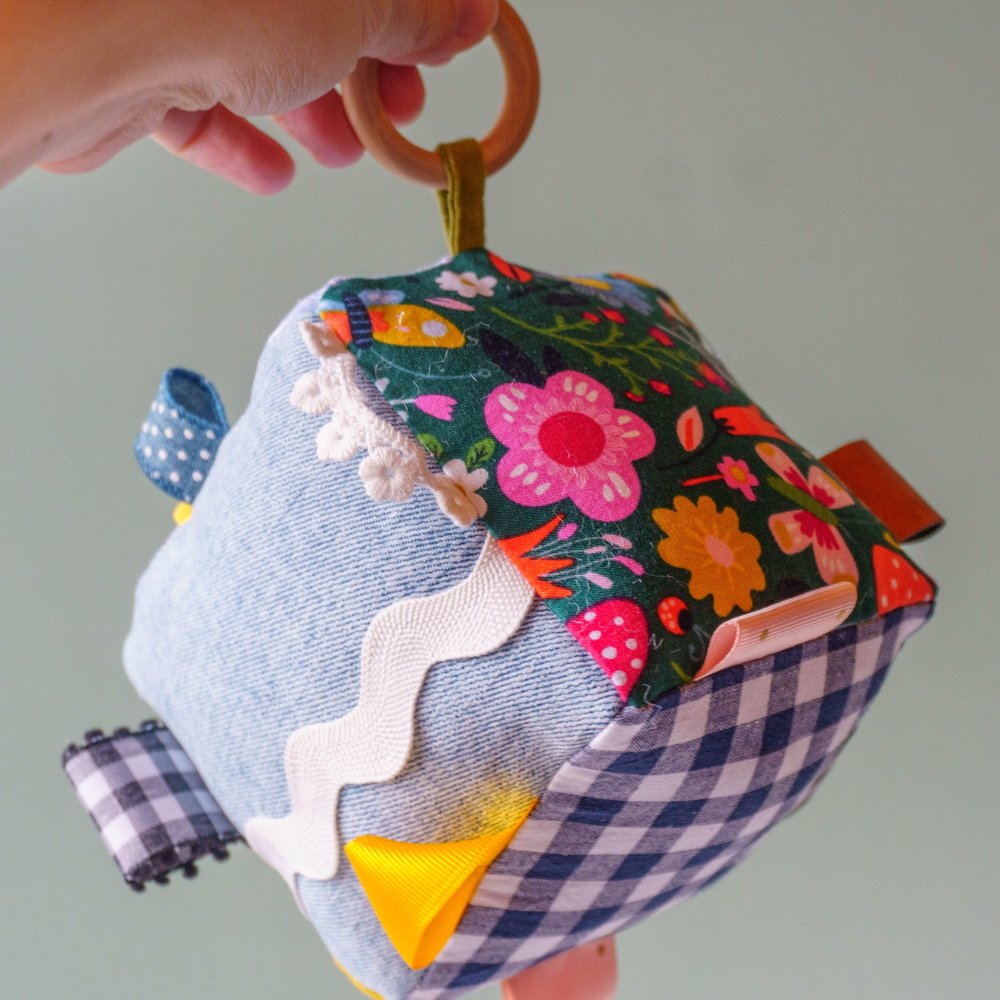
Add different textures to each side of the block. It makes them more interesting to touch. Use various fabrics for a tactile experience.
- Use fabric paint for unique designs
- Add soft ribbons for sensory play
- Attach Velcro for easy stacking
Frequently Asked Questions
What Materials Are Needed To Make Fabric Toy Blocks?
To make fabric toy blocks, you need cotton fabric, stuffing, scissors, sewing thread, needles, and a ruler. These materials are easy to find and safe for children.
How Do You Sew Fabric Toy Blocks Securely?
Sew fabric pieces inside out, leaving a small gap for stuffing. After filling, stitch the gap tightly to keep stuffing inside.
Can Fabric Toy Blocks Be Customized With Designs?
Yes, fabric toy blocks can be personalized using different fabric prints, embroidery, or fabric paint. This adds a unique and creative touch.
Are Fabric Toy Blocks Safe For Babies?
Fabric toy blocks are safe when made with non-toxic materials and securely sewn. Avoid small parts that could be choking hazards.
Conclusion
Making fabric toy blocks is fun and simple. You only need basic materials and a little time. These blocks are soft, safe, and great for kids. You can customize colors and shapes as you like. Handmade toys bring joy and encourage creativity.
Try making them yourself and enjoy the process. Your child will love playing with blocks you made. Give it a try and see how easy it can be!