Are you ready to give your pull along toy a fresh, colorful look? Painting it yourself can be a fun and rewarding project.
But before you grab that brush, it’s important to know how to do it safely. You want your toy to look great and stay safe for playtime, especially if little hands will be touching it. In this guide, you’ll discover simple, effective steps to paint your pull along toy without any risks.
Keep reading to learn how to transform your toy safely and beautifully—your creativity and your child’s safety both matter!
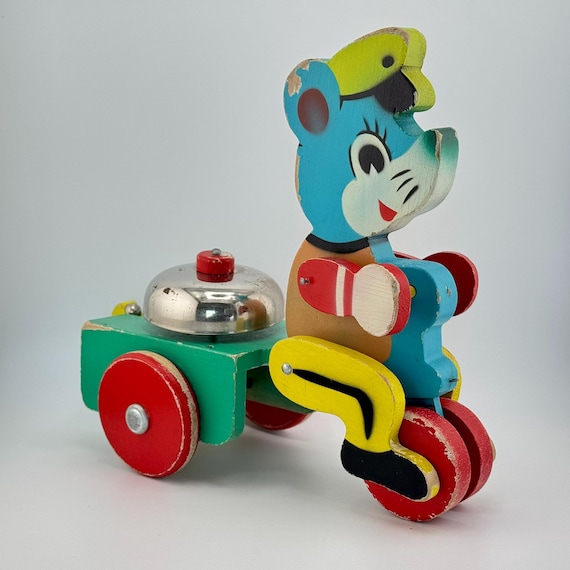
Choosing The Right Paint
Painting a pull along toy can make it look fun and new again. It is important to pick the right paint to keep the toy safe for children.
Choosing the right paint helps protect the child from harmful chemicals and makes the toy last longer.
Non-toxic Options
Non-toxic paints are safe for children and do not have harmful chemicals. These paints reduce the risk of allergies or poisoning.
Look for paints labeled as non-toxic or safe for kids. Water-based acrylic paints are a good choice for pull along toys.
- Water-based acrylic paints
- Milk paints
- Natural clay paints
Durability And Finish Types
Choose paint that stays strong even with rough play. Durable paint keeps the toy looking good for a long time.
Finish types affect how the toy looks and feels. Matte finishes hide scratches, while glossy finishes shine brightly.
- Matte finish hides wear and tear
- Glossy finish adds shine and color pop
- Semi-gloss finish balances shine and durability
Eco-friendly Choices
Eco-friendly paints are better for the planet and safe for kids. These paints use natural ingredients and less harmful chemicals.
Using eco-friendly paint helps reduce pollution and waste. It supports a cleaner environment for future children to enjoy.
- Low-VOC (volatile organic compounds) paints
- Plant-based paints
- Water-based natural paints
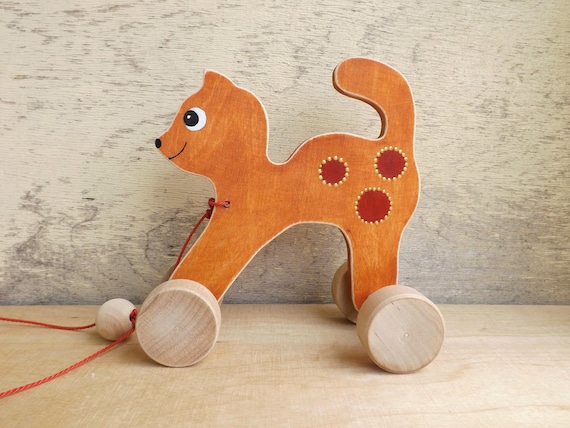
Preparing The Toy Surface
Painting a pull along toy requires good surface preparation. A clean and smooth surface helps the paint stick well and last longer.
Follow these steps carefully to prepare the toy before you start painting.
Cleaning And Sanding
Remove dirt, dust, and grease from the toy. Use warm soapy water and a soft cloth. Rinse and dry completely before sanding.
- Use fine-grit sandpaper to smooth rough spots.
- Sand gently to avoid damaging the toy.
- Wipe off sanding dust with a clean cloth.
Repairing Imperfections
Check the toy for cracks, dents, or chips. Fix these to create an even surface.
| Type of Damage | Repair Method |
| Cracks | Use wood filler or glue designed for toys |
| Dents | Fill with wood putty and sand smooth |
| Chips | Apply filler and reshape carefully |
Priming For Better Adhesion
Apply a primer to help the paint stick well and last longer. Choose a non-toxic primer safe for children’s toys.
Tips for priming:
- Use a brush or spray for even coverage.
- Let the primer dry fully before painting.
- Sand lightly after priming for a smooth finish.
Safe Painting Techniques
Painting a pull along toy can be fun and creative. It is important to follow safe painting methods. This keeps you and others healthy while working.
Using the right techniques also helps the paint last longer and look better. Below are key tips to paint safely and well.
Using Proper Ventilation
Always paint in a well-ventilated area. This reduces harmful fumes from paint and keeps the air fresh.
- Open windows and doors to let fresh air in.
- Use fans to move air out of the room.
- Avoid painting in small closed spaces.
- Wear a mask if you use spray paint.
Applying Thin Coats
Apply paint in thin, even layers. Thick layers can drip and take longer to dry.
| Thin Coats Benefits | Description |
|---|---|
| Faster Drying | Thin coats dry quicker than thick ones. |
| Smoother Finish | Multiple thin layers create a clean surface. |
| Less Paint Waste | Use only the needed amount of paint. |
| Better Control | Easier to fix mistakes between coats. |
Drying Time Between Layers
Wait enough time before adding another layer. This avoids peeling and uneven color.
- Check the paint can for drying time instructions.
- Touch the paint lightly to see if it feels dry.
- Wait longer in cold or humid weather.
- Plan your work to allow proper drying time.

Protecting The Paint
Painting a pull along toy can be fun. Yet, it is important to ensure the paint is protected. Use safe methods to keep the paint intact.
Proper protection ensures the toy lasts long. It also makes sure it is safe for children to play with.
Choosing A Safe Sealant
Selecting the right sealant is crucial. It locks in the paint and keeps it from chipping.
- Look for sealants labeled as non-toxic.
- Choose water-based sealants for easy cleaning.
- Check for quick-drying options to save time.
Methods For Even Coating
An even coat of sealant ensures no part of the toy is missed. This keeps the paint safe all over.
- Use a brush with soft bristles for smooth application.
- Apply thin layers for better coverage.
- Let each layer dry completely before adding another.
Ensuring Non-toxic Finish
The finish should be safe for children. Non-toxic finishes protect both the toy and the child.
| Feature | Importance |
| Non-Toxic | Safe for kids to play with |
| Durable | Lasts longer under play conditions |
| Clear Finish | Preserves the paint's color |
Safety Precautions
Painting a pull along toy can be fun and creative. It is important to follow safety rules to protect yourself and others.
Using safe methods helps avoid accidents and keeps the toy safe for children to play with.
Handling Paint And Tools
Always use non-toxic paint that is safe for children. Wear gloves and old clothes to protect your skin and clothes.
Work in a well-ventilated area to avoid breathing in paint fumes. Keep paint and brushes out of reach of children while working.
- Choose water-based, non-toxic paint
- Wear gloves and protective clothing
- Use brushes carefully to avoid spills
- Paint in a room with open windows or outside
- Keep tools away from children during painting
Keeping Children Safe
Children should not be near the painting area. Make sure they do not touch wet paint or tools.
After painting, let the toy dry completely before giving it to a child. Check that the paint is safe and fully dry.
- Keep children away during painting
- Do not allow children to handle wet paint
- Let the toy dry in a safe, clean place
- Check for paint chips or peeling before use
Proper Disposal Of Materials
Dispose of paint and brushes correctly. Do not pour paint down the drain or throw it in the trash carelessly.
Follow local rules for hazardous waste. Clean brushes with water and dry them before storing or discarding.
- Do not pour leftover paint into sinks or toilets
- Use sealed containers for old paint
- Check local guidelines for hazardous waste disposal
- Clean brushes with water and let them dry
Troubleshooting Common Issues
Painting a pull along toy can be fun but sometimes problems happen. You might see drips, peeling paint, or spots that need fixing.
Knowing how to handle these issues helps you finish the toy safely and nicely.
Fixing Drips And Runs
Drips and runs happen when too much paint is on the brush or surface. They look messy and can ruin the toy’s finish.
To fix drips, wait until the paint is dry. Then, lightly sand the drips smooth with fine sandpaper.
- Use fine sandpaper (220 grit) to avoid scratches
- Sand gently until the surface feels even
- Clean dust off with a soft cloth before repainting
Dealing With Peeling Paint
Peeling paint can happen if the toy was not cleaned or primed before painting. It makes the paint come off in flakes.
To fix peeling, remove loose paint by scraping or sanding. Then, clean the surface and apply primer before painting again.
- Scrape off loose paint with a plastic scraper
- Sand the edges of peeled areas to smooth them
- Wipe clean to remove dust and oils
- Apply a suitable primer to help paint stick
Touch-up Tips
Touching up small spots keeps the toy looking good. Use a small brush and matching paint for best results.
Apply thin layers and let each dry well. This avoids drips and keeps the paint smooth.
- Use a fine brush for small areas
- Match the paint color carefully
- Apply thin coats and let dry between coats
- Avoid over-brushing to prevent texture changes
Frequently Asked Questions
How To Prepare A Pull Along Toy For Painting?
Clean the toy thoroughly to remove dirt and grease. Sand smooth any rough spots. Use painter’s tape to protect areas not to be painted.
What Type Of Paint Is Safe For Pull Along Toys?
Use non-toxic, water-based acrylic paint. It is safe for children and adheres well to wood or plastic surfaces. Avoid oil-based paints.
How To Ensure Paint Is Non-toxic For Children?
Check product labels for "non-toxic" certification. Choose paints approved by ASTM D-4236 or EN71 standards. This ensures safety for kids.
How Many Coats Of Paint Should I Apply?
Apply 2 to 3 thin coats for even coverage. Allow each coat to dry fully before applying the next.
Conclusion
Painting a pull along toy can be fun and safe. Use non-toxic paint to protect children. Work in a well-ventilated area for fresh air. Let the paint dry completely before use. Clean brushes and tools right after painting. Always supervise kids around painted toys.
These steps keep the toy colorful and safe. Enjoy your creative project with peace of mind. Simple care makes a big difference.