Are you looking for a simple way to boost your child's learning and fun at the same time? Playing with a shape sorter toy is one of the best activities you can choose.
It’s not just about fitting shapes into holes—it helps develop your child’s hand-eye coordination, problem-solving skills, and understanding of shapes and colors. In this guide, you’ll discover easy steps to make the most out of your shape sorter toy. Keep reading, and you’ll learn how to turn playtime into a powerful learning experience for your little one.

Choosing The Right Shape Sorter
Shape sorter toys help children learn shapes and improve hand skills. Choosing the right one makes playtime fun and safe.
Look at different factors before buying a shape sorter. This guide focuses on material, size, and age-appropriate designs.
Material And Size Options
Shape sorters come in many materials like plastic, wood, or fabric. Each type feels different and lasts for various times.
Size matters too. Bigger pieces are easier for small hands. Smaller pieces help older kids learn fine motor skills.
- Plastic:Lightweight and easy to clean
- Wood:Durable and natural feeling
- Fabric:Soft and safe for babies
- Large pieces:Best for toddlers
- Small pieces:Good for preschoolers
Age-appropriate Designs
Choose shape sorters made for your child’s age. Toys for babies have big shapes and no small parts. Older kids get more challenging shapes.
Age-appropriate design helps keep children safe and interested. Look for labels that show the right age range.
- Babies (6-12 months): Large shapes, soft materials
- Toddlers (1-3 years): Bigger sorter, simple shapes
- Preschoolers (3-5 years): More shapes, smaller holes
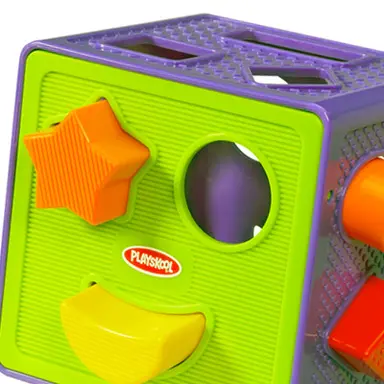
Getting Started With Shapes
The shape sorter toy helps children learn about different shapes. It is a fun way to develop hand-eye coordination and problem-solving skills.
Playing with shapes teaches kids to recognize and match shapes. This is an important skill for early learning.
Identifying Basic Shapes
First, children should learn the names of basic shapes like circle, square, triangle, and rectangle. Knowing these shapes helps them understand the toy better.
Parents or teachers can show each shape and say its name aloud. Repeating the names helps kids remember them.
- Circle: a round shape with no corners
- Square: four equal straight sides
- Triangle: three straight sides
- Rectangle: four straight sides with opposite sides equal
Matching Shapes To Holes
The main goal is to fit each shape into the matching hole on the toy. This helps improve shape recognition and motor skills.
Children should try to match the shape’s edges with the hole’s edges. They can rotate the shapes if they don’t fit at first.
- Pick a shape and look for the hole with the same outline
- Hold the shape and place it near the hole
- Turn the shape if it does not fit right away
- Push the shape gently into the hole
Step-by-step Play Guide
Playing with a shape sorter toy helps children learn shapes and improve hand-eye coordination. This guide explains how to play with it step by step.
Follow these simple steps to help your child enjoy the toy and learn effectively.
Picking Up Shapes
Start by choosing one shape from the pile. Encourage your child to use their fingers to hold the shape gently.
Make sure they pick up only one shape at a time to focus on each one clearly.
Aligning And Inserting Shapes
Look at the shape and find the matching hole on the sorter. Turn the shape so it lines up with the hole’s edges.
Guide the shape toward the hole and gently push it in. If it does not fit, try turning it again.
- Match the shape’s flat sides to the hole
- Hold the shape steady and straight
- Insert slowly to avoid frustration
Checking For Fit
After inserting, see if the shape fits smoothly into the hole. It should slide in without force or gaps.
If the shape does not fit, remove it and try again. This helps your child learn patience and problem-solving.
Encouraging Learning Through Play
Playing with a shape sorter toy helps children learn while having fun. It teaches important skills like recognizing shapes and colors. Kids also practice thinking and solving problems.
Using this toy encourages hands-on learning. It makes learning feel like a game, which keeps children interested and motivated.
Naming Shapes And Colors
Shape sorter toys introduce children to different shapes and colors. Parents and teachers can name each shape as the child plays. This helps children remember the names better.
Talking about colors also helps children learn to identify and say color names. This builds their vocabulary and awareness of the world around them.
- Point to each shape and say its name clearly
- Ask children to find shapes by name
- Repeat color names during play
- Use simple words for easier learning
Building Problem-solving Skills
Shape sorter toys challenge children to fit shapes into the correct holes. This helps them think and try different solutions. They learn patience and how to solve problems step by step.
As children test shapes and adjust their actions, they develop critical thinking. This skill is useful for many learning areas and daily life activities.
- Encourage children to try different shapes
- Ask questions like “Does this shape fit?”
- Celebrate when they find the right spot
- Let them solve problems at their own pace
Making Playtime More Engaging
Playing with a shape sorter toy helps kids learn shapes and improve skills. You can make playtime fun and exciting with simple ideas.
Adding new ways to play keeps children interested and helps them grow. Small changes make a big difference in learning and fun.
Adding Timed Challenges
Use a timer to make sorting shapes faster and more fun. Kids try to fit shapes before the time runs out.
This challenge helps improve hand-eye coordination and speed. It also makes children excited to beat their own time.
- Set a short timer, like 30 seconds
- Count how many shapes fit in that time
- Try to improve the score each time
- Use a stopwatch or phone timer
Playing With Others
Playing with friends or family makes the toy more fun. Kids learn to share and take turns while sorting shapes.
Children can help each other find the right shapes. This builds teamwork and social skills during playtime.
- Take turns picking and sorting shapes
- Cheer for each other’s successes
- Work together to finish all shapes
- Share tips on where shapes fit
Troubleshooting Common Issues
Playing with a shape sorter toy can be fun. Sometimes, kids face challenges. Let's address common issues.
Understanding these challenges helps make playtime enjoyable. We’ll discuss frustration and safety.
Dealing With Frustration
Kids might feel upset if shapes don't fit. It’s important to guide them gently.
- Show them how to match shapes by example.
- Encourage patience and try again together.
- Celebrate small successes to build confidence.
Avoiding Small Part Hazards
Safety is key when playing with small parts. Always supervise playtime to prevent risks.
| Action | Benefit |
| Keep small parts away from young kids | Prevents choking hazards |
| Inspect toys regularly | Ensures all parts are intact |
| Store toys in a safe place | Avoids accidental ingestion |
With these tips, playtime can be safe and fun. Stay attentive and enjoy the learning journey together.
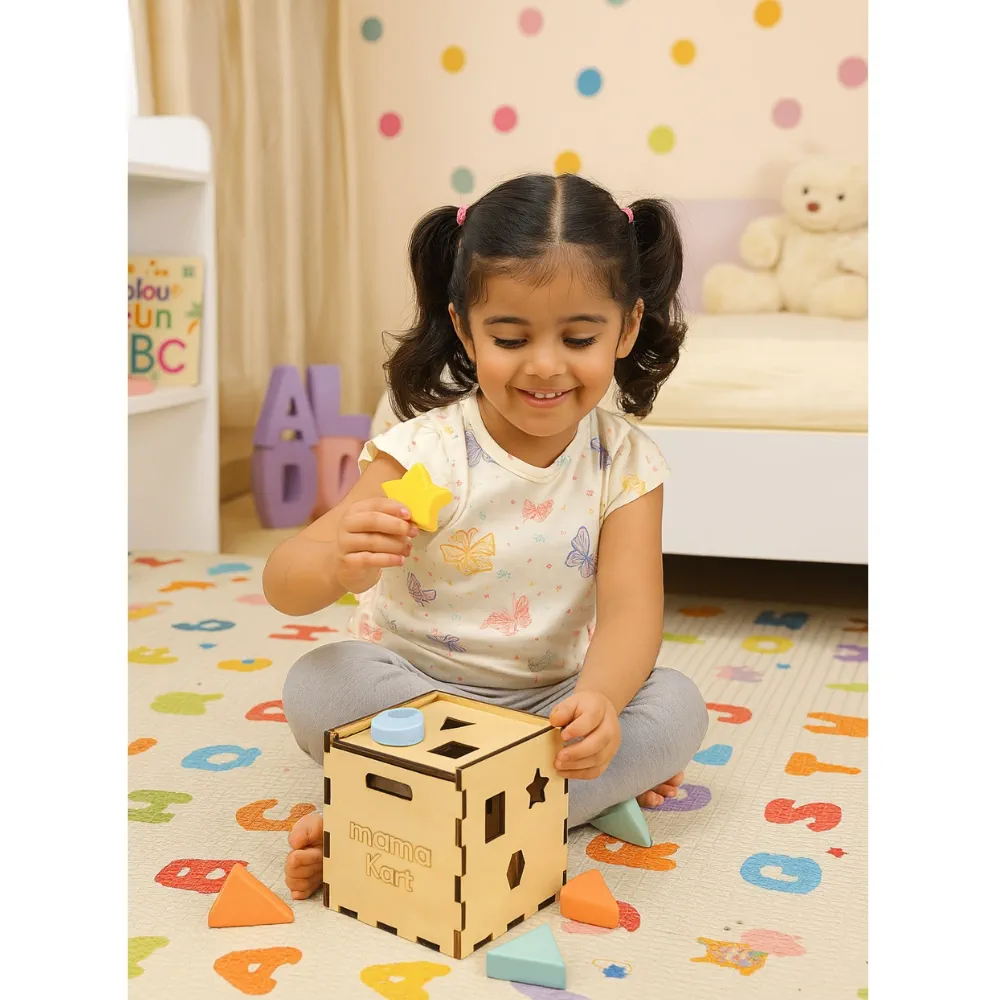
Frequently Asked Questions
What Age Is Suitable For Playing With Shape Sorter Toys?
Shape sorter toys are ideal for children aged 6 months to 3 years. They help develop fine motor skills and shape recognition during early childhood.
How Do Shape Sorter Toys Help Child Development?
These toys improve hand-eye coordination, problem-solving, and cognitive skills. They also teach shape names and colors in a fun, interactive way.
What Are The Basic Steps To Play With A Shape Sorter?
First, identify the shapes and matching holes. Then, guide the child to insert each shape correctly. Praise them to encourage learning through play.
Can Shape Sorter Toys Improve Spatial Awareness?
Yes, they enhance spatial awareness by teaching children how shapes fit into specific spaces. This skill supports later math and reasoning abilities.
Conclusion
Playing with a shape sorter toy helps children learn shapes and colors. It improves hand-eye coordination and problem-solving skills. Kids enjoy fitting shapes into the right holes. This activity encourages patience and focus. Parents can join in to guide and cheer their child.
Shape sorters offer fun and learning at the same time. Keep practicing to see progress every day. Simple, playful moments build strong early skills. Give your child time and space to explore shapes freely. Enjoy watching their confidence grow with each try.