Your child’s bath toys bring hours of fun, but they can also hide germs that you don’t want near your little one. Do you know the best way to keep those toys clean and safe?
If you want to protect your child from harmful bacteria and make bath time worry-free, learning how to properly sanitize bath toys is a must. Keep reading, and you’ll discover simple, effective methods that you can use right now to keep your child’s toys fresh and safe every time.
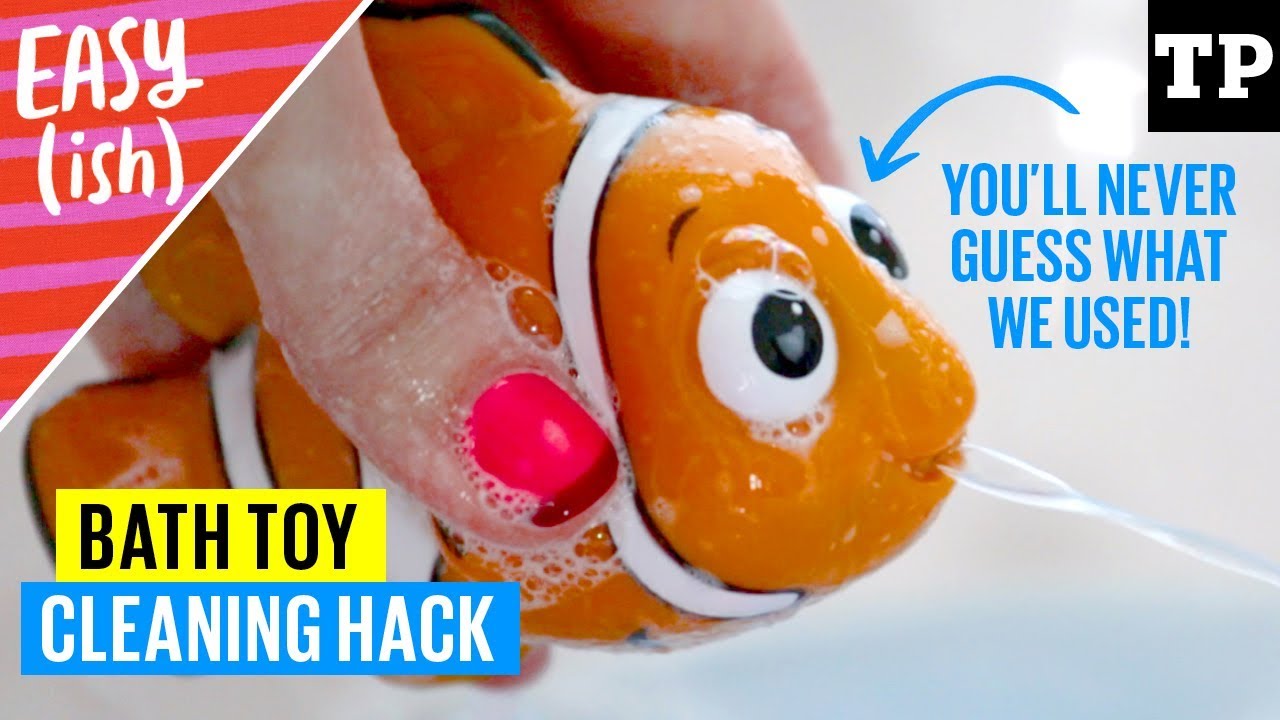
Why Sanitize Bath Toys
Bath toys bring joy to children during bath time. These toys stay wet and warm, creating a perfect place for germs to grow. Regular cleaning is important to keep toys safe and clean. Sanitizing bath toys stops harmful bacteria and mold from spreading. It helps protect your child’s health and keeps bath time fun.
Common Germs On Bath Toys
Bath toys often have bacteria like E. coli and Staphylococcus. These germs grow inside toys where water stays trapped. Mold and mildew also form in moist, dark spots. These germs can cause infections and skin problems. Kids put toys in their mouths, spreading germs easily.
Health Risks For Kids
Dirty bath toys can cause skin rashes and ear infections. Germs may lead to stomach bugs and other illnesses. Children with weak immune systems get sick faster. Clean toys reduce the chance of infections. Sanitizing toys keeps children safe and healthy during bath time.

Materials Safe For Bath Toy Cleaning
Cleaning bath toys is important for your child's health. Choosing the right materials keeps toys safe and clean. Harsh chemicals can harm toys and your child. Safe cleaning agents remove germs without damage. Understanding safe materials helps keep bath time fun and healthy.
Non-toxic Cleaning Agents
Use mild soap and warm water to clean toys. White vinegar is a natural cleaner that kills germs well. Baking soda can help remove dirt and smells. Avoid bleach or strong chemicals that can be harmful. These non-toxic agents keep toys safe for children to use.
Avoiding Damage To Toys
Check the toy’s label for cleaning instructions. Avoid soaking toys with electronic parts. Do not use hot water on plastic toys; it can melt them. Use soft brushes or cloths to clean without scratching. Gentle care keeps bath toys safe and long-lasting.
Simple Cleaning Methods
Keeping bath toys clean is important for your child's health. Simple cleaning methods help remove dirt and germs. These methods use items found in most homes. They are safe, easy, and effective. Regular cleaning stops mold and bacteria buildup. Here are two simple ways to sanitize bath toys.
Soap And Water Wash
Fill a basin with warm water and mild soap. Use a soft cloth or sponge to scrub each toy. Pay attention to holes and crevices where dirt hides. Rinse toys well under running water. Let them air dry completely before the next bath. This method removes dirt and some germs.
Using Vinegar Solution
Mix equal parts white vinegar and water in a container. Soak bath toys in the solution for 10 to 15 minutes. Vinegar kills many bacteria and mold spores. After soaking, scrub toys gently with a brush. Rinse thoroughly with clean water. Allow toys to dry fully before use. Vinegar is a natural, safe cleaner for toys.
Deep Sanitizing Techniques
Deep sanitizing bath toys removes germs and mold that regular cleaning misses. This keeps your child's bath time safe and healthy. Use strong methods to kill bacteria and clean inside the toys. These techniques help maintain hygiene and extend the toy’s life.
Choose a method based on the toy's material and your convenience. Both bleach soaking and dishwasher cleaning are effective for deep sanitizing. Follow clear steps to get the best results without damaging the toys.
Bleach Soak Instructions
Prepare a solution of one tablespoon bleach and one gallon water. Mix well in a large container or sink. Place the bath toys in the solution, making sure they are fully submerged. Let them soak for five minutes only. Remove the toys and rinse them thoroughly with clean water. Allow the toys to air dry completely before use. Avoid soaking for too long to prevent damage. This method kills germs and removes mold inside the toys.
Dishwasher Cleaning
Place bath toys on the top rack of your dishwasher. Use a gentle or normal wash cycle with hot water. Skip the drying cycle to avoid heat damage. Remove toys and let them air dry fully. This method works well for hard plastic toys. Avoid using dishwasher cleaning for toys with electronic parts. It cleans both inside and outside surfaces effectively.
Drying And Storage Tips
Drying and storing bath toys correctly keeps them safe and clean for your child. Proper drying stops water from staying inside the toys. This helps avoid germs and bad smells.
Storing toys in the right way keeps them dry and ready for the next bath. It also keeps mold and mildew away.
Proper Drying Methods
After cleaning, shake out all water from the toys. Leave toys open to air dry completely. Use a clean towel to wipe outside surfaces. Avoid putting toys in a closed container while wet. Place toys in a sunny spot if possible. Sunlight helps kill germs and dries toys faster.
Preventing Mold Growth
Check toys regularly for small holes or cracks. Water trapped inside these spots can cause mold. Squeeze water out after every bath to keep toys dry inside. Store toys in a mesh bag or open basket to allow airflow. Avoid plastic bags or sealed boxes that trap moisture. Clean toys weekly to remove any mold or mildew early.
How Often To Clean Bath Toys
Keeping bath toys clean is important for your child’s health. Regular cleaning stops germs and mold growth. Knowing how often to clean bath toys helps keep them safe. Follow simple steps to keep toys fresh and ready for play.
Daily Maintenance
Rinse toys with warm water after each use. Squeeze out water inside to prevent mold. Wipe toys with a clean cloth or towel. Let toys air dry completely before storing them. This simple routine helps reduce bacteria build-up.
Weekly Deep Cleaning
Soak toys in a solution of water and white vinegar. Use one part vinegar to three parts water. Let toys soak for about 30 minutes. Scrub toys gently with a soft brush if needed. Rinse well with clean water and air dry. Weekly cleaning removes stubborn germs and keeps toys safe.
Signs To Replace Bath Toys
Bath toys bring joy to bath time but need care. Over time, toys can become unsafe. Knowing when to replace them keeps kids safe and healthy. Watch for clear signs that show toys need to go.
Cracks And Mold Issues
Cracks in bath toys trap water and dirt. This creates a perfect place for mold to grow. Mold can cause allergies and infections. If you see mold inside or outside, it’s time to replace the toy. Small cracks can quickly grow bigger. Avoid health risks by checking toys regularly.
Wear And Tear
Bath toys often get worn out from use. Faded colors, loose parts, or missing pieces show wear and tear. Broken toys can have sharp edges or choking hazards. Toys that no longer float or squirt water may have internal damage. Replace toys showing these signs to ensure safe play.
Frequently Asked Questions
How Often Should I Sanitize Bath Toys?
Sanitize bath toys weekly to prevent mold and bacteria growth. Regular cleaning ensures your child's safety and hygiene. Frequent sanitizing keeps toys fresh and reduces health risks associated with dirty bath toys.
What Household Items Can Sanitize Bath Toys Effectively?
You can use white vinegar, baking soda, or bleach diluted with water. These common items kill germs and remove grime safely. Always rinse toys thoroughly after sanitizing to avoid harmful residue.
Can I Use A Dishwasher To Sanitize Bath Toys?
Yes, many plastic bath toys are dishwasher-safe on the top rack. Use a gentle cycle with hot water for effective sanitizing. Avoid toys with electronic parts when using a dishwasher.
Is Boiling Water Safe For Sanitizing Bath Toys?
Boiling water kills germs but may damage some plastic toys. Use it only for durable, heat-resistant toys. Let toys cool and dry completely before giving them back to children.
Conclusion
Sanitizing bath toys keeps your child safe and healthy. Clean toys prevent germs and mold buildup. Use simple methods like vinegar or mild soap. Dry toys completely before storing to avoid bacteria. Regular cleaning helps toys last longer. Make it a fun routine with your child.
Clean toys mean a happier bath time for everyone. Keep these tips handy for easy toy care. Your child deserves clean, safe play every day.