Your child’s toy blocks are more than just colorful pieces; they’re building blocks of creativity and fun. But have you ever thought about how clean those blocks really are?
Germs and bacteria can easily hide on their surfaces, posing a risk to your little one’s health. If you want to keep your child safe and their toys sparkling clean, learning how to sanitize toy blocks properly is a must.
Keep reading, and you’ll discover simple, effective ways to make sure those toys stay fresh and safe every time your child plays.

Why Sanitize Toy Blocks
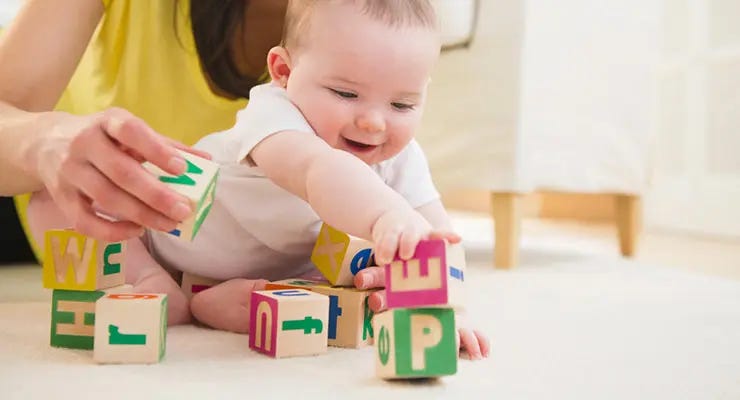
Toy blocks are fun and help children learn. Kids often put them in their mouths or touch them a lot.
Sanitizing toy blocks keeps them clean and safe. It stops germs from spreading between children.
Common Germs On Toys
Toy blocks can carry many germs. These germs come from dirt, saliva, and hands.
Some common germs found on toys include bacteria and viruses. These can cause sickness in children.
- Staphylococcus aureus (causes skin infections)
- Salmonella (causes stomach problems)
- Influenza virus (causes flu)
- Rhinovirus (causes common cold)
Risks Of Unclean Blocks
Dirty toy blocks can make children sick. Germs spread quickly through shared toys.
Children with weak immune systems are at higher risk of infections. Unclean toys can cause stomach aches, colds, and skin rashes.
- Increased chance of illnesses
- Allergic reactions from germs
- Spread of infections in groups
- Longer recovery time for sick children

Safe Cleaning Materials
Keeping toy blocks clean is important for children’s health. Use safe cleaning materials to avoid damage and harm.
Choose gentle products that kill germs but are safe for kids. Avoid harsh chemicals that can cause skin problems.
Recommended Sanitizers
Use mild soap and warm water to clean toy blocks. This removes dirt and some germs safely.
Disinfect with solutions like diluted white vinegar or a small amount of baking soda. They kill germs without strong chemicals.
- Mild dish soap with warm water
- Diluted white vinegar solution
- Baking soda paste for tough spots
- Isopropyl alcohol (70%) for quick sanitizing
- Baby-safe disinfectant wipes
Avoid Harmful Chemicals
Do not use bleach or ammonia on toy blocks. These chemicals can irritate skin and damage toys.
Steer clear of strong solvents or sprays with harsh fragrances. They may leave toxic residues that children can ingest.
- Bleach and ammonia
- Strong solvents like paint thinner
- Sprays with artificial fragrances
- Harsh detergents with dyes
Sanitizing Methods
Keeping toy blocks clean is important to stop germs from spreading. Sanitizing toy blocks is easy with the right methods.
Use safe and simple ways to clean blocks regularly. This helps protect children’s health.
Soap And Water Wash
Soap and water wash is a simple way to clean toy blocks. Use warm water and mild soap to remove dirt and germs.
Scrub the blocks gently with a soft cloth or brush. Rinse well and let them dry completely before use.
Disinfecting Wipes
Disinfecting wipes clean and kill germs quickly. Choose wipes that are safe for plastic surfaces.
Wipe each block carefully and allow it to air dry. This method is fast and good for quick cleaning.
Vinegar Solution
Vinegar is a natural cleaner that kills many germs. Mix equal parts white vinegar and water in a spray bottle.
Spray the solution on the blocks and wipe them with a cloth. Let the blocks dry fully before use.
Dishwasher Cleaning
Some toy blocks can be cleaned in the dishwasher. Place the blocks on the top rack to avoid heat damage.
Use a gentle cycle with no added detergent. Dry the blocks well before letting children play with them.
Drying And Storage Tips
Keeping toy blocks clean is important for children's health. Drying and storing blocks properly helps keep them safe and in good shape.
Proper drying stops germs from growing. Good storage keeps blocks organized and ready to use.
Proper Drying Techniques
After washing toy blocks, drying them well is important. Wet blocks can grow mold and bacteria.
Use a clean towel to pat dry blocks first. Then, let them air dry completely before storing.
- Spread blocks out on a dry towel in a single layer
- Place blocks in a well-ventilated area
- Avoid stacking blocks while still wet
- Use a fan to speed up drying if needed
Best Storage Practices
Store toy blocks in a clean, dry place to keep them safe. Avoid damp or dusty spots that cause damage.
Use containers or bins with lids to keep blocks dust-free. Label containers to find blocks easily.
- Choose plastic bins or boxes with tight lids
- Keep storage containers off the floor to prevent moisture
- Sort blocks by size or type for easy access
- Clean storage areas regularly to prevent dust build-up
Frequency Of Cleaning
Keeping toy blocks clean is important for children’s health. Regular cleaning removes dirt and germs that toys collect.
The frequency of cleaning depends on how often the blocks are used and who is playing with them.
Daily Maintenance
Daily cleaning helps keep toy blocks safe and fresh. Wipe them down with a damp cloth or use mild soap and water.
Focus on removing visible dirt and sticky spots after each use. This prevents germs from building up.
- Use a soft cloth or sponge
- Clean blocks after playtime
- Dry blocks completely before storing
Deep Cleaning Schedule
Deep cleaning should be done weekly or biweekly. This removes hidden germs and ensures thorough sanitation.
Soak blocks in warm, soapy water or use a safe disinfectant. Rinse well and air dry fully before use.
- Soak blocks for 10-15 minutes
- Use a mild detergent or disinfectant safe for toys
- Rinse with clean water to remove residue
- Let blocks air dry on a clean towel
- Check blocks for damage before returning to play
Special Care For Different Materials
Sanitizing toy blocks is important to keep children safe from germs. Different materials need different cleaning methods. This guide will help you sanitize plastic, wooden, and fabric toy blocks.
Plastic Blocks
Plastic blocks are easy to clean. You can wash them with soap and water. Make sure to rinse them well.
- Fill a basin with warm soapy water
- Soak the blocks for 10 minutes
- Rinse thoroughly with clean water
- Dry with a clean towel
Wooden Blocks
Wooden blocks need special care. Water can damage wood, so use a damp cloth instead. Avoid soaking them.
- Mix a small amount of vinegar with water
- Dip a cloth in the solution
- Wipe each block gently
- Dry with a soft cloth immediately
Fabric Or Soft Blocks
Fabric blocks can often be machine washed. Check the care label first. Use a gentle cycle to avoid damage.
| Wash Temperature | Cold |
| Cycle Type | Gentle |
| Detergent | Mild |
| Drying | Air dry |
Frequently Asked Questions
How Often Should Toy Blocks Be Sanitized?
Toy blocks should be sanitized weekly to prevent germ buildup. More frequent cleaning is needed if children are sick or blocks are heavily used.
What Is The Safest Way To Sanitize Toy Blocks?
Use a mild soap and warm water solution for safe cleaning. Avoid harsh chemicals to protect children’s health and block materials.
Can I Use A Dishwasher To Sanitize Toy Blocks?
Yes, most plastic toy blocks are dishwasher-safe on the top rack. Use a gentle cycle and avoid high heat to prevent damage.
How Do I Sanitize Wooden Toy Blocks Safely?
Wipe wooden blocks with a cloth dipped in vinegar and water. Avoid soaking to prevent wood warping or cracking.
Conclusion
Sanitizing toy blocks keeps children safe and healthy. Clean blocks often to remove dirt and germs. Use gentle soap and warm water for best results. Avoid harsh chemicals that might harm kids. Dry blocks completely before giving them back. Regular cleaning helps prevent illness and keeps playtime fun.
Simple steps make a big difference in hygiene. Keep toys fresh, safe, and ready to use anytime. Clean toys, happy kids. Easy to do, important to remember.