Do you want to make your dolls look even more special? Sewing toy clothing for dolls is a fun and creative way to bring their outfits to life.
Whether you’re a beginner or just looking for fresh ideas, this guide will help you create charming clothes that fit perfectly. Imagine the joy of seeing your doll dressed in something you made with your own hands. Ready to start?
Let’s dive into simple steps that will turn your ideas into beautiful doll clothes!
Choosing The Right Fabric
Sewing toy clothing for dolls needs careful fabric choice. The fabric must be easy to cut and sew.
Picking the right fabric helps clothes fit well and last long. Let’s explore key points to consider.
Best Fabrics For Doll Clothes
Some fabrics work better for doll clothes than others. Cotton, fleece, and felt are popular choices.
- Cotton:Soft and easy to sew. Comes in many colors and patterns.
- Fleece:Warm and stretchy. Good for jackets and hats.
- Felt:Thick and stiff. Great for simple shapes and decorations.
- Knits:Stretchy and comfy. Use for t-shirts or dresses.
Fabric Weight And Stretch
Lightweight fabrics are easier to sew and fit small dolls better. Heavy fabrics can look bulky.
| Fabric Type | Weight | Stretch | Best Use |
| Cotton | Light to Medium | Low | Dresses and shirts |
| Fleece | Medium | Medium | Coats and hats |
| Felt | Heavy | None | Simple shapes |
| Knits | Light | High | Tops and leggings |
Prepping Fabric For Sewing
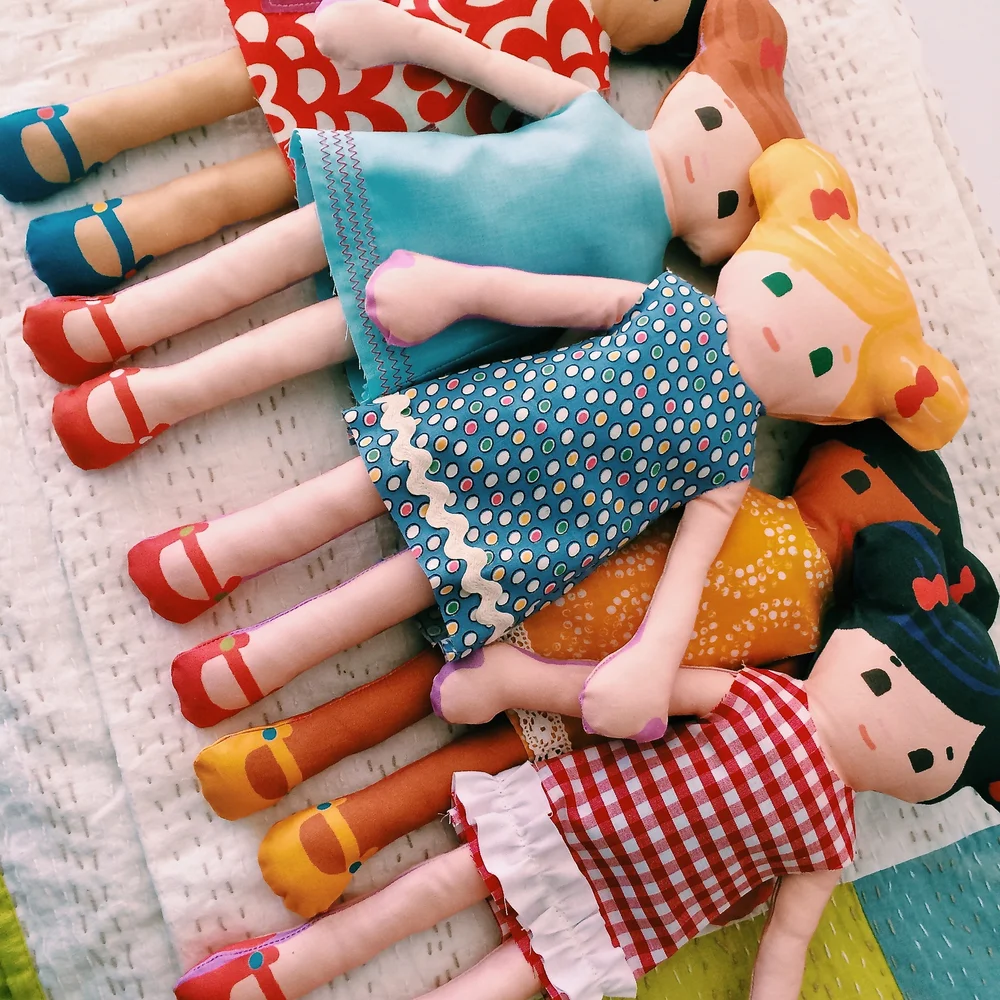
Wash and iron fabric before cutting. This stops shrinking and removes wrinkles.
- Pre-wash fabric in cold water to avoid shrinkage.
- Iron fabric flat to make cutting easier.
- Use sharp scissors for clean edges.
- Pin fabric layers to keep them aligned.
Credit: www.phoebeandegg.com
Gathering Essential Tools
Sewing toy clothing for dolls is fun and creative. Having the right tools makes your work easier.
Using good tools helps you make neat and well-fitted clothes for your dolls. Let's look at what you need.
Sewing Needles And Threads
Choose needles that fit the fabric and size of the doll clothes. Small needles work best for tiny stitches.
Pick threads that are strong and match the color of your fabric. Polyester thread is a good choice.
- Use fine hand sewing needles, size 7 or 8
- Try embroidery needles for detailed work
- Select thread that blends with fabric color
- Polyester thread lasts longer and resists breakage
Measuring Tools
Measuring tools help you get the right size for doll clothes. Accuracy is important for a good fit.
A flexible tape measure is best for measuring curves and small body parts of dolls.
- Use a soft tape measure for easy wrapping
- Rulers help measure straight fabric edges
- A small seam gauge checks seam allowances
- Mark measurements clearly on fabric
Cutting Supplies
Good cutting tools make clean fabric edges. This helps your doll clothes look neat and last longer.
Sharp scissors designed for fabric are easier to control and cut precisely.
- Fabric scissors cut smoothly without fraying
- Small embroidery scissors help with detailed cuts
- Use pins or fabric weights to hold fabric steady
- A rotary cutter works well on flat fabric pieces
Taking Accurate Measurements
Making clothes for dolls needs precise measurements. Accurate sizes help the clothes fit well and look nice.
Taking careful measurements stops the clothes from being too tight or too loose on the doll.
Measuring Doll Dimensions
Start by measuring the doll’s key body parts with a soft tape measure. Measure the height, chest, waist, and hips.
Also, measure the doll’s arm length and neck size for sleeves and collars. These are important for making sleeves and tops.
- Height: top of head to feet
- Chest: around the widest part
- Waist: narrowest middle part
- Hips: widest lower part
- Arm length: shoulder to wrist
- Neck: around the base
Recording Measurements
Write down each measurement clearly. Use a notebook or a digital note app to keep them safe.
Label each number with its body part to avoid confusion. Check the numbers twice to be sure they are correct.
- Use clear labels like chest, waist, or arm length
- Keep your notes organized in one place
- Double-check measurements before starting to sew
Adjusting For Comfort
Add a little extra space to measurements for comfort and ease of movement. This helps the doll wear the clothes easily.
Usually, add about 0.5 to 1 cm to each measurement. This small allowance prevents tight clothes and makes dressing simpler.
- Add 0.5 to 1 cm to chest, waist, and hips
- Allow extra space in armholes and sleeves
- Check the fit by testing a sample piece

Credit: www.youtube.com
Creating Simple Patterns
Making toy clothes for dolls starts with simple patterns. Patterns guide your cutting and sewing. They help shapes fit the doll well.
Simple patterns let you try new designs with less effort. You can draft, adjust, and reuse them easily for many projects.
Drafting Basic Shapes
Start by drawing basic shapes like rectangles, circles, and triangles. These shapes form the parts of doll clothes. For example, rectangles can be sleeves or skirt panels.
- Measure the doll carefully before drawing.
- Use simple shapes for each clothing piece.
- Allow extra space for sewing seams.
- Draw shapes on paper first to check size.
Using Paper Templates
Paper templates help you cut fabric accurately. You can create templates by tracing your shapes on stiff paper. Cut them out to use again and again.
| Template Type | Use |
| Front Bodice | Cut front fabric piece |
| Back Bodice | Cut back fabric piece |
| Sleeve | Cut sleeve fabric |
| Skirt Panel | Cut skirt fabric |
Customizing Patterns
Adjust patterns to fit your doll’s size and style. You can change lengths, widths, or add design details. Test changes by making a paper mockup first.
- Change sleeve length for different looks.
- Add ruffles by increasing fabric width.
- Make necklines wider or narrower.
- Use fabric scraps to test pattern changes.
Cutting Fabric Pieces
Cutting fabric pieces is an important part of making doll clothes. It helps ensure the clothes fit well and look neat.
Before cutting, prepare your fabric and tools carefully. This saves time and prevents mistakes.
Laying Out Patterns
Place your patterns on the fabric before cutting. Arrange them to use fabric efficiently and reduce waste.
- Lay the fabric flat on a clean surface.
- Pin the paper patterns to the fabric.
- Make sure the grain of the fabric matches the pattern's grainline.
- Place larger pieces first, then fit smaller ones around them.
Cutting Techniques
Use sharp scissors or a rotary cutter to get clean edges. Cut slowly to follow the pattern lines accurately.
- Hold the fabric steady with one hand.
- Cut along the edge of the pattern with smooth, even strokes.
- Avoid lifting the fabric too much to keep the shape.
- Keep scissors clean and sharp for best results.
Marking Seam Allowances
Seam allowances are extra fabric edges for sewing. Mark them clearly to know where to stitch.
| Tool | Use |
| Fabric chalk | Draw marks that wash away easily |
| Tailor’s pencil | Make light, visible lines on fabric |
| Tracing wheel and paper | Transfer pattern marks onto fabric |
| Pins | Mark points without drawing |
Sewing Basic Seams
Sewing basic seams is an important skill for making doll clothes. It helps pieces of fabric stay together.
You can sew seams by hand or with a sewing machine. Finishing seams neatly makes clothes look good.
Hand Stitching Methods
Hand sewing is useful for small doll clothes or tight spaces. It lets you control each stitch carefully.
Common hand stitches for seams include running stitch and backstitch. Backstitch is strong and holds fabric well.
- Running stitch:Simple, quick, but less strong.
- Backstitch:Strong, good for seams that need durability.
- Slip stitch:Used to close openings invisibly.
Using A Sewing Machine
A sewing machine makes seams faster and more even. It is good for making many doll clothes quickly.
Set your machine to a straight stitch. Use a short stitch length for small seams on doll clothes.
- Use fine needles to avoid holes in small fabric.
- Sew slowly to keep control on tiny pieces.
- Press seams open with an iron for a flat finish.
Finishing Seams Neatly
Finishing seams stops fabric from fraying. It makes doll clothes last longer and look cleaner.
You can finish seams by trimming, folding, or using simple stitches. Choose the way that fits your fabric.
- Trim seam allowances close to stitches to reduce bulk.
- Use pinking shears to cut fabric edges and prevent fraying.
- Fold seam edges inside and sew a tight zigzag stitch.
- Press seams flat with an iron for a smooth look.
Adding Fasteners And Details
Adding fasteners and details makes doll clothes easier to use. These small parts help the clothes stay on dolls well.
Fasteners like Velcro, snaps, buttons, and hooks add function. Decorative elements make the clothes look special.
Attaching Velcro And Snaps
Velcro is soft and sticks quickly. It works well for doll clothes that need to open and close fast.
Snaps are small metal or plastic fasteners. They hold clothes tightly and look neat on the fabric.
- Cut small pieces of Velcro to fit the opening.
- Sew Velcro edges carefully to avoid fraying.
- Place snaps evenly for a good fit.
- Use a snap tool or sew-on snaps to attach.
Sewing Buttons And Hooks
Buttons add a classic look to doll clothes. Choose small buttons that fit the doll's size.
Hooks are good for tight closures. They keep clothes secure and are easy to sew in place.
- Pick buttons with two or four holes for easy sewing.
- Use strong thread to hold buttons firmly.
- Sew hooks on edges where fabric overlaps.
- Check that buttons and hooks fasten easily.
Decorative Elements
Decorative details make doll clothes look unique. Add lace, ribbons, or small patches to decorate.
These extras do not affect function but improve style. Sew decorations securely to avoid loose threads.
- Sew lace along hems or sleeves.
- Attach ribbons with small stitches.
- Use fabric glue for tiny patches.
- Add beads or sequins carefully by hand.

Credit: leahday.com
Fitting And Adjusting Clothes
Sewing clothes for dolls is fun, but making sure the clothes fit well is important. Clothes that fit right look better and last longer. This guide helps you check and adjust doll clothes for a perfect fit.
Follow these simple steps to try clothes on your dolls, make size changes, and add final touches for neat and comfortable outfits.
Trying Clothes On Dolls
After sewing, place the clothes gently on the doll. Check if the outfit fits without being too tight or loose. Look closely at the shoulders, waist, and sleeves to see if they match the doll’s shape.
Make the doll move its arms and legs to test if the clothes allow easy movement. Clothes should not block the doll’s joints or fall off easily.
Making Size Adjustments
Mark any spots that feel tight or loose. Use pins or chalk to show where to cut or sew. Small changes can make a big difference in fit.
- Take in seams if the clothes are too wide.
- Let out seams if the clothes are too tight.
- Adjust hems for the right length.
- Change fasteners like buttons or Velcro if needed.
Try the clothes on the doll again after each change. Repeat until the fit feels just right.
Final Touches
| Task | Purpose |
| Sew loose threads | Keep clothes neat and strong |
| Add trims or buttons | Improve look and fit |
| Press with low heat iron | Make fabric smooth |
| Check final fit | Ensure comfort and style |
These small details give your doll’s clothes a polished and professional look. Well-fitted clothes make your dolls look their best and keep them ready for play.
Caring For Doll Clothes
Doll clothes need gentle care to stay nice and last long. Taking care of them keeps the colors bright and fabric soft.
Simple cleaning and storage help prevent damage. Fixing small tears early also makes doll clothes look good longer.
Washing Tips
Wash doll clothes by hand with mild soap to avoid damage. Use cool water to keep colors from fading.
Rinse clothes well and press gently to remove water. Do not twist or wring the fabric because it can stretch or tear.
- Use a small basin or bowl for washing
- Soak clothes for a few minutes only
- Air dry on a flat surface away from sunlight
Storage Ideas
Store doll clothes in a cool, dry place to avoid mold or mildew. Keep them away from direct sunlight to protect colors.
Use small boxes or fabric bags to keep clothes organized and dust-free. Label boxes if you have many outfits.
- Fold clothes gently to avoid creases
- Place tissue paper between layers for softness
- Keep small accessories in separate pouches
Repairing Wear And Tear
Check doll clothes often for loose threads or small holes. Fix these problems before they get bigger.
Use a needle and thread that match the fabric color. Sew gently with small stitches for a neat repair.
- Trim loose threads carefully
- Patch holes with similar fabric pieces
- Replace missing buttons or fasteners promptly
Frequently Asked Questions
What Materials Do I Need To Sew Doll Clothes?
You need fabric, thread, needles, scissors, pins, and doll clothing patterns. Choose soft, lightweight fabrics like cotton or fleece for easy sewing and dressing.
How Do I Measure Dolls For Clothing?
Measure the doll’s height, chest, waist, and hips with a soft tape. Note these dimensions to create accurate, well-fitting clothing patterns for your doll.
What Sewing Techniques Work Best For Toy Clothing?
Use simple stitches like running stitch or backstitch for durability. Hand-sewing is common, but you can use a sewing machine for faster results.
Can I Use Recycled Fabric For Doll Clothes?
Yes, old clothes, fabric scraps, or leftover materials are great. Ensure the fabric is clean and suitable for small, detailed sewing projects.
Conclusion
Sewing toy clothing for dolls can be fun and rewarding. Start with simple patterns and fabrics. Take your time to sew carefully and neatly. Practice helps you improve your skills quickly. Dress your dolls with clothes you made yourself. Enjoy the process and be creative.
Each piece you sew makes your dolls special. Keep trying, and you will get better soon. Happy sewing!