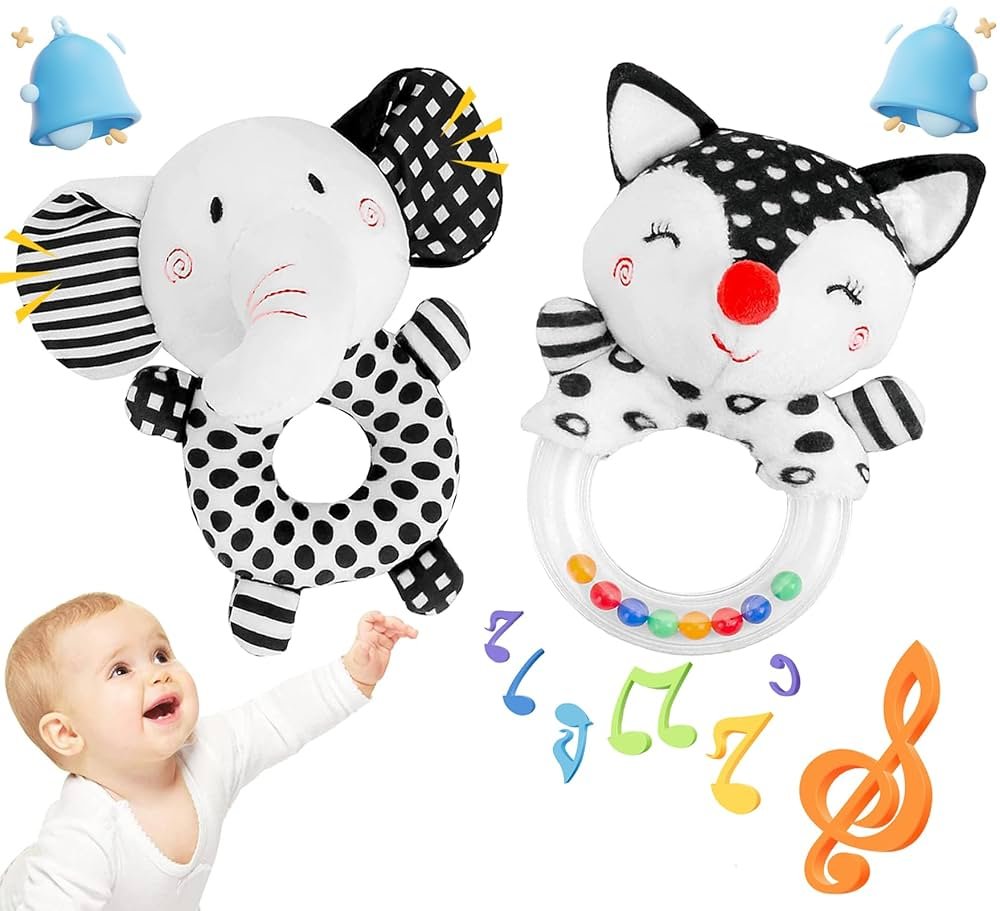
Are you looking for a fun and safe way to keep your little one entertained while helping them grow? Infant activity center toys could be just what you need.
These colorful, engaging toys are designed to stimulate your baby’s senses and encourage important skills like hand-eye coordination and motor development. Imagine your baby’s smile as they explore new textures, sounds, and shapes right from their own activity center. Keep reading to discover how the right toys can turn playtime into a joyful learning experience for your child—and give you some well-deserved peace of mind.

Credit: www.ebay.ca
Benefits Of Infant Activity Centers
Infant activity centers offer a safe space for babies to play and learn. They help babies grow by giving them new ways to explore.
These centers combine fun toys with important learning tools. Babies develop skills while they enjoy their time.
Boosting Motor Skills
Infant activity centers help babies improve their motor skills. They encourage reaching, grabbing, and moving their legs.
- Strengthen arm and leg muscles
- Improve hand-eye coordination
- Encourage balance and posture control
Encouraging Sensory Exploration
These toys offer different textures, colors, and sounds. Babies learn about their world by using their senses.
| Sense | Activity Center Feature |
| Touch | Soft and rough surfaces |
| Sight | Bright colors and shapes |
| Hearing | Rattles and bells |
Promoting Cognitive Growth
Activity centers help babies think and solve problems. They learn cause and effect by playing with toys.
Key cognitive benefits include:
- Understanding how things work
- Improving memory through repeated actions
- Learning to focus and pay attention
Types Of Infant Activity Center Toys
Infant activity center toys help babies explore and learn. They keep babies busy and support their growth.
There are different types of activity centers for infants. Each type offers unique features and benefits.
Stationary Activity Centers
Stationary activity centers stay in one place. They have a stable base that does not move.
These centers often include toys, mirrors, and sounds. Babies can sit or stand while playing safely.
- Large base for stability
- Built-in toys and activities
- Encourages sitting and standing
- Usually plugs into a power source
Portable And Foldable Designs
Portable activity centers are easy to carry. They fold or collapse for simple storage and travel.
These designs help parents move the toy from room to room. Babies enjoy playtime anywhere.
- Lightweight and compact
- Folds flat for storage
- Battery powered for portability
- Ideal for small spaces and travel
Multi-functional Play Stations
Multi-functional play stations combine many activities in one. They grow with the baby over time.
These stations may include seats, toys, and learning tools. Babies can switch between different play modes.
- Adjustable settings for age
- Multiple toys and activities
- Encourages motor skills and learning
- Can be used for sitting, standing, or crawling
Choosing The Right Activity Center
Infant activity centers help babies learn and play safely. Picking the right one can support your child's growth.
There are many types of activity centers. Focus on safety, comfort, and age suitability for the best choice.
Age And Developmental Stage
Choose an activity center that fits your baby's age. Toys should match their skills and interests.
Activity centers with adjustable features grow with your child. Look for centers that support different stages.
- For 3-6 months: simple toys for grasping and sensory play
- For 6-9 months: interactive parts to encourage movement
- For 9-12 months: sturdy centers for standing and exploring
Safety Features To Consider
Safety is the most important factor in choosing an activity center. Make sure it has no sharp edges or small parts.
Check for stable bases and secure straps. The center should not tip over easily or collapse during use.
- Non-toxic materials and paint
- Wide, stable base to prevent tipping
- Strong, adjustable safety straps
- No small parts that can be swallowed
- Easy to clean surfaces
Material And Durability
Choose activity centers made from durable, child-safe materials. They should handle rough play without breaking.
Plastic centers are easy to clean. Wooden ones are sturdy but may need more care.
- High-quality plastic is lightweight and washable
- Wood offers strong support but can be heavier
- Check for smooth finishes without splinters
- Parts should fit tightly without gaps
Top Features To Look For
Infant activity center toys help babies learn and have fun. Choosing the right one is important for safety and growth.
Look for features that support your baby’s needs and make playtime easier for you.
Interactive Elements
Interactive parts keep babies interested and encourage learning. Toys with buttons, lights, and sounds teach cause and effect.
These features help develop hand-eye coordination and motor skills.
- Buttons that make sounds or music
- Spinning wheels and flipping pages
- Textured surfaces for touch
- Bright colors to attract attention
Adjustable Height And Seat
Babies grow fast, so adjustable height is useful. It lets you change the seat height as your baby grows.
This feature keeps your baby comfortable and supports healthy posture while playing.
- Multiple height settings for different ages
- Seat that supports baby’s back well
- Easy to adjust without tools
- Stable base to prevent tipping
Easy To Clean Surfaces
Babies make messes during playtime. Toys with smooth, wipeable surfaces save time and keep things hygienic.
Removable parts also help you clean hard-to-reach areas.
- Water-resistant materials
- Removable trays or toys
- Non-porous plastic surfaces
- Machine-washable seat covers
Incorporating Learning Through Play
Infant activity center toys help babies learn while they play. These toys support early brain development.
Learning through play builds skills like thinking, seeing, and hearing in fun ways.
Color And Shape Recognition
Toys with bright colors and different shapes catch babies’ attention. This helps them learn to identify colors and shapes.
- Red circles and blue squares
- Yellow triangles and green rectangles
- Soft shapes that babies can hold
- Blocks with contrasting colors
Sound And Music Engagement
Sound toys teach babies to listen and react. Music toys encourage movement and rhythm skills.
| Type of Sound | Example Toy | Learning Benefit |
| Rattles | Handheld shaker | Hearing and grasping |
| Musical buttons | Interactive piano | Cause and effect |
| Chimes | Hanging bells | Sound recognition |
Cause And Effect Activities
These toys show babies how their actions create results. This builds problem-solving skills.
Pressing this button shows cause and effect.
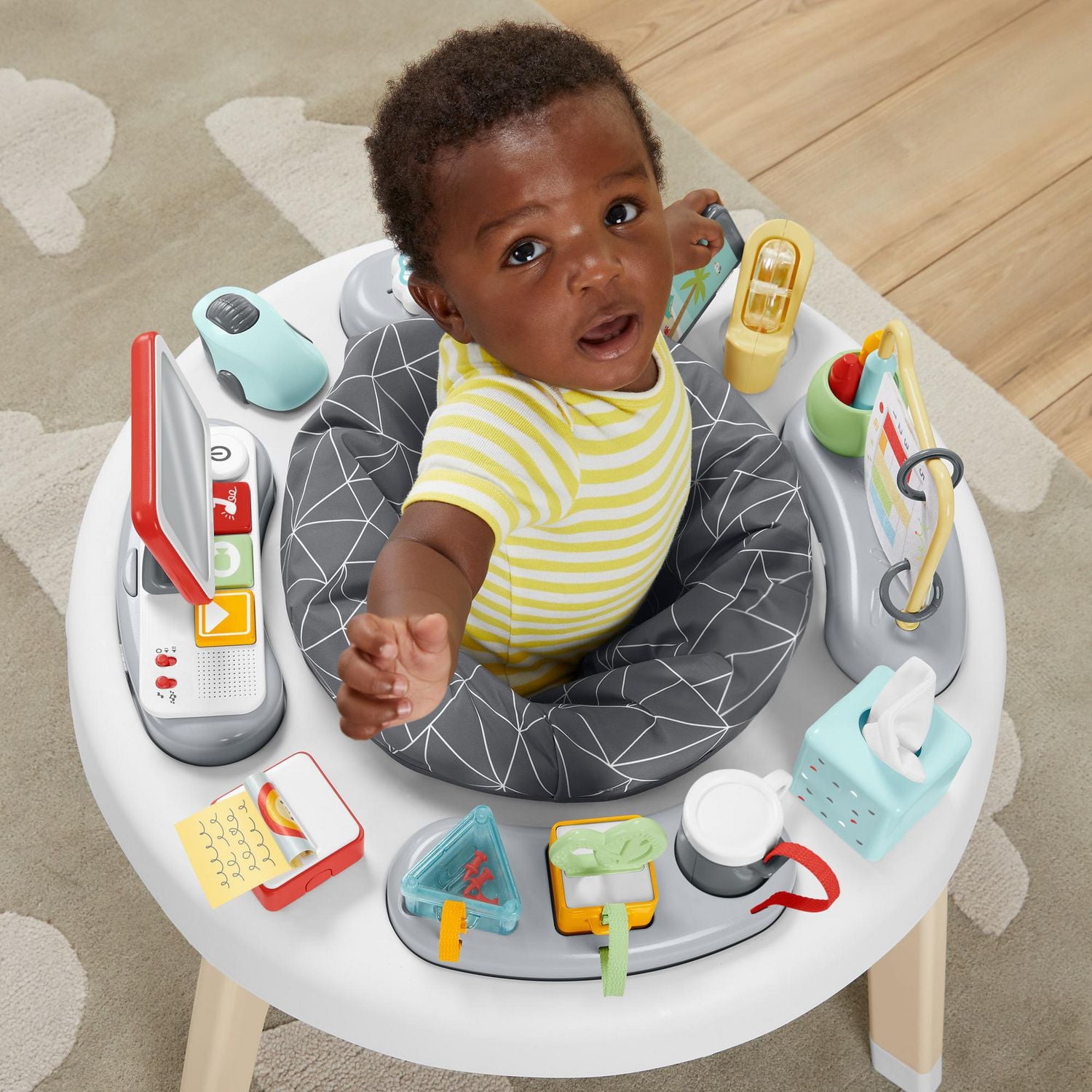
Credit: www.walmart.ca
Popular Brands And Models
Infant activity center toys are popular among parents. They help in developing motor skills and coordination. These toys come in various brands and models.
Choosing the right activity center can be challenging. Here are some of the most popular options available in the market today.
Best Sellers In The Market
Many parents prefer well-known brands for their reliability and quality. These brands offer engaging and safe toys for infants.
- Fisher-Price Rainforest Jumperoo
- Baby Einstein Neighborhood Symphony
- Skip Hop Explore & More
Budget-friendly Options
Not all great toys come with a high price. There are several budget-friendly options that provide excellent value.
| Brand | Model | Price |
| Evenflo | ExerSaucer Jump & Learn | $70 |
| Bright Starts | Playful Parade | $50 |
| Summer Infant | Pop N' Jump | $60 |
Premium And Innovative Choices
For those seeking the latest features, premium models offer advanced options. These toys are designed to stimulate and entertain infants in multiple ways.
Consider these innovative features:
- Interactive sounds and lights
- 360-degree rotating seats
- Adjustable height settings
Safety Tips For Using Activity Centers
Infant activity centers are popular toys for young children. They offer fun and learning experiences. Parents must ensure they use these toys safely.
Following safety guidelines can prevent accidents. Here are some tips for using activity centers safely.
Supervision Guidelines
Always watch your child when they use an activity center. Supervision helps prevent falls or other accidents.
Ensure your child stays seated properly. Do not let them stand or climb in the center.
- Stay close by for quick assistance
- Check that the straps are secure
- Keep the area around the center clear
Regular Maintenance Checks
Inspect the activity center regularly. Look for any broken or loose parts. Regular checks ensure the toy remains safe for use.
Clean the center often to remove dirt and germs. A clean toy keeps your child healthy.
- Check for sharp edges or cracks
- Tighten loose screws or bolts
- Replace any broken toys or parts
Avoiding Common Hazards
Keep small parts away from children. They can be a choking hazard. Always follow age recommendations on the toy.
Place the activity center on a flat, stable surface. This prevents tipping over. Never put the center near stairs or edges.
- Remove toys with small detachable parts
- Use the center on a carpeted area for safety
- Avoid placing near cords or strings

Credit: www.amazon.ca
Diy And Customization Ideas
Infant activity center toys keep babies busy and help their development. Making your own or customizing them adds fun and learning.
These ideas let you create unique toys that fit your baby's needs. You can add textures, colors, and shapes for more interest.
Adding Personal Touches
Personal touches make activity centers special and meaningful. Use your baby's name or favorite colors to decorate.
Handmade decorations like felt shapes or fabric patches add a soft feel. You can sew or glue them safely on the toy.
- Use fabric paint to write your baby’s name
- Sew small stuffed shapes for texture
- Attach colorful ribbons or tags for grabbing
- Choose bright colors to catch baby’s eye
Creating Sensory Add-ons
Sensory add-ons help babies explore through touch, sight, and sound. Soft fabrics, crinkly materials, and mirrors work well.
Adding different textures and noises keeps babies curious. You can use safe household items to create these features.
- Attach crinkly fabric pieces that make noise
- Add soft patches with different textures
- Include small mirrors for visual play
- Use rattles or bells inside soft toys
Upcycling Old Toys
Old toys can get new life in your infant’s activity center. Clean and check them before attaching for safety.
Cut or reshape toys to fit the center. Use parts like buttons, wheels, or blocks to create new features.
- Use old soft toys as plush add-ons
- Attach puzzle pieces for tactile play
- Repurpose buttons and beads for grabbing
- Combine toy parts with fabric or wood bases
Frequently Asked Questions
What Age Is Best For Infant Activity Center Toys?
Infant activity center toys are ideal for babies aged 4 to 12 months. They support early development and motor skills. Always check the manufacturer's age recommendations for safety.
How Do Activity Center Toys Benefit Infants?
These toys enhance hand-eye coordination, sensory skills, and motor development. They also encourage exploration and cognitive growth through interactive play.
Are Activity Center Toys Safe For Newborns?
Activity centers are generally not recommended for newborns. Babies should have good head control and be able to sit up before using these toys.
What Features Should I Look For In Activity Center Toys?
Look for bright colors, multiple textures, sounds, and interactive elements. Choose sturdy, non-toxic materials and adjustable heights for comfort and safety.
Conclusion
Infant activity center toys help babies learn and have fun. They keep little hands busy and minds sharp. These toys support movement, touch, and sound skills. Choosing the right toy makes playtime safe and enjoyable. Parents enjoy watching their babies explore and grow.
Simple designs often work best for young children. Play is an important part of a baby’s day. These toys bring joy and help build early skills. Keep the space safe and clean for play. A happy baby means happy parents too.