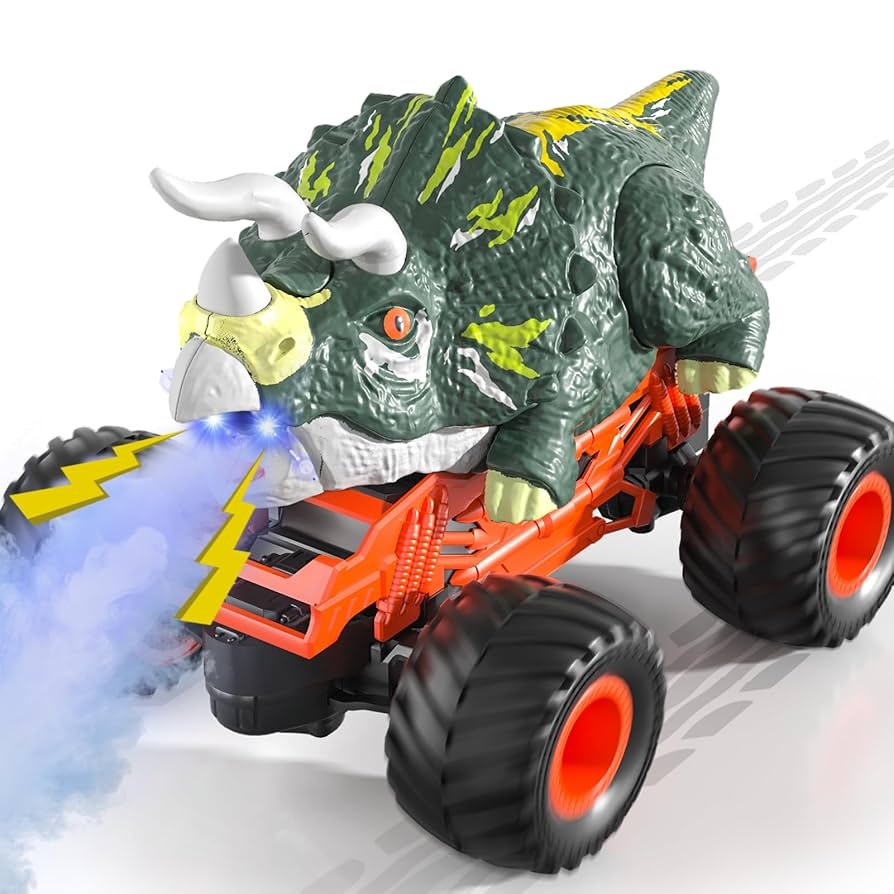
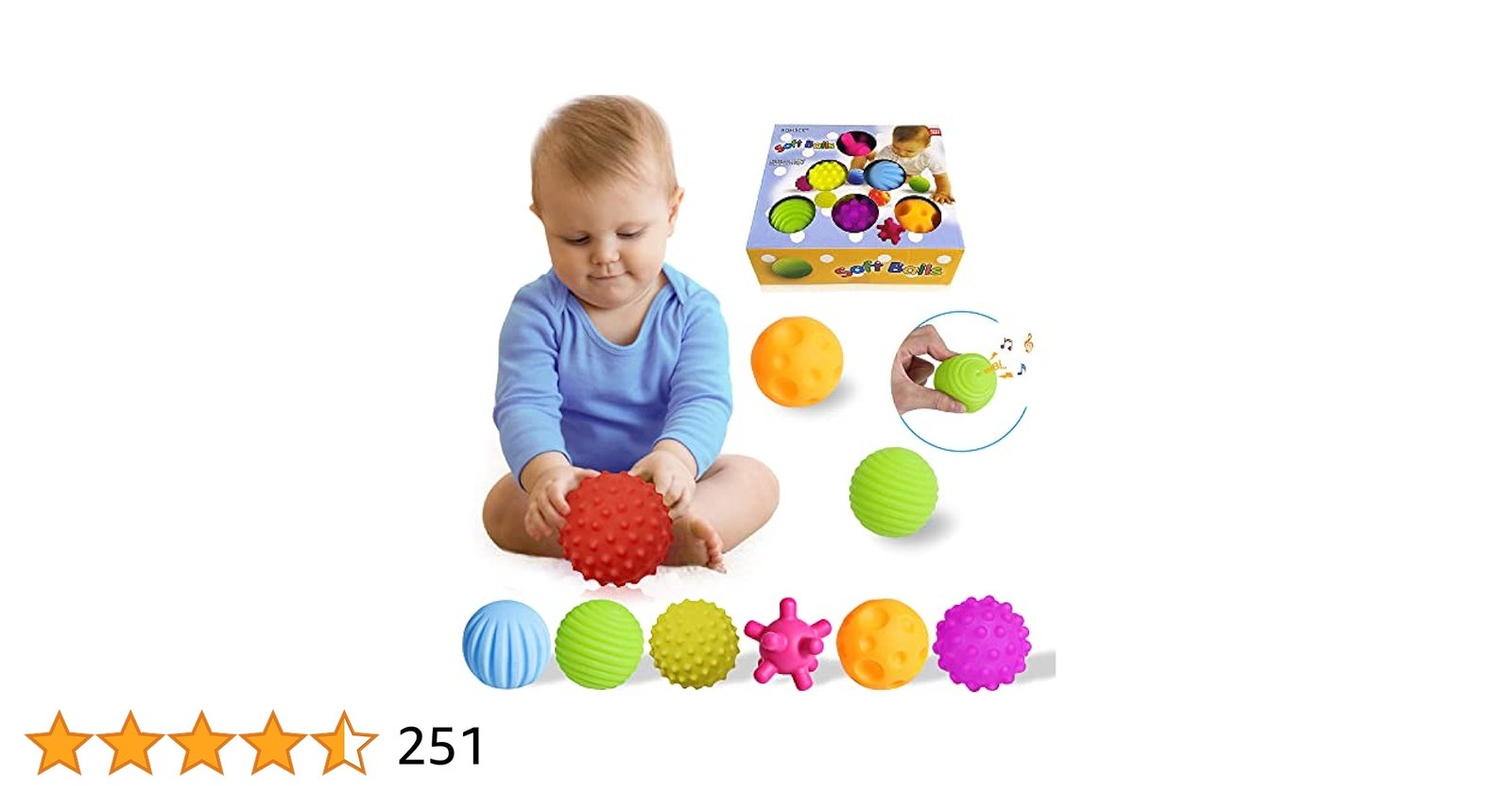
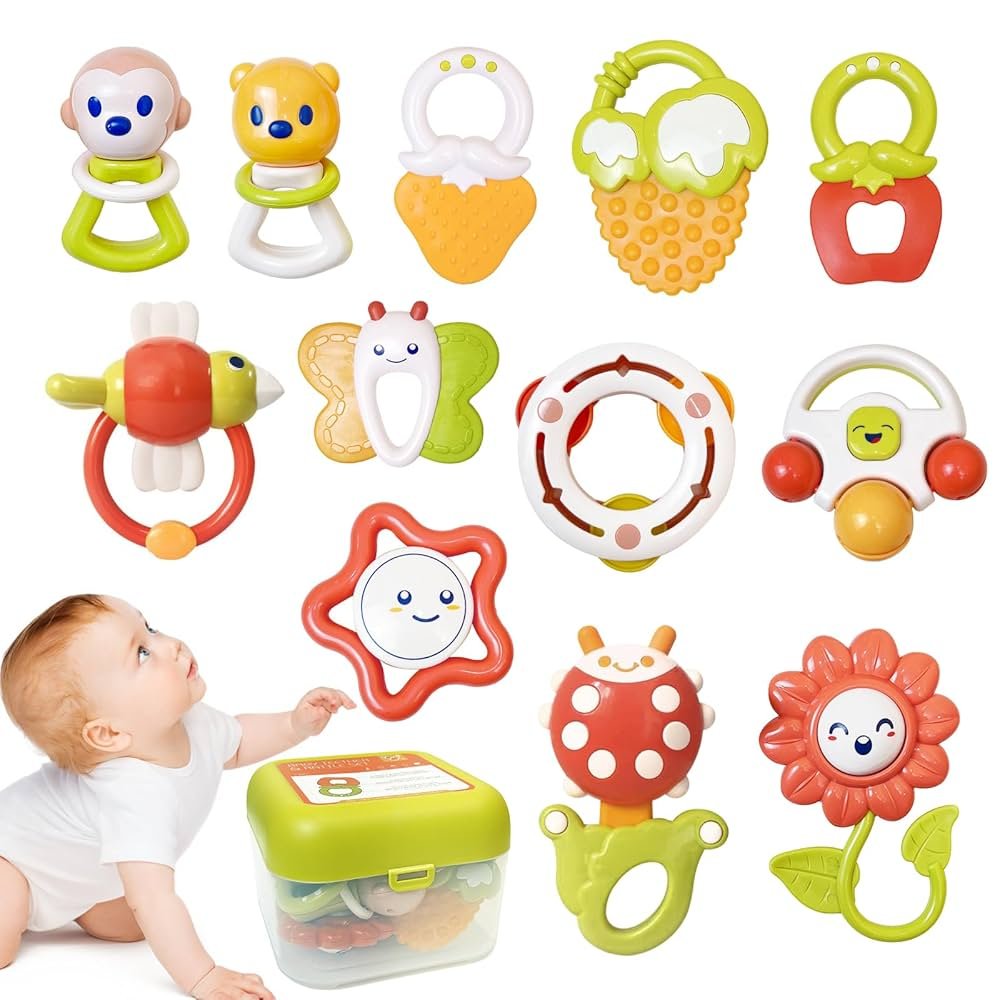
Are you looking for the perfect toys that help your baby learn while having fun? Infant cause and effect toys are exactly what you need.
These toys teach your little one that their actions can make things happen, sparking curiosity and boosting brain growth. Imagine your baby’s delight when pressing a button makes a sound or shaking a toy lights up colors. You’ll discover how these simple toys can make a big difference in your child’s development and which ones are worth choosing.
Keep reading to find out how to turn playtime into a powerful learning experience for your baby.

Credit: www.ebay.com
Benefits Of Cause And Effect Toys
Cause and effect toys help infants learn how their actions make things happen. They are simple tools that teach young minds about the world.
These toys are important in early childhood. They support growth in many key areas of development.
Enhancing Cognitive Skills
Cause and effect toys build thinking skills in babies. They learn to expect results from their actions. This helps memory and attention improve.
- Teaches cause and effect relationships
- Improves memory by repeating actions
- Boosts attention span during play
- Supports early understanding of logic
Promoting Motor Development
Playing with these toys helps babies practice hand movements. They use fingers, hands, and arms to push or pull parts. This develops fine and gross motor skills.
| Motor Skill | Example Activity |
| Fine Motor | Pressing buttons |
| Gross Motor | Reaching and grabbing |
| Hand-Eye Coordination | Pulling levers |
Encouraging Problem Solving
These toys invite babies to try different actions. They learn which moves cause results. This helps develop thinking and problem solving skills.
Problem solving benefits include:
- Testing ideas through trial and error
- Learning to fix mistakes
- Building patience and persistence
- Understanding simple cause and effect
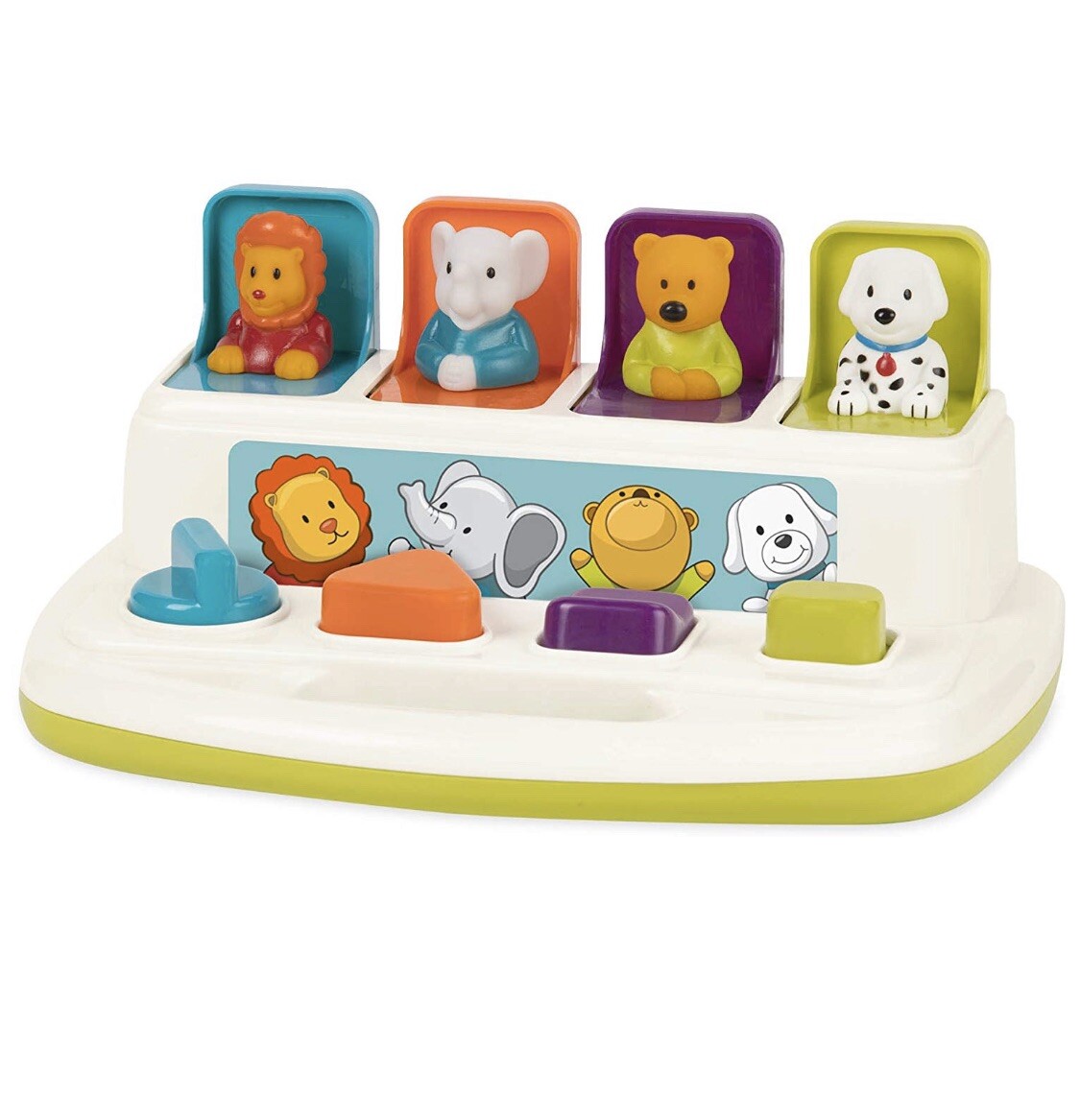
Credit: www.ebay.com
Types Of Cause And Effect Toys
Cause and effect toys help babies learn how their actions create results. These toys support early brain growth and motor skills.
Different types of cause and effect toys offer unique ways for infants to explore and understand their world.
Push And Pull Toys
Push and pull toys move when babies push or pull them. These toys encourage crawling and walking skills.
They show clear cause and effect because the toy moves after the baby acts on it.
- Wheeled animals or cars that roll forward
- Pull-along trains with strings
- Push toys with handles for standing toddlers
Musical And Sound Toys
Musical toys produce sounds when babies press buttons or shake them. These toys teach cause and effect through sound.
Sound toys also help babies recognize different noises and rhythms.
- Drums and xylophones
- Button-activated music boxes
- Toys that play animal sounds
Stacking And Sorting Toys
Stacking and sorting toys require babies to fit pieces together. These toys show cause and effect by rewarding correct actions.
They help develop hand-eye coordination and problem-solving skills.
- Stacking rings and cups
- Shape sorters with holes for matching pieces
- Blocks that fit into matching slots
Choosing Safe And Engaging Toys
Infant cause and effect toys help babies learn how actions create results. These toys keep babies interested and help their brain grow.
Choosing the right toys is important to keep babies safe and happy. It is best to pick toys that fit their age and skills.
Materials And Safety Standards
Safe materials protect babies from harm. Toys should be made from non-toxic plastics or natural wood with smooth finishes.
Look for toys that meet safety rules. These rules check for choking hazards and harmful chemicals.
- Use BPA-free and phthalate-free plastics
- Check for smooth edges and no small parts
- Choose toys tested for safety by trusted organizations
- Avoid paint that can chip or peel
Age-appropriate Features
Toys should match the baby's age to be fun and safe. Too complex toys can frustrate babies. Too simple toys may not keep their interest.
Look for features that fit the baby’s size and skill level. This helps babies learn and grow at their own pace.
- Large parts that babies can easily hold
- Bright colors to attract attention
- Simple buttons or levers for easy use
- Sounds that are gentle and not too loud
Interactive Elements To Look For
Good cause and effect toys have parts that respond when babies play. This teaches babies that their actions matter.
Choose toys with clear reactions like lights, sounds, or moving parts. This keeps babies curious and encourages more play.
- Buttons that light up or make sounds
- Levers or switches to push and pull
- Parts that move or spin when touched
- Simple puzzles that show cause and effect
Incorporating Toys Into Daily Play
Infant cause and effect toys help babies learn about actions and results. Using these toys every day can make playtime fun and educational.
Adding these toys to daily play encourages babies to explore and develop new skills. Caregivers can easily include them in routines at home.
Creating Playtime Routines
Set specific times during the day for play with cause and effect toys. This helps babies know what to expect and feel secure.
- Choose a quiet spot for play without distractions
- Include toys that respond to the baby's actions
- Keep play sessions short but frequent
- Watch the baby's reactions to find favorite toys
- Use playtime to bond with your baby
Encouraging Exploration
Cause and effect toys invite babies to try new movements and discover results. Exploration builds confidence and curiosity.
| Type of Toy | Exploration Benefit |
|---|---|
| Push and pull toys | Develops motor skills and cause-effect understanding |
| Stacking blocks | Enhances hand-eye coordination and problem solving |
| Musical toys | Teaches sound recognition and action results |
Supporting Language Development
Use cause and effect toys to talk with your baby. Naming actions and sounds helps build early language skills.
Try these tips during play:
- Describe what the toy does as the baby plays
- Encourage the baby to imitate sounds or words
- Ask simple questions like “What happens if you press this?”
- Use clear and simple language
Tips For Parents And Caregivers
Infant cause and effect toys help babies learn how actions lead to results. These toys support brain growth and motor skills. Parents and caregivers play a big role in making playtime fun and useful.
Watching how babies use these toys helps adults guide learning. It also keeps babies interested and safe. Here are some tips to help you during play.
Observing Baby’s Reactions
Pay close attention to how your baby reacts to different toys. Notice which toys make them smile or focus. Watch if they get frustrated or lose interest quickly. This helps you understand their preferences and needs.
Look for small signs like eye movement, sounds, or hand gestures. These clues show if the toy is too hard or easy. Adjust the toys based on what you see to keep learning fun.
Balancing Guided And Independent Play
Guide your baby by showing how to use cause and effect toys. Demonstrate pushing buttons or pulling levers. Then give them time to try on their own. This balance helps babies build confidence and skills.
Too much help can stop babies from exploring. Too little help might cause frustration. Watch carefully and step in only when needed. Let your baby lead the play as much as possible.
Rotating Toys To Maintain Interest
Babies get bored if they see the same toys every day. Rotate toys every few days to keep playtime fresh. This lets babies discover new things and keeps their minds active.
- Store some toys away and swap them regularly
- Mix simple and challenging toys in each rotation
- Watch which toys your baby prefers during each cycle
- Use rotation to introduce new skills step by step

Credit: www.amazon.com
Frequently Asked Questions
What Are Infant Cause And Effect Toys?
Infant cause and effect toys teach babies that actions have reactions. These toys encourage exploration and cognitive development by showing clear outcomes from simple actions.
How Do These Toys Benefit Infant Development?
They enhance hand-eye coordination, problem-solving skills, and sensory awareness. By interacting with these toys, infants learn cause-and-effect relationships critical for brain growth.
At What Age Should Infants Use Cause And Effect Toys?
These toys are ideal for babies aged 3 to 12 months. This stage is perfect for exploring cause and effect through play and sensory experiences.
What Features Make A Good Cause And Effect Toy?
Good toys are safe, colorful, and easy to manipulate. They should produce sounds, lights, or movements when the infant interacts with them.
Conclusion
Cause and effect toys help babies learn how things work. They teach cause and effect skills through play. Babies enjoy pressing buttons and seeing results. These toys also support hand-eye coordination and thinking. Parents can choose simple toys with clear reactions.
Playing with cause and effect toys builds early brain skills. They make learning fun and easy for infants. Such toys keep babies curious and engaged. Start with a few toys and watch your baby explore. Cause and effect toys offer a great way to grow young minds.