If you use silicone toys, you probably want to keep them safe and in great condition. But what about coconut oil?
You might have heard it's a natural, gentle option for lubrication or cleaning. So, is coconut oil safe for your silicone toys, or could it cause damage? Understanding this can save you from costly mistakes and keep your toys feeling smooth and lasting longer.
Keep reading to discover the truth and learn how to care for your silicone toys the right way.
Coconut Oil And Silicone Compatibility
Coconut oil is a popular natural lubricant and moisturizer. Many wonder if it is safe to use with silicone toys. Understanding the relationship between coconut oil and silicone helps keep toys safe and lasting longer.
This section explains how silicone reacts to oils, the chemical nature of coconut oil, and clears up common myths.
How Silicone Reacts With Oils
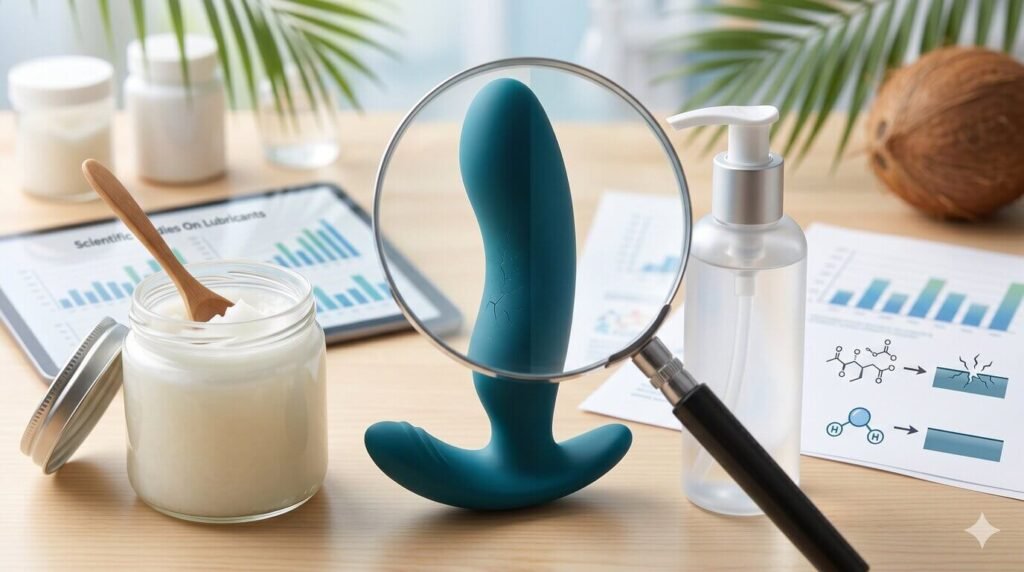
Silicone is a durable material used in many toys. It resists water and some chemicals well. But oils can affect it differently. Some oils can break down silicone over time. This causes the toy to weaken or become sticky.
Oils with certain molecules can dissolve the silicone’s surface. This damage is often permanent. Not all oils are harmful, but caution is needed when using oils with silicone toys.
Chemical Properties Of Coconut Oil
Coconut oil is made of fatty acids. These natural fats can interact with materials in unique ways. Unlike synthetic oils, coconut oil is mostly made of medium-chain fatty acids. These may not break down silicone quickly.
Still, coconut oil is an oil, and many oils can affect silicone over time. Using coconut oil occasionally might not cause immediate harm. Regular use could lead to damage.
Common Misconceptions
Some believe coconut oil is completely safe for silicone toys. This is not always true. Because coconut oil is natural, people think it cannot cause harm. In reality, it can degrade silicone with repeated use.
Another myth is that all oils ruin silicone instantly. Damage often happens slowly after many uses. Careful cleaning and limited oil use help protect toys. Choose lubricants made for silicone to avoid risks.
Potential Risks Of Using Coconut Oil
Coconut oil is popular for many uses, including as a lubricant. Many wonder if it is safe for silicone toys. Using coconut oil on silicone toys can cause problems. These risks can affect the toy’s material, how long it lasts, and health safety. Knowing these risks helps you make smart choices.
Damage To Silicone Material
Coconut oil can break down silicone material. It can make the surface sticky or soft. This damage lowers the toy’s quality and feel. Over time, the toy may crack or tear. Using coconut oil can ruin the toy’s texture.
Impact On Toy Longevity
Silicone toys last longer with proper care. Coconut oil speeds up wear and tear. It weakens the material over time. This reduces the toy’s lifespan. Frequent use of coconut oil means replacing toys sooner.
Health And Hygiene Concerns
Coconut oil can trap bacteria on toys. This creates a risk of infections. Silicone toys are easy to clean but oil makes cleaning hard. Residue from coconut oil may stay on the toy. This can cause irritation or allergic reactions.
Safe Alternatives To Coconut Oil
Choosing the right lubricant for silicone toys is important for safety and longevity. Coconut oil can damage silicone material, causing it to break down or become sticky. Many safe alternatives exist that protect your toys and provide comfort during use.
Recommended Lubricants For Silicone Toys
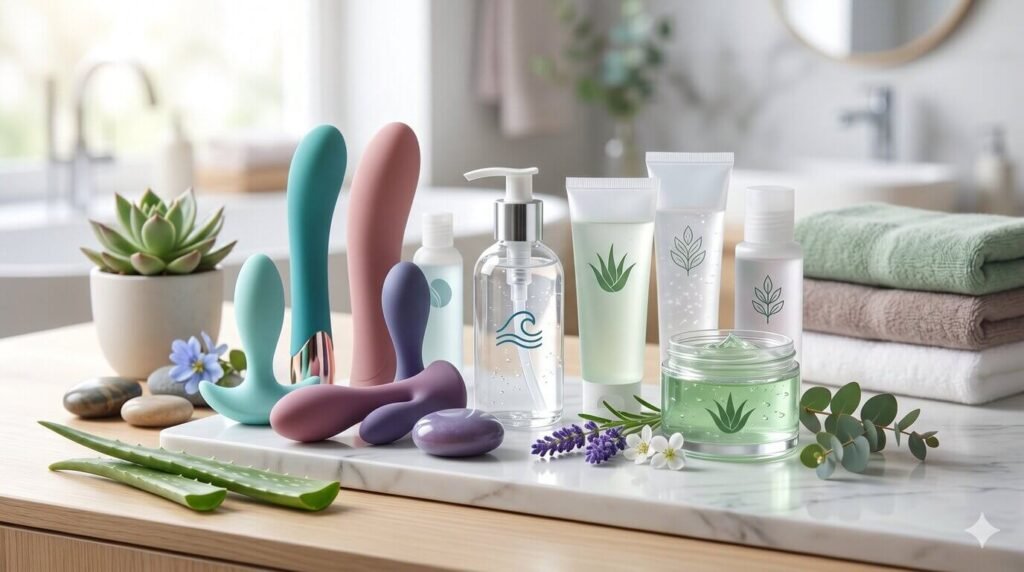
Water-based lubricants are the most common safe choice. They are gentle on silicone toys and easy to clean. Silicone-based lubricants are another option but may not be safe with all silicone toys. Always check the label for compatibility before use.
Water-based Vs Silicone-based Lubricants
Water-based lubricants dry out faster but wash off easily with water. Silicone-based lubricants last longer and feel slippery, but they can damage some silicone toys. Use silicone-based lubricants only with toys made from different materials, like glass or metal.
Natural Options That Are Safe
Aloe vera gel is a natural, safe option. Choose pure, additive-free aloe vera for best results. Another choice is glycerin-based lubricants made from plant oils. These options avoid the risks of coconut oil and keep toys in good condition.
Cleaning And Maintenance Tips
Cleaning and maintaining silicone toys properly keeps them safe and long-lasting. Good habits prevent damage and avoid health risks. Using the right cleaning methods and storage helps your toys stay fresh and ready.
Proper Cleaning Methods After Use
Wash silicone toys with warm water and mild soap. Avoid harsh chemicals or strong detergents. Rinse thoroughly to remove all soap. Pat dry with a clean towel or air dry. For deep cleaning, boil silicone toys for a few minutes. This kills bacteria and keeps toys safe.
Avoiding Residue Build-up
Do not use coconut oil on silicone toys. Coconut oil can break down the silicone material. It leaves a sticky residue that is hard to clean. Use water-based lubricants instead. Check toys after cleaning to ensure no oily film remains. Residue can cause irritation and damage the toy.
Storage Recommendations
Store silicone toys in a cool, dry place. Use a clean cloth bag or a separate box. Avoid direct sunlight and heat sources. Keep toys apart to stop them from touching each other. This prevents material breakdown and keeps toys clean.
Expert Opinions And User Experiences
Understanding expert opinions and user experiences helps decide if coconut oil suits silicone toys. This section shares views from manufacturers, real users, and scientific studies. It offers clear facts to guide your choice safely.
Insights From Manufacturers
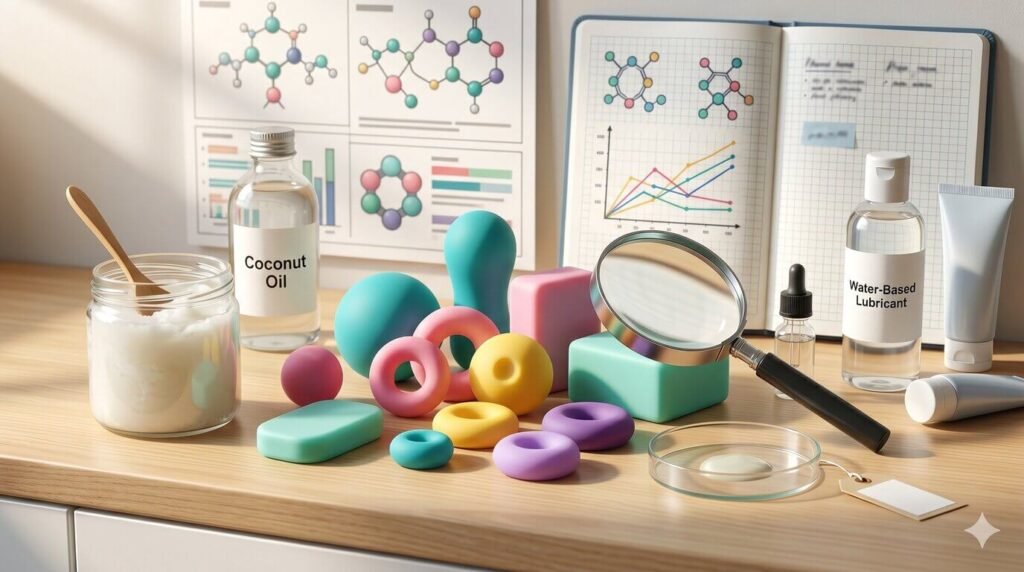
Most toy makers advise against coconut oil with silicone products. The oil can break down the toy's surface over time. This damage reduces the toy's lifespan and safety. Manufacturers recommend water-based lubricants for silicone toys. These keep the material safe and last longer.
Feedback From Users
Users share mixed thoughts on coconut oil use. Some report smooth, natural feeling and good glide. Others warn of sticky residue and quicker wear on toys. A few mention allergic skin reactions after using coconut oil. Many suggest testing on small toy parts first.
Scientific Studies On Lubricants
Studies show oils can degrade silicone material. Coconut oil contains fatty acids that react with silicone. This reaction causes softening and tiny cracks in toys. Water-based lubricants show no harmful effects in tests. Safe use means choosing products tested for silicone compatibility.
Frequently Asked Questions
Is Coconut Oil Safe For Silicone Sex Toys?
No, coconut oil is not safe for silicone toys. It can degrade the material and cause damage. Using coconut oil may reduce the toy's lifespan and compromise its safety. It’s better to use water-based lubricants with silicone toys.
What Lubricant Is Best For Silicone Toys?
Water-based lubricants are the best choice for silicone toys. They are safe, non-damaging, and easy to clean. Avoid oil-based or silicone-based lubricants to prevent material breakdown and maintain toy quality.
Can Coconut Oil Cause Silicone Toy Damage?
Yes, coconut oil can cause silicone toys to deteriorate. The oil breaks down the silicone, making it sticky or discolored. This damage reduces the toy’s durability and safety, so it’s not recommended for cleaning or lubrication.
How To Clean Silicone Toys Safely?
Use warm water and mild soap to clean silicone toys. Avoid harsh chemicals or oil-based products like coconut oil. Proper cleaning ensures the toy remains safe, hygienic, and in good condition for longer use.
Conclusion
Coconut oil can harm silicone toys by breaking down their material. It may cause the toy to become sticky or damaged. For longer toy life, choose water-based or silicone-safe lubricants. Always clean toys well after use to keep them safe and fresh.
Knowing what is safe helps protect your toys and health. Keep your playtime fun and worry-free by using the right products.