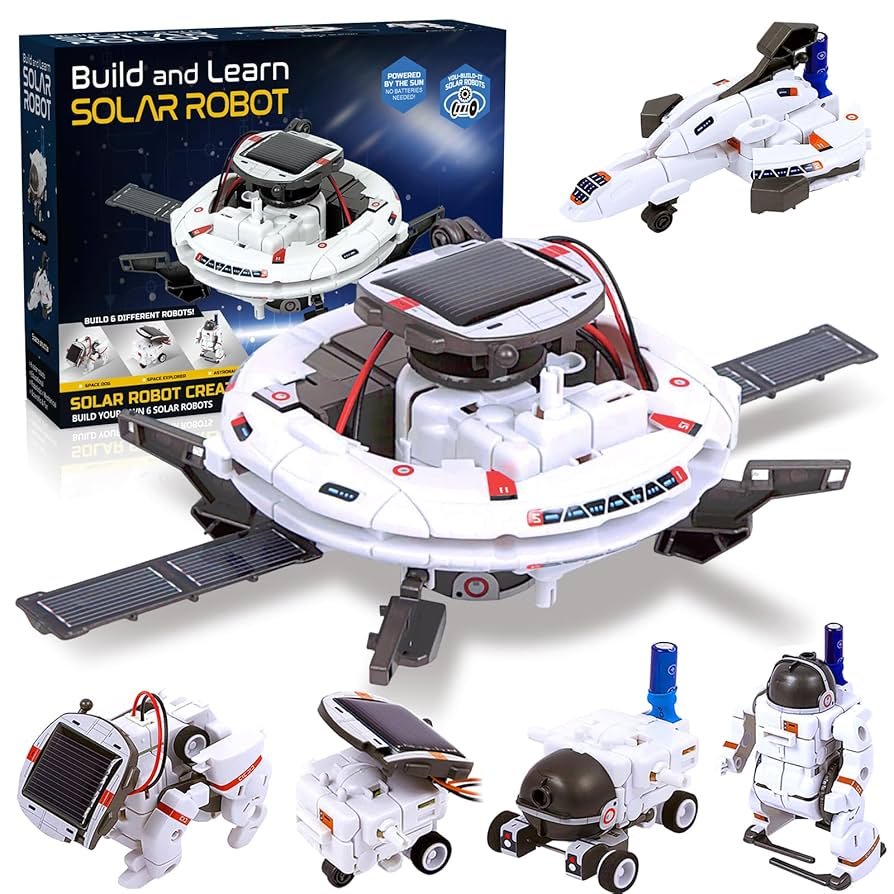
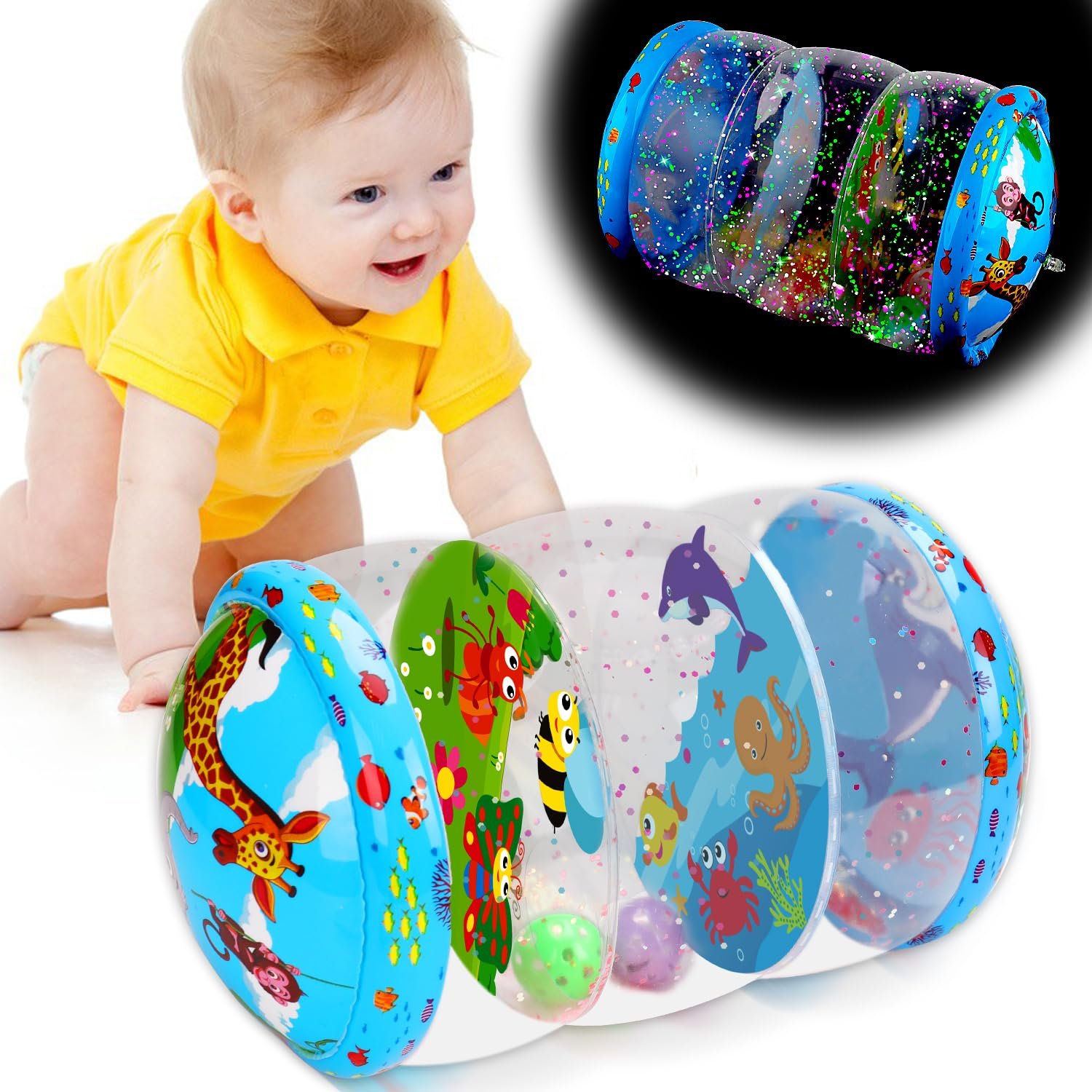
Are you looking for the perfect way to help your preschooler learn while having fun? Choosing the right learning toys can make a big difference in your child’s development.
These toys don’t just entertain—they boost creativity, improve problem-solving skills, and build confidence. Imagine your little one excited to play, discover new things, and grow every day. Keep reading to find out which learning toys can unlock your child’s full potential and make learning a joyful adventure for both of you.

Credit: www.amazon.com
Benefits Of Learning Toys
Learning toys help preschoolers grow in many ways. They make learning fun and easy for young children.
These toys support skills that are important for school and daily life. They keep kids engaged and curious.
Enhancing Cognitive Skills
Learning toys improve thinking and problem-solving skills. They help kids understand shapes, colors, and numbers.
Children learn to focus and remember information by playing with these toys. These skills prepare them for school.
Supporting Motor Development
Many learning toys help develop fine and gross motor skills. These skills include holding, moving, and coordination.
- Building blocks improve hand strength and control
- Puzzle pieces require careful finger movements
- Stacking toys teach balance and hand-eye coordination
- Shape sorters help with precise finger use
Encouraging Creativity And Imagination
Learning toys inspire children to create and explore new ideas. They use their imagination to play and learn.
| Toy Type | Creative Benefit |
|---|---|
| Art sets | Encourage drawing and painting |
| Building blocks | Allow kids to build unique structures |
| Role-play kits | Help children imagine real-life situations |
Promoting Social Interaction
Learning toys bring children together to share and cooperate. They teach kids how to take turns and work in groups.
Playing with others helps children develop language and communication skills. It builds friendships and social confidence.
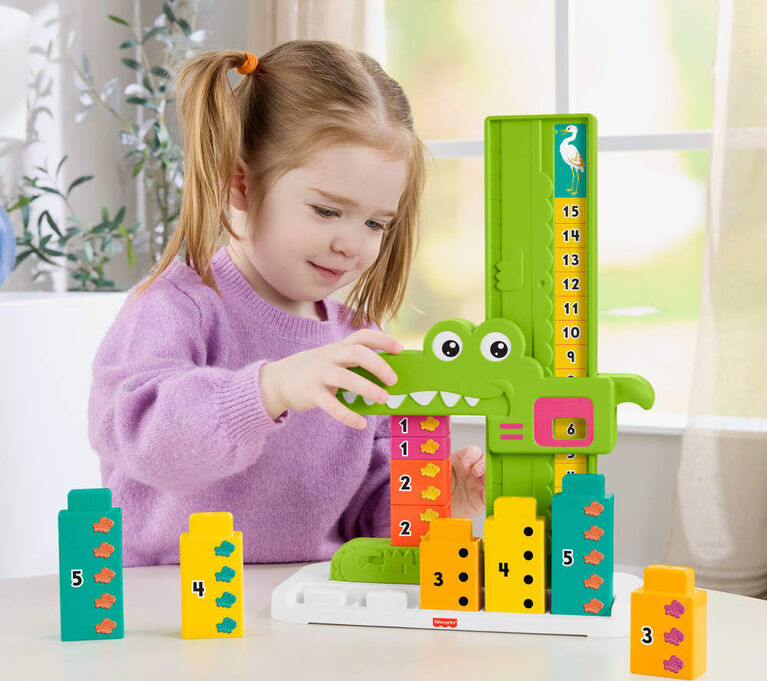
Credit: www.toysrus.ca
Types Of Learning Toys
Learning toys help preschoolers develop skills while having fun. Different types target various areas of growth.
Choosing the right toys can support a child’s creativity, logic, and social skills.
Building And Construction Sets
These sets encourage children to use their hands and minds to build shapes and structures. They improve motor skills and spatial awareness.
Educational Puzzles
Puzzles help kids recognize shapes, colors, and patterns. They also improve problem-solving skills and patience.
- Jigsaw puzzles with large pieces
- Shape sorters
- Number and alphabet puzzles
- Animal and object matching puzzles
Interactive Electronic Toys
These toys use lights, sounds, and buttons to teach letters, numbers, and simple words. They keep children engaged and motivated to learn.
Art And Craft Supplies
Art supplies let children explore colors and textures. These activities boost creativity and fine motor skills.
| Supply | Skill Developed |
| Crayons | Color recognition, hand control |
| Glue sticks | Coordination, patience |
| Safety scissors | Hand strength, focus |
| Colored paper | Creativity, planning |
Pretend Play Kits
Pretend play kits include items like kitchen sets or doctor tools. These toys help children practice social skills and imagination.
Choosing The Right Toy
Choosing the right learning toy for preschoolers helps their growth and fun. Toys should match their needs and skills.
Parents and teachers can guide children by picking toys that support learning and keep them safe.
Age-appropriate Features
Toys should fit the child’s age to keep them interested and safe. Toys that are too easy or hard can frustrate kids.
- Look for toys labeled with the right age range.
- Choose toys with parts big enough to avoid choking.
- Select toys that match the child’s skill level and interests.
Safety Considerations
Safety is key when picking toys. Check for sharp edges and toxic materials. Avoid small pieces for young kids.
| Safety Feature | Why It Matters |
| Non-toxic materials | Prevents poisoning if chewed |
| No sharp edges | Reduces risk of cuts or injuries |
| Sturdy construction | Stops breakage that creates hazards |
| Size appropriate parts | Avoids choking on small pieces |
Durability And Quality
Good toys last through rough play. Choose durable materials that resist breaking. Quality toys stay safe longer.
- Wood and thick plastic are strong materials.
- Avoid toys with loose parts or weak glue.
- Check for smooth finishes to prevent splinters.
Learning Objectives
Pick toys that help children learn skills. Toys can teach colors, shapes, numbers, and problem-solving.
Examples of learning goals with toys:
- Fine motor skills: puzzles and blocks
- Language skills: books and story toys
- Social skills: group games and role play
- Creativity: art supplies and building sets

Credit: toyscentral.ca
Incorporating Toys Into Daily Play
Toys help preschoolers learn and have fun every day. Using toys in playtime supports growth and skills.
Parents and teachers can add toys to daily activities. This makes learning feel natural and exciting for kids.
Creating Structured Playtime
Set specific times for play with toys. Structured play helps children focus and learn new things.
- Choose a quiet, safe play area
- Pick toys that match learning goals
- Plan short sessions to keep attention
- Include time for clean-up and reflection
Balancing Guided And Free Play
Guided play uses toys to teach specific skills. Free play lets children explore and create on their own.
Both types are important. They help kids develop creativity and follow instructions.
Using Toys To Reinforce Learning
Toys can support lessons in many subjects. Matching toys with topics helps children remember better.
| Subject | Example Toy | Learning Benefit |
| Math | Counting Blocks | Number recognition and counting |
| Language | Alphabet Puzzles | Letter recognition and spelling |
| Science | Magnifying Glass | Observation and exploration |
| Art | Building Blocks | Creativity and problem solving |
Encouraging Group Activities
Group play with toys builds social skills. Children learn to share, take turns, and solve problems together.
Ideas for group play with toys:
- Build a tower together with blocks
- Play pretend with costumes and props
- Complete puzzles as a team
- Use toy instruments to make music
Top Brands And Recommendations
Choosing the right learning toys helps preschoolers grow their skills. Toys that match a child’s interests keep them curious and engaged.
This guide covers popular brands, budget-friendly picks, and eco-friendly toy options. These choices make learning fun and safe.
Popular Learning Toy Brands
Many brands create toys that support early learning. They focus on quality, safety, and educational value to help kids explore.
- Melissa & Doug: Known for wooden puzzles and creative play sets.
- LeapFrog: Offers electronic toys that teach letters and numbers.
- Fisher-Price: Produces classic toys for motor skills and imagination.
- VTech: Specializes in interactive learning toys with sounds and lights.
- Hape: Crafts wooden toys that encourage problem-solving and creativity.
Budget-friendly Options
Good learning toys do not need to be expensive. Many affordable options offer great benefits for preschoolers.
| Toy | Price Range | Learning Focus |
| Stacking Blocks | $5 - $15 | Fine motor skills |
| Shape Sorters | $10 - $20 | Shape recognition |
| Colorful Counting Bears | $8 - $18 | Counting and sorting |
| Picture Flashcards | $5 - $12 | Vocabulary building |
| Simple Puzzles | $7 - $15 | Problem solving |
Eco-friendly And Sustainable Toys
Eco-friendly toys use safe, natural materials. They help protect the environment and teach kids about care for nature.
Look for these features in green toys:
- Made from sustainably harvested wood
- Non-toxic, water-based paints
- Recyclable or biodegradable packaging
- Durable design for long use
Tips For Parents And Caregivers
Choosing the right learning toys for preschoolers can be a fun task. Toys should match the child's interests and help their development.
With the right approach, toys can encourage learning and creativity. Here are some tips for parents and caregivers.
Observing Child Interests
Watch your child during playtime to understand what they enjoy. Some may love puzzles, while others might prefer building blocks.
This observation helps in choosing toys that match their interests. It keeps them engaged and boosts their learning experience.
Rotating Toys To Maintain Engagement
Too many toys at once can be overwhelming. Rotate toys regularly to keep things fresh and exciting for your child.
By rotating toys, you can maintain your child’s interest. It also gives them time to explore different skills and ideas.
Combining Learning With Fun
Toys that combine fun with learning are the best. Look for toys that teach colors, shapes, and numbers while being enjoyable.
- Shape sorters for understanding shapes
- Musical toys for rhythm and sound
- Building blocks for creativity and motor skills
Supporting Progress And Milestones
Different toys support different stages of development. Choose toys that aid in reaching new milestones, like walking or talking.
Keep track of your child’s progress. Adjust the toys you offer as they grow and develop new skills.
Frequently Asked Questions
What Are The Best Learning Toys For Preschoolers?
Best learning toys for preschoolers include puzzles, building blocks, and interactive books. These toys improve motor skills, creativity, and cognitive development. They also encourage problem-solving and language skills in a fun way.
How Do Learning Toys Benefit Preschoolers' Development?
Learning toys promote critical thinking, hand-eye coordination, and social skills. They support early literacy, math concepts, and creativity. These toys make learning enjoyable and help preschoolers build essential foundational skills for school.
Are Electronic Learning Toys Good For Preschoolers?
Yes, electronic learning toys can be beneficial if age-appropriate. They engage children with interactive content, enhance language skills, and offer educational games. However, screen time should be limited and balanced with hands-on play.
What Skills Do Building Blocks Teach Preschoolers?
Building blocks teach spatial awareness, fine motor skills, and problem-solving. They also enhance creativity and teamwork when children play together. Blocks help preschoolers understand shapes, balance, and cause-effect relationships.
Conclusion
Choosing the right learning toys helps preschoolers grow every day. These toys make playtime fun and teach new skills. Kids explore colors, shapes, and numbers while playing. They build creativity and solve simple problems. Parents can watch children learn and smile.
Toys that fit a child’s interests work best. Play is not just fun; it’s learning too. Give kids tools to discover and enjoy. This way, early learning becomes a joyful habit. Every small step counts in a child’s growth journey.