Are you looking for a fun way to boost your child’s creativity and problem-solving skills? Lego Coding Toy Kits might be exactly what you need.
These kits combine the classic joy of building with the excitement of learning to code. Imagine your child not just building cool models but also bringing them to life with simple programming. If you want to see how playtime can turn into a powerful learning experience, keep reading.
You’ll discover how Lego Coding Toy Kits make coding easy, fun, and rewarding for kids of all ages.
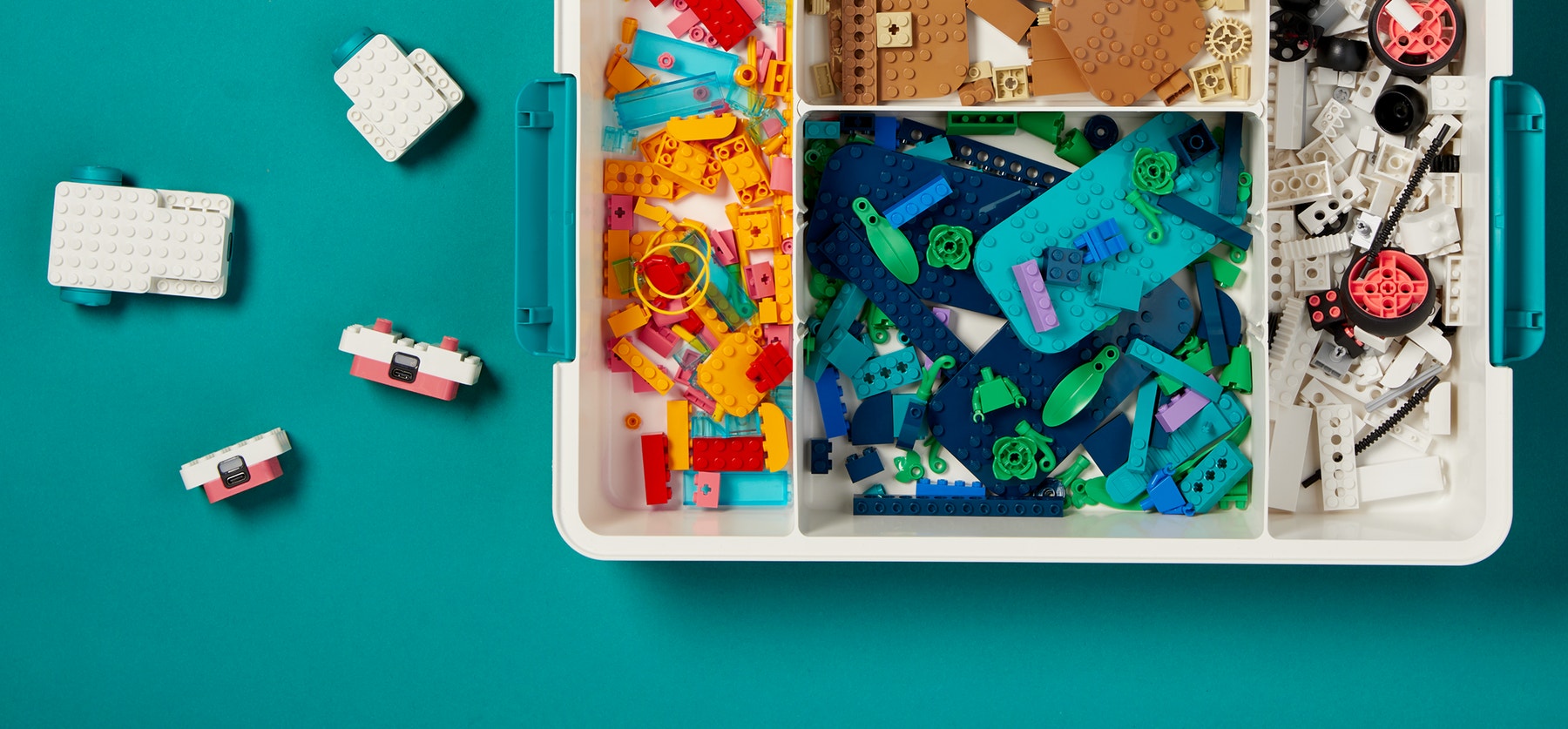
Credit: education.lego.com
Benefits Of Lego Coding Kits
Lego Coding Kits help kids learn how to code using fun blocks. These kits make learning easy and enjoyable.
Kids build models and write simple programs that bring their creations to life. This hands-on learning supports many skills.
Enhancing Problem-solving Skills
Lego Coding Kits encourage kids to think deeply about problems. They figure out how to fix errors in their code and models.
Kids learn to break big problems into smaller steps. This helps them find solutions faster and better.
- Identify problems in code or design
- Test different solutions
- Learn from mistakes and try again
Boosting Creativity And Imagination
These kits let kids design unique robots and scenes. They use coding to make their ideas move and respond.
Children experiment with colors, shapes, and actions. This freedom helps their imagination grow stronger.
- Create custom Lego builds
- Program actions and sounds
- Mix art and technology
Building Stem Foundations
Lego Coding Kits teach science, technology, engineering, and math skills. Kids use tools that professionals also use.
Early practice with coding and building helps kids prepare for future STEM learning and jobs.
- Learn basic programming concepts
- Understand mechanical design
- Explore logical thinking

Credit: www.ebay.ca
Popular Lego Coding Kits
Lego coding kits let kids build and code robots and models. They teach basic programming and problem-solving skills.
These kits are easy to use and fun. They work with blocks of code that children can drag and drop.
Lego Mindstorms
Lego Mindstorms kits combine Lego bricks with sensors and motors. Kids can build robots and control them with code.
- Includes a programmable brick called the EV3 or Robot Inventor Hub
- Supports coding with block-based and text-based languages
- Offers various sensors like touch, color, and infrared
- Allows building complex robots and machines
Lego Boost
Lego Boost is great for younger kids new to coding. It mixes building with simple coding tools.
| Feature | Description |
|---|---|
| Age Range | 7 to 12 years |
| Programming Style | Block-based coding with easy interface |
| Included Elements | Motors, sensors, and interactive Lego models |
| Focus | Creativity and basic coding concepts |
Lego Education Spike Prime
SPIKE Prime is designed for classrooms. It helps students learn coding through hands-on activities.
This kit contains:
- Color, distance, and force sensors
- Motors for moving models
- A programmable Hub with a display
- Software that uses Scratch and Python
How Coding Works With Lego
Lego coding toy kits teach children how to program with fun building blocks. Kids create projects by connecting Lego bricks to software.
The coding controls how the Lego models move and react. This helps kids learn basic coding ideas in a hands-on way.
Block-based Programming
Block-based programming uses code pieces that fit together like puzzle blocks. This makes coding easy to understand for beginners.
Children drag and drop blocks on the screen to create commands. Each block tells the Lego what to do next.
- Blocks represent actions like moving forward or turning
- Code runs step-by-step to control the Lego model
- Visual blocks reduce errors and make learning fun
Integrating Sensors And Motors
Lego kits include sensors and motors to make models interactive. Sensors detect light, touch, or distance from objects.
The motors move parts of the Lego build. Coding tells motors and sensors how to work together.
- Motors spin wheels or move arms
- Sensors detect obstacles or colors
- Code uses sensor data to change actions
Step-by-step Project Building
Kids start by building a Lego model following instructions. Then they add code blocks to control the model’s actions.
They test the project and change the code to fix problems. This process teaches problem-solving and coding skills.
- Build the Lego model with bricks and parts
- Create code using block-based programming
- Test the model and watch it move or react
- Adjust code to improve or change behavior
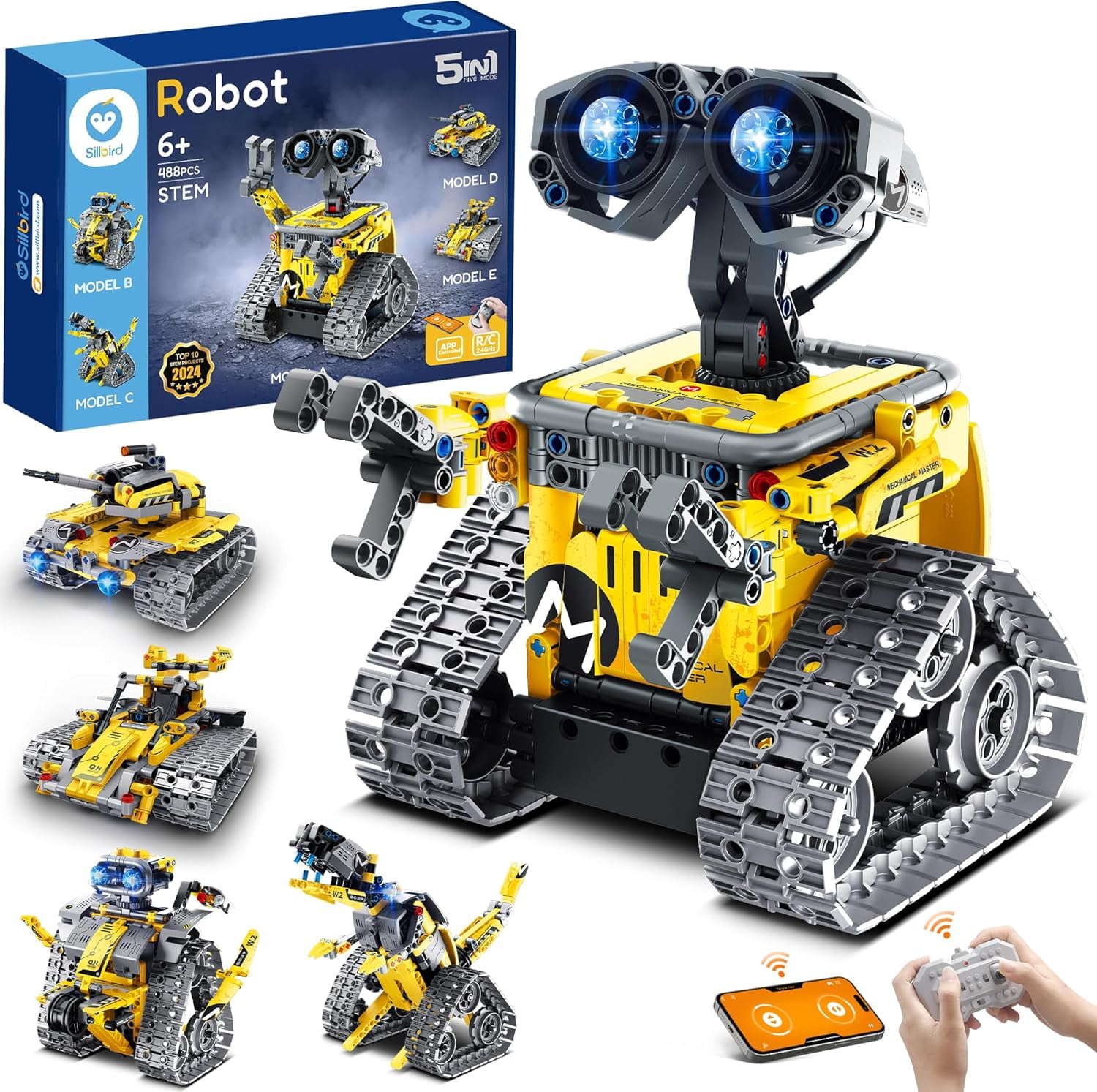
Credit: www.walmart.com
Age And Skill Level Guidance
Choosing the right Lego coding toy kit depends on the child’s age and skill level. Matching the kit to their abilities helps keep learning fun and effective.
These kits offer different challenges, from simple coding tasks to more complex projects. Here’s a guide to help you pick the best option.
Kits For Beginners
Beginner kits are great for kids starting to learn about coding. They use easy-to-understand blocks and simple instructions. These kits are designed for children aged 5 to 8 years.
- Simple drag-and-drop coding interface
- Basic robot building with fewer pieces
- Interactive stories and games
- Short project times to keep attention
Advanced Kits For Older Kids
Advanced kits fit older children and those with coding experience. These kits include more parts and complex programming options. They suit kids aged 9 and above.
| Age | Skill Level | Features |
| 9-12 years | Intermediate | More coding blocks, sensors, and motors |
| 13+ years | Advanced | Text-based coding and multiple project options |
Family-friendly Options
Family kits encourage teamwork and learning together. They include instructions suitable for all ages and skill levels. This makes them perfect for group activities.
Benefits of family-friendly kits:
- Easy to follow guides
- Projects that suit different ages
- Encourages cooperation and sharing
- Fun for parents and kids
Incorporating Lego Coding In Education
Lego coding toy kits help students learn programming in a fun way. They combine building blocks with simple coding tasks.
These kits support hands-on learning and improve problem-solving skills. Teachers can use them to make classes more interactive.
Classroom Applications
Teachers use Lego coding kits to teach coding basics and robotics. Students work in groups to build and program models.
This approach helps students understand technology step by step. It also encourages teamwork and creativity.
- Introduce coding concepts with block-based programming
- Use kits for science and math lessons
- Encourage group projects and presentations
After-school Programs
After-school clubs use Lego coding kits to keep students engaged. These programs give extra time for exploration and learning.
Students can try new coding challenges and build robots. This helps them practice skills outside regular class hours.
- Offer coding challenges and competitions
- Support creativity with free-build sessions
- Provide mentorship and peer learning
Online Resources And Communities
Many websites and forums support Lego coding learners. These resources offer tutorials, project ideas, and help from others.
Students and teachers can join groups to share work and solve problems. Online tools make learning coding more accessible.
- Access step-by-step coding tutorials
- Join forums to ask questions and share projects
- Use apps to program Lego models remotely
Tips To Maximize Learning And Fun
Lego coding toy kits are great for learning. They mix building with coding. Kids enjoy playing while learning new skills.
Here are some tips to make the most of your Lego kits. Encourage exploration, build together, and set goals.
Encouraging Exploration
Exploration is key to learning with Lego kits. Let kids discover at their own pace. Provide guidance only when needed.
- Allow time for free play
- Ask open-ended questions
- Support their creative ideas
Collaborative Building
Building together can be fun and educational. It helps kids learn teamwork and communication. Share tasks and work as a team.
| Activity | Benefit |
| Building a robot | Enhances problem-solving |
| Creating a story | Boosts creativity |
| Coding together | Improves logic skills |
Setting Challenges And Goals
Challenges can make learning more exciting. Set clear goals and celebrate achievements. Adjust difficulty to match skill levels.
Custom challenge idea: Build a moving vehicle that can carry a small load.
Frequently Asked Questions
What Age Group Is Suitable For Lego Coding Toy Kits?
Lego coding toy kits are ideal for kids aged 6 to 14. They offer age-appropriate challenges to build coding and robotics skills. These kits engage young learners with hands-on, interactive play that fosters creativity and problem-solving.
How Do Lego Coding Kits Teach Programming Concepts?
Lego coding kits use block-based coding interfaces for easy programming. Kids create commands by snapping blocks together visually. This method simplifies coding logic and helps children understand sequencing, loops, and conditionals intuitively.
Are Lego Coding Toy Kits Compatible With Other Lego Sets?
Yes, most Lego coding kits are compatible with standard Lego bricks. This allows kids to customize and expand their projects creatively. Combining sets encourages innovative building and coding experimentation.
What Skills Do Kids Develop With Lego Coding Kits?
Kids enhance critical thinking, creativity, and logical reasoning using these kits. Coding boosts STEM knowledge while improving fine motor skills and teamwork. The hands-on approach promotes confidence in technology and engineering concepts.
Conclusion
Lego coding toy kits make learning fun and hands-on. Kids build and code, creating real robots and projects. These kits help develop problem-solving and critical thinking skills. They encourage creativity and teamwork in a playful way. Parents and teachers find them useful for early education.
Children enjoy playing while gaining important tech knowledge. These toys prepare young minds for future challenges. A great step toward understanding coding basics easily. Simple, engaging, and educational—Lego coding kits fit well in any learning space. A smart choice for children curious about technology.