Are you looking for a way to boost your child’s creativity and learning through play? Montessori toy block play could be exactly what you need.
These simple blocks do more than just keep your little one busy—they help build important skills like problem-solving, focus, and hand-eye coordination. Imagine your child fully engaged, exploring shapes and colors while quietly developing their mind. Keep reading to discover how Montessori blocks can transform playtime into a powerful learning experience for your child.
Benefits Of Montessori Blocks
Montessori blocks are simple toys that offer many learning benefits. They help children grow in different ways.
Playing with these blocks supports creativity, motor skills, and problem-solving. Each benefit helps build a strong foundation for learning.
Enhancing Creativity
Montessori blocks let children use their imagination freely. They can build anything they think of without limits.
- Children create unique shapes and structures.
- They explore colors, sizes, and patterns.
- Blocks encourage storytelling and role play.
- Open-ended play helps develop original ideas.
Improving Motor Skills
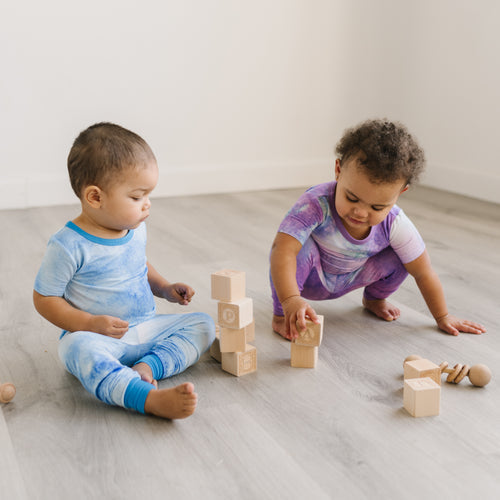
Handling blocks helps children develop hand-eye coordination and fine motor skills. These skills are important for daily tasks.
| Skill | How Blocks Help |
| Grasping | Picking up and holding blocks |
| Precision | Stacking blocks carefully |
| Coordination | Aligning blocks for balance |
| Strength | Building taller structures |
Encouraging Problem Solving
Montessori blocks challenge children to think and solve problems. They learn by trial and error during play.
Ways blocks help problem solving:
- Finding the right block to fit in a space
- Balancing blocks to prevent them from falling
- Planning and adjusting designs
- Understanding cause and effect by building and knocking down
Choosing The Right Montessori Blocks
Montessori toy blocks help children learn by playing. Choosing the right blocks supports their growth and creativity.
Blocks come in many types. Pick ones that fit your child's needs and safety.
Material Options
Montessori blocks are made from different materials. Wood is popular for its natural feel and durability. Some blocks use plastic or fabric for variety.
Choose materials that are safe and easy to clean. Natural wood blocks often have smooth finishes and no harmful chemicals.
- Wood: sturdy, natural, eco-friendly
- Plastic: colorful, lightweight, easy to wash
- Fabric: soft, safe for babies, tactile
Size And Shape Considerations
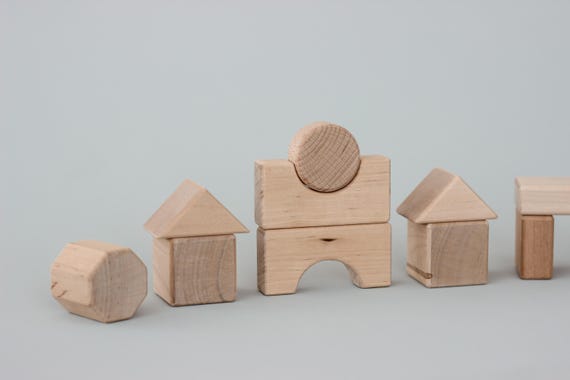
Blocks come in many sizes and shapes. Small blocks help develop fine motor skills. Larger blocks are good for building and stacking.
Simple shapes like squares and rectangles are best for beginners. More complex shapes can challenge older children.
- Small blocks: improve hand control
- Large blocks: easy to stack and build
- Simple shapes: ideal for early learning
- Varied shapes: encourage creativity
Safety Features
Safety is the top priority for Montessori blocks. Blocks should have smooth edges and no sharp points. Non-toxic paints and finishes are important.
Check that blocks are large enough to avoid choking hazards. Blocks should be strong and not easily breakable.
- Smooth, rounded edges
- Non-toxic, child-safe finishes
- Blocks large enough to prevent choking
- Durable materials to avoid breakage
Incorporating Blocks Into Daily Play
Montessori toy blocks help children learn through play. They develop skills like creativity and problem-solving.
Using blocks every day makes learning fun and natural. Children enjoy building and exploring with simple materials.
Simple Building Activities
Start with easy activities to build confidence. Children can stack blocks or create basic shapes.
These activities improve hand-eye coordination and fine motor skills. They also encourage focus and patience.
- Stack blocks to make a tower
- Build a line of blocks
- Create simple shapes like squares or rectangles
- Count blocks as they stack them
Themed Play Ideas
Themes add excitement to block play. Children can imagine stories and act them out with their creations.
Use themes to teach about animals, buildings, or nature. This makes learning more interesting and fun.
- Build a farm with animal blocks
- Create a city with houses and roads
- Make a forest using green and brown blocks
- Design a castle with towers and walls
Group Play Benefits
Playing with others helps children learn teamwork and sharing. They practice communication and problem-solving.
Group play builds social skills. Kids learn to listen, take turns, and work on projects together.
- Share blocks and materials
- Build a structure together
- Plan roles and ideas as a team
- Celebrate group achievements

Supporting Learning Through Block Play
Montessori toy block play helps children learn by doing. Blocks are simple tools that build many skills. Kids explore and create while having fun.
Playing with blocks supports brain growth in many areas. Each block activity helps children understand the world better.
Language Development
Block play encourages kids to use new words. They describe shapes, colors, and actions while building. Talking about blocks improves speaking and listening skills.
- Names of shapes and sizes
- Colors and patterns
- Action words like stack, balance, and build
- Storytelling using block creations
Math And Spatial Skills
Blocks help children learn math and space ideas. They count blocks, compare sizes, and explore shapes. These activities build strong problem-solving skills.
| Skill | Block Play Activity | Learning Benefit |
| Counting | Stacking blocks in groups | Number recognition and quantity |
| Measuring | Comparing block heights | Understanding length and size |
| Geometry | Fitting blocks together | Shape recognition and spatial reasoning |
Social And Emotional Growth
Playing with blocks teaches sharing and teamwork. Children learn patience and feel proud of their work. Group block play builds friendships and confidence.
Social skills gained from block play include:
- Taking turns
- Helping friends
- Expressing ideas clearly
- Managing frustration
Tips For Parents And Educators
Montessori toy block play helps children learn and grow. It builds skills like creativity and problem-solving. Parents and educators can support this play with simple strategies.
Creating the right environment makes play more inviting. Giving children space and freedom helps them explore and learn on their own. At the same time, some guidance is needed to keep the play safe and meaningful.
Creating An Inviting Play Space
Choose a quiet, well-lit area for block play. Use shelves or baskets to keep blocks organized and easy to reach. A clean, open space encourages children to build and create freely.
- Use natural light if possible
- Keep blocks within child’s reach
- Provide a soft rug or mat for comfort
- Limit clutter to avoid distractions
- Display children’s creations to inspire pride
Encouraging Independent Play
Allow children to explore blocks on their own. Give them time to try different ideas and solve problems. Avoid jumping in too fast to help. This builds confidence and focus.
| Ways to Support Independence | Examples |
| Offer choices | Let children pick blocks and themes |
| Encourage problem-solving | Ask questions like “What happens if?” |
| Give time to play | Set aside uninterrupted play periods |
| Allow mistakes | Let children learn from blocks falling |
Balancing Guidance And Freedom
Watch the child’s play without taking control. Offer help only when asked or when safety is a concern. Use gentle words to guide instead of giving direct instructions. This balance lets children grow skills and feel supported.
- Observe quietly before stepping in
- Ask open questions to encourage thinking
- Show how blocks fit without taking over
- Respect the child’s ideas and pace
Frequently Asked Questions
What Are Montessori Toy Blocks Made Of?
Montessori toy blocks are typically made from natural, non-toxic materials like wood. This ensures safety and durability for children. They are designed to be smooth and easy to handle, promoting sensory exploration and fine motor skills.
How Do Montessori Blocks Support Child Development?
Montessori blocks encourage creativity, spatial awareness, and problem-solving. They help develop hand-eye coordination and concentration. By stacking and sorting, children learn about balance, shapes, and sizes in a hands-on way.
At What Age Can Children Use Montessori Blocks?
Children can start using Montessori blocks as early as 12 months old. Blocks are designed to be safe for toddlers. They grow with the child, offering more complex play opportunities as skills develop.
Why Choose Montessori Blocks Over Regular Toys?
Montessori blocks focus on natural learning and open-ended play. They promote independence and critical thinking. Unlike many plastic toys, they offer sensory richness and encourage children to explore at their own pace.
Conclusion
Montessori toy block play helps children learn and grow every day. These blocks teach problem-solving and improve hand skills. Kids enjoy building shapes and stories with simple pieces. Playing with blocks sparks creativity and boosts confidence. Parents can join in to make playtime more fun.
Choose blocks that are safe and fit your child’s age. Watch as your child explores and learns through play. Montessori blocks bring learning and fun together naturally. A great way to support early childhood development. Keep encouraging block play to help children thrive.