Are you looking for the perfect musical instrument for your 8-year-old? Choosing the right one can be exciting but also a bit overwhelming.
You want something that’s fun, easy to learn, and keeps your child interested. The right instrument can boost their creativity, improve focus, and even build confidence. You’ll discover the best options tailored for young beginners. Keep reading to find the ideal instrument that will make your child’s musical journey both enjoyable and rewarding.
Choosing The Right Instrument
Choosing a musical instrument for an 8-year-old can be fun and rewarding. The right instrument helps keep them interested and eager to learn.
It is important to consider several factors before making a decision. These include the child’s physical abilities and musical preferences.
Factors To Consider
Parents should think about what fits best with the child’s size, strength, and interests. The instrument should not be too hard to handle or play.
Physical Size And Strength
Some instruments are large or heavy for young children. It is best to choose one that matches their body size and muscle strength.
| Instrument | Approximate Size | Weight |
| Violin (1/4 size) | Small | Light |
| Recorder | Small | Very Light |
| Acoustic Guitar (3/4 size) | Medium | Moderate |
| Drum Set (Junior) | Medium | Heavy |
Interest And Musical Taste
A child will practice more if they like the sound of the instrument. Ask what music styles they enjoy or want to play.
- Pop and rock fans may like the guitar or keyboard.
- Classical music fans may prefer the violin or flute.
- Children who like rhythm might enjoy drums or percussion.
- Wind instruments like the recorder are good for beginners.
Credit: www.amazon.com
Top Instruments For Beginners
Choosing the right musical instrument can make learning fun for an 8-year-old. The best beginner instruments are easy to handle and sound great with simple practice.
This guide covers popular instruments that suit young beginners. Each section explains why these choices work well for kids starting music.
Piano And Keyboard
The piano helps children learn notes and timing. Keyboards are smaller and often have built-in sounds to keep kids interested.
Guitar And Ukulele
Guitars and ukuleles have simple chords. The ukulele is smaller and lighter, which fits well in small hands.
- Ukulele has four nylon strings, soft on fingers
- Guitar has six strings and a bigger body
- Both teach rhythm and finger coordination
- Affordable beginner models are easy to find
Drums And Percussion
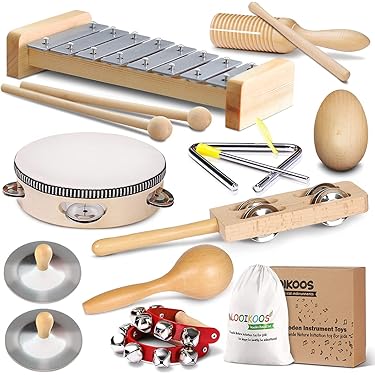
Drums help kids feel the beat and improve coordination. Small drum sets or hand percussion instruments work well for beginners.
Violin And String Instruments
The violin teaches pitch and fine motor skills. Smaller sized violins fit young players better. Other string instruments also build ear training.
| Instrument | Size for Kids | Skill Focus |
| Violin | 1/8 to 1/4 size | Pitch control, bowing |
| Cello | 1/4 size | Posture, finger strength |
| Double Bass | 1/8 size | Rhythm, finger reach |
Wind Instruments
Wind instruments like recorders and harmonicas are easy to start. They improve breathing and finger skills. Recorders are popular in schools.
Benefits Of Learning Music Early
Learning music at a young age can help children in many ways. It teaches skills that support their growth in school and life.
Musical instruments are great tools for kids to explore sounds and rhythms. This exploration helps their brain and emotions develop.
Cognitive Development
Playing an instrument improves memory and attention. Kids learn to recognize patterns and solve problems.
Music also helps with language skills. Children who learn music often do better in reading and math.
- Improves concentration and focus
- Enhances memory and listening skills
- Supports language and math abilities
Emotional Growth
Learning music helps children express their feelings. It gives them a safe way to share joy, sadness, or excitement.
Music also builds confidence. As kids practice and improve, they feel proud of their progress.
- Encourages emotional expression
- Builds self-esteem and confidence
- Reduces stress and anxiety
Social Skills
Playing music with others teaches teamwork and listening. Children learn to cooperate and share ideas.
Group music activities help kids make friends. They feel part of a community and learn respect for others.
- Improves communication skills
- Teaches cooperation and teamwork
- Helps build friendships and respect
Tips For Parents And Teachers
Choosing a musical instrument for an 8-year-old can be exciting. It helps children develop skills and enjoy music.
Parents and teachers play a big role in guiding young learners. These tips can support their musical journey.
Encouraging Practice
Practice helps children improve their skills. Make practice time short but regular to keep interest.
Use positive words and celebrate small successes to motivate children.
- Set a daily practice schedule of 10-15 minutes
- Use a timer to keep sessions focused
- Let children choose songs they like
- Offer praise for effort, not just results
Finding The Right Teacher
A good teacher makes learning fun and easy. Look for someone who understands kids well.
Ask about the teacher’s experience with children and their teaching style before choosing.
- Check for teachers with experience teaching young children
- Look for patience and clear communication skills
- Choose teachers who use games and activities
- Consider trial lessons to see if the child feels comfortable
Creating A Supportive Environment
Children learn best in a calm and encouraging space. Keep the practice area free from distractions.
Show interest in their progress and listen to their feelings about learning music.
- Set up a quiet and comfortable practice spot
- Keep the instrument accessible and ready to use
- Attend recitals or performances to show support
- Encourage patience during challenges
Affordable Instrument Options
Choosing a musical instrument for an 8-year-old can be exciting. It is important to find options that fit your budget.
Affordable instruments allow children to explore music without high costs. This helps parents support their interests.
Budget-friendly Choices
Some instruments are less expensive and easy for kids to learn. These include ukuleles, recorders, and keyboards.
These instruments often have smaller sizes and simple designs. This makes them perfect for young beginners.
- Ukulele: small, light, and low cost
- Recorder: simple wind instrument
- Keyboard: many affordable models available
- Small percussion instruments like tambourines
Renting Vs Buying
Renting an instrument can be cheaper at first. It also lets kids try different instruments before buying.
Buying is a better choice if the child will play for a long time. Ownership means no monthly fees.
- Renting lowers upfront costs
- Buying saves money over time
- Renting includes maintenance and repairs
- Buying allows personal customization
Secondhand Instruments
Used instruments are often much cheaper than new ones. They can be a good option for beginners.
Check the instrument carefully for damage before buying. Some repairs might be needed but can still save money.
- Look for clean, functional instruments
- Ask about the instrument’s history
- Test the sound and playability
- Consider local music stores or online marketplaces

Credit: www.amazon.com
Credit: www.walmart.com
Frequently Asked Questions
What Are The Best Musical Instruments For 8-year-olds?
The best instruments for 8-year-olds are easy to learn and fun. Options include the keyboard, recorder, ukulele, and small percussion instruments. These promote motor skills and creativity while being age-appropriate and affordable.
How Do I Choose A Beginner Instrument For My Child?
Consider your child’s interest, hand size, and budget. Choose instruments that are simple to play and maintain. Look for models designed for beginners with clear instructions and good sound quality.
Are Keyboard And Piano Good For 8-year-old Beginners?
Yes, keyboards and pianos are excellent for beginners. They help develop finger strength and music theory understanding. Keyboards offer affordability and portability, making them ideal for young learners.
Can 8-year-olds Learn String Instruments Easily?
Yes, children can learn violin, cello, or ukulele at this age. These instruments improve coordination and listening skills. Smaller sizes are available, making them comfortable for young players.
Conclusion
Choosing the right musical instrument helps children enjoy learning music. It builds their confidence and creativity. Simple instruments like the keyboard or recorder suit eight-year-olds well. Playing music also improves focus and patience over time. Encourage kids to try different instruments to find their favorite.
Music brings joy and helps develop important life skills. Starting young gives them a strong foundation for the future. Let children explore and have fun with sounds and rhythms. Music can brighten their days and inspire their dreams.