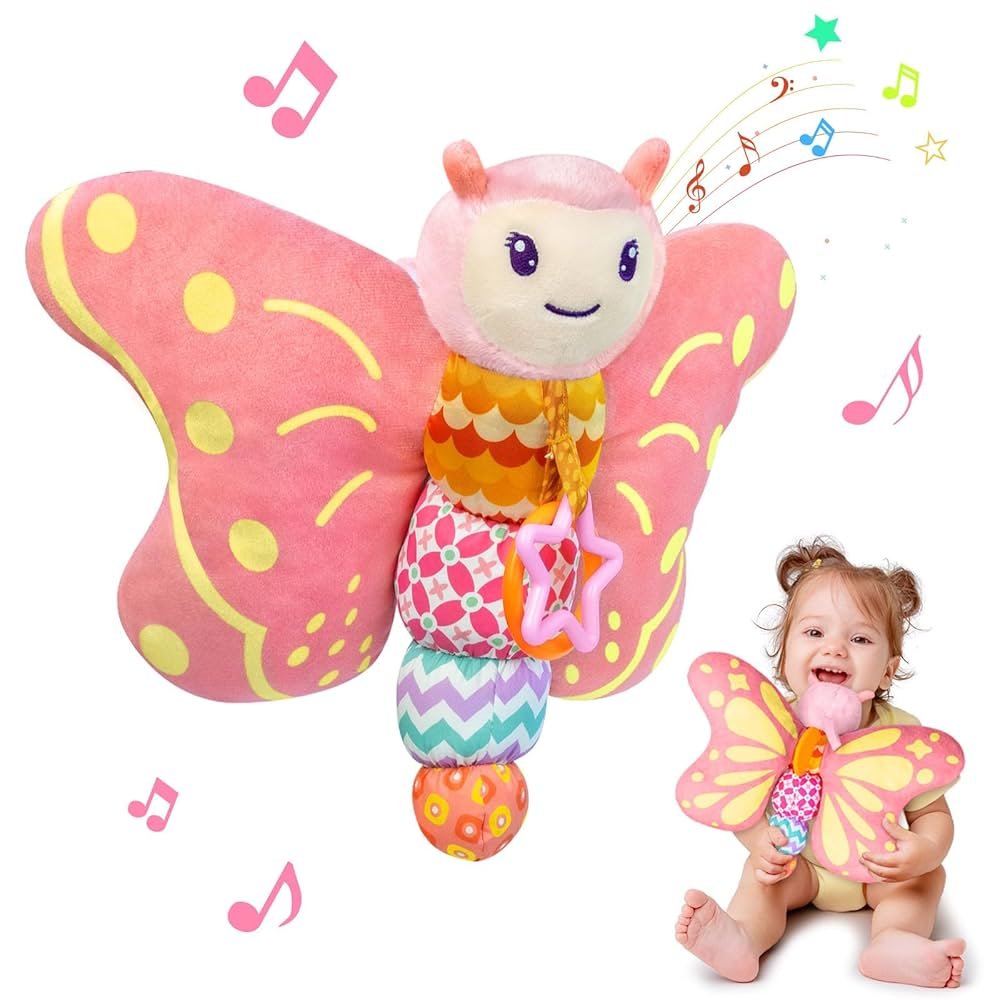
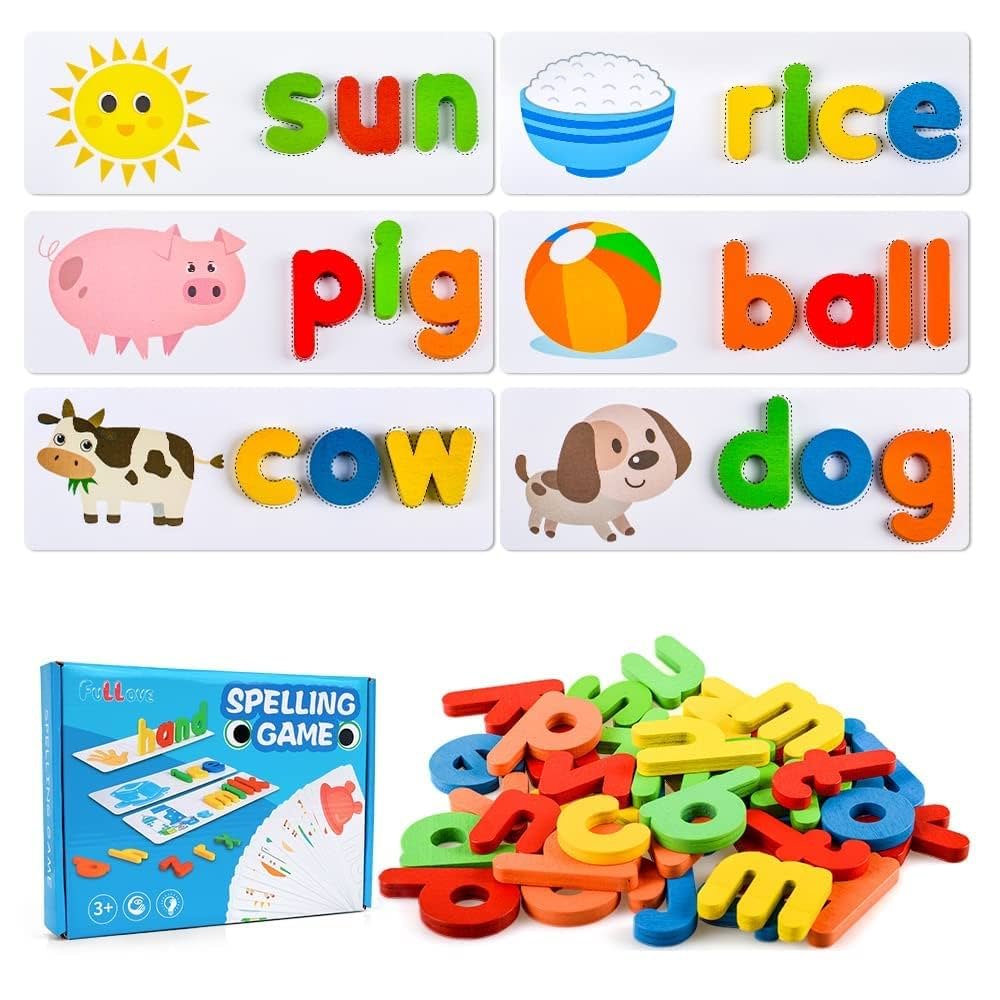
Are you looking for a fun and effective way to boost your kindergartener’s learning and creativity? Musical toys might be just what you need.
These toys do more than entertain—they help your child develop important skills like listening, coordination, and memory. Imagine your little one smiling as they explore sounds and rhythms, all while building a strong foundation for future learning. Keep reading to discover the best musical toys that will make playtime exciting and educational for your kindergartener.
Benefits Of Musical Toys
Musical toys offer many advantages for kindergarteners. They support learning and growth in fun ways.
These toys help children explore sounds and rhythms. They also encourage creativity and play.
Enhancing Cognitive Skills
Playing with musical toys helps children improve memory and concentration. They learn to recognize patterns and sounds.
- Boosts listening skills
- Improves problem-solving
- Strengthens attention span
Improving Motor Development
Musical toys encourage hand-eye coordination and fine motor skills. Children practice using their fingers and hands.
| Motor Skill | Example Activity |
| Fine motor | Pressing piano keys |
| Gross motor | Shaking a tambourine |
| Coordination | Clapping to a beat |
Encouraging Emotional Expression
Musical toys help children express feelings through sounds. They learn to share joy, sadness, and excitement.
Emotional benefits include:
- Reducing stress and anxiety
- Building self-confidence
- Encouraging creativity
Fostering Social Interaction
Playing music with others helps children learn teamwork. They practice sharing and taking turns.
- Improves communication skills
- Builds friendships
- Teaches cooperation

Credit: www.amazon.com
Types Of Musical Toys
Musical toys help kindergarteners learn sounds and rhythms. They make playing with music fun and easy.
Different types of musical toys offer various ways to explore music. Each type uses a unique way to create sounds.
Percussion Instruments
Percussion instruments make sounds when you hit, shake, or tap them. They are simple and fun for young children.
Examples include drums, tambourines, and maracas. These toys help kids learn rhythm and timing.
- Drums: Kids hit the surface to make beats.
- Tambourines: Shake or tap to hear jingles.
- Maracas: Shake to create a rattling sound.
- Xylophones: Tap bars to play different notes.
Keyboard Toys
Keyboard toys have piano-style keys to press. They teach children about notes and melodies.
These toys often play different sounds and songs. Kids can try simple tunes and explore sounds easily.
- Mini pianos with colorful keys
- Electric keyboards with preset songs
- Keyboards that light up when pressed
- Musical mats with piano keys
Wind Instruments
Wind instruments make sound when kids blow air into them. They help develop breath control and sound skills.
Common wind toys include whistles, harmonicas, and toy trumpets. These toys offer simple ways to create music.
- Whistles that produce clear tones
- Harmonicas for easy melodies
- Toy trumpets with buttons to press
- Flutes made for small hands
Interactive Sound Books
Interactive sound books play music or sounds when kids press buttons. They combine reading with music learning.
These books often include songs, animal sounds, and musical notes. They engage children with both sound and story.
- Books with animal sounds and music
- Books that play nursery rhymes
- Books with buttons for different instruments
- Books that encourage sing-alongs
Choosing Safe And Age-appropriate Toys
Musical toys help kindergarteners learn sounds and rhythm. Choosing safe toys is very important. Age-appropriate toys keep children happy and protected.
This guide covers key points to find toys that are safe and fit young children well. Parents and teachers can use this advice.
Material And Build Quality
Toys should be made from strong materials that do not break easily. Smooth edges and sturdy parts reduce injury risks. Avoid toys with small pieces that can come loose.
- Choose toys made of durable plastic or wood
- Check for smooth, rounded edges
- Avoid toys with tiny detachable parts
- Make sure buttons and batteries are secure
Size And Weight Considerations
Kindergarteners need toys that are easy to hold and carry. Heavy or large toys can be hard for small hands. Proper size prevents choking hazards and frustration.
| Age Group | Recommended Size | Weight Limit |
| 3-4 years | 3 to 6 inches | Under 1 pound |
| 4-5 years | 4 to 7 inches | Under 1.5 pounds |
| 5-6 years | 5 to 8 inches | Under 2 pounds |
Volume Control Features
Musical toys should have volume controls. Loud sounds can hurt children’s ears. Adjustable volume lets adults set safe sound levels.
Look for these volume features:
- Low and high volume settings
- Mute button for quiet play
- Automatic shut-off to save battery and sound
Non-toxic Components
Toys should be free from harmful chemicals. Paints and plastics must be non-toxic. Children often put toys in their mouths. Safety is a must.
- Look for labels stating non-toxic materials
- Choose BPA-free plastics
- Check for ASTM or EN71 safety certifications
- Avoid toys with lead-based paint

Credit: www.amazon.com
Incorporating Musical Toys In Learning
Musical toys are great tools for kindergarten learning. They help children enjoy music while learning new skills.
Using these toys in class makes lessons fun and helps kids stay interested. They can learn through play and sound.
Integrating With Classroom Activities
Musical toys fit well with many classroom activities. Teachers can use them during circle time or group play.
They help children learn rhythm, counting, and teamwork while playing together.
- Use drums to teach counting beats
- Sing songs with shakers to practice rhythm
- Play musical chairs to encourage movement and listening
Using For Language Development
Musical toys support language skills by encouraging listening and speaking. Kids hear sounds and words clearly.
They can repeat songs and rhymes, which helps with vocabulary and pronunciation.
- Sing simple songs with clear words
- Use instruments to mark pauses and beats in speech
- Encourage children to describe the sounds they hear
Supporting Creativity And Imagination
Musical toys inspire children to create their own sounds and songs. This boosts their imagination.
Kids can mix sounds, play new rhythms, and express feelings through music.
- Encourage free play with different instruments
- Let children invent their own musical stories
- Use music to act out scenes or emotions
Promoting Focus And Attention
Playing musical toys helps children focus on sounds and follow instructions. This improves attention skills.
Music requires listening carefully and timing actions, which keeps kids engaged.
- Ask children to play only when they hear a signal
- Use songs with pauses to practice waiting
- Combine music with simple movement games
Top Musical Toys For Kindergarteners
Musical toys help young children learn sounds and rhythms. They also boost creativity and hand-eye coordination.
Choosing the right musical toy can make playtime fun and educational for kindergarteners.
Popular Brand Recommendations
Many brands create musical toys that suit young kids well. These toys are safe, colorful, and easy to use.
- Fisher-Price Kick & Play Piano Gym - encourages movement and sound discovery.
- Melissa & Doug Band-in-a-Box - includes various small instruments for group play.
- VTech KidiBeats Drum Set - has fun beats and light-up buttons.
- Hape Pound & Tap Bench - combines pounding and xylophone sounds.
Budget-friendly Options
Affordable musical toys can still offer great learning and fun. Many simple toys create big sounds and joy.
| Toy | Price Range | Features |
| Maracas | $5 - $10 | Easy to shake, colorful |
| Tambourine | $8 - $15 | Lightweight with jingles |
| Recorder Flute | $7 - $12 | Simple wind instrument |
| Hand Bell Set | $10 - $20 | Multiple bells with different tones |
Diy Musical Toy Ideas
Making musical toys at home is fun and saves money. Kids can help with easy crafts using household items.
- Rice Shakers: Fill empty plastic bottles with rice or beans and seal tightly.
- Box Drum: Use an empty cardboard box and let kids tap it with hands or sticks.
- Water Xylophone: Fill glasses with different water levels and tap with a spoon.
- Paper Plate Tambourine: Staple two paper plates with beans inside for jingles.
Credit: www.amazon.com
Tips For Parents And Educators
Musical toys are great for young children. They help with development and creativity. Parents and educators can use these toys to teach music in a fun way.
These toys can also improve listening skills. Kids learn to focus and follow rhythms. Here are some tips for using musical toys effectively.
Encouraging Regular Playtime
Regular playtime with musical toys is important. It helps children become familiar with sounds. Set a daily schedule for music play.
Make sure the environment is safe and comfortable. Children should feel free to explore different sounds and rhythms.
- Include musical play in daily routines
- Provide a variety of musical toys
- Encourage exploration and creativity
Creating Group Music Sessions
Group music sessions are fun and social. They teach cooperation and teamwork. Plan activities where children can play together.
Use simple instruments like tambourines or maracas. Rotate roles so everyone can try different instruments.
| Activity | Instruments | Duration |
| Sing-along | Tambourines | 10 minutes |
| Rhythm games | Maracas | 15 minutes |
Monitoring And Guiding Usage
Adults should monitor how children use musical toys. This ensures safe and proper use. Guide them on how to handle instruments gently.
Watch for signs of frustration. Help them learn at their own pace. Celebrate small achievements to keep them motivated.
- Observe how children interact with toys
- Provide gentle guidance and support
- Encourage patience and practice
Frequently Asked Questions
What Are The Best Musical Toys For Kindergarteners?
The best musical toys for kindergarteners include xylophones, tambourines, mini keyboards, and maracas. These toys develop rhythm, coordination, and creativity while being safe and age-appropriate.
How Do Musical Toys Benefit Kindergarteners’ Development?
Musical toys enhance fine motor skills, auditory processing, and cognitive abilities. They also boost creativity, emotional expression, and social interaction in young children.
Are Electronic Or Acoustic Musical Toys Better For Kids?
Both have benefits; acoustic toys promote natural sound recognition, while electronic toys offer diverse sounds. Choosing depends on your child’s interest and learning goals.
What Safety Features Are Important In Musical Toys?
Look for non-toxic materials, no small detachable parts, and sturdy construction. Toys should comply with safety standards to prevent choking or injury.
Conclusion
Musical toys help children learn and have fun at the same time. They improve listening, rhythm, and creativity skills. Kids enjoy exploring sounds and making music on their own. These toys also encourage social play and sharing with friends. Choosing the right musical toy can support early development.
Simple instruments like drums, xylophones, and shakers work well. Parents and teachers can use them in daily activities. Music brings joy and learning together. A great way to support young children’s growth.