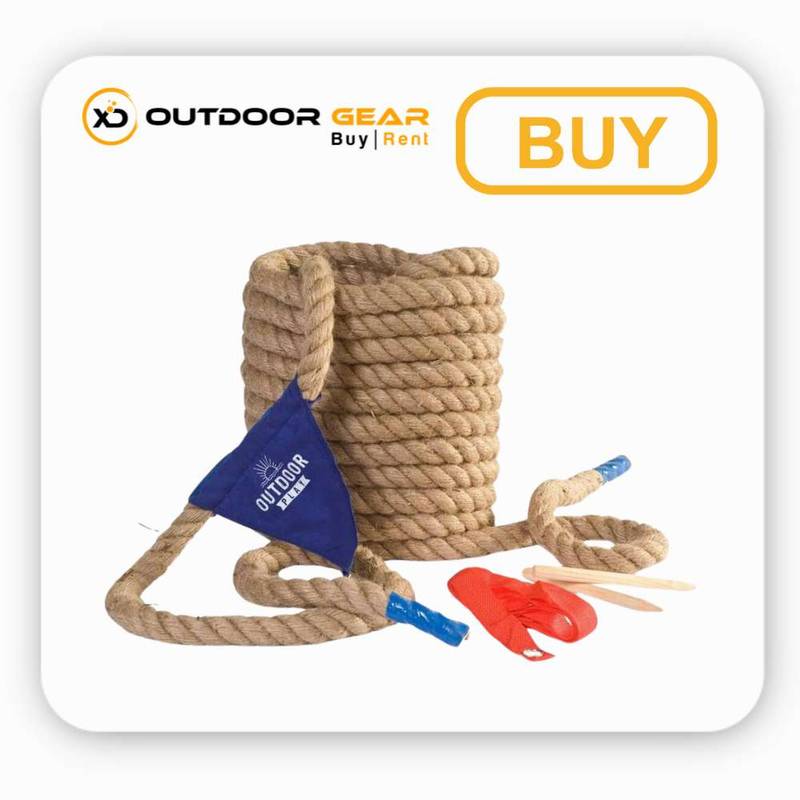
Are you ready to bring excitement and teamwork to your next outdoor gathering? An outdoor tug of war rope is exactly what you need to turn any event into a thrilling challenge.
Whether you’re planning a family picnic, a school field day, or a team-building activity, this simple tool can create unforgettable moments filled with fun and friendly competition. Keep reading to discover how the right tug of war rope can boost energy, spark laughter, and strengthen bonds among your group.
Your perfect outdoor adventure starts here!
Credit: xdogtrekking.com
Choosing The Right Rope
Picking the right rope is important for a fun and safe tug of war. The rope must hold strong and feel good in your hands.
This guide helps you choose the best rope by looking at materials, size, and durability.
Material Types
Ropes come in many materials. Each has its own strength and feel. Natural fibers like cotton are soft but can wear fast.
Synthetic fibers like polypropylene or nylon last longer and resist water. Choose based on where you play and how often.
- Cotton: soft, good grip, wears quickly
- Polypropylene: strong, water-resistant, light
- Nylon: very strong, stretchy, durable
- Manila: natural, rough texture, sturdy
Length And Thickness
The rope length must fit the number of players. Longer ropes suit bigger teams. Short ropes work for small groups.
Thickness affects grip and strength. Thicker ropes hold better but are heavier. Find a balance for comfort and power.
- Length: 25 to 50 feet is common
- Thickness: 1 to 2 inches works well
- Match length and thickness to team size
Durability Factors
Durability means the rope lasts through many games. Outdoor ropes face sun, rain, and rough ground.
Look for UV protection and water resistance. Also, check how well the rope resists fraying and snapping.
- UV protection prevents sun damage
- Water-resistant ropes dry fast
- Strong fibers resist fraying
- Check the rope’s weight limit
Setting Up Your Tug Of War Game
Setting up a tug of war game outdoors is simple and fun. You need the right space and some basic safety measures. This guide helps you prepare for a great tug of war experience.
Follow these steps to choose a location, mark your playing area, and keep everyone safe during the game.
Selecting The Perfect Location
Choose a flat, open area with soft ground like grass or dirt. Avoid places with rocks, roots, or slopes. The space should be large enough for both teams to pull without obstacles.
Make sure the location has enough room around the game area. This space helps prevent accidents and gives players room to move safely.
Marking Boundaries
Clear boundaries keep the game fair and organized. Use cones, flags, or chalk to mark lines on the ground. Mark the center line and the team's starting points clearly.
- Place the center line exactly in the middle of the playing area.
- Mark a pull line for each team about 10 feet from the center.
- Use bright colors to make lines easy to see.
- Keep the boundary lines straight and even.
Safety Precautions
| Safety Tip | Description |
|---|---|
| Check the Rope | Inspect the rope for frays or weak spots before playing. |
| Wear Proper Shoes | Use closed-toe shoes with good grip to avoid slipping. |
| Keep Spectators Safe | Keep bystanders at a safe distance from the playing area. |
| Warm Up | Have players stretch and warm up to prevent injuries. |
| Limit Team Size | Balance teams by size and strength to reduce risk. |
Techniques For Maximum Strength
Outdoor tug of war tests strength and teamwork. Using the right techniques helps your team pull harder and last longer.
Focus on grip, stance, and team coordination to gain power. Training exercises build strength and improve your chances of winning.
Proper Grip And Stance
Hold the rope firmly with both hands. Use a strong grip to avoid slipping. Position your feet shoulder-width apart for balance.
- Wrap the rope around your dominant hand for extra hold
- Keep your arms slightly bent to absorb pull force
- Bend your knees and lean back to use your body weight
- Keep your back straight to prevent injury
Team Coordination
Work as a team to pull the rope together. Synchronize your movements to create strong, steady force. Communicate clearly during the match.
| Role | Task |
| Anchor | Hold the rope tightly at the end and provide stability |
| Middle Pullers | Maintain steady, strong pulls in rhythm |
| Front Pullers | Lead the pull and set the pace |
Training Exercises
Practice exercises to build muscle and endurance. Focus on pulling strength and teamwork drills.
- Rope pull drills using weighted ropes
- Squat and hold position while pulling
- Group synchronization exercises with commands
- Cardio workouts to improve stamina

Credit: www.amazon.com
Fun Variations And Game Ideas
Tug of war is a classic outdoor game loved by many. It brings teams together and tests strength and teamwork. Adding new twists makes the game even more exciting.
Here are some fun ways to play tug of war with different groups and skill levels. Try these ideas to keep the game fresh and enjoyable.
Team Challenges
Team challenges add variety to the traditional tug of war. You can create new rules to boost teamwork and strategy.
- Mixed Strength Teams: Balance teams by mixing players of different sizes and ages.
- Obstacle Course Tug: Set up cones or hurdles for teams to navigate while pulling the rope.
- Timed Pulls: See which team can pull the rope the farthest in a limited time.
- Relay Tug: Teams switch players every 30 seconds for fresh energy.
Competitive Rules
Using clear rules keeps tug of war fair and fun. Here are some simple competitive rules to follow.
| Rule | Description |
| Starting Position | Both teams line up behind their marker on the ground. |
| Winning Condition | First team to pull the center marker past their line wins. |
| Fouls | No sitting or lying down; feet must stay on the ground. |
| Number of Players | Teams have equal members, usually 5 to 8 players. |
| Rounds | Best of three pulls decides the winner. |
Family-friendly Versions
Make tug of war safe and fun for all ages with easy changes. These versions suit families and young children.
- Shorter Ropes: Use a shorter rope to reduce pulling distance.
- Smaller Teams: Use fewer players to keep it manageable.
- Soft Surfaces: Play on grass or mats to prevent injuries.
- Gentle Pulls: Encourage light pulling instead of full strength.
- Team Cheer: Add fun by having teams cheer or sing while pulling.
Maintaining And Storing Your Rope
Taking care of your outdoor tug of war rope helps it last longer. Proper maintenance keeps the rope strong and safe to use.
Storing the rope correctly prevents damage from weather and wear. Follow simple tips to keep your rope in good shape.
Cleaning Tips
Clean your rope after each use to remove dirt and sweat. Use water and mild soap for best results.
Avoid harsh chemicals or bleach as they can weaken the fibers. Rinse the rope well and let it dry fully before storing.
- Use a soft brush to remove tough dirt
- Do not soak the rope for too long
- Dry the rope in a shaded, well-ventilated area
Storage Best Practices
Store your rope in a cool, dry place to stop mold and mildew. Keep it off the ground and away from direct sunlight.
Coil the rope neatly to avoid kinks and tangles. Use a rope bag or container for extra protection.
- Keep rope away from sharp objects
- Do not store rope in damp or humid areas
- Check rope regularly for signs of damage
Extending Rope Lifespan
Use the rope only for its intended purpose to avoid unnecessary wear. Avoid dragging it on rough surfaces.
Inspect the rope before each use. Repair or replace it if you find fraying or weak spots.
- Rotate rope use to spread wear evenly
- Keep rope clean and dry after every use
- Avoid exposure to chemicals and extreme heat

Credit: www.amazon.com
Frequently Asked Questions
What Is An Outdoor Tug Of War Rope Made Of?
Outdoor tug of war ropes are typically made from durable natural fibers like manila or synthetic materials such as polypropylene. These materials provide strength, grip, and resistance to weather, making the rope ideal for outdoor use and intense tugging competitions.
How Long Should An Outdoor Tug Of War Rope Be?
The standard length for an outdoor tug of war rope is usually between 30 to 50 feet. This length allows enough space for teams to pull safely and effectively during the game, while maintaining balance and control.
Can An Outdoor Tug Of War Rope Withstand All Weather Conditions?
Yes, quality outdoor tug of war ropes are designed to resist rain, sun, and dirt. Synthetic ropes especially maintain strength and flexibility in various weather, ensuring reliable performance in outdoor environments.
How Many Players Can Use An Outdoor Tug Of War Rope?
An outdoor tug of war rope can accommodate teams ranging from 5 to 10 players per side. The rope’s length and thickness determine the maximum number of participants for a safe and enjoyable game.
Conclusion
Outdoor tug of war ropes bring fun and teamwork to any event. They are strong, safe, and easy to use. Everyone can enjoy playing together, building strength and friendship. Choose the right rope for your group and space. This simple tool creates lasting memories and active moments.
Get outside, grab the rope, and enjoy the challenge. Tug of war never goes out of style.