Have you ever wanted to see a volcano erupt right in your own backyard? With an Outdoor Volcano Science Kit, you can do just that—and learn amazing science along the way.
Imagine the excitement as you build your volcano, mix the ingredients, and watch the fizzy lava burst out. This hands-on experience makes learning fun and unforgettable. Keep reading to discover how this kit can turn your outdoor space into a thrilling science adventure you won’t want to miss!
Choosing The Right Volcano Kit
Outdoor volcano science kits are fun and educational. They help kids learn about volcanoes by making eruptions.
Picking the right kit makes the experience safe and exciting. It also fits the child’s age and interests.
Types Of Volcano Kits
Volcano kits come in different styles. Some use baking soda and vinegar to create eruptions. Others use safe chemicals for bigger effects.
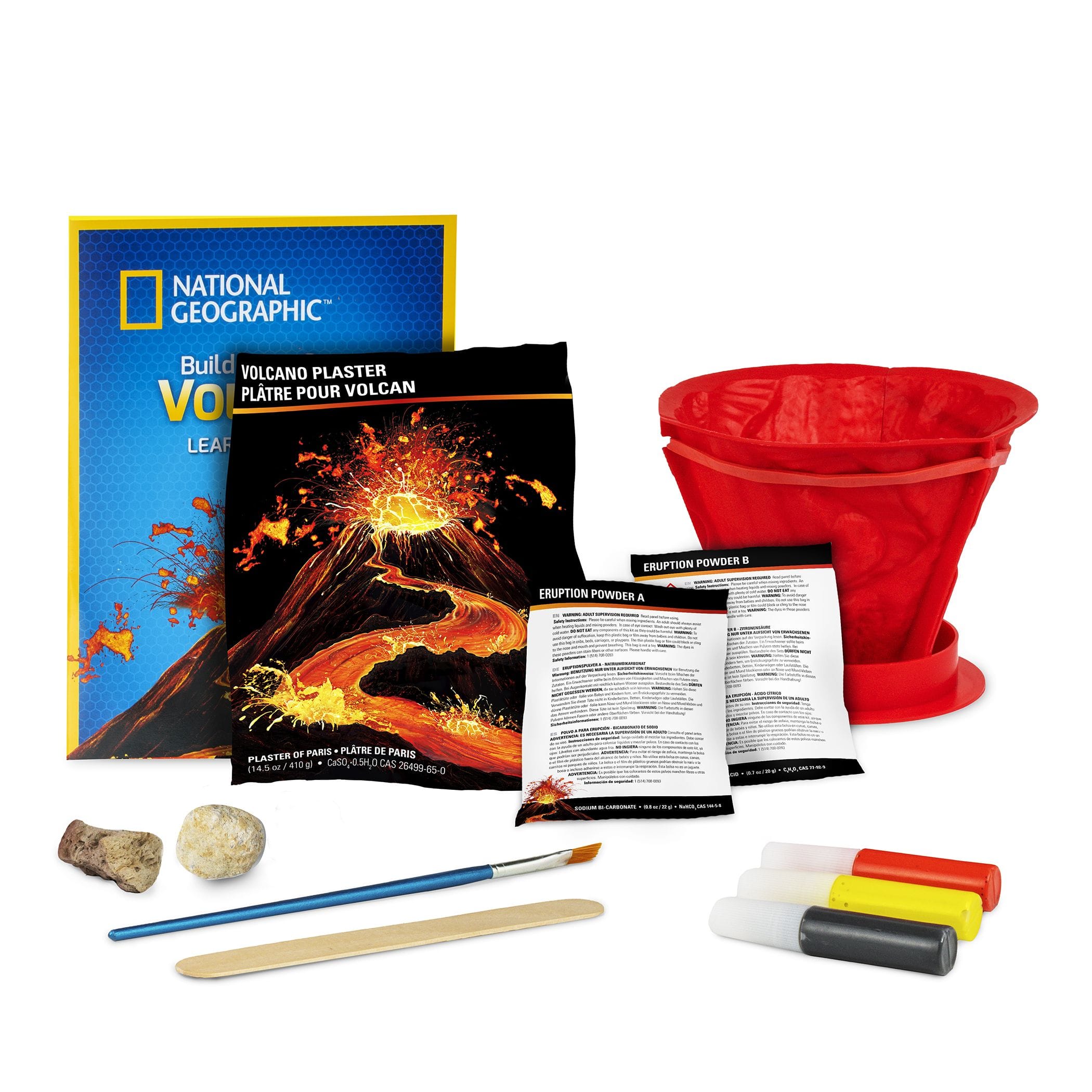
There are also kits with build-your-own volcano models. These let kids paint and design their volcano before erupting it.
- Baking soda and vinegar kits
- Chemical reaction kits
- Build and paint volcano models
- Electronic eruption kits
Materials And Safety Features
Look for kits made with non-toxic materials. Safe plastics and paints reduce health risks. Check if the kit includes goggles or gloves.
Some kits have clear instructions and warnings. These help prevent accidents during experiments. Always pick kits with good safety reviews.
- Non-toxic chemicals and paints
- Durable plastic or clay volcano bases
- Protective gear like goggles and gloves
- Clear safety instructions included
Age Appropriateness
Choose a kit that matches the child’s age and skill level. Younger kids need simple kits with less mess. Older kids enjoy complex kits with detailed steps.
Check the age label on the box. This helps ensure the kit is safe and fun for the child. Adult supervision is best for younger kids.
- Simple kits for ages 5-7
- Intermediate kits for ages 8-12
- Advanced kits for teens 13 and up
- Adult help recommended for young children

Credit: www.mastermindtoys.com
Setting Up Your Volcano
Setting up your volcano is an exciting first step in the science kit. You will build the model and get it ready for the eruption.
Make sure to follow each part carefully to have a fun and safe experiment outside.
Assembling The Volcano Model
Start by putting together the volcano base. Use the materials in the kit to shape the volcano.
Attach the main cone to the base. Make sure it is steady and secure before moving on.
- Place the cone on a flat surface
- Use glue or tape as needed
- Check that the model stands firm
Preparing The Eruption Materials
Gather all the eruption ingredients from the kit. These usually include baking soda, vinegar, and red coloring.
Measure the amounts carefully. Mixing the right quantities will make the eruption safe and exciting.
- Use a small cup for baking soda
- Have vinegar ready in a separate container
- Add a few drops of red food color
Safe Outdoor Setup Tips
Set up your volcano outside in an open area. This keeps the mess away from your home and lets you enjoy nature.
Wear old clothes and keep a bucket of water nearby. This helps with quick cleanup if needed.
- Choose a flat, stable spot outdoors
- Keep pets and small children at a safe distance
- Have paper towels or cloths ready
- Clean up thoroughly after the experiment
Conducting The Eruption Experiment
The Outdoor Volcano Science Kit lets you create a fun and exciting eruption. You can watch the volcano bubble and flow like real lava. This experiment helps you learn how volcanoes work.
Before starting, make sure you have all the materials ready. Follow the steps carefully to see the eruption happen safely.
Step-by-step Eruption Process
Begin by placing the volcano model on a flat surface outside. Add the provided baking soda into the volcano’s crater. Next, pour in the vinegar slowly to start the eruption.
Watch as the mixture bubbles up and flows down the sides like lava. You can repeat the process by adding more baking soda and vinegar.
- Set the volcano on a flat surface outdoors
- Put baking soda inside the crater
- Pour vinegar slowly into the crater
- Observe the bubbling eruption
- Repeat if desired
Chemical Reactions Behind The Eruption
The eruption happens because of a chemical reaction. Baking soda and vinegar mix to create carbon dioxide gas. The gas forms bubbles that push the liquid up and out.
This gas makes the bubbling and fizzing look like lava flowing from a real volcano. This simple reaction shows how gases can create pressure and movement.
- Baking soda is a base
- Vinegar is an acid
- Mixing them creates carbon dioxide gas
- Gas bubbles cause the eruption
Recording Observations
It is important to watch the eruption carefully. Notice how high the bubbles rise and how fast the lava flows. Write down what you see during the experiment.
You can also time how long the eruption lasts. These notes help you understand the science and compare different attempts.
- Watch bubble height and lava flow speed
- Write down your observations
- Time how long the eruption lasts
- Compare results from repeated eruptions
Learning Through Play
Playing with the Outdoor Volcano Science Kit helps children learn about science. They see how volcanoes work by making their own eruptions. This hands-on activity makes learning fun and easy to understand.
Kids can explore the causes of volcanic eruptions and watch chemical reactions. This type of play builds curiosity and improves thinking skills.
Exploring Volcanic Science Concepts
The kit teaches key volcano ideas like magma, lava, and eruptions. Children see how pressure builds and causes explosions. They learn about different volcano types and their shapes.
- How magma rises inside a volcano
- What causes an eruption
- The role of gases in explosions
- Different volcano forms: shield, cinder cone, and composite
Encouraging Questions And Hypotheses
Children can ask questions like “What will happen if I change the ingredients?” or “Why does the eruption last longer sometimes?” This helps them think like scientists. They guess results before testing to form hypotheses.
| Question | Hypothesis |
| What if I use more baking soda? | The eruption will be bigger. |
| Will colder vinegar slow the reaction? | The eruption will be slower. |
| What if I add food coloring? | The lava will change color. |
Extending The Experiment
After the first eruption, kids can try new ideas. They can change the amount of ingredients or test different containers. This shows how small changes affect the volcano.
- Try different vinegar amounts
- Use various container shapes
- Add food coloring for fun lava colors
- Measure eruption time and size
Troubleshooting Common Issues
Outdoor Volcano Science Kits are fun and educational. Sometimes things don't go as planned. Let's explore solutions to common issues.
With a few simple steps, you can fix problems and enjoy the experiments. Let's start with some common troubleshooting tips.
Fixing Weak Eruptions
Weak eruptions can be disappointing. Ensure you have the right amount of ingredients.
- Check the expiration date on the baking soda and vinegar.
- Use fresh vinegar for better reactions.
- Mix the ingredients thoroughly for a consistent eruption.
Handling Mess And Cleanup
Experiments can be messy, but cleaning up is easy. Use the right materials and plan ahead.
| Material | Use |
| Plastic sheet | Protect surfaces |
| Paper towels | Wipe spills |
| Trash bag | Dispose of waste |
Ensuring Safety During Experiments
Safety is important when doing science experiments. Follow simple rules to stay safe and have fun.
- Always wear safety goggles to protect your eyes.
- Perform experiments outside or in a well-ventilated area.
- Keep a safe distance from the volcano during eruptions.
Credit: www.canadiantire.ca
Fun Variations And Challenges
Exploring volcano science can be an exciting adventure. With creative ideas, kids will enjoy learning about these natural wonders.
Let's dive into fun ways to experiment with your Outdoor Volcano Science Kit. Discover new shapes, eruption intensities, and group activities.
Creating Different Volcano Shapes
Volcanoes come in many shapes and sizes. Use your kit to create unique volcano models.
| Shape | Description |
| Composite | Tall and steep, like Mount Fuji |
| Shield | Wide and gently sloping, like Mauna Loa |
| Cinder Cone | Small and steep, like Paricutin |
Experimenting With Eruption Intensity
Adjusting the eruption intensity can teach about different volcanic behaviors. Try changing ingredients to see varied results.
- Use more baking soda for a stronger eruption.
- Add vinegar slowly for a gentle flow.
- Mix in food coloring for visual effects.
Group Activities And Competitions
Learning with friends can make volcano science more fun. Organize group activities and friendly competitions.
Consider setting up a "Volcano Day" where each group presents their volcano model. Judges can score based on creativity and eruption performance.
Benefits Of Outdoor Science Kits
Outdoor science kits make learning fun and exciting. They help kids explore nature while doing science experiments.
These kits bring science lessons outside the classroom. Kids get to see real-life reactions and natural phenomena up close.
Encouraging Hands-on Learning
Outdoor science kits let kids touch and use materials. They learn better by doing experiments themselves.
Building a volcano model and watching it erupt helps kids understand chemical reactions. This active learning sticks in their minds.
- Improves problem-solving skills
- Boosts memory through active participation
- Builds confidence in using science tools
Promoting Outdoor Exploration
Using science kits outside encourages kids to explore the environment. They observe plants, soil, and weather while learning.
Outdoor play with science kits helps children connect lessons with the natural world. This makes learning more meaningful.
- Increases curiosity about nature
- Encourages physical activity and fresh air
- Develops observation and recording skills
Fostering Stem Interest
Outdoor science kits spark interest in science, technology, engineering, and math. Kids see how these subjects connect in real life.
Experiments with volcano kits show geology and chemistry in action. This helps kids enjoy STEM subjects and want to learn more.
- Encourages future STEM learning
- Shows practical uses of science concepts
- Supports critical thinking and creativity

Credit: www.amazon.com.au
Frequently Asked Questions
What Is Included In An Outdoor Volcano Science Kit?
An Outdoor Volcano Science Kit typically includes volcano molds, baking soda, vinegar, and safe coloring agents. It may also have measuring tools and instruction guides for hands-on experiments. These kits promote interactive learning about volcanic eruptions outdoors in a safe, educational way.
How Does An Outdoor Volcano Science Kit Work?
The kit works by combining baking soda and vinegar to create a chemical reaction. This reaction produces carbon dioxide gas, causing the “lava” to bubble and flow. It simulates a real volcanic eruption, making science fun and easy to understand for kids.
Is The Outdoor Volcano Science Kit Safe For Children?
Yes, most Outdoor Volcano Science Kits use non-toxic, child-safe materials. They are designed with safety in mind, but adult supervision is recommended. Always follow the provided instructions to ensure a safe and enjoyable learning experience.
Can The Kit Be Reused For Multiple Eruptions?
Many Outdoor Volcano Science Kits can be reused by replenishing the baking soda and vinegar. Durable molds and containers allow for repeated experiments. This makes the kit cost-effective and perfect for extended educational use.
Conclusion
An outdoor volcano science kit brings fun and learning together. Kids see how volcanoes work with hands-on experiments. It helps them explore nature and science outside. This kit encourages curiosity and sparks new questions. Perfect for family time or school projects.
Watching the eruption is exciting and educational. Try it and enjoy science in the fresh air.