Are you looking for the perfect play kitchen for your 3-year-old? Choosing the right one can spark your child's imagination and boost their creativity every day.
Imagine your little one happily cooking up fun, learning new skills, and developing confidence—all while playing. You’ll discover exactly what to look for and how to pick a play kitchen that fits your child’s needs perfectly. Keep reading, and make playtime more exciting and meaningful for your toddler!
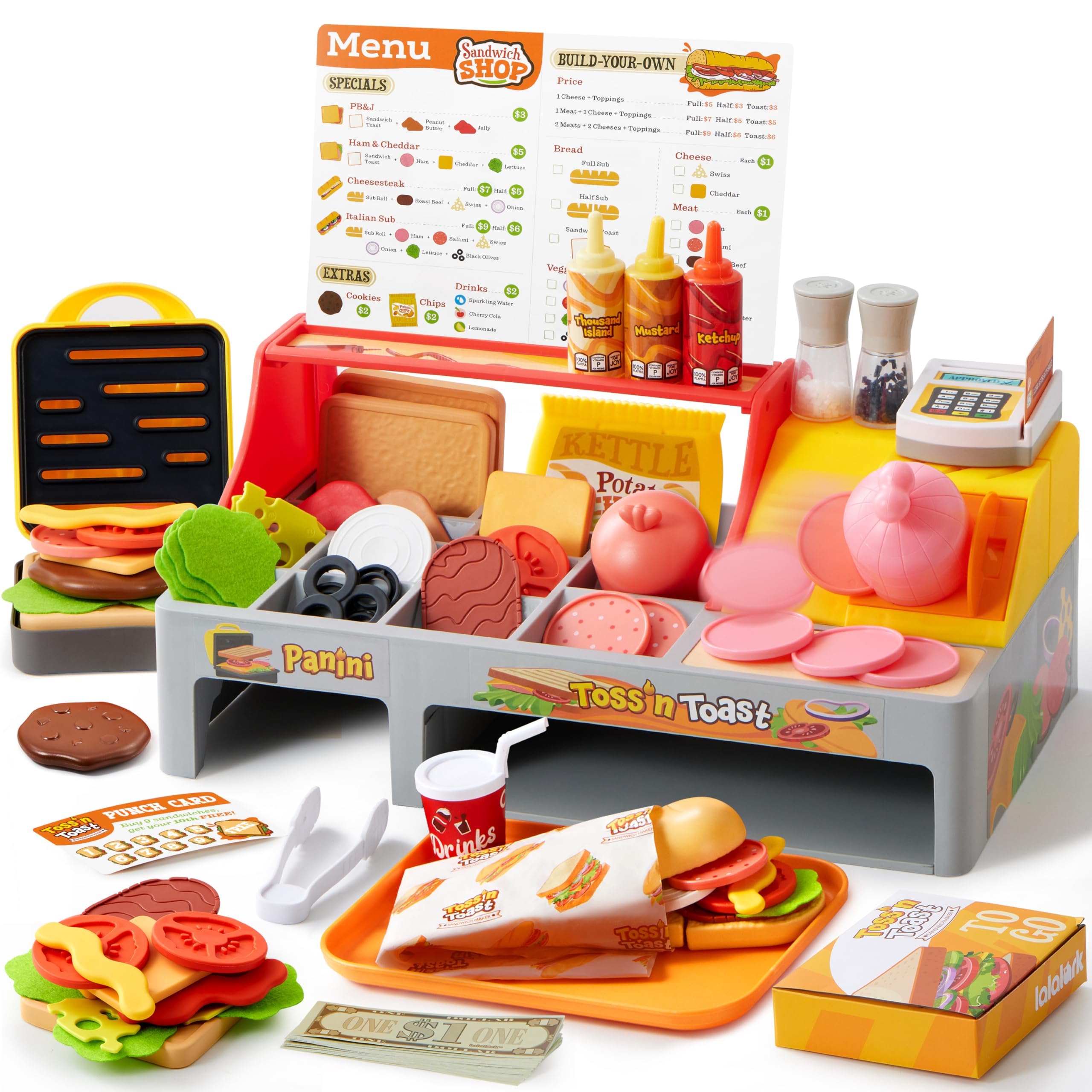
Credit: www.amazon.com
Benefits Of Play Kitchens
Play kitchens offer children a fun place to pretend and learn. They help develop many skills while kids enjoy playing.
For a 3 year old, play kitchens provide safe and creative ways to explore daily life and practice new skills.
Boosting Creativity
Play kitchens encourage children to use their imagination. Kids create stories and scenarios while pretending to cook.
This type of play helps them think outside the box and come up with new ideas on their own.
Enhancing Motor Skills
Using a play kitchen improves hand-eye coordination. Children practice grasping, stirring, and moving small items.
These activities help develop fine motor skills needed for writing and other tasks.
- Turning knobs
- Opening doors
- Picking up utensils
- Pouring pretend liquids
Encouraging Social Play
Play kitchens provide a space for children to play together. Kids learn to share and take turns during pretend cooking.
They develop communication skills by talking and cooperating with friends or family members.
Choosing The Right Play Kitchen
Picking a play kitchen for a 3 year old can be fun but tricky. The right kitchen helps kids learn and play safely.
Think about size, material, and safety before buying. These factors keep playtime enjoyable and safe.
Size And Space Considerations
Measure the play area where the kitchen will go. A kitchen too big can crowd the room. Too small may not hold the child’s interest.
- Allow enough space for your child to move around.
- Choose a kitchen height suitable for a 3 year old.
- Consider if other toys will fit near the kitchen.
- Think about storage space inside or around the kitchen.
Material And Durability
Play kitchens come in wood, plastic, or metal. Each has pros and cons for kids’ play.
| Material | Durability | Cleaning | Appearance |
|---|---|---|---|
| Wood | Strong and lasts long | Wipes clean easily | Looks natural and classic |
| Plastic | Light but can break | Easy to wash with soap | Bright and colorful |
| Metal | Very durable | Needs regular drying | Modern and shiny |
Safety Features
Safety is key for a 3 year old’s play kitchen. Look for features that protect your child.
- Rounded corners to avoid cuts
- Non-toxic paint and materials
- Stable base to prevent tipping
- Secure doors and knobs without sharp edges
- No small parts that can be swallowed
Top Play Kitchens For 3 Year Olds
Play kitchens help young children explore their creativity. They offer a fun way to learn everyday skills.
Choosing the right kitchen depends on space, budget, and features. Here are some great options for 3 year olds.
Budget-friendly Options
Affordable play kitchens can still be durable and fun. These models offer basic features without high cost.
- Compact size fits small rooms easily
- Includes basic stove and sink
- Made of sturdy plastic or wood
- Simple design encourages imagination
- Easy to clean and maintain
Premium Picks
Premium play kitchens come with detailed designs and added features. They often look like real kitchens.
| Model | Material | Features | Price Range |
| Deluxe Wooden Chef | Wood | Oven, fridge, lights | High |
| Modern Mini Kitchen | Plastic & Wood | Sound effects, storage | Medium-High |
| Classic Play Set | Wood | Realistic knobs, shelves | Medium |
Compact Designs
Compact kitchens save space and fit in tight areas. They are perfect for small apartments or play corners.
Benefits of compact play kitchens include:
- Easy to move around
- Fits on tables or counters
- Lightweight for kids to use
- Simple but functional layout
Credit: www.walmart.com
Accessories To Enhance Playtime
Adding accessories to a play kitchen helps children enjoy their pretend cooking. These tools make playtime more fun and creative.
Accessories also teach young kids about everyday kitchen tasks. They encourage imagination and role-playing skills.
Pretend Food Sets
Pretend food sets bring realism to play kitchens. They come in many shapes, colors, and sizes. Kids learn about different foods while having fun.
- Fruits and vegetables made of wood or plastic
- Play bread, cakes, and pastries
- Fake meats and cheeses
- Food that can be cut or stacked
Cooking Utensils
Cooking utensils add hands-on activity to pretend play. They help children copy real cooking actions. Utensils are safe and easy to handle.
| Utensil | Use | Material |
| Spatula | Flip pretend food | Plastic or wood |
| Mixing Spoon | Stir imaginary dishes | Wood or metal |
| Pot and Pan | Cook food | Plastic or metal |
| Measuring Cups | Measure ingredients | Plastic |
Storage Solutions
Storage helps keep play kitchens neat and tidy. It teaches kids to organize their toys properly. Storage options come in many sizes and types.
Common storage ideas include:
- Baskets for fruits and vegetables
- Small boxes for utensils
- Shelves or cubbies for larger items
- Hooks to hang aprons or towels
Tips For Encouraging Creative Play
Play kitchens are perfect for sparking creativity in 3-year-olds. They allow children to use their imagination and try new roles.
Encouraging creative play helps kids develop skills like problem-solving and communication. Here are some tips to get started.
Role-playing Ideas
Role-playing lets children act out everyday situations. It builds their social and language skills while having fun.
Encourage your child to pretend they are a chef, waiter, or grocery shopper. Let them use their imagination freely.
- Set up a restaurant and take turns ordering food
- Play grocery store with pretend fruits and vegetables
- Act out cooking favorite family recipes
Involving Family Members
Playing together makes creative play more exciting. Family members can join in and share ideas.
Invite siblings or parents to cook meals or serve snacks. This helps children learn teamwork and communication.
- Take turns being the chef and customer
- Help set the table and clean up
- Share stories about food and cooking
Combining Play With Learning
Play kitchens offer many chances to learn. You can teach numbers, colors, and healthy eating during playtime.
Use the kitchen tools and food items to introduce new words and concepts. Make learning fun and natural.
- Count the fruits and vegetables while playing
- Name colors of different play foods
- Talk about healthy meals and balanced diets

Credit: us.amazon.com
Frequently Asked Questions
What Age Is Best For A Play Kitchen?
A play kitchen is ideal for children aged 2 to 5 years. At 3 years old, kids develop imaginative play skills. This toy helps enhance creativity, motor skills, and social interaction. It’s a perfect age for role-playing and learning everyday tasks safely.
How To Choose A Safe Play Kitchen For Toddlers?
Look for non-toxic materials and smooth edges in play kitchens. Ensure the size fits your child’s height for comfortable play. Check for sturdy construction to prevent tipping. Avoid small detachable parts to reduce choking hazards. Safety certifications are a must for peace of mind.
What Skills Do 3-year-olds Develop With Play Kitchens?
Play kitchens boost fine motor skills, hand-eye coordination, and problem-solving. They encourage creativity through imaginative role-play and social skills via shared play. Kids also learn vocabulary and basic math concepts like counting and sorting. It’s a fun, educational tool for early development.
Are Wooden Or Plastic Play Kitchens Better For Toddlers?
Wooden kitchens are durable, eco-friendly, and have a classic look. Plastic kitchens are lightweight, colorful, and often more affordable. Both materials are safe if certified non-toxic. Choose based on your child’s preference, room space, and budget. Both types support imaginative play effectively.
Conclusion
A play kitchen helps children learn and have fun at the same time. It encourages creativity and builds important skills. Kids enjoy pretending to cook and serve food, which boosts their confidence. Parents find it a great way to keep children busy and happy.
Choosing a safe and sturdy play kitchen makes all the difference. It creates many happy moments and memories. A simple toy can bring joy and learning together. Perfect for any 3-year-old’s playtime!