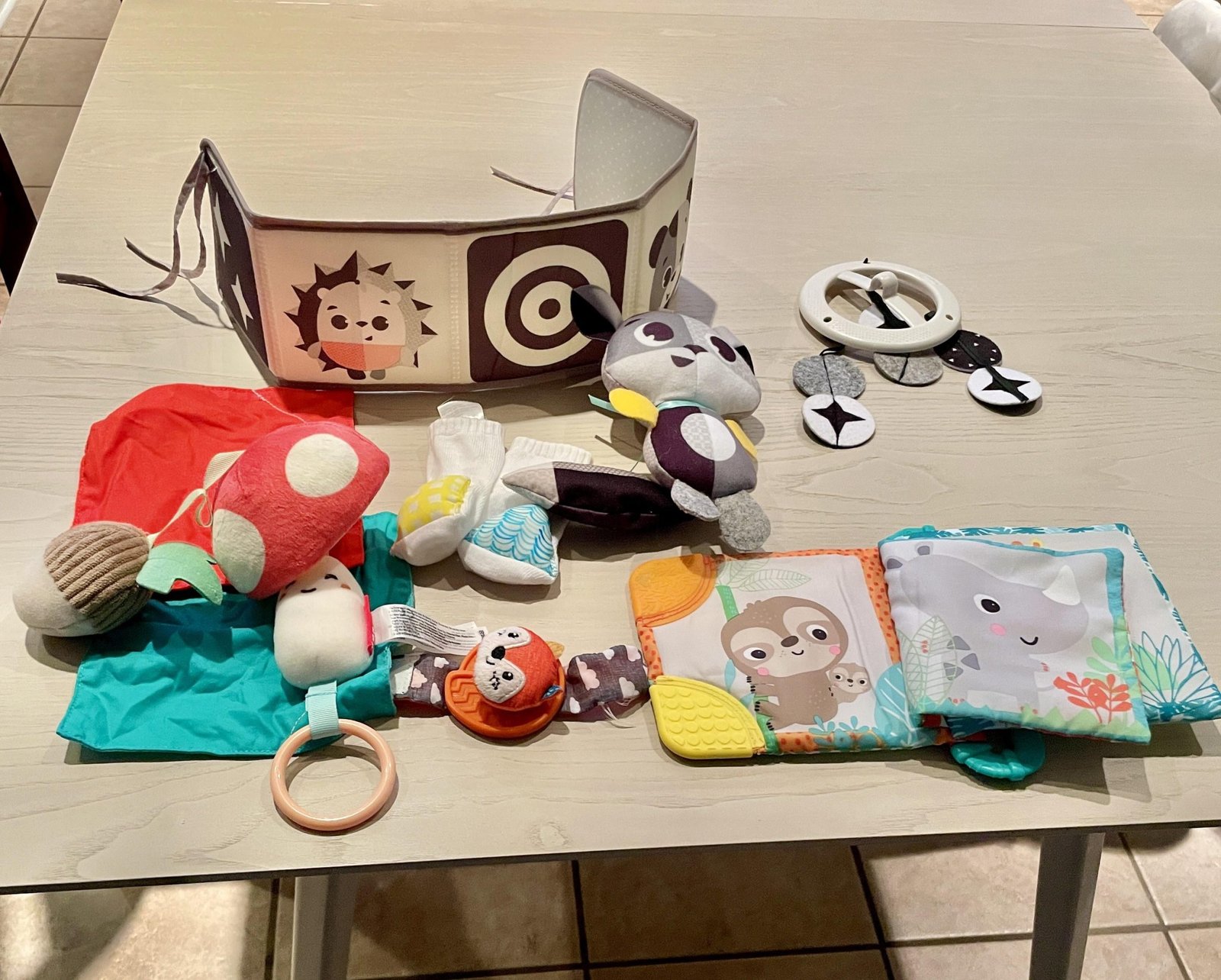
If you’re a parent, you know how much your child loves their plush toys. These cuddly companions often go everywhere with them, collecting dirt, germs, and sometimes even stains.
But how do you keep these soft friends clean and safe without ruining their fluffiness? In this guide, you’ll discover simple, effective ways to clean your child’s plush toys so they stay fresh and snuggly. Keep reading—you’ll learn tips that make toy cleaning quick and stress-free, protecting both your child’s health and their favorite comfort items.
Why Clean Plush Toys
Plush toys are soft and cuddly friends for kids. They often stay close and get lots of hugs.
Cleaning these toys is important to keep children safe and healthy. Dirt and germs can hide in the fabric.
Health Risks From Dirty Toys
Plush toys can carry germs like bacteria and viruses. These can cause sickness in children.
Dirty toys may also hold dust and dirt that irritate the skin. This can lead to rashes or infections.
Allergy And Asthma Concerns
Dust mites and pet dander often settle in plush toys. These can trigger allergies and asthma attacks.
Regular cleaning helps remove these allergens. This keeps the air cleaner and safer for kids.
- Reduces dust mites
- Removes pet hair and dander
- Prevents mold growth
Extending Toy Lifespan
Cleaning plush toys keeps them looking fresh and soft. It stops stains and odors from building up.
Well-maintained toys last longer. This saves money and keeps favorite toys around for years.

Spot Cleaning Techniques
Plush toys can get dirty quickly from everyday play. Spot cleaning helps keep them fresh without a full wash.
Using gentle methods protects the toy’s fabric and stuffing. This guide shows easy ways to clean spots safely.
Choosing The Right Cleaning Solutions
Select mild cleaners that do not harm the plush fabric. Avoid harsh chemicals or bleach that can cause damage.
- Use gentle dish soap diluted with water
- Try baby shampoo for sensitive fabrics
- Mix water with a small amount of white vinegar for odor removal
- Test any cleaner on a hidden spot first
Safe Stain Removal Methods
Remove stains quickly before they set. Dab gently and avoid rubbing to keep fabric intact.
| Stain Type | Cleaning Method |
| Food or Drink | Blot with soapy water, then rinse with clean cloth |
| Ink | Apply rubbing alcohol on cloth, dab gently |
| Grease | Sprinkle baking soda, let sit, then brush off |
| Grass | Use a mix of water and vinegar, blot carefully |
Drying And Fluffing Tips
Dry the plush toy completely to stop mold growth. Air drying is best to keep softness.
- Press gently with a towel to remove extra water
- Let the toy air dry in a warm, ventilated area
- Use a soft brush to fluff the fur after drying
- Avoid direct sunlight to prevent color fading
Machine Washing Plush Toys
Plush toys can get dirty from playtime and cuddles. Machine washing is an easy way to clean them well.
Use the right steps to keep toys soft and safe during washing. This guide helps parents wash plush toys in machines.
Preparing Toys For The Washer
Check the toy’s label for washing instructions. Remove any batteries or electronics before washing.
Close zippers and fix loose threads. Place small toys inside a mesh laundry bag to protect them.
- Look for stains and pre-treat them if needed
- Empty pockets or compartments
- Use a pillowcase or laundry bag for extra protection
Best Washing Settings
Use cold or warm water to avoid damage. Choose a gentle or delicate cycle to keep toys soft.
Use mild detergent without bleach. Avoid fabric softeners as they can harm plush material.
- Water temperature: cold or warm (not hot)
- Cycle: gentle or delicate
- Detergent: mild, no bleach
- No fabric softener
Protecting Delicate Features
Some plush toys have glued parts, buttons, or ribbons. These need extra care during washing.
Wrap toys with delicate features in a soft towel before placing in the washer. This adds protection from rough movement.
- Use mesh laundry bags for small or fragile toys
- Remove or secure loose parts before washing
- Avoid washing toys with glued eyes or decorations in machines

Hand Washing Methods
Plush toys can get dirty from playtime and hugs. Hand washing keeps them clean and safe for kids.
Hand washing is gentle and protects the toy's softness. It also helps remove dirt and germs well.
Selecting Gentle Detergents
Choose mild detergents made for delicate fabrics. Strong chemicals can harm the toy’s fabric and colors.
Look for soaps free of dyes and perfumes. These are less likely to irritate children's skin.
- Use baby shampoo or gentle laundry soap
- Avoid bleach or strong stain removers
- Check labels for “hypoallergenic” or “for sensitive skin”
Effective Soaking And Scrubbing
Fill a basin with warm water and add a small amount of detergent. Mix until sudsy but not too bubbly.
Soak the plush toy for about 10 to 15 minutes. This helps loosen dirt and stains gently.
Use a soft cloth or a soft-bristle brush to scrub the toy lightly. Focus on dirty spots but be gentle.
- Do not scrub too hard to avoid damage
- Pay attention to seams and crevices
- Use circular motions for even cleaning
Rinsing And Drying Properly
Rinse the toy under clean, cool water until no soap remains. Soap left inside can cause skin irritation.
Gently squeeze out excess water without twisting the toy. Too much pressure can misshape it.
Let the toy air dry in a well-ventilated area. Avoid direct sunlight to keep colors bright.
- Place the toy on a clean towel to absorb water
- Flip the toy occasionally to dry all sides
- Do not use a dryer or heater for drying
Drying Plush Toys Safely
Plush toys are beloved companions for children. Keeping them clean and safe is important. Proper drying prevents damage and ensures they remain cuddly.
Learn safe drying techniques to maintain the quality of your child’s plush toys. Here, we explore different methods and tips for drying plush toys without harm.
Air Drying Vs. Machine Drying
Choosing between air drying and machine drying depends on the toy's material and construction. Each method has pros and cons.
- Air Drying: Gentle on fabrics, but takes longer.
- Machine Drying: Quick and convenient, but may cause shrinkage.
Preventing Mold And Odors
Mold and odors can develop if toys are not dried properly. Ensure thorough drying to avoid these issues.
| Method | Prevention Tip |
| Air Drying | Place in a sunny, well-ventilated area |
| Machine Drying | Use a low-heat setting |
Restoring Softness
After drying, some plush toys may lose their softness. Simple techniques can help restore their fluffy texture.
Dealing With Special Materials
Cleaning plush toys can be tricky if they have special materials. Some toys need gentle care to keep their look and feel.
This guide helps parents clean toys with electronics, delicate fabrics, and vintage materials safely.
Cleaning Toys With Electronics
Electronic parts can break if wet. Avoid soaking these toys. Use a dry or slightly damp cloth to clean the surface.
Remove batteries before cleaning. Let the toy dry completely before putting batteries back in.
Handling Delicate Fabrics
Delicate fabrics like silk or velvet need soft cleaning methods. Use gentle soap and cold water to avoid damage.
- Spot clean with a soft cloth
- Do not scrub hard
- Air dry away from sunlight
- Avoid using bleach or strong chemicals
- Test any cleaner on a hidden area first
Caring For Vintage Plush Toys
Vintage toys are fragile and may have special stuffing or fabric. Handle with care to keep their value and shape.
| Cleaning Method | Instructions |
|---|---|
| Dry Cleaning | Use a soft brush to remove dust and dirt |
| Spot Cleaning | Use mild detergent on a soft cloth for small stains |
| Air Drying | Let toy dry naturally, avoid heat sources |
| Storage | Keep in a cool, dry place away from sunlight |
Maintaining Freshness Between Washes
Plush toys are soft friends for children. Keeping them fresh helps children enjoy them longer. Washing too often can wear toys out.
Here are easy ways to keep plush toys fresh between washes. These tips keep toys clean and cozy.
Using Fabric Fresheners
Fabric fresheners help remove odors from plush toys. Use sprays made for kids’ toys or gentle fabrics. Spray lightly and let dry before giving the toy back.
Regular Brushing And Fluffing
Brushing plush toys keeps their fur soft and neat. Fluffing helps keep the toy’s shape and removes dust.
- Use a soft brush to remove dirt and dust
- Brush in the direction of the fur to avoid damage
- Fluff the toy by gently squeezing and reshaping it
- Do this once a week or as needed
Proper Storage Tips
Storing plush toys well stops dust and smells from building up. Keep toys in clean, dry places away from direct sunlight.
| Storage Method | Benefit |
| Plastic bins with lids | Protects from dust and pests |
| Fabric bags | Allows air flow to prevent mold |
| Open shelves | Easy to access and air out toys |
When To Replace Plush Toys
Plush toys are cherished by children, but they do not last forever. Knowing when to replace them ensures safety and hygiene.
Consider replacing plush toys when they show signs of damage or pose safety risks. This guide will help you identify these issues.
Signs Of Wear And Tear
Plush toys experience wear and tear over time. Look for these signs to decide if it is time to replace them.
- Faded colors indicate frequent use and washing.
- Loose threads can lead to stuffing leaks.
- Missing parts, such as eyes or buttons, create safety hazards.
Safety Considerations
Safety is crucial when dealing with children's toys. Check plush toys regularly to avoid potential dangers.
- Choking hazards arise from small parts becoming detached.
- Sharp edges may develop from broken or exposed internal wires.
- Allergenic materials can cause reactions in sensitive children.
Eco-friendly Disposal Options
Replacing plush toys does not mean they must end up in a landfill. Consider eco-friendly disposal methods.
- Donate gently used toys to local charities or shelters.
- Recycle materials if possible, following local guidelines.
- Repurpose parts for craft projects or educational tools.
Frequently Asked Questions
How Often Should I Clean My Child's Plush Toys?
Plush toys should be cleaned every 1 to 2 weeks to remove dirt and germs. Regular cleaning prevents allergies and keeps toys safe for children. For heavily used toys, consider cleaning more frequently.
What Is The Safest Way To Wash Plush Toys?
Hand washing with mild detergent is safest for most plush toys. Use cold or lukewarm water and gently scrub to avoid damage. Always check the toy’s label for specific washing instructions.
Can I Put Plush Toys In The Washing Machine?
Yes, many plush toys can be machine washed on a gentle cycle. Use a laundry bag or pillowcase to protect the toy. Avoid high heat drying to prevent fabric damage.
How Do I Dry Plush Toys After Washing?
Air drying is best to maintain the toy’s shape and softness. Place the toy on a clean towel in a well-ventilated area. Avoid direct sunlight or high heat from dryers.
Conclusion
Cleaning plush toys keeps children’s favorite friends safe and fresh. Regular washing removes dirt, germs, and allergens effectively. Spot cleaning works well for small stains and delicate fabrics. Always check care labels to avoid damage. Let toys dry completely to stop mold growth.
Clean toys often to protect your child’s health. Simple steps make a big difference in toy care. Happy, clean toys mean happy kids and parents alike. Keep these tips handy for easy toy cleaning anytime.