Have you ever noticed how your preschooler’s imagination lights up during playtime? Pretend play toys are the secret tools that turn everyday moments into exciting adventures.
These toys do more than just entertain—they help your child learn new skills, build confidence, and explore the world around them. If you want to boost your child’s creativity and watch them grow, understanding the best pretend play toys is key.
Keep reading to discover how these toys can transform your child’s play and development in ways you might not expect.
Benefits Of Pretend Play
Pretend play is a favorite activity for many preschoolers. It lets children use their imagination to act out different roles and stories.
This type of play helps children learn and grow in many ways. It supports their development in fun and natural ways.
Enhancing Creativity
Pretend play encourages kids to create new ideas and stories. They use their imagination to build unique worlds and characters.
This creative process helps children think outside the box. It also supports artistic skills and original thinking.
- Inventing new stories and scenarios
- Using everyday objects in creative ways
- Expressing feelings through imaginary play
Developing Social Skills
When children play together, they learn how to share and cooperate. Pretend play often involves taking turns and working as a team.
Kids practice empathy by imagining how others feel. These social skills help them build friendships and communicate better.
- Learning to share and take turns
- Understanding others’ feelings
- Practicing teamwork and cooperation
Boosting Language Abilities
Pretend play gives children a chance to use new words and phrases. They practice speaking clearly and telling stories.
Talking during play helps kids improve their vocabulary and sentence skills. It also builds confidence in using language.
- Using new words in context
- Practicing conversation skills
- Building storytelling abilities
Encouraging Problem Solving
Pretend play often includes challenges that children must solve. They figure out how to fix problems in their stories or games.
This practice helps kids develop critical thinking skills. They learn to plan, make decisions, and adapt to new situations.
- Finding solutions during play scenarios
- Planning and organizing actions
- Adapting to changes in play

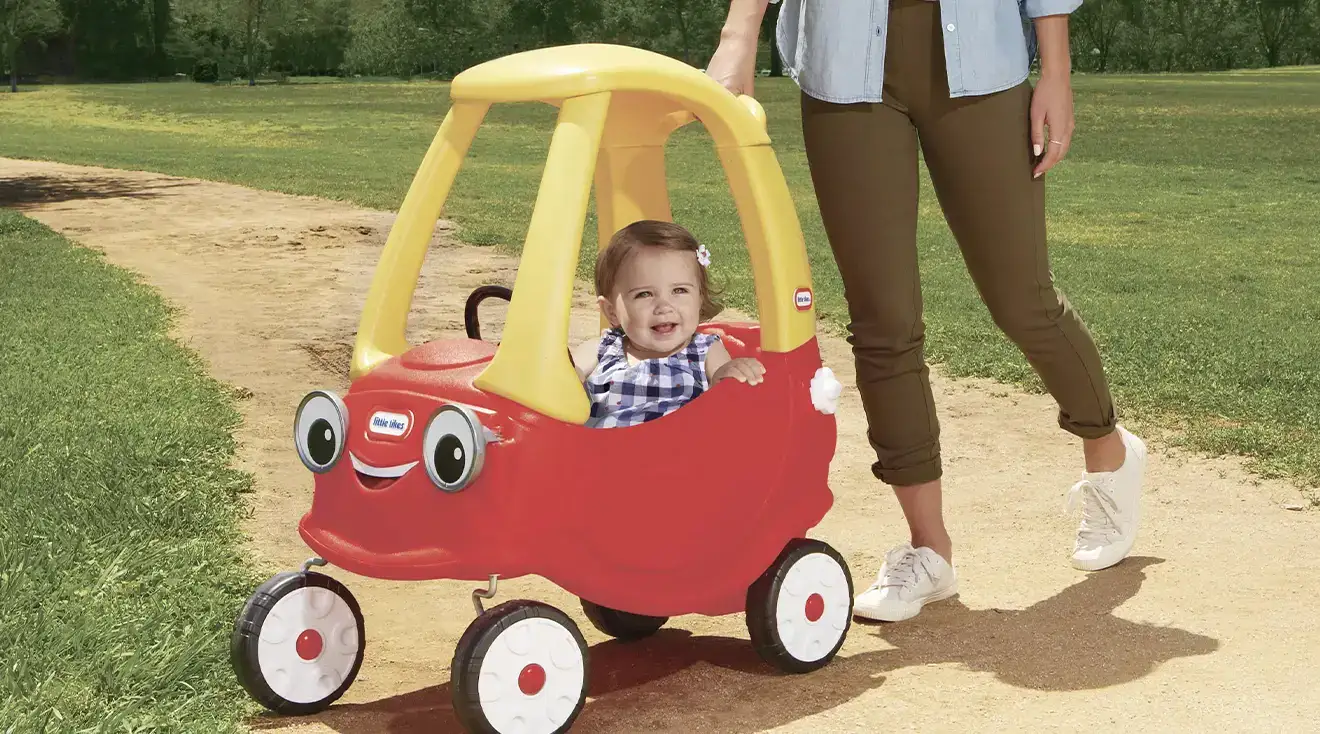
Credit: www.amazon.com
Types Of Pretend Play Toys
Pretend play toys help preschoolers use their imagination. They learn social skills and creativity. These toys let children act out different roles and stories.
There are many kinds of pretend play toys. Each type supports different kinds of play and learning. Below are some popular types you can find.
Role-playing Sets
Role-playing sets let children take on different characters. They can be doctors, firefighters, or shopkeepers. These sets often include costumes and tools.
- Doctor kits with stethoscopes and bandages
- Police officer sets with badges and hats
- Cash registers for pretend shopping
- Tool sets for fixing and building
Building And Construction Toys
Building toys help kids create structures and objects. They improve hand-eye coordination and problem-solving skills. These toys include blocks and magnetic sets.
| Toy Type | Materials | Skills Developed |
| Wooden blocks | Wood | Balance, creativity |
| Magnetic tiles | Plastic, magnets | Spatial thinking, fine motor |
| Interlocking bricks | Plastic | Planning, dexterity |
Dress-up Accessories
Dress-up items help kids explore different looks and roles. They include hats, masks, and jewelry. These accessories boost imagination and storytelling.
Common dress-up accessories:
- Hats and crowns
- Costume jewelry
- Masks and face paint
- Capes and scarves
Miniature Food And Kitchen Sets
These sets let children pretend to cook and serve food. They include play utensils, dishes, and food items. Kids practice sharing and role-taking with these toys.
- Plastic or wooden fruits and vegetables
- Play pots, pans, and utensils
- Miniature plates and cups
- Food preparation tools like mixers and knives
Choosing Safe And Age-appropriate Toys
Pretend play toys help preschoolers learn and grow. Choosing the right toys is important for safety and fun.
Parents should pick toys that fit the child's age and abilities. This prevents accidents and keeps playtime enjoyable.
Material Considerations
Look for toys made from strong, safe materials. These materials should not break easily or cause harm.
Wood, BPA-free plastic, and fabric are good options. Avoid toys with sharp edges or loose parts.
- Wooden toys are durable and safe
- BPA-free plastics reduce chemical risks
- Soft fabrics prevent injuries
- Avoid cheap plastics that crack easily
Size And Complexity
Toys should match the child's size and skill level. Small parts can be a choking hazard for young children.
Choose toys that are easy to handle and understand. Avoid puzzles or tools that are too hard for preschoolers.
- Parts larger than 1.25 inches avoid choking risks
- Simple shapes and designs suit young kids
- Avoid complex toys that frustrate children
- Check labels for recommended age ranges
Non-toxic Features
Toys should be free from harmful chemicals. Non-toxic paints and finishes keep children safe if they put toys in their mouths.
Look for certifications that prove the toy is non-toxic. Avoid toys with strong smells or strange coatings.
- Check for ASTM or EN71 safety standards
- Non-toxic paints are water-based and safe
- Avoid toys with lead or phthalates
- Wash new toys before use to remove residues

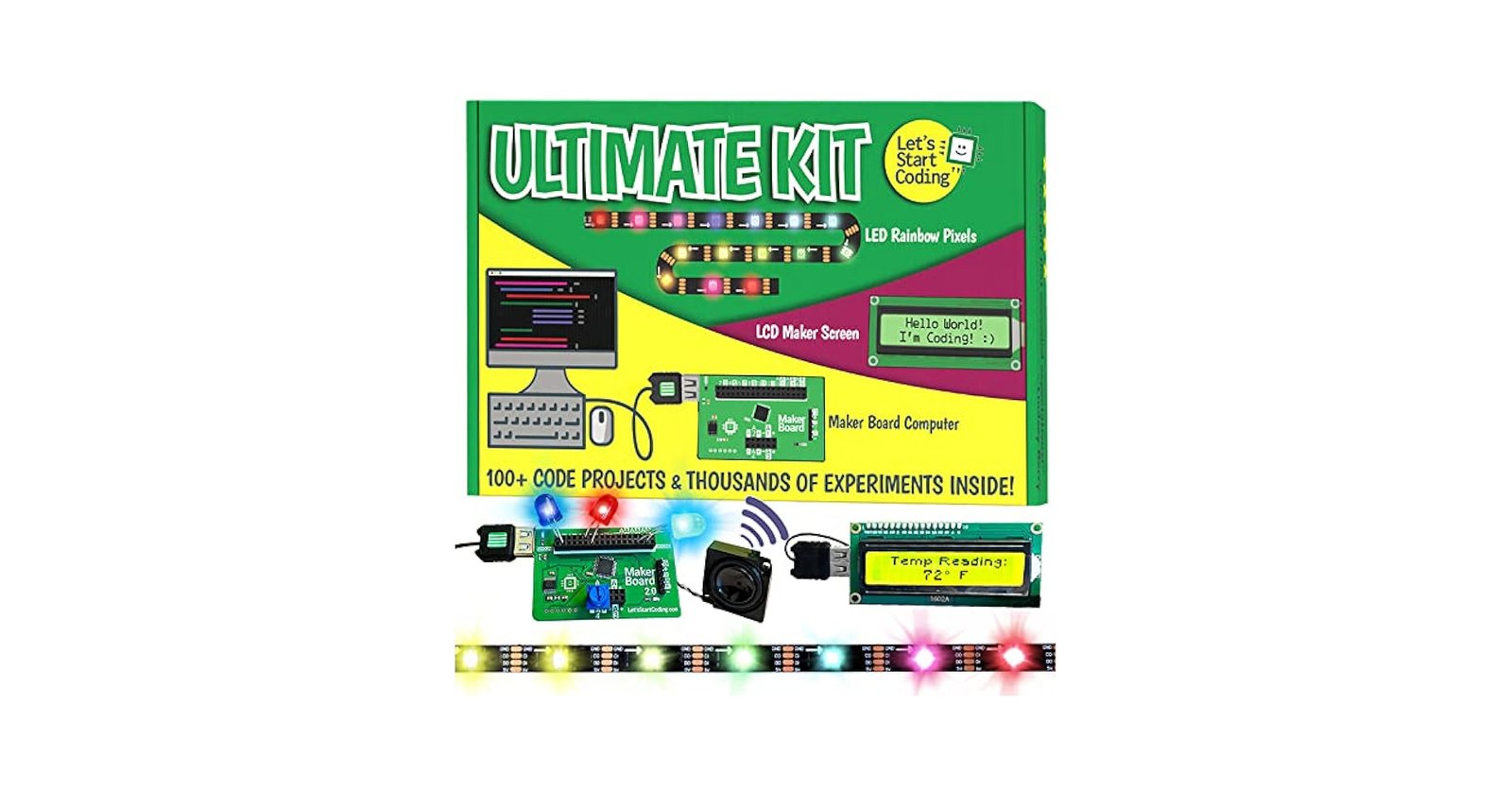
Credit: www.amazon.com
Incorporating Pretend Play In Daily Routine
Pretend play is important for preschoolers. It helps them learn new skills and express their feelings.
Adding pretend play into daily life can make learning fun. It also builds creativity and social skills.
Creating Play Zones
Set up special areas for pretend play. These zones make it easy for kids to focus and enjoy their games.
Use simple items like blankets, boxes, or small furniture to mark play zones. Change them often to keep interest.
- Choose quiet corners for play zones
- Include toys related to common pretend themes
- Keep play items organized and accessible
Encouraging Imaginative Scenarios
Help children think of stories and roles for their pretend play. Ask questions to spark their imagination.
Encourage kids to use everyday objects in new ways. This builds creative thinking and problem-solving skills.
- Ask “What if?” questions during play
- Suggest new roles like chef, doctor, or explorer
- Join play to model creative ideas
Balancing Screen Time And Play
Limit screen time to make room for pretend play. Too much screen use can reduce creativity and social skills.
Plan daily schedules that include time for both screens and active play. This keeps children healthy and engaged.
- Set clear screen time limits
- Offer fun pretend play options after screen use
- Encourage group play to boost social skills
Supporting Learning Through Pretend Play
Pretend play helps preschoolers learn by using their imagination. It allows children to explore new ideas and practice skills in a fun way.
Through pretend play, kids develop important abilities like thinking, talking, and understanding feelings.
Introducing Educational Themes
Pretend play toys often include themes like cooking, farming, or space. These themes teach children about the world around them.
- Learn about daily life activities
- Discover nature and animals
- Explore different jobs and roles
- Understand simple science concepts
Promoting Language Development
Talking during pretend play helps children build vocabulary and practice sentences. They learn to express thoughts clearly.
| Language Skill | How Pretend Play Helps |
| Vocabulary | Children name objects and actions |
| Sentence Structure | Kids create short stories and dialogues |
| Listening | Children follow and respond to play partners |
| Social Talk | Practice taking turns speaking |
Fostering Emotional Growth
Pretend play lets children try different feelings and roles. It helps them understand their emotions and others’ feelings.
Ways pretend play supports emotions:
- Practice sharing and cooperation
- Learn to handle frustration calmly
- Build confidence by solving pretend problems
- Express feelings in a safe space
Top Pretend Play Toys For Preschoolers
Pretend play is important for preschoolers. It helps them learn and grow. These toys let kids imagine and explore new worlds.
Here are some top pretend play toys. They encourage creativity and fun for young children.
Popular Role-play Kits
Role-play kits are great for young minds. They let kids act out different scenarios. These kits boost imagination and social skills.
- Doctor kits teach empathy and care
- Cooking sets inspire little chefs
- Tool kits make mini builders
Creative Building Sets
Building sets allow children to create. They help develop fine motor skills. Kids can make anything they imagine.
- Blocks for simple building
- Magnetic tiles for creative structures
- Interlocking pieces for complex designs
Interactive Dress-up Options
Dress-up options let kids become anyone they want. They explore different roles and characters. These toys encourage storytelling.
- Animal costumes for wild adventures
- Superhero outfits for brave missions
- Princess dresses for fairy tales

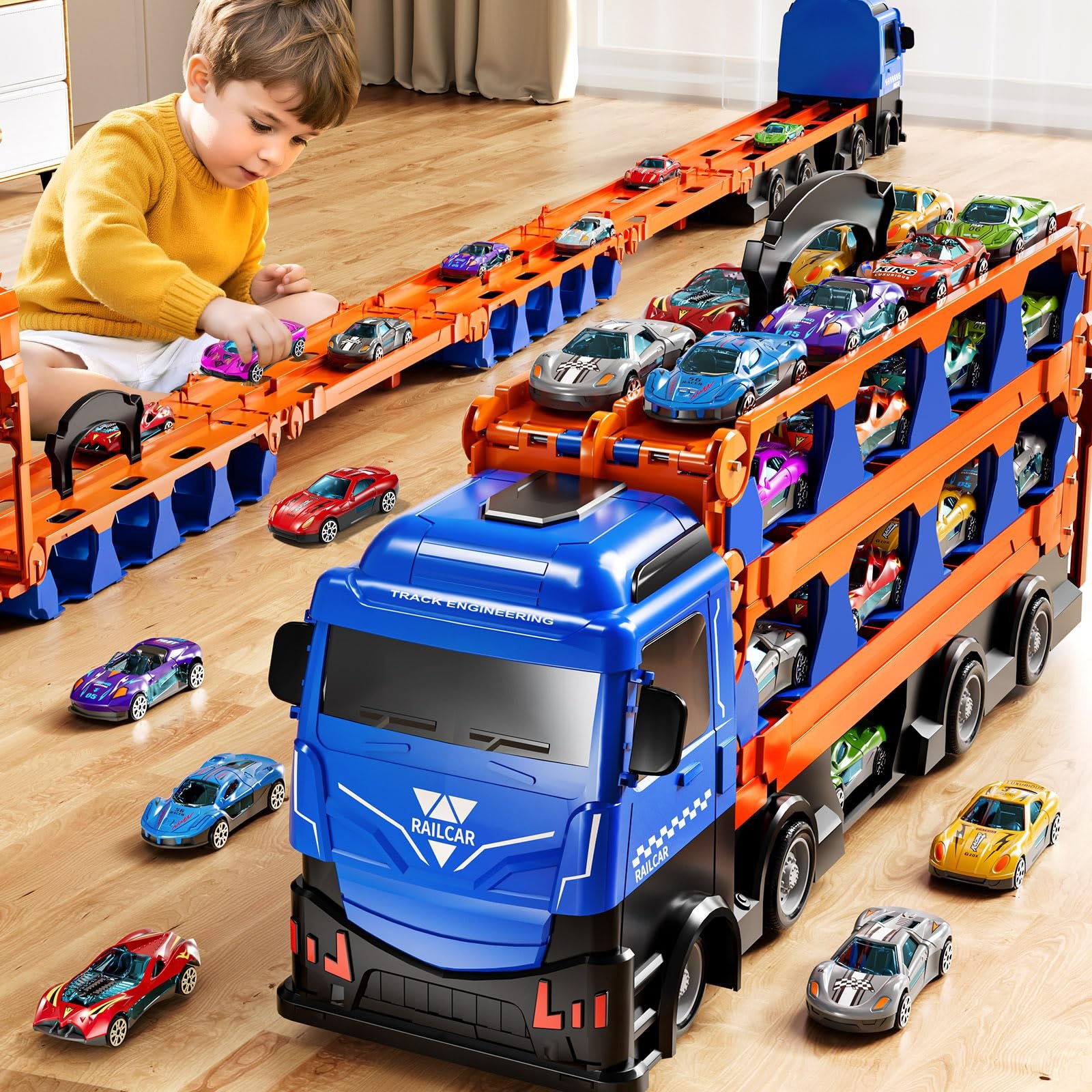
Credit: www.walmart.com
Frequently Asked Questions
What Are The Benefits Of Pretend Play Toys For Preschoolers?
Pretend play toys boost creativity, social skills, and problem-solving. They help children express emotions and develop language. These toys encourage imagination and teamwork, essential for early childhood growth.
Which Pretend Play Toys Are Best For Preschoolers?
Best toys include kitchen sets, doctor kits, dress-up costumes, and building blocks. These encourage role-playing and fine motor skills. Choose age-appropriate toys that spark imagination and safe materials for preschoolers.
How Do Pretend Play Toys Support Early Learning?
Pretend play toys foster cognitive skills, emotional understanding, and communication. They help children practice real-life scenarios and develop critical thinking. This type of play enhances memory and social interaction skills.
Can Pretend Play Toys Improve Preschoolers' Social Skills?
Yes, pretend play toys encourage sharing, cooperation, and empathy. Playing with peers builds communication and conflict resolution skills. These toys create opportunities for teamwork and understanding others' perspectives.
Conclusion
Pretend play toys help preschoolers learn and grow every day. They build creativity, social skills, and confidence. Kids enjoy making up stories and exploring new roles. These toys encourage thinking and problem-solving in fun ways. Parents can support learning by choosing simple, safe toys.
Playtime becomes a chance for children to express themselves. Pretend play sets a strong foundation for future learning and success. It brings joy and valuable skills to young minds. Give children the tools to imagine and discover. Play is more than fun—it’s learning in action.