Are you looking for fun and challenging puzzles that are just right for a 10-year-old? Finding the perfect puzzle can boost your child's thinking skills, creativity, and confidence.
Imagine watching them get excited as they solve each piece, feeling proud of their achievement. You’ll discover puzzles that will keep your child engaged and eager to learn more. Ready to make puzzle time both fun and rewarding? Keep reading to find out how!
Benefits Of Puzzles For Kids
Puzzles are a fun way for kids to learn and grow. They help children develop many important skills.
Playing with puzzles can support brain development and build confidence. Kids enjoy the challenge and feel proud when they finish.
Enhancing Cognitive Skills
Puzzles boost kids’ thinking abilities by making them plan and recognize patterns. This helps their memory and attention span.
Working on puzzles also improves visual and spatial skills. Children learn to see how pieces fit together and understand shapes better.
- Improves memory by recalling shapes and colors
- Develops spatial awareness by fitting pieces
- Strengthens pattern recognition
Boosting Problem-solving Abilities
Puzzles teach kids to solve problems step by step. They try different solutions and learn from mistakes.
This process helps children think critically and find answers. It builds their confidence in handling challenges.
- Encourages logical thinking
- Promotes trial and error learning
- Builds confidence in decision making
Improving Focus And Patience
Doing puzzles requires kids to concentrate for longer times. This practice helps them focus on tasks at school and home.
Completing puzzles also teaches patience. Kids learn to stay calm and keep trying until they finish the picture.
- Increases attention span
- Teaches persistence and patience
- Encourages calm and steady work habits

Credit: www.amazon.ca
Types Of Puzzles For 10-year-olds
Puzzles are great for kids around 10 years old. They help improve thinking and problem-solving skills.
Different types of puzzles challenge different abilities. This guide shows popular puzzle types for this age group.
Logic And Math Puzzles
Logic and math puzzles help kids practice reasoning and number skills. They often involve patterns, sequences, and simple calculations.
These puzzles teach children to think step-by-step and spot hidden rules. They also build patience and focus.
- Sudoku with numbers or symbols
- Logic grid puzzles where kids match clues
- Simple math riddles and brain teasers
- Number sequences and pattern recognition
Word And Language Puzzles
Word puzzles help improve vocabulary and spelling. They make reading and writing more fun for kids.
These puzzles ask children to find words, solve clues, or create new words from letters.
- Crossword puzzles with age-appropriate words
- Word searches with hidden words to find
- Jumbled letters to make new words
- Riddles that play with language
Visual And Pattern Puzzles
Visual puzzles help kids notice details and improve memory. They focus on shapes, colors, and patterns.
These puzzles encourage kids to find differences, complete pictures, or continue patterns.
- Spot the difference between two images
- Matching pairs of shapes or colors
- Completing patterns in sequences
- Hidden object puzzles with pictures
Physical And Tangram Puzzles
Physical puzzles use hands-on pieces to build or solve problems. Tangrams are a popular example with flat shapes.
These puzzles improve fine motor skills and spatial awareness. Kids learn how shapes fit together.
- Tangram puzzles with seven flat shapes
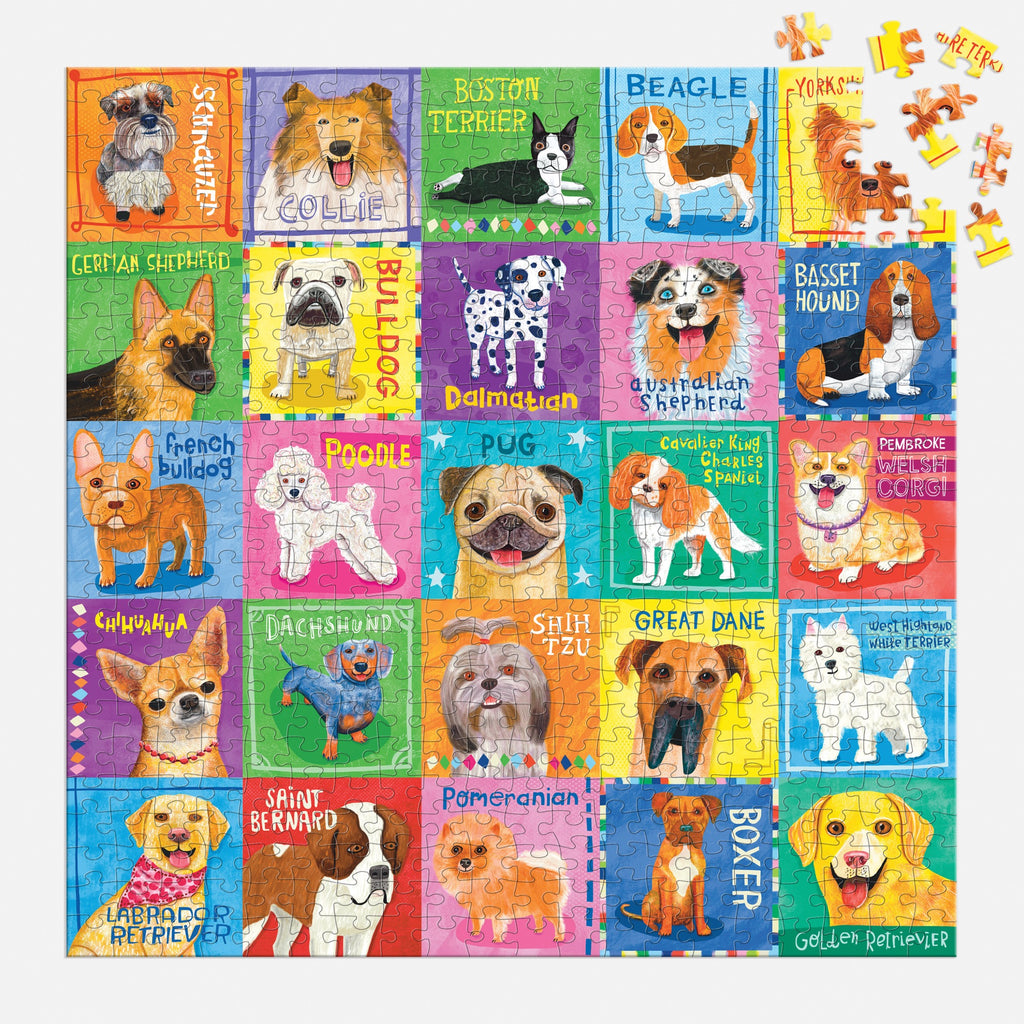
- Jigsaw puzzles with many pieces
- 3D puzzles that create models
- Building block puzzles to form designs
Top Brain-boosting Puzzle Ideas
Puzzles help children think clearly and solve problems. They improve memory and focus.
Here are some fun puzzle ideas for 10-year-olds to sharpen their brains.
Sudoku And Number Challenges
Sudoku puzzles use numbers and logic to fill a grid. They improve concentration and reasoning.
- Start with easy 4x4 Sudoku puzzles
- Try math puzzles like magic squares
- Play number sequences and patterns games
Crossword And Word Searches
Crosswords boost vocabulary and spelling. Word searches help with scanning and focus.
| Puzzle Type | Skills Developed |
| Crossword | Vocabulary, spelling, logic |
| Word Search | Pattern recognition, focus |
Mazes And Spot The Difference
Mazes challenge planning and hand-eye coordination. Spot the difference sharpens observation skills.
- Try simple and then complex mazes
- Look closely to find small changes in pictures
- Draw your own mazes and puzzles
Riddles And Lateral Thinking
Riddles make kids think outside the box. Lateral thinking puzzles develop creative problem solving.
Example Riddle:
Answer: A piano.

Credit: www.amazon.ca
Tips For Choosing The Right Puzzle
Puzzles help children develop important skills. Picking the right puzzle makes learning fun.
Choosing puzzles that fit a child's needs keeps them interested and challenged.
Matching Skill Level
Select puzzles that match the child's current abilities. Too hard puzzles cause frustration. Too easy puzzles lead to boredom.
- Look at the recommended age on the box
- Check the number of pieces
- Consider the puzzle theme and complexity
- Ask the child what puzzles they enjoy
Balancing Fun And Challenge
Puzzles should be fun but also provide a small challenge. This balance helps kids stay interested and build skills.
| Aspect | Why It Matters |
| Fun | Keeps the child motivated to finish |
| Challenge | Helps develop problem-solving skills |
| Reward | Gives a sense of achievement |
Encouraging Independent Thinking
Choose puzzles that let children think on their own. This builds confidence and creativity.
Tips to encourage independent thinking:
- Pick puzzles without too many hints or instructions
- Let the child try different solutions
- Avoid giving immediate answers
- Offer praise for effort, not just success
Incorporating Puzzles Into Daily Routine
Puzzles offer a fun way to boost thinking skills for 10 year olds. Adding them to everyday life helps children grow smarter and more focused.
Making puzzles a daily habit can be easy and rewarding for both kids and parents. It fits well into many parts of the day.
Creating Puzzle Time
Set a specific time each day for puzzles. This makes it a regular part of the child's schedule. Choose a quiet spot free from distractions.
- Pick a consistent time, like after school or before bed
- Use a small timer to keep sessions short and fun
- Keep different types of puzzles ready, such as crosswords or jigsaw puzzles
- Let children choose puzzles they enjoy
Using Puzzles For Family Bonding
Solving puzzles together helps family members connect. It builds teamwork and good communication skills.
| Activity | How it Helps |
| Working on a jigsaw puzzle | Improves patience and cooperation |
| Playing word puzzles | Enhances vocabulary and sharing ideas |
| Solving logic puzzles | Boosts critical thinking and listening |
Tracking Progress And Celebrating Success
Keep track of puzzles completed to encourage improvement. Celebrate small wins to motivate continued effort.
- Mark completed puzzles on a calendar
- Give stickers or stars for finishing puzzles
- Create a “Puzzle Champion” chart with dates and types
Credit: www.mudpuppy.com
Resources For Puzzle Enthusiasts
Puzzles are a fun way for 10-year-olds to learn and grow. There are many resources available to make puzzling exciting and educational.
From books and apps to online communities, young puzzle enthusiasts have plenty of options to explore.
Books And Puzzle Apps
Books and apps provide structured puzzle experiences. They offer various types of puzzles to solve.
These resources improve problem-solving skills and can be used anywhere.
- Books: Offer word searches, crosswords, and logic puzzles.
- Apps: Include digital puzzles with interactive features.
Online Puzzle Communities
Online communities connect puzzle lovers from around the world. They share tips and discuss strategies.
These communities make puzzling a social experience and help kids learn from others.
- Forums: Discuss puzzles and share solutions.
- Social Media Groups: Join groups for puzzle challenges.
Educational Kits And Games
Educational kits and games offer hands-on puzzle activities. These kits are perfect for learning and fun.
They include a variety of puzzles that teach different skills while entertaining.
- Kits: Include puzzles that build critical thinking.
- Games: Combine fun with educational challenges.
Frequently Asked Questions
What Types Of Puzzles Are Best For 10-year-olds?
Best puzzles for 10-year-olds include logic puzzles, word games, and math challenges. These help develop critical thinking and problem-solving skills in a fun way. Age-appropriate complexity keeps children engaged and motivated to learn.
How Do Puzzles Benefit 10-year-old Children?
Puzzles improve memory, concentration, and cognitive skills. They encourage creativity and patience while enhancing spatial awareness. These benefits support academic growth and boost confidence in young learners.
Are Online Puzzles Suitable For 10-year-olds?
Yes, online puzzles offer interactive learning with instant feedback. They can be customized to match skill levels and keep kids entertained. However, screen time should be balanced with offline activities.
How Can Parents Choose Puzzles For 10-year-olds?
Parents should consider the child’s interests and skill level. Look for puzzles that challenge without causing frustration. Educational value and age-appropriateness are key factors to ensure effective learning.
Conclusion
Puzzles help children think and have fun at the same time. They improve focus and problem-solving skills daily. Choosing puzzles that fit a 10-year-old’s level keeps them interested. Simple puzzles build confidence, while harder ones challenge the mind. Regular puzzle time can boost creativity and patience too.
Let kids enjoy these activities without stress or pressure. Puzzles offer a great way to learn and play together. Try different types to find what excites your child most. Keep it fun, and watch their skills grow bit by bit.