Are you looking for fun and simple ways to boost your 4-year-old’s brain power? Puzzles for 4-year-olds are a perfect choice.
They keep your child entertained while helping them learn important skills like problem-solving, hand-eye coordination, and patience. Imagine watching your little one light up with pride as they fit the last piece in place. Keep reading to discover the best puzzles that will make learning exciting and easy for your child.
You’ll find tips to choose the right puzzles and ideas to turn playtime into a powerful learning moment.

Credit: www.amazon.com
Benefits Of Puzzles For Toddlers
Puzzles are great tools for young children. They help toddlers learn and grow in many ways. Playing with puzzles can be fun and educational at the same time.
For 4-year-olds, puzzles support brain development and build important skills. This guide explains the main benefits of puzzles for toddlers.
Enhancing Cognitive Skills
Puzzles help children recognize shapes, colors, and patterns. They also improve memory and attention to detail. These skills are important for learning in school and daily life.
Improving Fine Motor Abilities
Handling puzzle pieces helps toddlers develop hand-eye coordination. It strengthens their fingers and improves dexterity. These skills help with writing and other tasks.
- Picking up pieces
- Fitting pieces together
- Turning and placing pieces
Boosting Problem-solving
Puzzles encourage toddlers to think and plan. They learn to try different ways to solve a problem. This builds their logical thinking and creativity.
| Problem-Solving Steps | Example with Puzzles |
|---|---|
| Identify the problem | Find the right piece |
| Test possible solutions | Try fitting pieces in different spots |
| Learn from mistakes | Remove wrong pieces and try again |
| Complete the puzzle | Finish the picture |
Encouraging Patience And Focus
Completing puzzles teaches children to be patient. They learn to focus on a task until it is done. These habits help in school and other activities.
Credit: www.amazon.com
Types Of Puzzles Suitable For 4-year-olds
Puzzles help young children develop thinking and problem-solving skills. They also improve hand-eye coordination and patience. Choosing the right puzzle type is key for a 4-year-old’s growth.
This guide explores four popular puzzle types that match the abilities of 4-year-olds. Each type offers fun ways to learn and practice new skills.
Jigsaw Puzzles
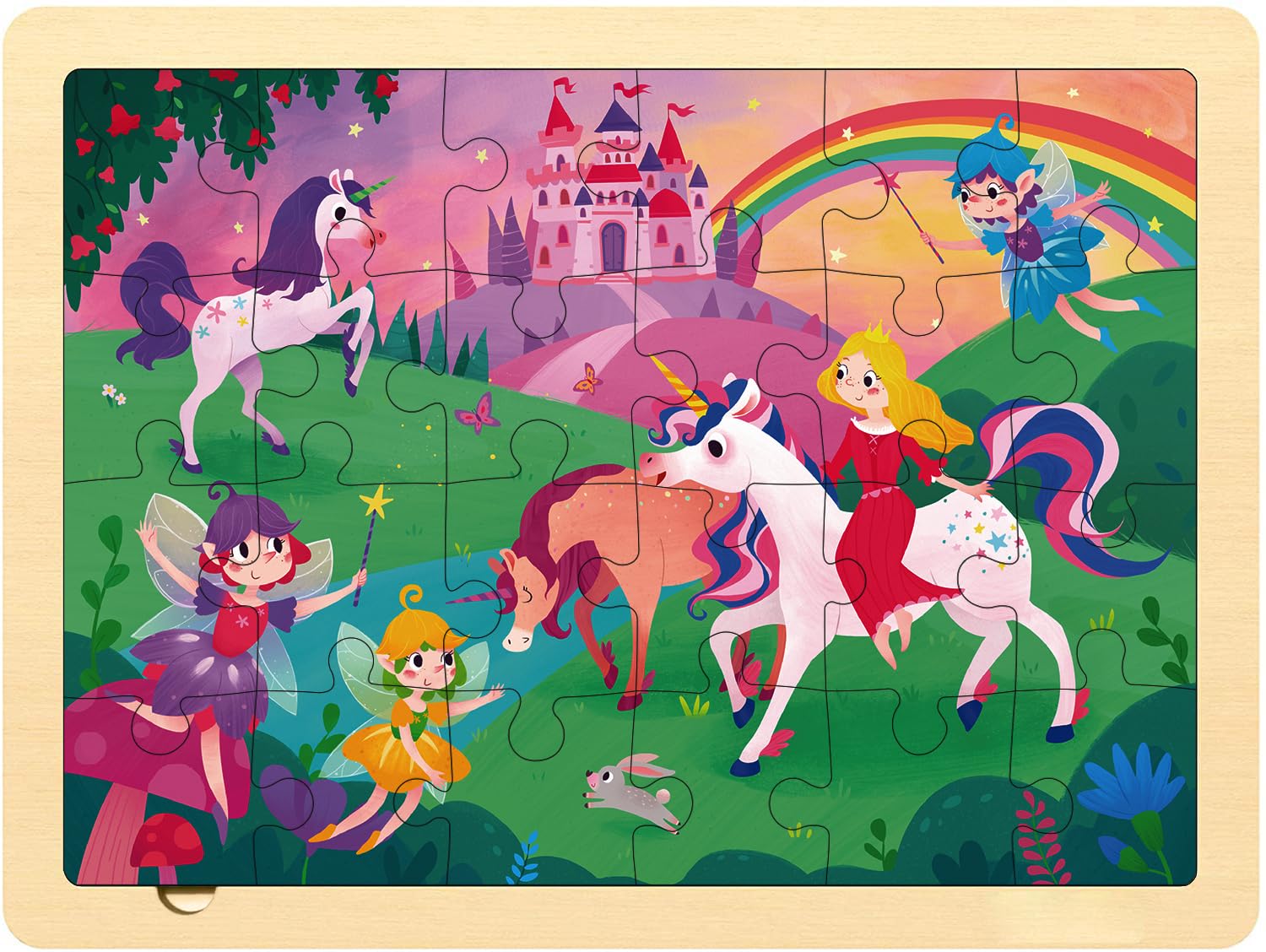
Jigsaw puzzles are classic toys that challenge kids to fit pieces together to form a picture. For 4-year-olds, puzzles with 24 to 48 pieces work best. They help improve shape recognition and concentration.
Shape Sorters
Shape sorters teach children to match shapes and colors by placing blocks into the right holes. They improve fine motor skills and spatial awareness. These puzzles are simple but very effective for this age group.
Matching Games
Matching games involve pairing cards or objects with similar pictures or shapes. They boost memory and attention span. These games often include animals, fruits, or everyday items that children recognize.
- Match pairs of cards face down
- Find objects with the same color or shape
- Use memory to remember card locations
- Encourages social play with friends or family
Chunky Wooden Puzzles
Chunky wooden puzzles have thick pieces easy to grab and fit into a board. They often feature animals or vehicles. These puzzles build hand strength and teach problem-solving.
| Puzzle Type | Main Skill | Recommended Pieces |
| Jigsaw Puzzles | Shape recognition | 24-48 pieces |
| Shape Sorters | Fine motor skills | 6-10 shapes |
| Matching Games | Memory and attention | 10-20 pairs |
| Chunky Wooden Puzzles | Hand strength | 6-12 pieces |
Educational Themes To Explore
Puzzles for 4 year olds help build many skills. They make learning fun and interactive.
Choosing puzzles with educational themes helps children explore new ideas and grow.
Alphabet And Numbers
Puzzles with letters and numbers teach children basic reading and counting skills. Kids learn to recognize shapes of letters and numbers.
These puzzles improve memory and problem-solving while introducing early math and language concepts.
- Match letters to pictures
- Count pieces to complete numbers
- Build simple words with letter blocks
Animals And Nature
Puzzles with animals teach kids about different creatures and their habitats. Children develop curiosity about the natural world.
These puzzles help kids recognize animals and learn their names, sounds, and colors.
- Match animals to their homes
- Identify animal sounds
- Explore seasons and plants
Colors And Shapes
Puzzles with colors and shapes improve visual skills and hand-eye coordination. Kids learn to sort and group items by color or shape.
These puzzles teach children how to identify common shapes and recognize different colors.
- Match shapes to outlines
- Sort puzzle pieces by color
- Combine shapes to create pictures
Everyday Objects
Puzzles with everyday objects help children learn about their surroundings. They connect puzzle pieces to real-life items.
This theme builds vocabulary and helps kids understand common items used at home or outside.
- Match objects to their uses
- Identify items in the kitchen or park
- Learn names of clothes, tools, and toys

Credit: www.amazon.com
Tips For Choosing The Right Puzzle
Puzzles are great for young children's learning and play. Choosing the right puzzle helps improve skills like problem-solving and hand-eye coordination.
Picking a puzzle that fits a child's needs makes the experience fun and educational. Consider several key points to find the best puzzle for a 4-year-old.
Age Appropriateness
Select puzzles designed for 4-year-olds. These puzzles match their skill level and keep them interested.
Look for puzzles labeled with the right age range. Avoid puzzles that are too easy or too hard for their stage.
- Choose puzzles with larger pieces for small hands
- Pick puzzles with simple images and fewer pieces
- Avoid puzzles meant for much older children
Complexity And Size
Consider how many pieces the puzzle has. Four-year-olds usually enjoy puzzles with 12 to 24 pieces.
Make sure the pieces are easy to handle and fit together without frustration. The puzzle size should match their ability to complete it.
- Start with puzzles that have fewer pieces
- Choose puzzles with clear shapes and edges
- Increase complexity as skills improve
Material Safety
Safety is very important for young children. Choose puzzles made from non-toxic, child-safe materials.
Look for puzzles with smooth edges and sturdy pieces. Avoid small parts that can be a choking hazard.
- Wooden puzzles with smooth finishes are good options
- Check for non-toxic paint or coloring
- Avoid puzzles with loose or tiny pieces
Interest And Engagement
Pick puzzles with pictures that match the child’s interests. This keeps them excited to play and learn.
Choose themes like animals, vehicles, or favorite characters. Bright colors and fun shapes also help maintain attention.
- Ask what topics the child likes
- Choose puzzles with colorful, clear images
- Change themes to keep puzzles fresh and fun
How To Encourage Puzzle Play
Puzzles help children learn and have fun at the same time. They build thinking and problem-solving skills.
Encouraging your 4-year-old to play with puzzles can be easy with the right approach. Try these ideas.
Create A Puzzle-friendly Space
Make a special area just for puzzles. Keep it clean, quiet, and comfortable for your child.
Use a low table or a soft mat on the floor. Make sure puzzle pieces are easy to reach and put away.
- Choose a well-lit spot
- Keep puzzles organized in boxes or trays
- Remove distractions like loud toys
Play Together
Join your child in solving puzzles. Your help makes the activity more fun and less frustrating.
Talk about the shapes and colors. Ask questions to encourage thinking and guide without giving answers.
- Show how to find matching pieces
- Praise effort, not just success
- Take turns placing pieces
Celebrate Small Wins
Cheer when your child fits a piece correctly. This boosts confidence and keeps them motivated.
Use positive words and smiles. Let your child know you notice their hard work and progress.
- Say “Great job!” after each piece
- Show excitement for finishing sections
- Encourage trying again if a piece doesn’t fit
Rotate Puzzle Options
Change the puzzles regularly to keep your child interested. New challenges help them learn.
Offer puzzles with different themes, sizes, and difficulty levels. This variety grows skills step by step.
- Switch puzzles every few days
- Include puzzles with animals, shapes, and numbers
- Mix easy and slightly harder puzzles
Top Puzzle Picks For 4-year-olds
Puzzles are a fun way for 4-year-olds to learn and play. They help develop problem-solving skills and hand-eye coordination.
Here are some of the best puzzles for young children. They are safe and enjoyable for little hands.
Best Jigsaw Puzzles
Jigsaw puzzles encourage children to think critically. They come in various themes and sizes.
- Simple shapes with bright colors
- Animal-themed puzzles for nature lovers
- Transport puzzles with cars and trains
Favorite Educational Sets
Educational puzzles teach numbers, letters, and colors. They make learning fun and interactive.
| Type | Skills Developed |
| Alphabet puzzles | Letter recognition |
| Number puzzles | Counting skills |
| Color puzzles | Color identification |
Popular Themed Puzzles
Themed puzzles capture children's interests. They make playtime more engaging and exciting.
Custom themed puzzles can include:
- Space adventures with rockets and stars
- Underwater scenes with fish and coral
- Farm life with animals and tractors
Durable And Safe Choices
Durability and safety are crucial for children's puzzles. Choose puzzles made from non-toxic materials.
Look for pieces that are large enough to avoid choking hazards. Safe puzzles ensure worry-free playtime.
Frequently Asked Questions
What Types Of Puzzles Are Best For 4 Year Olds?
Best puzzles for 4 year olds include jigsaw puzzles with 12-24 pieces, shape sorters, and matching games. These puzzles develop fine motor skills, problem-solving, and spatial awareness, making learning fun and engaging.
How Do Puzzles Benefit A 4 Year Old's Development?
Puzzles improve hand-eye coordination, cognitive skills, and memory in 4 year olds. They also encourage patience, concentration, and logical thinking, essential for early childhood growth and learning success.
Are Educational Puzzles Suitable For 4 Year Old Children?
Yes, educational puzzles designed for 4 year olds teach numbers, letters, animals, and colors. They combine fun with learning, enhancing vocabulary and early math skills effectively.
How Can I Choose Age-appropriate Puzzles For My 4 Year Old?
Choose puzzles with pieces sized for small hands, simple images, and moderate difficulty. Age-appropriate puzzles keep children motivated without causing frustration, supporting steady skill development.
Conclusion
Puzzles help young children learn and grow every day. They improve thinking, hand skills, and patience. Choosing the right puzzle keeps kids happy and interested. Simple shapes and bright colors work best for age four. Playtime with puzzles also builds confidence and focus.
Small challenges encourage kids to try again and again. Puzzles make learning fun and keep little minds busy. Every piece put in place brings a smile and pride. Keep puzzles easy and enjoyable for best results. Enjoy watching your child develop with every puzzle solved.