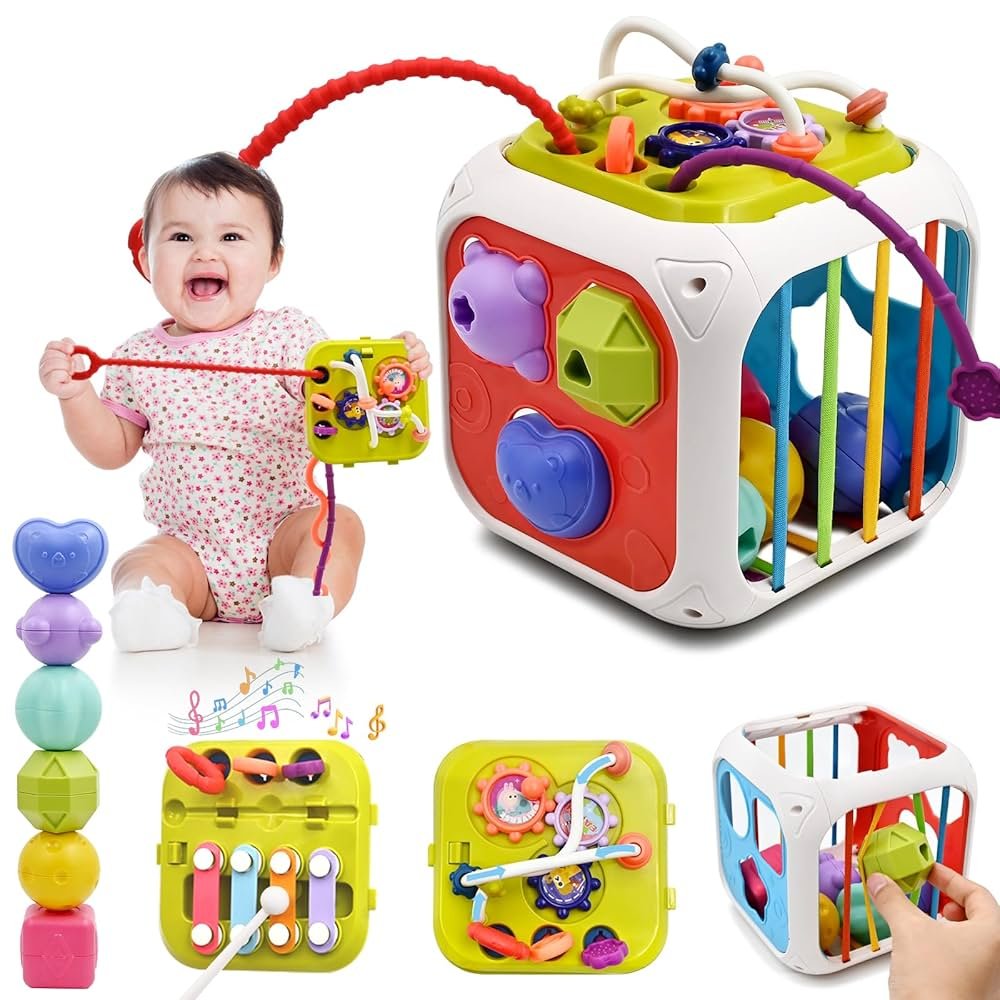
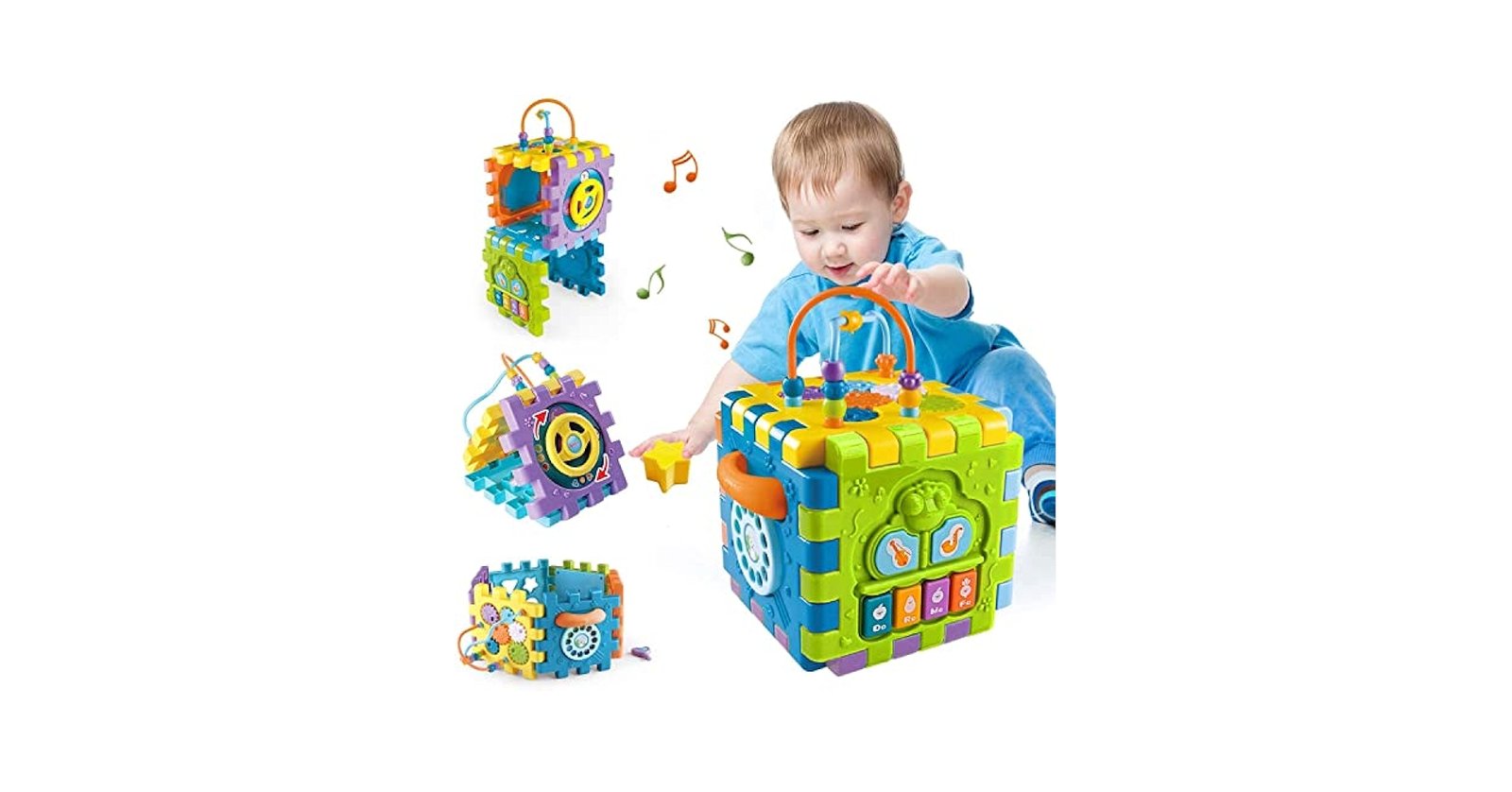
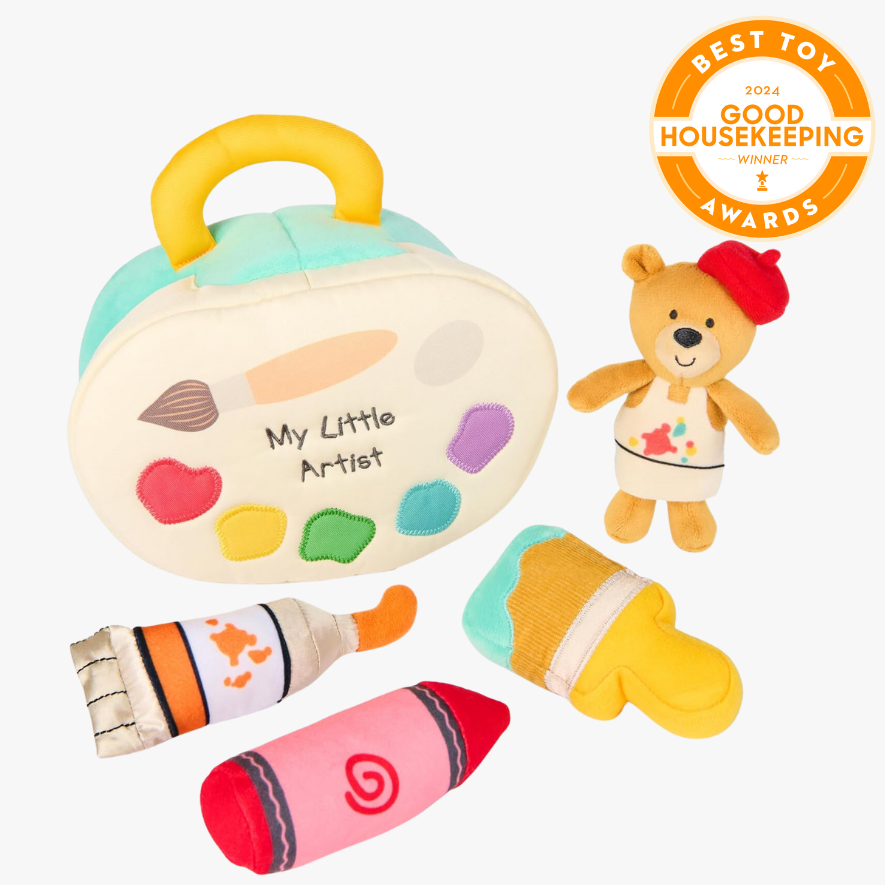
Are you looking for the perfect way to keep your little one entertained and engaged? Rattles for infants are more than just toys—they are a powerful tool to help your baby explore sounds, develop motor skills, and stay curious.
Choosing the right rattle can make a big difference in your baby's early development and happiness. Keep reading to discover how rattles can benefit your infant and find tips on picking the best ones for your child’s needs.

Credit: www.amazon.com
Benefits Of Infant Rattles
Infant rattles are simple toys that help babies learn. They support early development in many ways.
These rattles catch babies' attention with sound and colors. They also encourage babies to move and think.
Enhancing Sensory Skills
Rattles help babies explore sounds and sights. They improve hearing and sight through play.
- Different sounds teach babies to recognize noises
- Bright colors stimulate visual tracking
- Textures on rattles develop touch sensitivity
Encouraging Motor Development
Babies learn to grab and shake rattles. This builds hand strength and coordination.
| Motor Skill | How Rattles Help |
| Grasping | Babies hold rattles with fingers |
| Shaking | Strengthens arm and hand muscles |
| Hand-Eye Coordination | Tracking rattle movement improves focus |
Stimulating Cognitive Growth
Rattles teach babies about cause and effect. They learn that shaking makes noise.
- Babies notice that their actions create sounds
- They develop attention and memory skills
- Rattles encourage problem-solving as babies explore
Key Safety Features
Rattles for infants must be safe for babies to use. Parents should check important safety features before buying.
These features help prevent accidents and keep babies healthy while they play.
Non-toxic Materials
Rattles should be made from non-toxic materials. Babies often put rattles in their mouths.
Safe materials stop harmful chemicals from entering the baby's body.
- Use BPA-free plastic or natural wood
- Paints and finishes must be lead-free
- Materials should pass safety testing
Secure Construction
Rattles need strong and secure parts. Loose pieces can break and cause choking.
Check that all parts are tightly attached and cannot be pulled apart easily.
- Seams and joints should be solid
- No small detachable parts
- Safe size to prevent swallowing
Age-appropriate Design
Rattles must suit the baby’s age and skill level. Designs should match baby’s development.
Proper size and shape help babies hold and play safely without risk.
- Size fits baby’s small hands
- No sharp edges or points
- Easy to grip and shake
Types Of Rattles
Rattles are classic toys that help babies learn about sounds and textures. They come in many styles to suit different stages of infant growth.
Each type offers unique features that support sensory development and hand coordination for little ones.
Traditional Handheld Rattles
These rattles are simple and easy to hold. They usually have a handle and make noise when shaken. They help babies practice gripping and shaking.
- Made from wood, plastic, or fabric
- Lightweight for small hands
- Often come in bright colors
- Safe and smooth edges
Teething Rattles
Teething rattles soothe babies’ gums while they chew. They combine biting surfaces with rattling sounds to keep infants calm and engaged.
| Feature | Description |
| Material | Soft silicone or rubber |
| Shape | Easy to hold and bite |
| Function | Rattle noise and gum relief |
| Safety | BPA-free and non-toxic |
Multi-sensory Rattles
These rattles offer more than sound. They include textures, colors, and sometimes lights to stimulate several senses at once. They encourage exploration and learning.
- Different textures for touch
- Bright colors for sight
- Sounds that change with movement
- Some have lights for visual play
Choosing The Right Rattle
Picking the right rattle for your infant helps with their growth and play. The right rattle is safe and fun to hold and shake.
Think about size, sound, and how easy it is to clean. These details matter for your baby's comfort and safety.
Size And Weight Considerations
Choose rattles that fit easily in your baby’s hand. Avoid rattles that are too heavy or large.
- Lightweight rattles help babies shake and hold them longer.
- Small rattles reduce risk of dropping or injury.
- Check that the rattle is easy to grip with little fingers.
Color And Sound Preferences
Bright colors grab your baby’s attention. Gentle sounds keep them calm and curious.
| Color | Effect on Baby |
| Red | Stimulates alertness |
| Blue | Has a calming effect |
| Yellow | Encourages happiness |
| Green | Soothes the eyes |
Ease Of Cleaning
Babies put rattles in their mouths. Clean rattles keep germs away.
Look for rattles made from:
- Non-porous plastic
- Silicone
- Materials that can be wiped or washed easily
Check if the rattle is dishwasher safe for quick cleaning.
Maintenance And Hygiene
Keeping rattles clean is important for your infant’s health. Dirt and germs can build up on toys. Regular care helps keep them safe and enjoyable.
Proper maintenance also extends the life of rattles. Follow easy steps to ensure toys stay fresh and in good shape for your baby.
Regular Cleaning Tips
Clean rattles often to remove dirt and germs. Use mild soap and warm water. Avoid harsh chemicals that may harm your baby.
- Wash plastic rattles with warm soapy water
- Use a soft brush to reach small crevices
- Rinse thoroughly to remove soap residue
- Air dry completely before giving to your infant
- For fabric parts, follow washing instructions on the label
Inspecting For Wear And Tear
Check rattles regularly for damage. Broken parts can be dangerous. Look for cracks, loose pieces, or sharp edges.
| Damage Type | What to Do |
| Cracks or breaks | Discard the rattle immediately |
| Loose parts | Remove or repair before use |
| Sharp edges | Smooth edges or replace the toy |
| Faded colors | Check if paint is peeling; avoid use if so |
Storage Recommendations
Store rattles in a clean, dry place. Avoid damp areas to prevent mold growth. Keep toys away from direct sunlight to protect colors.
Use a dedicated toy box or basket. This keeps rattles organized and off the floor. Clean the storage container regularly to keep germs away.

Credit: www.amazon.com
Popular Brands And Models
Rattles are one of the first toys for infants. They help with sensory development and hand-eye coordination. There are many brands and models available.
Choosing the right rattle for your baby is important. Some are colorful, others are eco-friendly, and some are budget-friendly. Let's explore different options.
Top-rated Infant Rattles
Top-rated rattles are loved by parents and babies alike. They offer quality and safety. Here are some popular choices.
- Fisher-Price Rattle 'n Rock Maracas
- VTech Baby Rattle and Sing Puppy
- Skip Hop Explore & More Roll-Around Rattle
Budget-friendly Options
Budget-friendly rattles offer great value. They are affordable but still provide fun and learning.
- Bright Starts Grab and Spin Rattle
- Oball Rattle Easy-Grip Toy
- Infantino Textured Multi Ball Set
Eco-friendly Choices
Eco-friendly rattles are made with natural materials. They are safe for babies and kind to the planet.
- PlanToys Wooden Clutching Toy
- Green Toys Twist Teether
- Hape Rainbow Rattle

Credit: www.amazon.com
Frequently Asked Questions
What Are The Benefits Of Rattles For Infants?
Rattles stimulate infants' senses and improve hand-eye coordination. They encourage grasping skills and auditory development. These toys also provide comfort and entertainment, aiding emotional growth and cognitive skills in babies.
When Should Infants Start Playing With Rattles?
Infants can start playing with rattles around 3 months old. At this age, babies develop better hand control and respond to sounds. Introducing rattles early supports sensory and motor skill development effectively.
How To Choose A Safe Rattle For Infants?
Choose rattles made from non-toxic, BPA-free materials. Ensure no small parts can detach to prevent choking hazards. Opt for lightweight, easy-to-grip designs that are age-appropriate and easy to clean for safety.
Can Rattles Help With Infant Teething Discomfort?
Yes, some rattles double as teething toys. They provide safe surfaces for infants to chew, easing gum pain. Look for rattles made from soft, food-grade silicone designed for teething relief.
Conclusion
Rattles help babies learn and have fun at the same time. They teach babies about sounds, shapes, and movement. Choosing safe and colorful rattles keeps babies interested. These toys support early growth and hand-eye skills. Parents enjoy watching their little ones explore and play.
Simple rattles create happy moments for babies and families. Keep rattles clean and check for safety often. Small steps build strong foundations for baby’s future. A rattle is more than a toy—it is learning made easy.