Choosing safe toys for your 1-year-old can feel overwhelming. You want to keep your little one happy and curious, but safety is your top priority.
Imagine finding toys that not only bring joy but also help your child grow without any risks. You’ll discover simple tips and trusted options that make playtime both fun and safe. Keep reading to learn how to pick the best toys that protect your child and spark their imagination.
Choosing Age-appropriate Toys
Choosing the right toys for a 1-year-old helps keep them safe and happy. Toys should match their skills and growth stage.
Age-appropriate toys support learning and avoid choking or injury risks. Parents must check toy labels carefully.
Why Age Matters
Toys made for older kids may have small parts that a 1-year-old can swallow. This is very dangerous.
Toys for younger children are designed to be safe and easy to use. They match the child’s abilities well.
- Prevent choking hazards
- Match fine motor skills
- Encourage safe play
- Support brain development
Signs Of Suitable Toys
Good toys for 1-year-olds have no sharp edges or small parts. They are soft or large enough to hold safely.
Look for toys that are easy to clean and made from non-toxic materials. These keep your child healthy.
- Large pieces that fit little hands
- Bright colors to catch attention
- Simple shapes and easy textures
- Strong and durable materials
- Clear age label on packaging

Credit: www.meesho.com
Safety Standards To Look For
Choosing safe toys for a 1 year old is very important. Toys must meet safety rules to protect your child.
There are special labels and materials to check before buying. These help you find toys that are safe and healthy.
Certifications And Labels
Look for trusted certifications on toy packaging. These show the toy passed safety tests from official groups.
- ASTM F963: This means the toy meets US safety standards.
- CPSC Compliant: Approved by the Consumer Product Safety Commission.
- CE Mark: Shows the toy meets European safety rules.
- JPMA Seal: Certified by the Juvenile Products Manufacturers Association.
- EN71: European standard for toy safety, includes tests for choking hazards and chemicals.
Materials To Avoid
Some materials can harm a 1 year old. Avoid toys made with dangerous substances or parts that can break easily.
| Material | Reason to Avoid |
| Lead Paint | Can cause poisoning and brain damage. |
| BPA Plastics | Linked to health problems in children. |
| Small Parts | Choking hazard for toddlers. |
| Sharp Edges | Can cause cuts and injuries. |
| Phthalates | May affect hormone development. |
Top Toy Types For 1 Year Olds
Choosing safe and engaging toys for a 1 year old helps their growth and fun. Toys at this age should support motor skills and curiosity.
Here are some popular toy types that are both safe and suitable for toddlers around one year old.
Building Blocks
Building blocks help children develop hand-eye coordination and creativity. They come in different shapes and colors.
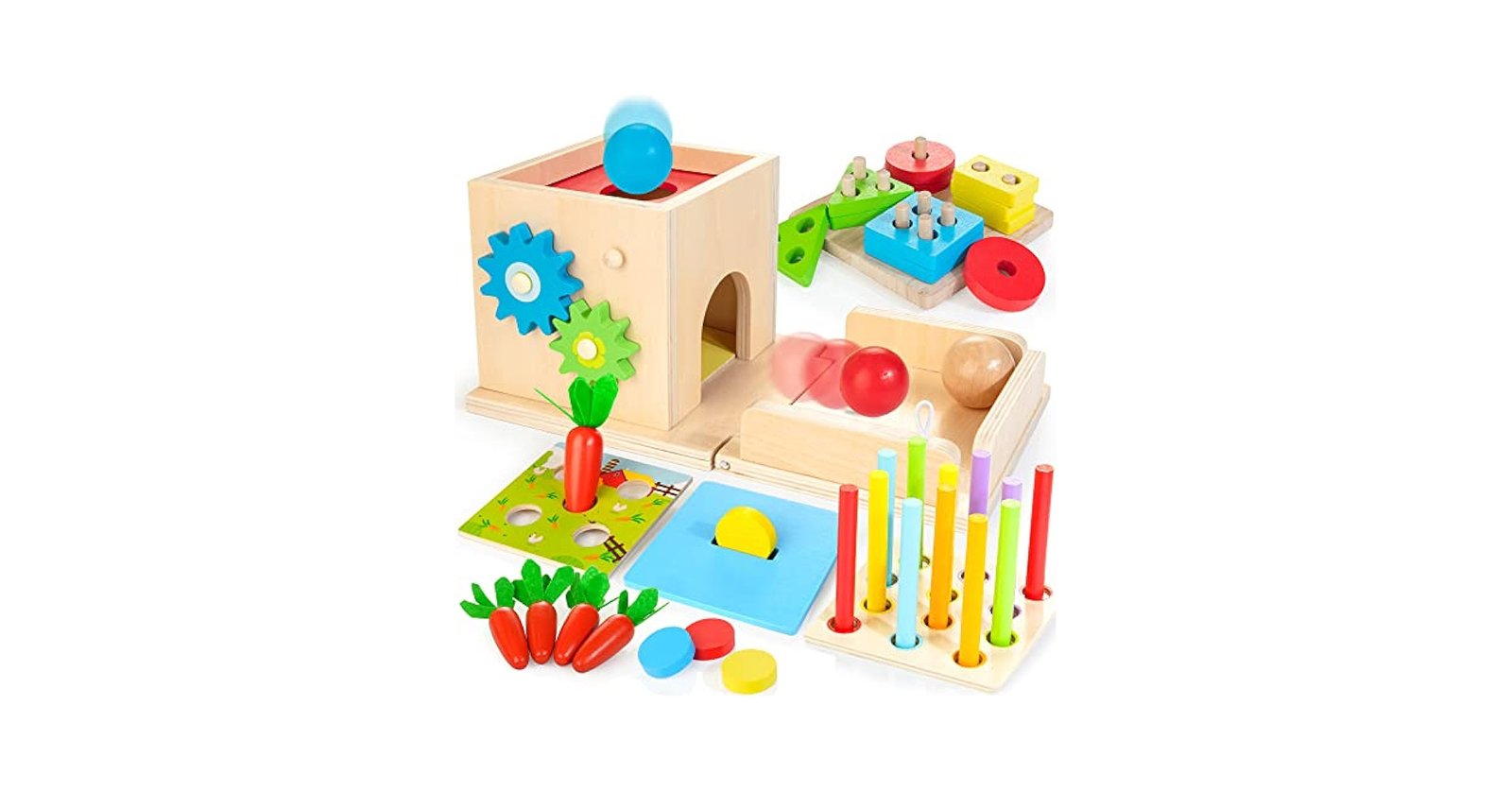
- Wooden blocks with smooth edges
- Plastic blocks that snap together easily
- Stacking rings and shapes
- Blocks with numbers or letters
Soft Plush Toys
Soft plush toys provide comfort and can be a child’s first friend. They are gentle on sensitive skin and safe to cuddle.
| Toy Type | Material | Safety Feature |
| Teddy Bears | Hypoallergenic fabric | Embroidered eyes, no small parts |
| Soft Dolls | Organic cotton | Secure stitching |
| Animal Plush | Velvet fabric | Non-toxic dyes |
Interactive Learning Toys
Interactive toys teach cause and effect. They encourage problem-solving and language skills for toddlers.
- Toys with buttons that make sounds
- Shape sorters with colorful pieces
- Pull-along toys that move
- Simple puzzles with large pieces
Musical Instruments
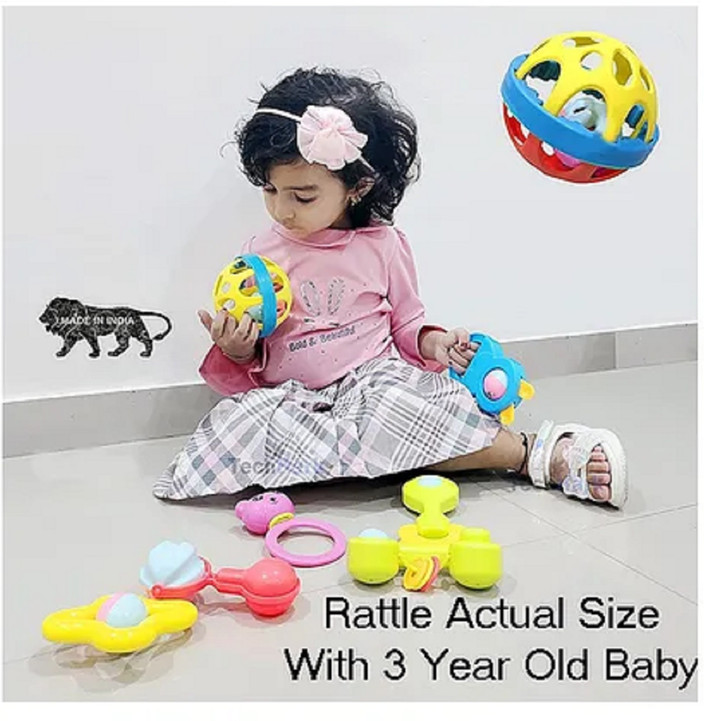
Musical toys introduce rhythm and sound. They help toddlers explore different noises and improve listening skills.
Safe musical toys for 1 year olds include:
- Small drums with soft mallets
- Shakers and maracas
- Xylophones with rounded edges
- Toy pianos with large keys
Features That Enhance Safety
Choosing safe toys for a 1 year old is very important. Safety features help protect babies while they play.
These features reduce risks like choking, poisoning, and injury from sharp parts.
Non-toxic Components
Toys should be made from materials that do not harm children. Non-toxic paints and plastics keep babies safe if they put toys in their mouths.
- Use BPA-free plastics
- Choose water-based, lead-free paint
- Avoid small parts with harmful chemicals
- Check for certifications on materials
Smooth Edges And Surfaces
Toys must have smooth edges to prevent cuts and scratches. Rough or sharp parts can hurt a baby during play.
| Edge Type | Safety Concern |
| Rounded | Safe to touch and chew |
| Sharp | Risk of cuts and injuries |
| Rough | Can cause scratches or splinters |
Size And Choking Hazards
Small parts can block a child’s airway. Toys must be large enough to avoid choking risks for 1 year olds.
Check toy size with this simple test:
- Use a toilet paper roll to test small parts
- If the toy fits inside, it is too small
- Choose toys larger than the child’s mouth
Tips For Toy Maintenance And Inspection
Keeping toys safe for a 1-year-old is very important. Regular checks and care help prevent accidents.
Simple maintenance steps can extend the life of toys and keep them clean and safe to use.
Regular Cleaning
Cleaning toys often removes dirt and germs. Use mild soap and warm water to wash plastic and wooden toys.
Soft cloths or brushes help clean hard-to-reach spots. Let toys dry completely before use.
- Wash toys weekly or after heavy use
- Avoid harsh chemicals that can harm children
- Check labels for washing instructions
Checking For Wear And Tear
Look closely for cracks, loose parts, or sharp edges. These can hurt a child or cause choking.
Remove broken toys immediately and fix or replace them to keep playtime safe.
- Inspect toys before and after play
- Check moving parts for proper function
- Discard toys with missing pieces
Safe Storage Practices
Store toys in a clean, dry place. This prevents damage and keeps toys ready to use.
Use bins or shelves to keep toys organized and off the floor to avoid dirt and moisture.
- Keep small toys out of reach to avoid choking
- Store heavy toys low to prevent falling injuries
- Label storage containers for easy access
Credit: www.flipkart.com
Encouraging Safe Play Habits
Creating a safe play environment for your 1-year-old is essential. By encouraging safe play habits, you help your child explore and learn safely.
Understanding how to guide your child's playtime will reduce risks. Let's explore some key areas to focus on.
Supervised Playtime
Always keep an eye on your child while they play. Supervision helps prevent accidents and ensures safe play.
Watching your child allows you to guide them as they explore new toys. This keeps playtime both fun and secure.
Teaching Gentle Handling
Show your child how to handle toys gently. This teaches them respect for their belongings and ensures their safety.
Help them understand that toys are not for throwing or hitting. Gentle handling reduces breakage and injury.
- Demonstrate how to play with toys softly
- Encourage sharing with siblings or friends
- Explain why gentle play is important
Rotating Toys To Maintain Interest
Rotate toys regularly to keep your child's interest. This prevents boredom and encourages safe exploration.
By introducing different toys, you help your child discover new ways to play. This keeps them engaged and happy.
- Swap toys every week or two
- Introduce toys that develop different skills
- Observe which toys capture their attention most

Credit: www.amazon.in
Frequently Asked Questions
What Are The Safest Materials For 1-year-old Toys?
Safe toys for 1-year-olds are made from non-toxic, BPA-free, and phthalate-free materials. Look for toys labeled as free from harmful chemicals. Natural wood and food-grade silicone are excellent choices. Always check for smooth edges and avoid small parts that pose choking hazards.
How To Choose Age-appropriate Toys For 1-year-olds?
Choose toys designed specifically for 1-year-olds, focusing on developmental milestones. Toys should promote motor skills, sensory exploration, and cognitive growth. Avoid complex or small-piece toys. Check the manufacturer’s recommended age range to ensure safety and suitability for your child’s stage.
Why Are Choking Hazards A Concern For 1-year-old Toys?
At one year, children often put objects in their mouths. Small parts or detachable pieces can cause choking. Safe toys must be large enough and securely constructed. Always inspect toys for loose parts and avoid items smaller than 1. 25 inches in diameter.
Which Toys Help Develop Motor Skills In 1-year-olds?
Toys like stacking blocks, push toys, and large shape sorters aid motor skill development. These encourage hand-eye coordination and balance. Soft balls and textured toys also enhance tactile senses. Choose sturdy, easy-to-grasp toys that are safe for mouthing.
Conclusion
Choosing safe toys helps your child learn and grow happily. Toys should be soft, non-toxic, and free of small parts. Always check for age recommendations and safety labels. Watch your child play to prevent accidents. Simple, sturdy toys build skills and keep toddlers busy.
Trust your gut and pick items that feel right. Safe play means peace of mind for parents too. Keep safety first, and enjoy every joyful moment together.