Are you looking for a fun and effective way to help your infant explore the world around them? A sensory ball set for infants might be exactly what you need.
These colorful, textured balls are designed to engage your baby’s senses and encourage important skills like grasping, touching, and hand-eye coordination. Imagine your little one’s face lighting up as they discover new textures and shapes with every touch. Keep reading to find out how this simple toy can make a big difference in your baby’s early development—and why it belongs in your playroom today.
Benefits Of Sensory Balls
Sensory balls offer many benefits for infants. They help babies explore their senses safely.
Playing with sensory balls supports a baby's growth in different ways. It helps their body and mind develop.
Enhancing Motor Skills
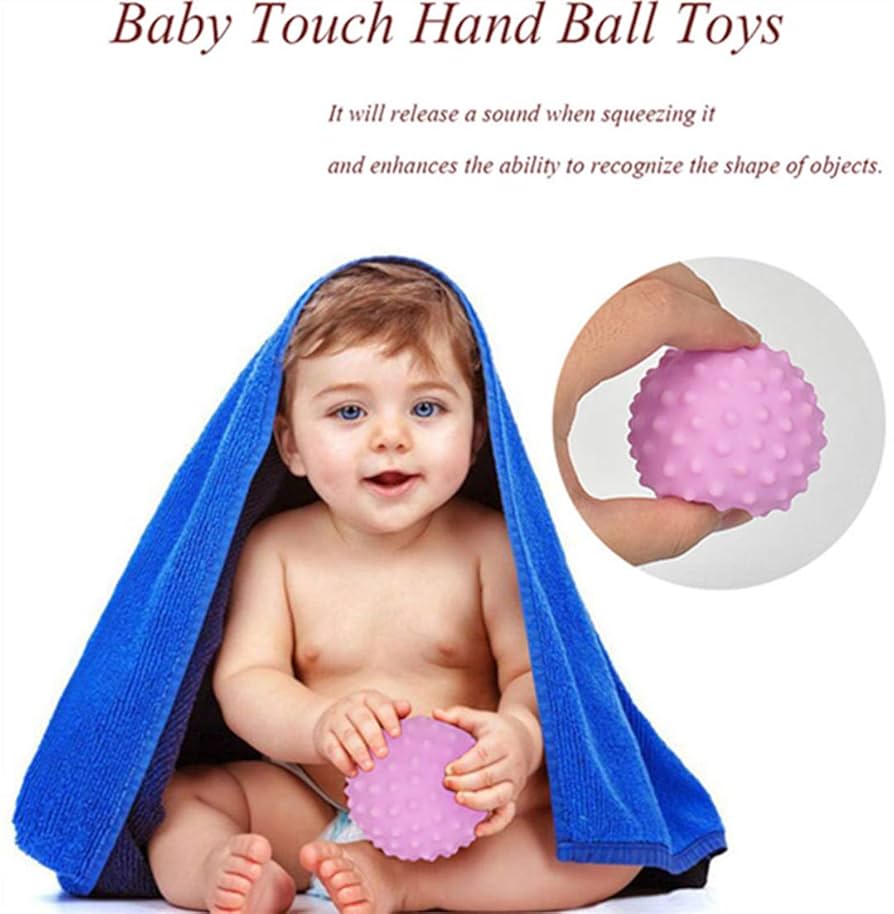
Using sensory balls helps infants improve their motor skills. They learn to hold, squeeze, and roll the balls. These actions strengthen their hand muscles.
- Grasping the balls improves finger strength
- Rolling the balls helps hand-eye coordination
- Squeezing the balls builds finger control
- Passing balls from hand to hand develops coordination
Stimulating Cognitive Growth
Sensory balls encourage babies to think and learn. They explore colors, shapes, and textures. This helps brain development.
| Feature | How It Helps |
| Different Colors | Teaches color recognition |
| Various Textures | Enhances touch awareness |
| Shapes and Sizes | Improves shape and size differentiation |
Encouraging Emotional Development
Playing with sensory balls can calm babies and make them happy. The soft textures and gentle squeezes comfort them.
Emotional benefits include:
- Reducing stress by providing comfort
- Helping babies focus and stay calm
- Promoting a sense of security
- Encouraging social play with caregivers
Credit: www.amazon.ca
Choosing The Right Sensory Balls
Sensory balls help infants learn about touch and sight. Picking the right balls makes playtime safe and fun.
Parents should think about safety, size, and colors before buying sensory balls for babies.
Material Safety And Texture
Choose sensory balls made from non-toxic, BPA-free materials. Soft textures are gentle on babies' skin.
Look for balls that are easy to clean and do not have small parts that can break off.
- Food-grade silicone is safe and soft
- Natural rubber offers a gentle feel
- Avoid latex if baby has allergies
- Check labels for safety certifications
Size And Weight Considerations
Pick balls that fit comfortably in a baby's hand. Too big or too heavy balls are hard to hold and play with.
Lightweight balls help infants practice gripping and tossing safely.
- Ideal diameter is about 2 to 3 inches
- Lightweight balls reduce strain on small hands
- Avoid very small balls to prevent choking
- Check weight to match infant strength
Color And Pattern Variety
Bright colors attract babies and help develop sight. Different patterns stimulate visual interest and focus.
Choose sets with contrasting colors to help babies notice shapes and details.
- Red, yellow, and blue are easy to see
- High contrast patterns improve attention
- Mix solid colors and stripes for variety
- Avoid overly complex designs that confuse
Incorporating Sensory Balls In Playtime
Sensory balls are a great way to help infants explore the world around them. These balls come in different colors, sizes, and textures. They can keep babies engaged while supporting their development.
Using sensory balls during playtime encourages infants to touch, see, and move. This helps build important skills like hand-eye coordination and sensory awareness.
Tactile Exploration Activities
Let infants feel the different surfaces of sensory balls. Soft, bumpy, and squishy textures make touching fun and interesting. These activities help babies learn about how things feel.
- Roll a ball gently across the baby's hands.
- Allow the baby to squeeze a soft ball.
- Place balls with different textures in a sensory bin.
- Encourage touching with both hands.
Interactive Group Games
Playing with sensory balls in a group helps infants develop social skills. Babies learn to share and watch others. Simple games can make playtime a joyful group experience.
| Game | How to Play | Skills Developed |
| Pass the Ball | Adults help infants pass balls to each other. | Sharing, social interaction |
| Ball Roll Chase | Roll balls and encourage babies to crawl after them. | Movement, coordination |
| Texture Match | Match balls by texture in a group setting. | Sensory awareness, teamwork |
Solo Play Ideas
Solo play with sensory balls lets infants explore at their own pace. Babies can focus on one ball or use several. This helps develop concentration and fine motor skills.
Try these solo play ideas:
- Let the baby hold and squeeze a soft ball.
- Place balls within reach for grabbing practice.
- Use balls to encourage rolling back and forth.
- Introduce balls with gentle sounds inside.
Tips For Parents And Caregivers
Introducing sensory balls to infants supports their development and curiosity. Parents and caregivers should focus on safe use and regular care.
These tips help you provide a fun and healthy experience with the sensory ball set.
Supervision Guidelines
Always watch your infant while they play with sensory balls. These small toys can pose choking risks if not used properly.
- Keep the play area free of small objects.
- Stay close to your child during playtime.
- Check toys regularly for damage or loose parts.
- Never leave infants unattended with the sensory balls.
Cleaning And Maintenance
Clean the sensory balls often to keep germs away. Use mild soap and warm water, and dry them well before play.
| Cleaning Tip | Frequency |
| Wash with soap and water | After every use |
| Inspect for damage | Weekly |
| Store in a dry place | Always |
Encouraging Consistent Use
Make sensory ball play a regular part of your infant’s day. This helps with their sensory skills and keeps them interested.
Try these ideas:
- Set a daily playtime routine.
- Join in the play to make it fun.
- Use different textures and colors to hold attention.
- Praise your infant when they explore the balls.
Tracking Developmental Progress
Tracking your infant’s growth helps you understand their learning and skills. Sensory ball sets support many important abilities. Watching progress guides your play choices.
Regularly checking milestones lets you see strengths and areas to support. This helps keep play fun and helpful for your baby’s development.
Milestones To Watch
Infants reach key milestones as they play with sensory balls. Notice how they react, move, and explore to track their growth.
- Grasping and holding the balls firmly
- Following the balls visually as they move
- Reaching and grabbing for the balls
- Rolling or tossing the balls
- Responding to different textures and colors
Adjusting Play To Age
Change play activities based on your infant’s age and skills. This keeps them engaged and supports new learning.
| Age | Play Focus | Example Activity |
| 0-3 months | Visual tracking and grasping | Hold balls in sight and close to hands |
| 4-6 months | Reaching and exploring textures | Encourage reaching for soft sensory balls |
| 7-9 months | Rolling and tossing | Roll balls gently to baby and watch response |
| 10-12 months | Picking up and passing balls | Play simple catch with soft balls |
When To Introduce New Toys
Introduce new toys to challenge your baby and keep play interesting. Watch for signs your child is ready for a new toy.
- Shows interest in current toys
- Can handle toys easily without frustration
- Looks for new ways to play
- Reaches developmental milestones consistently
- Enjoys exploring different textures and shapes

Credit: www.amazon.ca

Credit: www.amazon.ca
Frequently Asked Questions
What Benefits Do Sensory Ball Sets Offer Infants?
Sensory ball sets enhance infants' tactile and visual senses. They promote motor skills, hand-eye coordination, and cognitive development. These balls stimulate curiosity, encouraging exploration and learning through play. They are safe and designed for small hands, making them ideal for early developmental stages.
How Do Sensory Balls Support Infant Motor Skills?
Sensory balls encourage infants to grasp, squeeze, and roll. These actions strengthen hand muscles and improve coordination. By handling different textures and sizes, babies refine their fine motor skills. This hands-on interaction boosts physical development and sensory awareness effectively.
Are Sensory Ball Sets Safe For Newborns?
Yes, sensory ball sets are made from non-toxic, BPA-free materials. They are lightweight, soft, and designed to prevent choking hazards. Manufacturers ensure safety by using durable, baby-friendly materials suitable for mouthing and chewing. Always check age recommendations before use.
What Materials Are Sensory Balls Typically Made From?
Sensory balls are usually made from soft silicone, rubber, or fabric. These materials provide varied textures for tactile stimulation. They are non-toxic, durable, and easy to clean. This variety helps infants explore different sensory experiences safely.
Conclusion
Sensory ball sets help babies learn through touch and sight. They keep little hands busy and minds curious. Playing with these balls builds strong motor skills and coordination. Bright colors and different textures make playtime fun and exciting. Parents enjoy watching their babies explore and discover new things.
Choosing the right sensory balls supports healthy growth and happy moments. A simple toy with many benefits for your infant’s early development. Give your baby the joy of learning through play every day.