Are you looking for a fun and effective way to boost your infant’s development? A sensory play gym for infants might be exactly what you need.
These colorful, interactive play spaces are designed to engage your baby’s senses and encourage learning through touch, sight, and sound. Imagine watching your little one’s eyes light up as they explore new textures and sounds, all while building strength and coordination.
Keep reading to discover how a sensory play gym can transform your baby’s playtime into a powerful learning experience you won’t want to miss.

Credit: www.vevor.ca
Benefits Of Sensory Play
Sensory play helps infants learn about the world around them. It uses touch, sound, sight, and movement to build skills. This play supports brain growth and body control.
Using a sensory play gym offers many chances for babies to explore. It makes learning fun and natural. The following points explain key benefits for infants.
Enhancing Motor Skills
Sensory play gyms encourage babies to move their arms and legs. These movements help develop fine and gross motor skills. Babies learn to reach, grasp, and kick.
- Improves hand-eye coordination
- Strengthens muscles used for crawling and walking
- Encourages balance and body awareness
Stimulating Cognitive Development
Exploring different textures and sounds sparks curiosity in infants. This helps their brains process new information. Sensory play also supports problem-solving skills.
| Type of Sensory Input | Cognitive Benefit |
| Bright colors | Improves visual tracking |
| Various textures | Enhances tactile discrimination |
| Soft sounds | Develops auditory recognition |
Promoting Emotional Growth
Sensory play helps babies feel safe and calm. It can reduce stress and build trust. Playing with parents or caregivers also supports bonding and emotional security.
Key emotional benefits include:
- Encouraging self-expression
- Helping babies manage feelings
- Building confidence through exploration
Choosing The Right Sensory Gym
Sensory play gyms help infants explore and learn through touch and movement. Picking the right gym makes playtime safe and fun.
Consider materials, design, and space before buying a sensory gym for your baby.
Materials And Safety Features
Look for soft, non-toxic materials that are safe for babies to touch and mouth. The gym should have no sharp edges or small parts.
Check if the materials are easy to clean and durable. Safety features like sturdy frames and secure attachments are important.
- Use BPA-free and hypoallergenic fabrics
- Choose gyms with smooth, rounded edges
- Avoid loose or small pieces that can be swallowed
- Ensure all parts are firmly attached
- Look for washable and durable materials
Age-appropriate Designs
Pick a sensory gym designed for your infant’s age. Younger babies need simpler toys and softer surfaces.
Older infants enjoy gyms with more textures, sounds, and interactive parts to explore safely.
- Newborns benefit from gentle colors and soft fabrics
- 3 to 6 months old enjoy toys that encourage reaching and grasping
- 6 months and older like gyms with mirrors and movable parts
Portability And Space Considerations
Choose a sensory gym that fits your living space. Some gyms fold or roll up for easy storage.
Portability helps if you want to move the gym between rooms or take it on trips.
- Measure your available play area before buying
- Look for lightweight gyms that are easy to carry
- Consider gyms that fold flat or have removable parts
Key Features To Look For
Choosing a sensory play gym for infants requires attention to detail. The right features help babies explore their senses safely and happily.
Look for elements that stimulate sight, touch, and hearing. These promote early learning and motor skills development.
Visual And Tactile Elements
Bright colors and varied textures keep babies engaged. Soft fabrics, crinkly surfaces, and shiny parts invite touch and exploration.
- High-contrast colors to attract infant attention
- Different textures like smooth, rough, and soft
- Safe mirrors for visual stimulation
- Lightweight and washable materials
Auditory Stimuli
Sounds help babies learn cause and effect. Gentle rattles, bells, and soft music encourage listening and response.
| Sound Type | Benefit |
| Rattles | Encourage shaking and movement |
| Soft bells | Promote gentle sound exploration |
| Music | Stimulate auditory development |
Interactive Components
Interactive parts invite babies to explore and learn. Buttons, flaps, and spinning wheels build motor skills and curiosity.
Buttons or parts that respond with sounds or movements keep infants interested.
Top Activities In Sensory Gyms
Sensory play gyms provide a safe place for infants to explore and develop their senses. These activities support their growth in many ways.
Below are some popular activities that help infants enjoy their time while learning and growing.
Tummy Time Enhancements
Tummy time helps strengthen an infant’s neck, shoulders, and arms. Adding colorful mats and soft toys can keep babies interested.
- Use textured mats with different patterns
- Place mirrors at eye level for self-discovery
- Add soft cushions to encourage reaching
- Include small toys that make gentle sounds
Grasp And Reach Games
These games help infants develop hand-eye coordination and fine motor skills. Bright objects that are easy to hold work best.
| Activity | Benefits |
|---|---|
| Soft rings to grab | Improves grip strength |
| Dangling toys | Encourages reaching and tracking |
| Stacking blocks | Teaches cause and effect |
| Textured balls | Stimulates touch senses |
Color And Texture Exploration
Exploring colors and textures helps infants learn about the world. Items with varied surfaces invite touching and looking closely.
Try these ideas to boost sensory learning:
- Soft fabrics like velvet and cotton
- Crinkly paper or foil pieces
- Brightly colored scarves
- Rubbery or bumpy teething toys
Incorporating Sensory Play At Home
Sensory play is a fun way to help infants explore the world. You can easily set up sensory play activities at home. This helps with their development and keeps them entertained.
Using everyday items, you can create a sensory-rich environment. This allows infants to touch, see, and hear different things, boosting their growth.
Diy Sensory Toys
Making your own sensory toys is simple and cost-effective. These toys can engage your infant's senses and promote learning.
- Fill a plastic bottle with colorful beads and water.
- Use a small box to create a texture touch box with different fabrics.
- Make a sensory bag using a ziplock filled with gel and small objects.
Safe Play Environment
Creating a safe play area is essential for sensory play. This ensures your infant can explore without getting hurt.
| Item | Safety Tip |
| Floor Mats | Use non-slip mats |
| Furniture | Secure sharp edges |
| Toys | Check for small parts |
Routine Integration Tips
Integrating sensory play into your daily routine is easy. It can help your infant feel more comfortable and engaged.
Credit: www.amazon.ca
Monitoring Infant’s Response
Watching how infants respond during sensory play helps caregivers understand their needs. Careful observation ensures the play remains safe and enjoyable.
By tracking reactions, caregivers can adjust activities to support the infant’s development and comfort.
Recognizing Engagement Signals
Infants show many signs when they are interested or bored. Recognizing these signals helps caregivers support positive play experiences.
- Smiling and cooing indicates happiness and interest.
- Reaching out or touching toys shows curiosity.
- Turning away or fussing may mean tiredness or overstimulation.
- Maintaining eye contact suggests focus on the activity.
Adjusting Activities Based On Feedback
Infants react differently to each sensory activity. Caregivers should change play based on these reactions to keep infants comfortable and engaged.
| Infant Response | Caregiver Action |
| Smiling and reaching | Continue or add similar stimuli |
| Fussing or crying | Pause and offer a break |
| Turning away | Try a gentler activity or different toy |
| Looking intently | Encourage exploration with guided play |
When To Introduce New Stimuli
Introducing new play items too soon can overwhelm infants. Watch for signs that they are ready for new experiences.
Signs an infant is ready for new stimuli:
- Shows interest in current toys for several minutes
- Appears calm and attentive
- Begins to explore objects with hands and mouth
- Responds positively to gentle changes in activity

Credit: www.vevor.ca
Frequently Asked Questions
What Is A Sensory Play Gym For Infants?
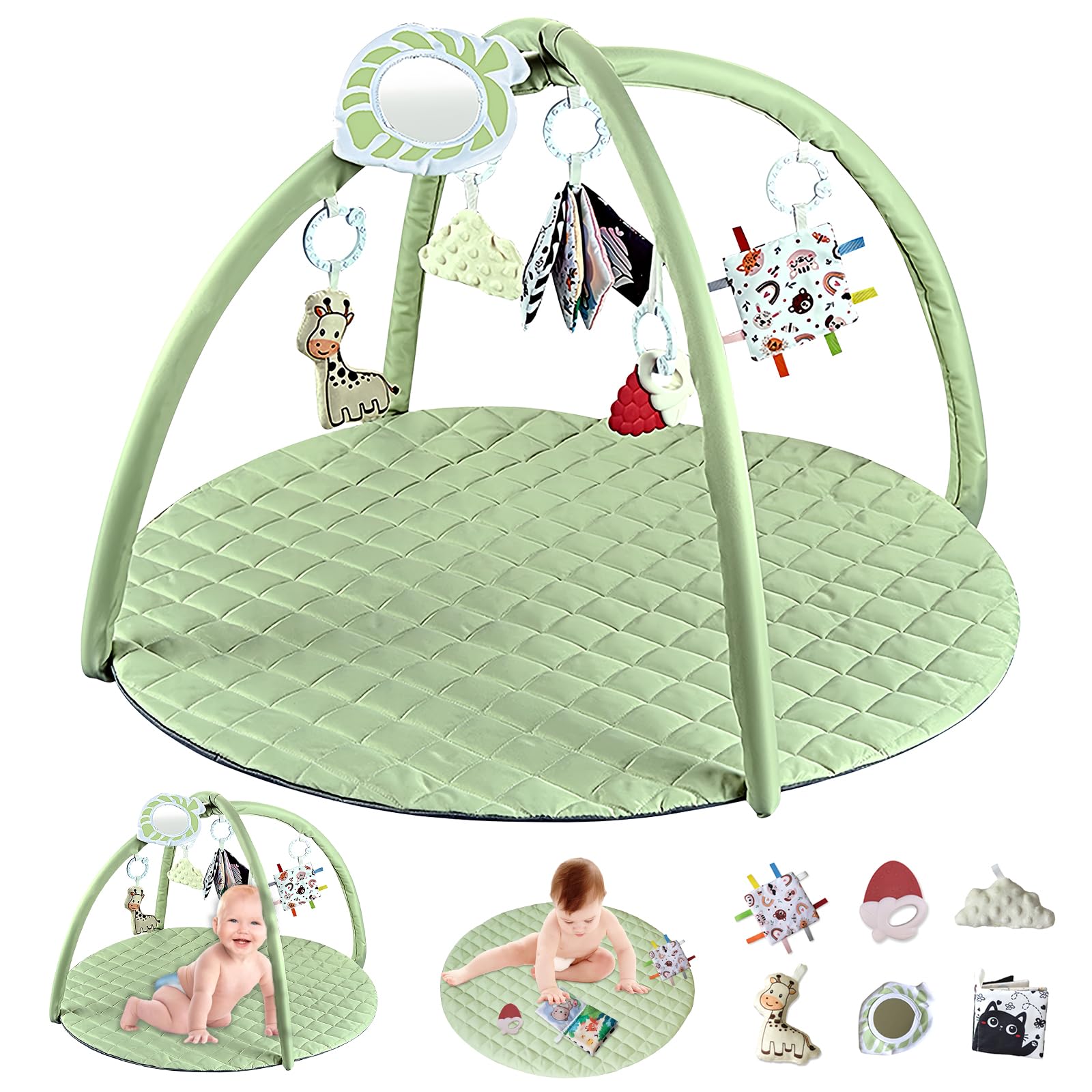
A sensory play gym is a soft mat with toys that stimulate baby’s senses. It encourages touch, sight, and sound exploration. This play gym helps develop motor skills and cognitive growth in infants safely.
How Does Sensory Play Benefit Infant Development?
Sensory play boosts brain connections and supports learning. It enhances fine motor skills, hand-eye coordination, and sensory processing. Infants gain confidence and curiosity by interacting with various textures, colors, and sounds.
When Should I Introduce A Sensory Play Gym?
You can introduce a sensory play gym from birth. Newborns enjoy visual and tactile stimulation. As babies grow, the gym promotes reaching, grabbing, and rolling, aiding physical and sensory development.
Are Sensory Play Gyms Safe For Infants?
Yes, sensory play gyms are designed with baby-safe materials. They have no small parts that can choke infants. Always supervise your baby during playtime for extra safety.
Conclusion
Sensory play gyms help babies learn and grow every day. They offer fun ways to explore colors, shapes, and sounds. These activities support babies’ brain and motor skill development. Parents can enjoy watching their little ones discover new things. Choosing the right play gym makes a big difference.
It keeps babies happy and curious for longer. Simple, safe, and engaging toys work best. Sensory play gyms create special moments for families to share. Try adding one to your home for joyful learning time.