Are you looking for ways to help your baby learn and grow while having fun? Sensory play toys for babies are a fantastic choice.
These toys do more than entertain—they stimulate your baby’s senses and boost brain development. Imagine your little one exploring new textures, sounds, and colors with excitement and curiosity. You’ll discover the best sensory play toys that can make playtime both joyful and educational.
Keep reading to find out how you can give your baby the perfect start with toys designed to spark their imagination and learning.
Benefits Of Sensory Play
Sensory play toys help babies explore the world through touch, sound, and sight. These toys support their learning in many ways.
Playing with different textures and shapes teaches babies about their environment. It also helps their brain grow strong.
Enhancing Motor Skills
Sensory toys help babies practice moving their hands and fingers. This builds their fine motor skills needed for daily tasks.
Grabbing, squeezing, and shaking toys improve hand-eye coordination. These actions prepare babies to write and use tools later.
- Builds finger strength and control
- Improves hand and eye coordination
- Encourages reaching and grasping
- Supports physical development
Stimulating Cognitive Growth
Sensory play helps babies learn cause and effect. They see how pressing or shaking toys creates sounds or movements.
Exploring different materials teaches them about textures and shapes. This boosts their thinking and problem-solving skills.
- Teaches cause and effect
- Introduces new textures and shapes
- Encourages curiosity and exploration
- Supports memory and attention
Encouraging Emotional Development
Sensory play helps babies feel calm and happy. The different sensations can soothe and comfort them.
Playing with sensory toys also helps babies express feelings. They learn to enjoy new experiences and build confidence.
- Provides comfort and calmness
- Helps express emotions
- Builds confidence through exploration
- Supports social interaction skills
Types Of Sensory Toys
Sensory play toys help babies explore their world using their senses. These toys support brain growth and skills development.
Different types of sensory toys focus on touch, sound, sight, smell, and taste. Each type encourages babies to learn in unique ways.
Tactile Toys
Tactile toys let babies feel different textures and shapes. They help develop the sense of touch and fine motor skills.
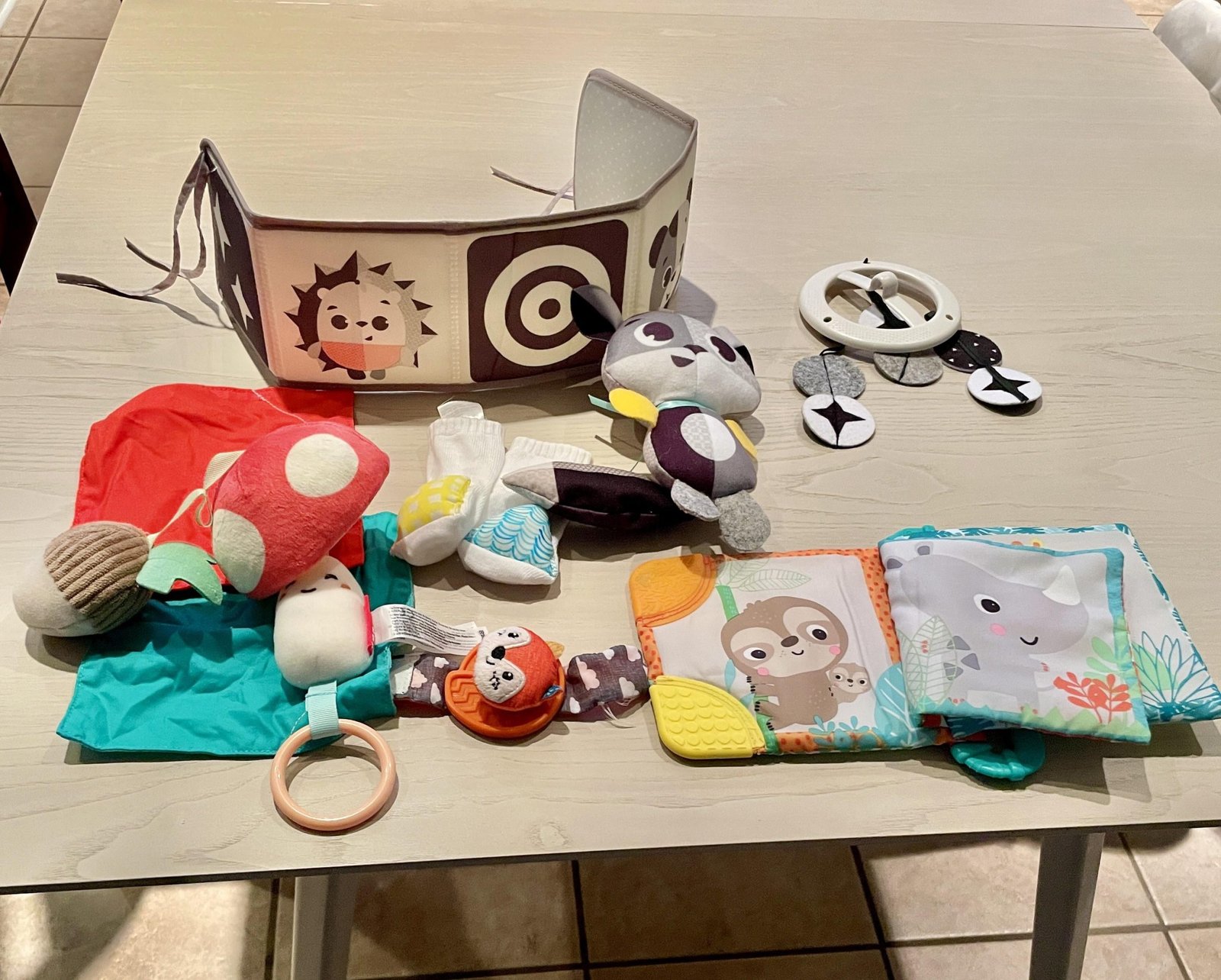
Examples include soft plush toys, textured balls, and fabric books with varied surfaces.
- Soft stuffed animals
- Rubber teething rings
- Textured fabric books
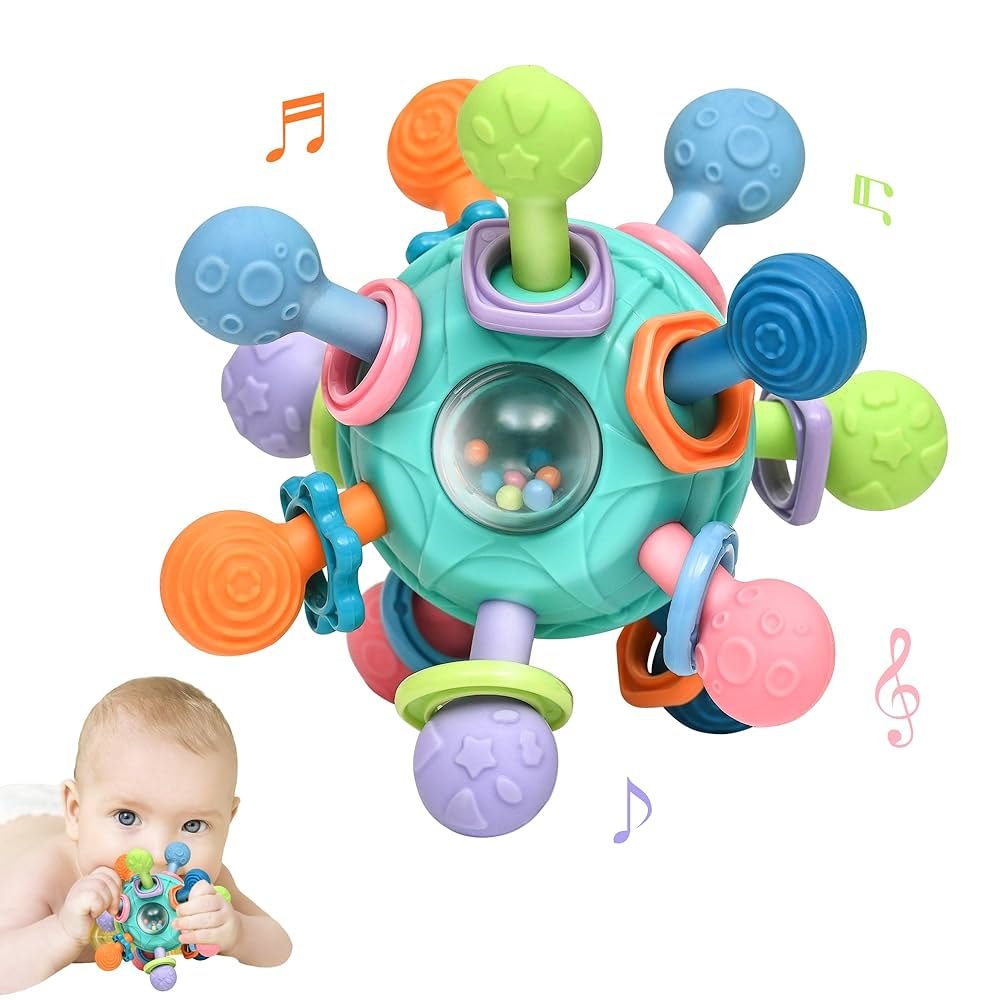
- Squishy sensory balls
Auditory Toys
Auditory toys make sounds that catch a baby’s attention. These toys teach babies to recognize different noises.
Examples include rattles, musical instruments, and toys that play melodies or nature sounds.
- Handheld rattles
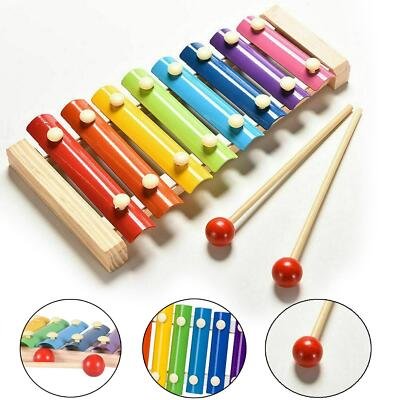
- Baby drums and xylophones
- Musical plush toys
- Toys with bells or chimes
Visual Toys
Visual toys use colors, shapes, and lights to attract babies’ eyes. They help improve focus and visual tracking.
Examples include colorful mobiles, shape sorters, and light-up toys with changing colors.
- Colorful stacking rings
- Light-up sensory balls
- Bright mobiles for cribs
- Shape sorting cubes
Olfactory And Taste Toys
Olfactory toys introduce new smells to babies. Taste toys are safe items babies can chew to explore flavors.
Examples include scented plush toys and safe teething toys made from food-grade materials.
- Scented cloth animals
- Herbal sachets for babies
- Food-grade silicone teething rings
- Natural wood teethers
Choosing Safe Sensory Toys
Sensory toys help babies explore their senses and learn about the world. Choosing safe toys keeps them healthy and happy.
Parents should check materials, age recommendations, and possible dangers before buying sensory toys.
Materials To Look For
Choose toys made from non-toxic, BPA-free, and phthalate-free materials. Soft fabrics and smooth plastics work well for babies.
- Natural wood with safe finishes
- Food-grade silicone
- Soft cotton or organic fabrics
- Latex-free rubber
Age-appropriate Options
Buy toys that fit your baby’s current age and development. This helps avoid choking and supports proper learning.
| Age Range | Toy Type | Safety Tips |
|---|---|---|
| 0-6 months | Soft rattles, teething rings | Ensure no small parts or loose pieces |
| 6-12 months | Textured balls, stacking cups | Check for sturdy construction |
| 12-18 months | Push toys, musical instruments | Choose lightweight and easy-to-grip toys |
Avoiding Common Hazards
Watch out for small parts, sharp edges, and toxic paints. These can cause injury or illness.
- Avoid toys with detachable small pieces
- Check for smooth, rounded edges
- Buy from brands that meet safety standards
- Keep toys clean and free from mold
Diy Sensory Toys At Home
Sensory play helps babies learn about the world through touch, sound, and sight. Making toys at home is easy and fun.
DIY sensory toys use simple materials and can be safe for babies. Parents can create toys tailored to their child's needs.
Simple Craft Ideas
Use everyday items to create colorful and textured toys. Soft fabrics, rattles, and safe containers work well for sensory play.
- Fill a balloon with rice or beans for a squishy ball.
- Make a sensory bottle with water, glitter, and small beads.
- Use different fabrics to create a touch-and-feel patchwork.
- Cut shapes from foam sheets for easy grasping.
Using Household Items
Many household items can become sensory toys. Always check that items are clean and safe for babies to handle.
| Item | Use for | Safety Tip |
| Empty plastic bottles | Shakers with beans or pasta | Seal lid tightly |
| Old socks | Soft puppets or squeeze toys | Remove any loose threads |
| Cardboard tubes | Peek-a-boo tunnels or texture rolls | Cut edges smooth |
| Bubble wrap | Crinkle sound sensory play | Supervise closely |
Customizing For Baby’s Needs
Adjust toys to match your baby’s age and preferences. Observe what textures and sounds they enjoy most.
- Use bright colors to attract visual attention.
- Add soft fabrics for gentle touch.
- Include rattles or bells for sound stimulation.
- Make sure toys are easy to hold and safe to mouth.
Incorporating Sensory Play Daily
Sensory play is vital for a baby's development. It helps them explore the world through their senses. You can make sensory play part of your baby's daily routine with a few simple steps.
Using sensory toys can encourage your baby to learn and grow. These toys stimulate touch, sight, and sound, making playtime both fun and educational.
Creating A Sensory Play Space
Designate a safe area for sensory play. Use soft mats and cushions to make it comfortable. Arrange toys within reach so your baby can explore freely.
Add colorful and textured toys to the play space. These toys engage your baby's senses and keep them interested for longer periods.
- Use soft lighting to create a calm atmosphere
- Include toys that make different sounds
- Rotate toys regularly to keep the space exciting
Routine Activities With Toys
Incorporate sensory toys into your daily activities. Use them during tummy time or while your baby is seated. This makes play a natural part of everyday routines.
You can use a variety of toys to develop different senses. Choose toys that crinkle, rattle, or have different textures for diverse experiences.
| Activity | Suggested Toy |
| Tummy Time | Soft fabric book |
| Seated Play | Textured ball |
Engaging Caregivers And Siblings
Involve caregivers and siblings in sensory play. They can help guide the baby and make playtime more interactive. This encourages bonding and social skills.
Older siblings can show the baby how to use the toys. This helps the baby learn by watching and imitating their sibling's actions.
- Encourage siblings to share their favorite toys
- Caregivers can narrate playtime activities
- Make playtime a group activity for more fun
Signs Of Progress Through Play
Sensory play toys help babies learn about the world. These toys stimulate their senses and support brain growth.
Watching how babies use these toys shows their progress. Parents can notice important signs during playtime.
Tracking Milestones
Babies reach milestones as they explore sensory toys. These include touching, grasping, and recognizing objects.
Tracking these milestones helps parents understand their baby's development stage and needs.
- Reaching for toys shows motor skill growth
- Smiling or laughing indicates enjoyment and awareness
- Turning head toward sounds shows hearing progress
- Recognizing colors or shapes shows visual development
Recognizing Baby’s Preferences
Babies show clear likes and dislikes during play. They may prefer certain textures, colors, or sounds.
Noticing these preferences helps parents choose the best toys for their baby's interest and growth.
- Soft toys may comfort some babies
- Bright colors attract attention
- Crinkly or rattling sounds keep babies engaged
- Different shapes encourage exploration
Adjusting Toys For Growth
As babies grow, their play needs change. Parents should update toys to match new skills and interests.
Simple toys can be made more challenging or replaced with advanced options to support learning.
- Introduce toys that require problem-solving
- Offer toys with varied textures and sounds
- Choose toys that encourage movement and coordination
- Rotate toys to keep playtime fresh and exciting

Frequently Asked Questions
What Are Sensory Play Toys For Babies?
Sensory play toys stimulate a baby's senses like touch, sight, and sound. They help develop motor skills, cognition, and creativity. These toys are safe, colorful, and designed to engage babies in learning through play.
How Do Sensory Toys Benefit Baby Development?
Sensory toys improve brain development by enhancing sensory processing and coordination. They boost fine motor skills, language, and social interaction. Playing with these toys also encourages curiosity and problem-solving abilities in babies.
When Should Babies Start Using Sensory Play Toys?
Babies can start using sensory play toys as early as three months old. At this stage, toys with different textures and sounds are ideal. Always choose age-appropriate toys to ensure safety and maximum developmental benefits.
Are Sensory Toys Safe For Newborns?
Yes, sensory toys are safe for newborns if they meet safety standards. Choose toys made from non-toxic materials with no small parts. Always supervise babies during play to prevent choking hazards.
Conclusion
Sensory play toys help babies learn about the world around them. They support growth in many ways. Babies enjoy touching, seeing, and hearing new things. These toys keep little hands and minds busy. Choose toys that are safe and suit your baby’s age.
Simple toys can bring lots of joy and learning. Watching your baby explore is a special moment. Sensory play builds strong skills for the future. It makes early learning fun and natural. Give your baby the gift of play today.