Are you looking for the perfect way to help your baby explore the world around them? Sensory toys for infants can be exactly what you need.
These toys do more than just entertain—they stimulate your baby’s senses and support their brain development. Imagine giving your little one a tool that sparks curiosity, encourages learning, and keeps them happily engaged. You’ll discover how sensory toys can make a big difference in your baby’s growth and which ones are best to choose.
Keep reading to unlock the secrets to boosting your infant’s development through play.

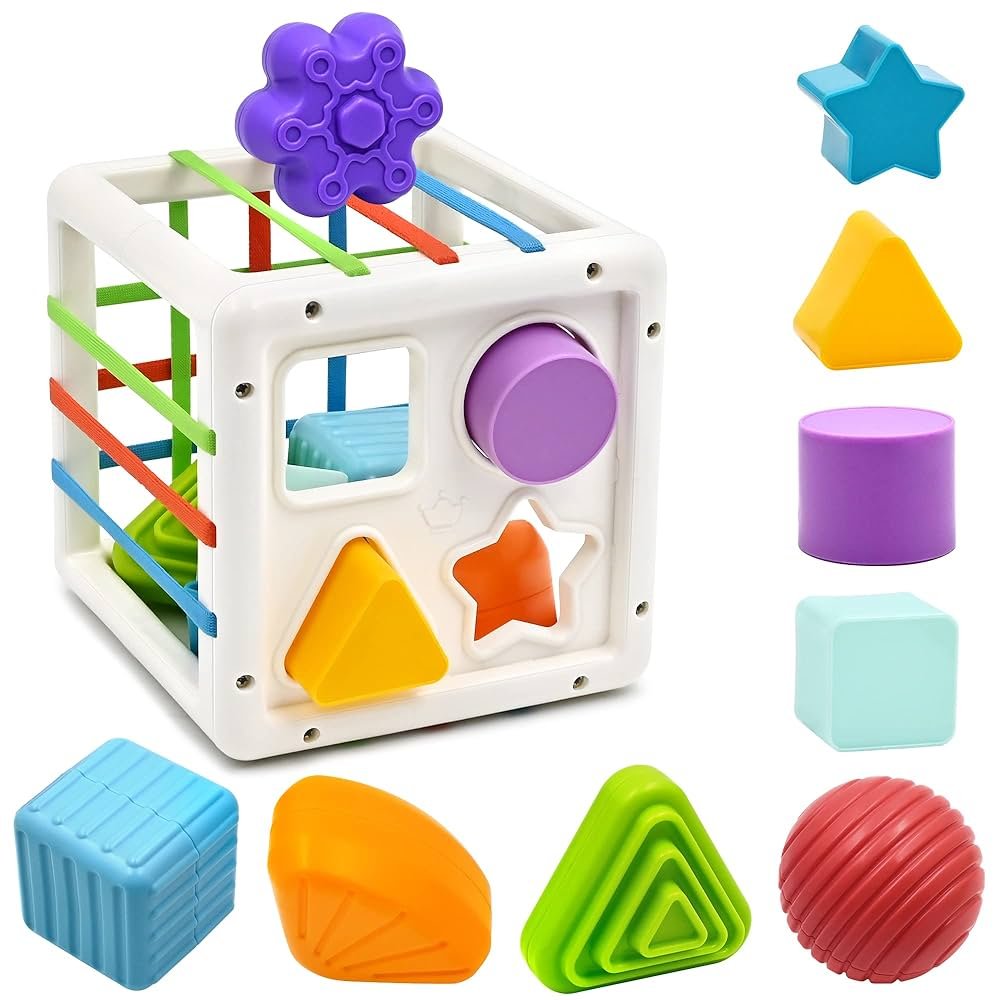
Credit: www.amazon.ca
Benefits Of Sensory Toys
Sensory toys help babies explore the world using their senses. They offer fun ways to learn and grow.
These toys support important skills in infants. They promote physical, mental, and emotional development early on.
Enhancing Motor Skills
Sensory toys encourage babies to move their hands and fingers. This helps improve coordination and muscle strength.
Playing with different textures and shapes teaches infants how to control their movements better.
- Grasping toys builds hand muscles
- Touching various surfaces improves tactile skills
- Reaching and grabbing helps eye-hand coordination
Stimulating Cognitive Growth
Sensory toys engage babies’ brains by introducing new sights, sounds, and textures. This sparks curiosity and learning.
Exploring toys helps infants recognize patterns, shapes, and cause-effect relationships.
- Bright colors attract attention and help focus
- Sounds teach cause and effect
- Varied textures improve sensory processing
Encouraging Emotional Development
Sensory toys provide comfort and reduce stress for babies. They help infants feel safe and calm.
Playing with toys also supports social skills, like sharing and expressing feelings.
- Soft textures soothe and calm
- Interactive toys promote bonding with caregivers
- New experiences build confidence and joy

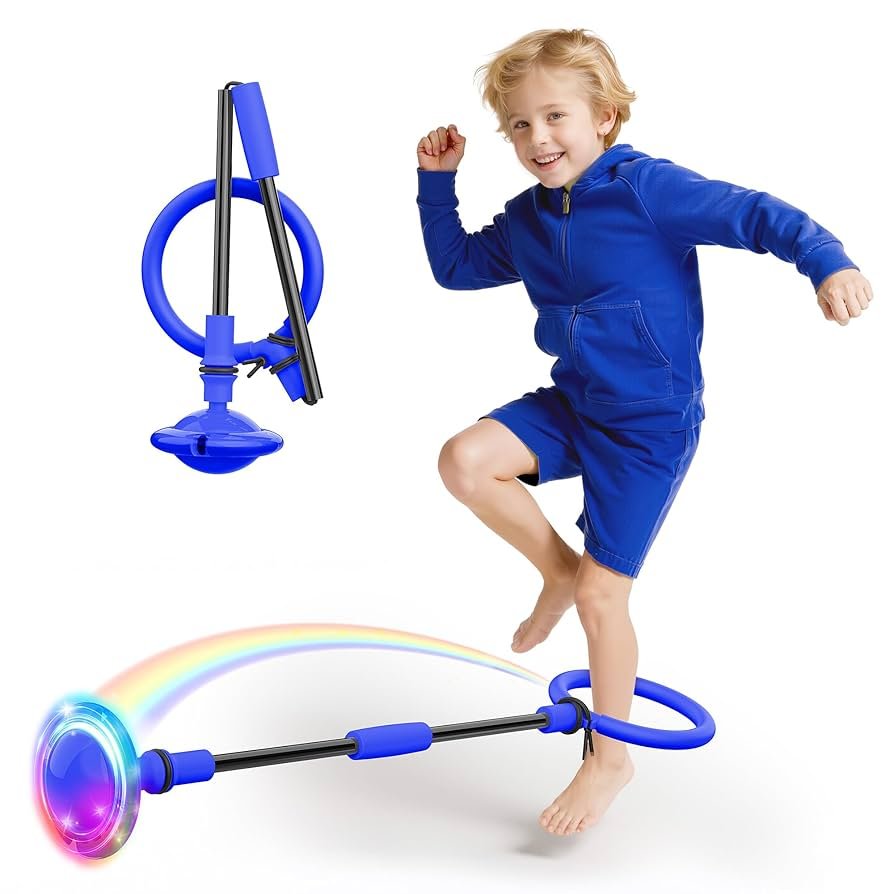
Credit: www.amazon.ca
Types Of Sensory Toys
Sensory toys help infants explore and learn about the world. These toys stimulate their senses and support brain growth.
Different types of sensory toys focus on touch, sight, sound, and taste. Each type encourages babies to use their senses in new ways.
Tactile Toys
Tactile toys let babies feel different textures. These toys help develop the sense of touch and hand coordination.
Soft, rough, bumpy, or smooth surfaces teach infants how things feel. They also improve fine motor skills.
- Textured balls
- Fabric books with varied materials
- Rubber teething rings
- Soft blocks with different patterns
Visual Toys
Visual toys attract babies with colors and shapes. They help develop sight and focus skills.
Bright colors and high contrast patterns keep infants interested. Moving parts add extra visual stimulation.
- Colorful stacking rings
- Black and white flashcards
- Light-up toys
- Mobiles with shapes and colors
Auditory Toys
Auditory toys make sounds that capture a baby’s attention. These toys support hearing and listening skills.
Bells, rattles, and musical toys teach cause and effect. Infants learn to recognize different noises.
- Rattles with beads inside
- Soft drums or xylophones
- Talking or singing stuffed animals
- Shakers and bells
Oral Sensory Toys
Oral sensory toys help babies explore with their mouths safely. These toys support oral motor skills and soothe gums.
Teething toys and chewable items offer comfort. They encourage babies to use their mouths to learn about objects.
- Silicone teething rings
- Soft chew toys
- Textured teethers
- Pacifiers with different shapes
Choosing Safe Toys
Sensory toys help infants explore their senses and learn about the world. Choosing safe toys keeps babies healthy and happy.
Parents should carefully check toys for safety features. This ensures the toys are good for babies to touch, taste, and play with.
Material Considerations
Choose toys made from soft, durable materials. The material should not break into small pieces that babies can swallow.
Look for smooth surfaces without sharp edges. Avoid materials that can cause allergies or irritate the skin.
- Soft fabrics like cotton or fleece
- Safe plastics that do not crack easily
- Natural wood with a smooth finish
- No small detachable parts
Age Appropriateness
Select toys that match the infant’s age and stage of development. Toys should be easy to hold and explore safely.
Check the recommended age on the toy’s label. This helps prevent choking hazards and ensures the toy fits the baby's abilities.
- 0-6 months: Soft, lightweight toys with no small parts
- 6-12 months: Toys with different textures and shapes
- Avoid toys with buttons or batteries for young infants
Non-toxic Features
Infants put toys in their mouths, so non-toxic materials are important. Avoid toys with harmful chemicals or paints.
Look for toys labeled as BPA-free, phthalate-free, and lead-free. These reduce the risk of poisoning or skin reactions.
- Use natural dyes and paints
- Choose BPA-free plastics
- Avoid PVC and vinyl materials
- Check for certification labels from safety organizations
Incorporating Toys Into Playtime
Sensory toys help infants learn about the world. They use touch, sight, sound, and movement. Adding these toys to playtime supports brain growth.
Parents and caregivers can create fun moments by choosing the right toys. Safe and simple toys work best for little hands and minds.
Creating Sensory Play Areas
Set up a special place for sensory play. Use soft mats or blankets on the floor. Keep toys within easy reach for the baby.
- Place colorful toys that make gentle sounds
- Add toys with different textures like soft, rough, or bumpy
- Include safe mirrors for visual interest
- Use toys that move or light up slowly
- Keep the area tidy to avoid distractions
Interactive Play Techniques
Talk and smile while showing toys to your baby. Let them touch and explore each toy at their own pace. Imitate their sounds and movements to build connection.
| Technique | How to Use |
| Gentle Touch | Guide baby’s hand on toys softly |
| Sound Play | Shake or tap toys to make noise |
| Visual Focus | Hold toys close to eyes |
| Movement | Move toys slowly in front of baby |
Balancing Stimulation And Rest
Too many toys can tire babies. Watch for signs of fussiness or yawning. Let babies rest when needed to avoid overstimulation.
Tips for balance:
- Limit play sessions to 10-15 minutes at first
- Offer quiet toys or soft music during rest
- Keep a calm environment with few distractions
- Observe baby’s mood and adjust playtime
Diy Sensory Toy Ideas
Sensory toys help infants explore their senses. Making your own toys is fun and easy.
These ideas use simple materials and encourage babies to touch, see, and hear.
Simple Household Items
Many household items can become great sensory toys. They are safe and easy to find.
- Fill a plastic bottle with rice or pasta for a shaker.
- Use a wooden spoon and pots for banging sounds.
- Soft washcloths make good texture toys.
- Empty cardboard boxes are great for stacking and crawling.
Crafting With Textures
Different textures help babies feel new sensations. Use craft supplies to create texture toys.
| Material | Texture Type | How to Use |
| Felt | Soft | Cut into shapes and sew or glue on fabric |
| Burlap | Rough | Wrap small blocks for a scratchy feel |
| Satin Ribbon | Smooth | Attach ribbons to rings for pulling and grabbing |
| Cotton Balls | Fluffy | Glue inside clear balloons for squishy toys |
Sound-making Creations
Sounds can delight and calm infants. Use safe items to build sound toys at home.
Try these ideas:
- Fill small containers with beads or bells and tape securely.
- Use metal spoons and pots to create a mini drum set.
- Make a rainstick with a paper towel roll and rice inside.

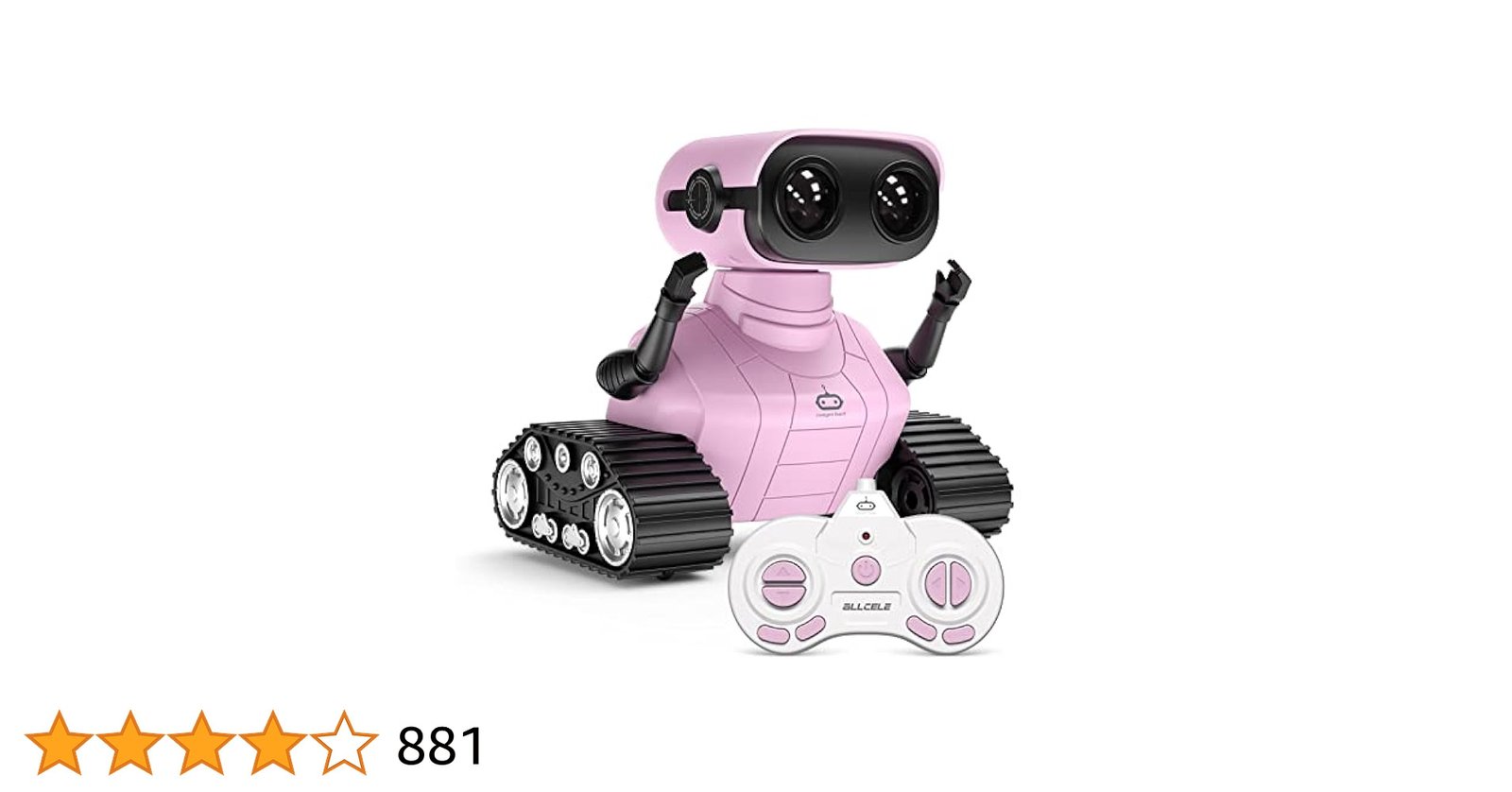
Credit: www.goodhousekeeping.com
Frequently Asked Questions
What Are Sensory Toys For Infants?
Sensory toys stimulate babies' senses like touch, sight, sound, and smell. They encourage exploration and development of motor skills and cognitive abilities.
How Do Sensory Toys Benefit Infant Development?
Sensory toys improve hand-eye coordination, focus, and brain development. They also enhance sensory processing and encourage curiosity in infants.
Which Sensory Toys Are Best For Newborns?
Soft, colorful toys with varied textures and gentle sounds suit newborns best. Examples include fabric books, rattles, and textured balls.
When Should Infants Start Using Sensory Toys?
Infants can start using sensory toys from birth. Early exposure supports sensory development and helps babies explore their environment safely.
Conclusion
Sensory toys help babies learn about the world around them. They support brain growth and improve motor skills. Simple toys with different textures, colors, and sounds work best. Parents can watch their babies explore and enjoy new sensations. Choosing the right sensory toys makes playtime fun and educational.
Babies benefit from toys that encourage touch, sight, and hearing. These toys build strong foundations for future learning. Let your infant discover with safe and engaging sensory toys every day. Play and learning go hand in hand for healthy development.