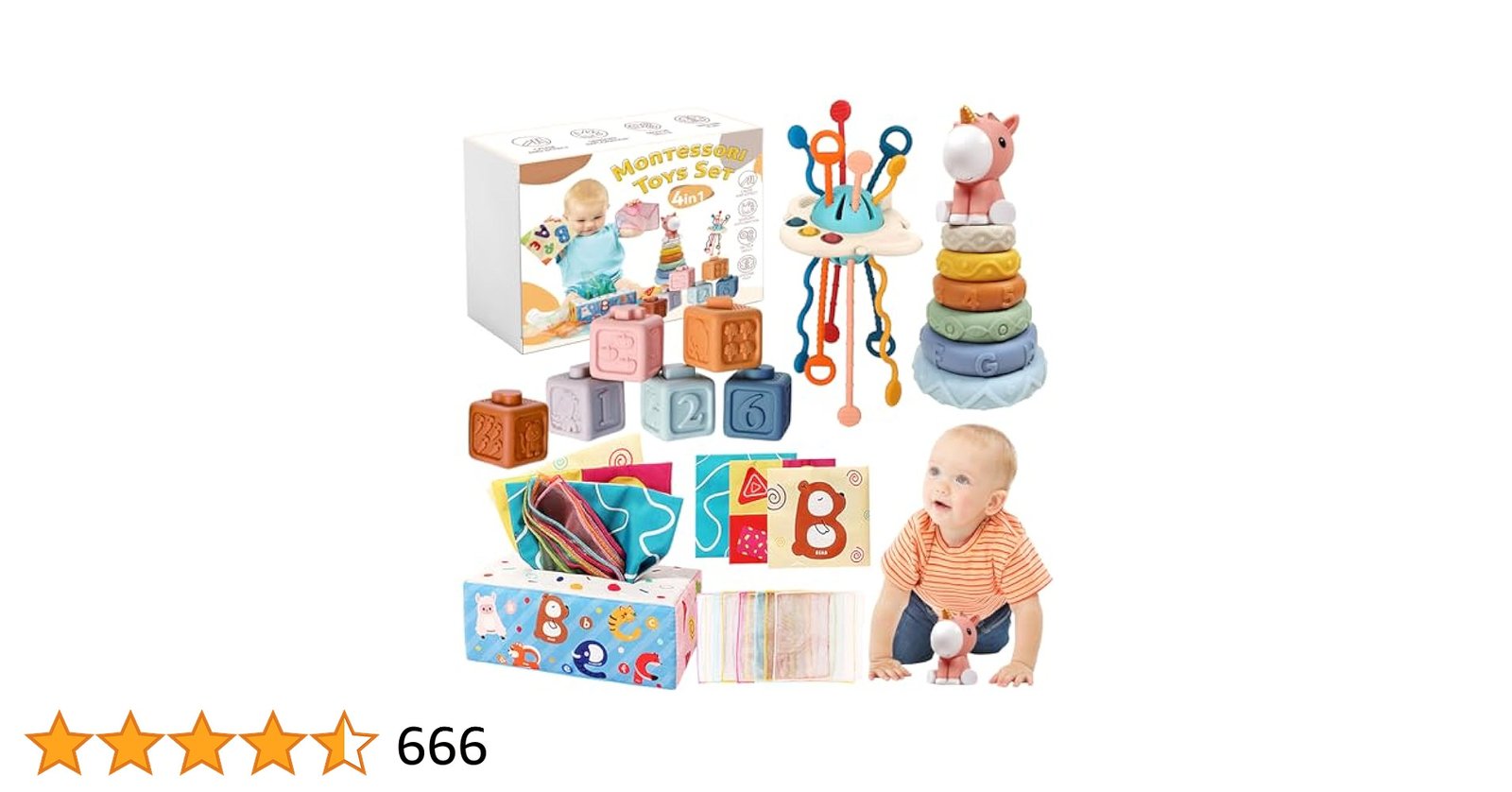
If you’re a parent or caregiver, you want the best for your baby’s growth and happiness. Soft blocks for babies are more than just toys—they’re tools that help your little one explore, learn, and develop important skills safely.
Imagine giving your baby something colorful, safe, and fun that encourages their curiosity and keeps them engaged. You’ll discover why soft blocks are a must-have, how they support your baby’s development, and what to look for when choosing the perfect set.
Keep reading to find out how these simple blocks can make a big difference in your baby’s early years.

Credit: www.amazon.com
Benefits Of Soft Blocks
Soft blocks are safe toys designed for babies to play with. They help babies learn and grow.
These blocks are soft, light, and easy to hold. They offer many benefits for babies' development.
Safety Features
Soft blocks are made from gentle materials that do not hurt babies. They are free from sharp edges.
These blocks are large enough to prevent choking. They are also non-toxic and easy to clean.
- Soft and squishy texture
- Rounded edges to avoid cuts
- Non-toxic materials
- Lightweight for easy handling
- Easy to wash and keep clean
Developmental Advantages
Playing with soft blocks helps babies improve their hand-eye coordination. They learn to grasp and stack.
Blocks encourage babies to explore shapes and colors. This supports early learning and brain growth.
- Enhances motor skills
- Teaches shape and color recognition
- Improves problem-solving skills
- Supports sensory development
Encouraging Creativity
Soft blocks let babies build and create simple structures. This sparks imagination and fun play.
As babies grow, they use blocks to tell stories and play with friends. This develops social skills.
- Promotes imaginative play
- Encourages problem-solving
- Supports sharing and teamwork
- Helps express ideas through building
Materials Used In Soft Blocks
Soft blocks for babies need safe and gentle materials. Parents look for blocks that keep their babies safe and comfortable. The choice of materials affects safety and ease of cleaning.
This guide explains the common materials used in making soft blocks. It covers fabrics, fillings, and how durable and washable these toys are.
Non-toxic Fabrics
Soft blocks use fabrics that are free from harmful chemicals. Organic cotton and bamboo are popular choices. These fabrics feel soft and are safe for babies to touch and chew on.
- Organic cotton is grown without pesticides.
- Bamboo fabric is naturally antibacterial.
- Polyester used is often free from toxic dyes.
- All fabrics are tested for safety standards.
Hypoallergenic Fillings
Fillings inside soft blocks must not cause allergies. Many blocks use hypoallergenic polyester fiberfill. Some use natural fillings like wool that resist dust mites.
| Filling Type | Benefits | Care Notes |
|---|---|---|
| Polyester Fiberfill | Lightweight, hypoallergenic, soft | Machine washable, dries quickly |
| Natural Wool | Breathable, resists dust mites | May need gentle hand washing |
| Foam Pieces | Soft, retains shape well | Spot clean only |
Durability And Washability
Soft blocks must last through rough play and many washes. Fabrics and fillings should keep their shape and color. Easy cleaning helps keep blocks safe and fresh.
- Choose blocks with double-stitched seams.
- Look for machine-washable fabrics.
- Avoid blocks with glued parts that may peel.
- Use mild detergent to protect materials.
Choosing The Right Soft Blocks
Soft blocks are a great toy for babies. They help with learning and play safely.
Picking the right soft blocks is important for your baby's growth and safety.
Age Appropriateness
Choose soft blocks that fit your baby’s age. Blocks made for younger babies are simpler.
Older babies can use blocks with more parts and shapes to explore.
- For newborns, use soft, large blocks without small parts
- Babies 6-12 months enjoy blocks that are easy to grab
- Toddlers can handle blocks with different shapes and stacking features
Size And Weight Considerations
Soft blocks should be light and easy for babies to hold. Heavy blocks can be hard to use.
Choose blocks that are big enough to avoid choking but small enough to handle.
- Blocks should fit comfortably in baby’s hands
- Avoid very small blocks or pieces that can be swallowed
- Lightweight blocks help babies build motor skills
Color And Texture Variety
Bright colors attract babies’ attention and help with color learning. Soft blocks with different textures add to the experience.
Textures help babies explore touch and develop their senses.
- Choose blocks with multiple colors to teach color names
- Soft and bumpy textures are good for sensory development
- Blocks with smooth and rough sides give variety
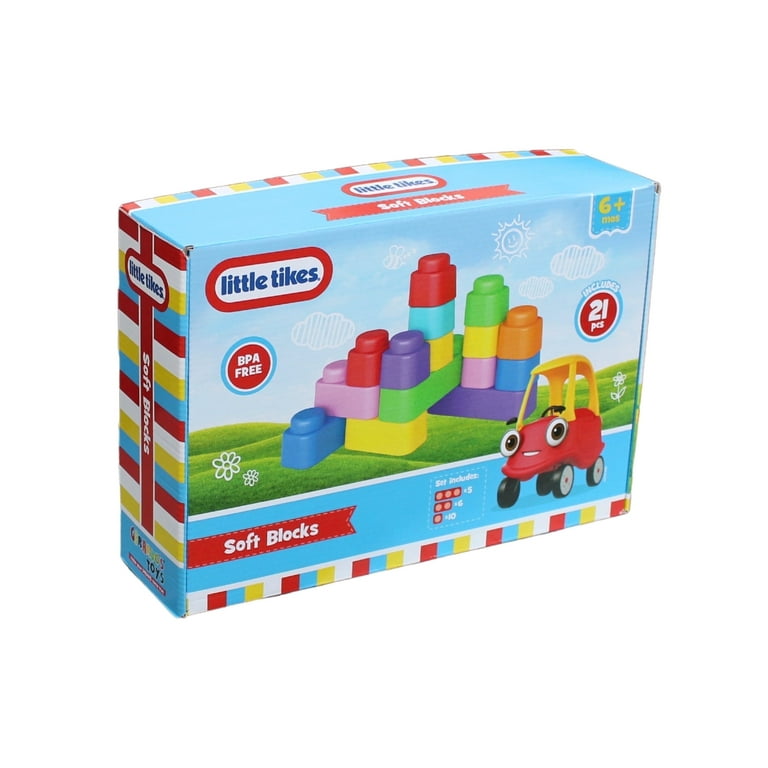
Credit: www.walmart.com
Popular Types Of Soft Blocks
Soft blocks are great toys for babies. They help babies learn and play safely. These blocks come in many types. Each type offers different benefits for little ones.
Parents often choose soft blocks that are safe and fun. The popular types include foam blocks, fabric blocks with sounds, and interactive soft blocks. Each type has unique features.
Foam Blocks
Foam blocks are light and soft. They are easy for babies to hold and stack. These blocks are safe because they do not hurt if dropped.
Foam blocks come in bright colors and simple shapes. They help babies learn colors and shapes while playing. Foam is also easy to clean and lasts long.
Fabric Blocks With Sounds
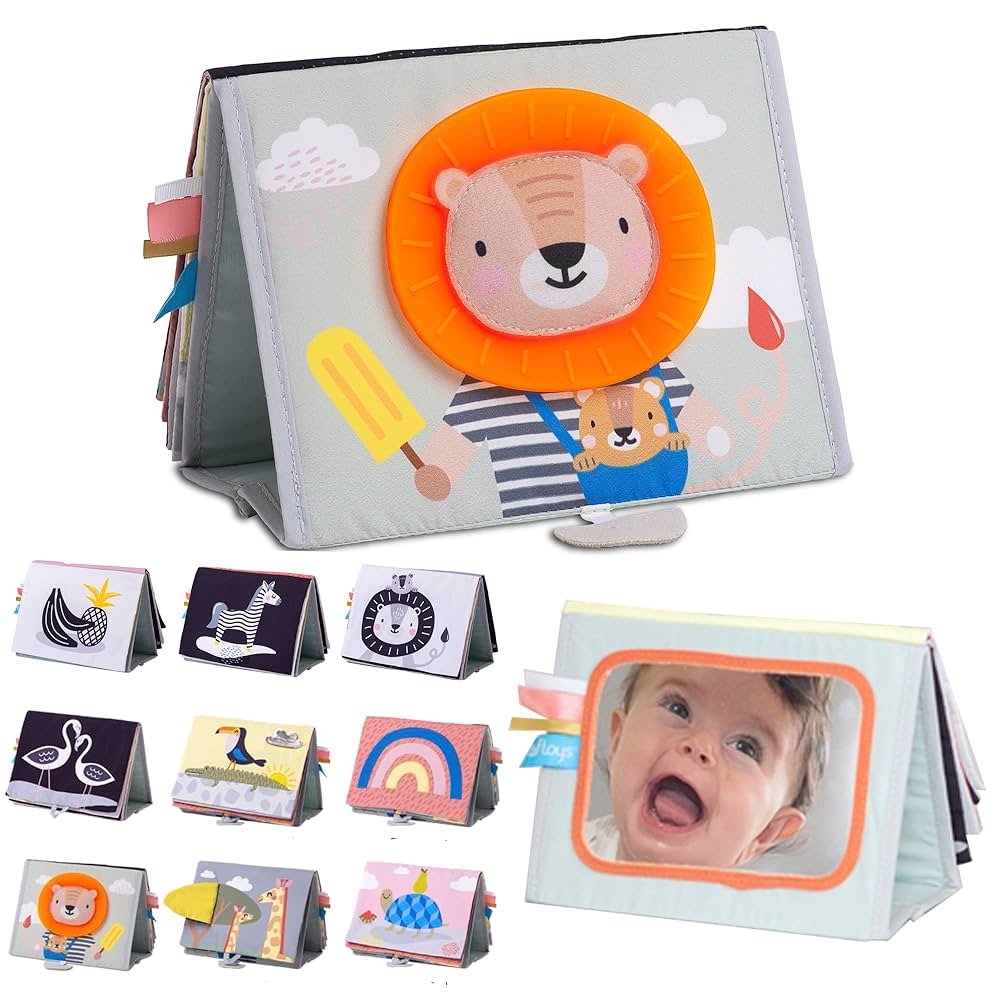
Fabric blocks are soft and gentle to touch. They often have sounds inside like rattles or crinkles. These sounds make playtime fun and help babies explore noises.
These blocks may have different textures and tags. Babies can feel and hear new things. This type helps develop both touch and hearing skills.
- Soft fabric for safe play
- Built-in rattles or crinkle sounds
- Varied textures for sensory learning
- Lightweight and easy to hold
Interactive Soft Blocks
Interactive soft blocks have buttons or flaps. Babies can press or open them to discover surprises. These blocks encourage babies to explore and learn cause and effect.
They may include lights, sounds, or moving parts. These features keep babies interested and help develop their motor skills and curiosity.
- Buttons to press for sounds or lights
- Flaps or doors to open and close
- Bright colors and fun designs
- Encourages fine motor skills
Tips For Safe Play
Soft blocks for babies are perfect for safe play. They are gentle and fun, helping babies explore safely. Parents need to ensure these toys are used correctly.
Here are some tips to make playtime with soft blocks safe. Keeping these in mind ensures a worry-free experience for both parents and babies.
Supervision Guidelines
Always watch your baby during playtime. This helps in preventing any accidents. Babies are curious and might use the blocks in unexpected ways.
Ensure the play area is safe and free from hazards. Place the baby on a soft mat or carpet to cushion any falls.
Cleaning And Maintenance
Regular cleaning keeps soft blocks hygienic. Use mild soap and warm water to clean them. Let them dry completely before use.
Check the blocks for any damage or wear. Replace damaged blocks to avoid any risks during play.
Avoiding Choking Hazards
Ensure soft blocks are large enough to not fit in a baby's mouth. This prevents choking hazards and ensures safe play.
Remove any small parts or broken pieces immediately. Keep a close eye during play to ensure blocks remain safe.
Incorporating Soft Blocks In Daily Play
Soft blocks are safe and fun toys for babies. They help babies explore shapes and colors.
Using soft blocks every day helps babies learn and grow in many ways.
Building Motor Skills
Soft blocks help babies practice their hand and finger movements. Picking up and stacking blocks builds strength and control.
Babies learn to reach, grab, and balance by playing with blocks. These actions improve coordination and fine motor skills.
- Grasping blocks strengthens finger muscles
- Stacking blocks encourages hand-eye coordination
- Knocking down blocks helps with arm movement
Encouraging Social Interaction
Playing with soft blocks can be a group activity. Babies learn to share and take turns with others.
Parents and caregivers can join in. This time together builds trust and communication skills.
- Sharing blocks teaches cooperation
- Playing together promotes speaking and listening
- Group play helps babies understand social cues
Stimulating Cognitive Growth
Soft blocks encourage babies to think and solve problems. They learn cause and effect by stacking and knocking down blocks.
Blocks also teach colors, shapes, and sizes. This helps babies understand the world around them.
- Sorting blocks by color or size improves thinking
- Building shapes develops spatial awareness
- Problem-solving skills grow with block play

Credit: www.littlepeoplescove.com
Frequently Asked Questions
What Are Soft Blocks For Babies?
Soft blocks are lightweight, cushioned toys designed for infants. They help develop motor skills, hand-eye coordination, and sensory exploration safely.
Are Soft Blocks Safe For Newborns?
Yes, soft blocks are made from baby-safe materials. They have no sharp edges and are non-toxic, ensuring safe play for newborns.
How Do Soft Blocks Benefit Baby Development?
Soft blocks encourage creativity, improve fine motor skills, and enhance cognitive abilities by allowing babies to explore shapes, colors, and textures.
When Can Babies Start Playing With Soft Blocks?
Babies can start using soft blocks around 3 to 6 months old, as they begin to grasp objects and develop hand coordination.
Conclusion
Soft blocks for babies offer safe and fun playtime options. They help develop motor skills and hand-eye coordination. Babies enjoy stacking, knocking down, and exploring textures. Parents appreciate their soft, lightweight design and easy cleaning. Choosing the right soft blocks supports early learning and creativity.
Simple toys can bring big smiles and happy moments. Soft blocks make playtime both safe and educational. A smart choice for growing little ones.