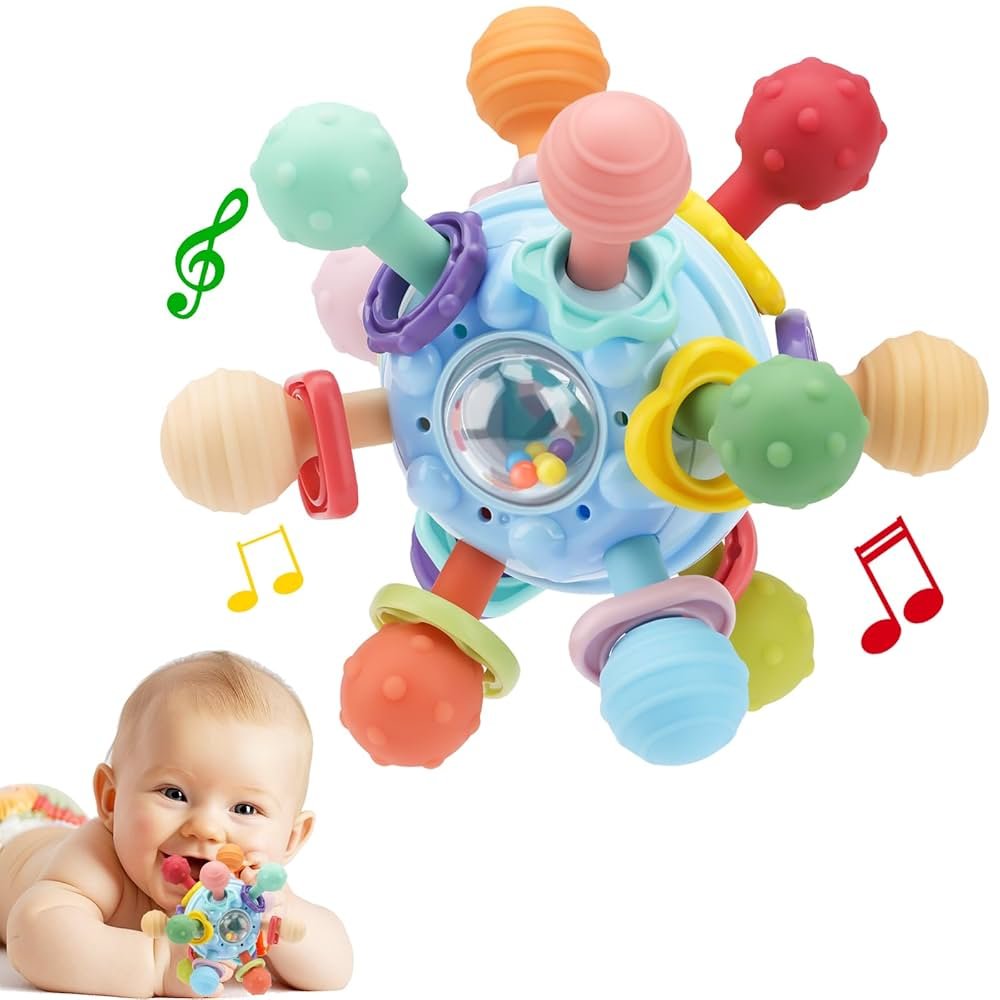
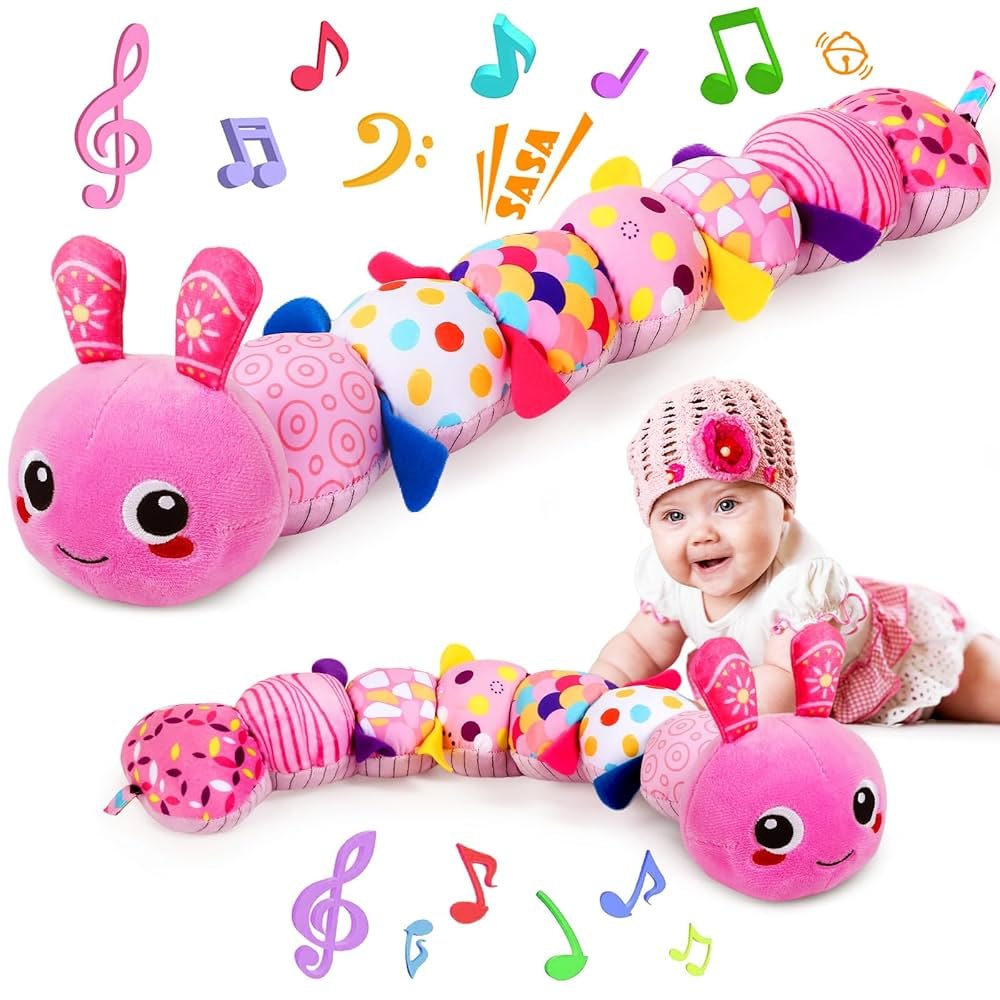
Are you looking for a safe and fun way to boost your infant’s learning and playtime? Soft blocks for infants might be just what you need.
These gentle, colorful blocks are designed to keep your little one engaged while protecting their delicate hands and surroundings. Imagine your baby stacking, squeezing, and exploring blocks that encourage creativity and motor skills without any sharp edges or hard surfaces.
Keep reading to discover how soft blocks can make playtime safer, smarter, and more enjoyable for both you and your baby.

Credit: www.amazon.com
Benefits Of Soft Blocks
Soft blocks are safe toys designed for infants to explore and play. They help babies learn while having fun.
These blocks offer many benefits for a child's growth and development. They support physical, creative, and mental skills.
Enhancing Motor Skills
Soft blocks help babies improve hand-eye coordination. Babies practice grasping, stacking, and moving the blocks.
Playing with blocks strengthens small muscles in hands and fingers. This helps with future tasks like writing.
- Grasping blocks builds finger strength
- Stacking blocks improves hand control
- Passing blocks helps coordination
Encouraging Creativity
Soft blocks allow infants to build and create freely. They experiment with shapes and colors in many ways.
Creative play with blocks helps babies explore new ideas. They learn to imagine and solve simple problems.
- Mixing block colors sparks imagination
- Building shapes teaches planning
- Stacking blocks encourages trial and error
Supporting Cognitive Development
Soft blocks help babies learn about size, shape, and balance. They also discover cause and effect through play.
Playing with blocks boosts problem-solving skills. Babies think and learn how things fit and work together.
- Sorting blocks by size teaches comparison
- Matching shapes improves memory
- Building stable towers shows balance concepts
Choosing Safe Soft Blocks
Soft blocks are popular toys for infants. They help babies learn and play safely. Choosing the right blocks keeps infants safe and happy.
Parents and caregivers must look for safe materials and designs. This guide explains what to check before buying soft blocks.
Material Safety Standards
Soft blocks must meet strict safety standards. These rules ensure the materials do not harm babies. Look for certifications from trusted organizations.
- Check for non-toxic labels on packaging
- Confirm compliance with ASTM or EN71 safety standards
- Choose blocks made from durable, safe fabrics
- Avoid blocks with small parts that can detach
- Look for easy-to-clean materials
Size And Shape Considerations
Blocks must be large enough to avoid choking risks. Rounded edges reduce the chance of injuries. Shapes should be easy for small hands to hold.
| Feature | Recommendation |
| Minimum size | At least 1.5 inches in all dimensions |
| Shape | Rounded edges, no sharp corners |
| Weight | Light enough for infants to lift |
| Surface | Soft and smooth texture |
Non-toxic And Hypoallergenic Options
Infants have sensitive skin and immune systems. Choose blocks made from hypoallergenic materials. Avoid harmful chemicals and dyes.
- Look for organic cotton or bamboo fabrics
- Avoid synthetic fragrances or chemical treatments
- Choose blocks labeled free of phthalates and BPA
- Wash blocks before giving them to infants
Setting Up A Play Area
Creating a safe play area helps infants explore and learn. Soft blocks are great toys for young children.
Organize the space carefully to keep babies comfortable and safe while they play.
Safe Space Guidelines
Choose a spot away from sharp edges and hard furniture. Make sure the area is free from small objects babies can swallow.
Keep the play area in a well-lit room where you can watch your infant easily. Remove cords and electrical outlets from reach.
- Select a quiet corner or room
- Remove breakable items nearby
- Cover outlets with safety plugs
- Keep toys clean and in good condition
Soft Surfaces And Padding
Use soft mats or carpets to cushion falls. Soft surfaces protect babies as they crawl and stand.
Add extra padding under the blocks area. This helps reduce bumps and bruises during play.
- Place foam mats or rugs
- Check the padding thickness
- Ensure mats cover the whole play zone
- Keep the surface clean and dry
Organizing Blocks For Easy Access
Store soft blocks in low bins or baskets. This helps infants reach them easily and encourages independent play.
Keep blocks sorted by size or color. This makes it simple for babies to find and put away their toys.
- Use open bins or baskets
- Label containers with pictures or colors
- Place storage at baby’s height
- Rotate blocks to keep interest high
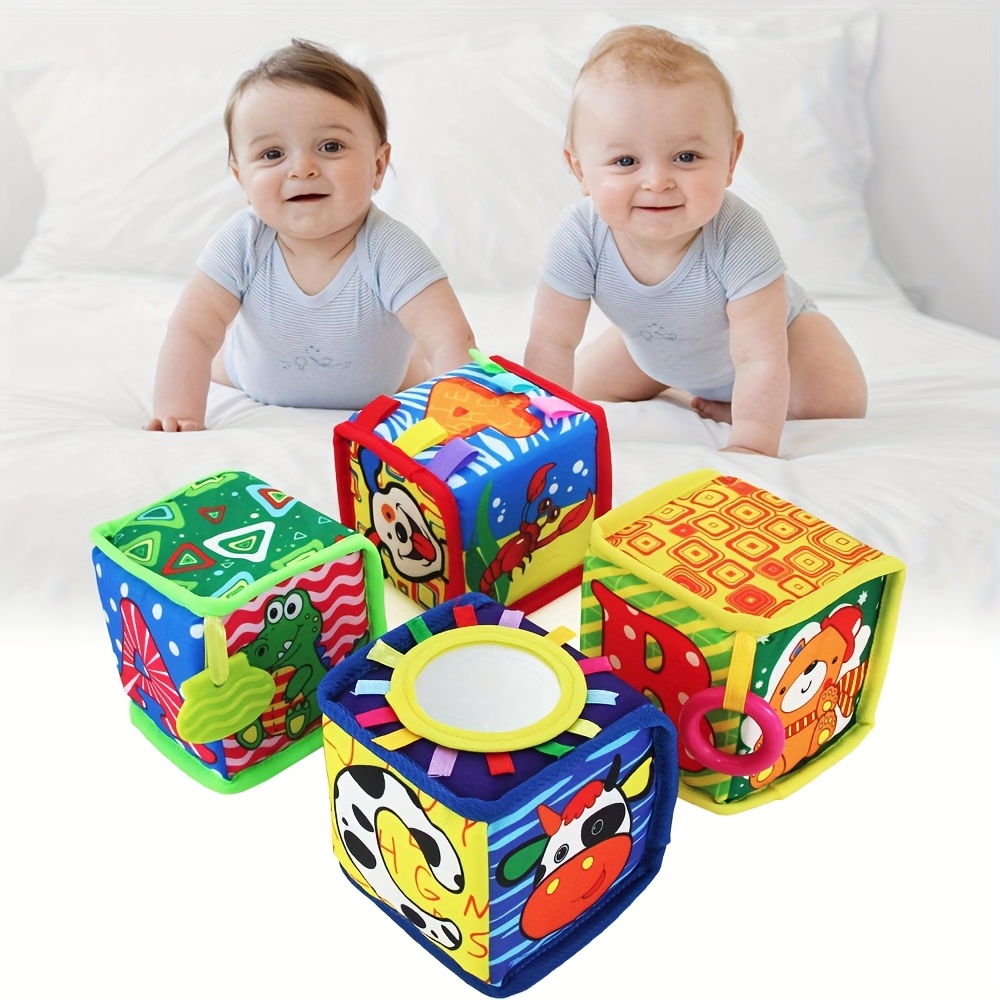
Credit: www.temu.com
Engaging Playtime Activities
Soft blocks offer a safe and fun way for infants to play. These blocks help babies explore their world through touch and movement.
Playing with soft blocks supports learning and development. Babies enjoy discovering shapes, colors, and building skills.
Stacking And Building
Stacking soft blocks helps infants improve hand-eye coordination. Babies learn to balance blocks and create small towers.
This activity encourages problem-solving and fine motor skills. It also teaches cause and effect as blocks fall down.
- Start with two or three blocks to stack
- Encourage babies to try building towers
- Use blocks of different sizes for variety
Color And Shape Recognition Games
Soft blocks come in bright colors and simple shapes. Playing with them helps babies recognize colors and shapes.
Parents can name colors and shapes to make learning fun. Babies begin to match blocks by color or shape.
- Sort blocks by color or shape
- Ask babies to find a block of a certain color
- Group blocks to create simple patterns
Interactive Storytelling With Blocks
Soft blocks can be used to tell simple stories. Babies enjoy hearing stories while playing with blocks.
Parents can use blocks as characters or objects. This makes storytime fun and helps build language skills.
- Create block characters like animals or cars
- Use blocks to build settings for stories
- Encourage babies to touch and explore during stories
Cleaning And Maintenance
Soft blocks for infants need gentle care to stay safe and clean. Proper cleaning keeps them free from germs and lasts longer.
Knowing how to clean and store these toys helps maintain their softness and shape. Follow simple tips for best results.
Regular Cleaning Tips
Clean soft blocks often to remove dirt and germs. Use mild soap and warm water for washing. Avoid harsh chemicals that can damage the fabric.
- Spot clean with a soft cloth and mild soap
- Hand wash or use gentle cycle in the washing machine
- Rinse thoroughly to remove all soap
- Air dry blocks completely before use
Avoiding Wear And Tear
Protect soft blocks by handling them gently. Keep them away from sharp objects and rough surfaces. Regular checks help spot damage early.
| Cause | Prevention |
| Rough Play | Supervise playtime |
| Sharp Objects | Keep blocks away from scissors and pins |
| Excessive Washing | Clean only when needed |
| Moisture Damage | Dry blocks fully after washing |
Storage Solutions
Store soft blocks in a dry, clean place. Avoid damp areas to stop mold growth. Use containers that allow air flow to keep them fresh.
- Use breathable fabric bags
- Keep blocks away from direct sunlight
- Organize by size or color for easy access
- Clean storage bins regularly

Credit: www.aosom.ca
Involving Parents And Caregivers
Soft blocks are excellent toys for infants. They offer endless opportunities for play and learning. Involving parents and caregivers enhances the experience.
When parents and caregivers engage in play, infants feel supported and safe. This involvement boosts learning and strengthens bonds.
Encouraging Interactive Play
Interactive play with soft blocks can promote development. It can improve motor skills and cognitive abilities in infants.
- Parents can build towers with blocks.
- Caregivers can guide infants to sort blocks by color.
- Introduce simple counting while stacking blocks.
Monitoring Safety During Play
Safety is crucial during playtime with soft blocks. Always ensure a safe environment for infants.
| Safety Tip | Action |
| Supervision | Always watch infants during play |
| Cleanliness | Regularly wash blocks to keep them clean |
| Check for damage | Inspect blocks for wear and tear |
Using Blocks For Early Learning
Soft blocks can be a wonderful tool for early learning. They offer a hands-on way to explore and discover.
Frequently Asked Questions
What Are Soft Blocks For Infants?
Soft blocks for infants are plush, lightweight building toys. They help develop motor skills and hand-eye coordination safely. Made from baby-friendly materials, these blocks encourage creativity and sensory exploration in a gentle way.
How Do Soft Blocks Benefit Infant Development?
Soft blocks enhance fine motor skills, spatial awareness, and problem-solving. They also promote sensory stimulation through textures and colors. Playing with soft blocks encourages cognitive growth and early learning in a safe environment.
Are Soft Blocks Safe For Newborns?
Yes, soft blocks are designed with non-toxic, hypoallergenic materials. They have no sharp edges, reducing choking hazards. Always supervise infants while playing to ensure safety and cleanliness.
At What Age Can Infants Use Soft Blocks?
Infants can start using soft blocks around 6 months. At this stage, babies develop grasping and stacking abilities. Soft blocks are ideal for early play and gradual skill-building.
Conclusion
Soft blocks offer safe and fun play for infants. They help develop motor skills and creativity. Parents can choose soft blocks to create a gentle play space. These blocks are easy to clean and carry anywhere. Simple toys like soft blocks make learning enjoyable.
Babies enjoy stacking and knocking them down. Soft blocks bring joy and support early growth. A smart choice for any infant’s playtime.