Are you looking for the perfect toy to help your baby learn and grow? Stacking toy blocks can be a fantastic choice.
But safety is your top priority, right? You want to make sure every block your infant plays with is completely safe and free from any hidden risks. You’ll discover how to choose stacking toy blocks that protect your little one while encouraging their creativity and motor skills.
Keep reading to find out exactly what to look for so you can feel confident about your baby’s playtime.
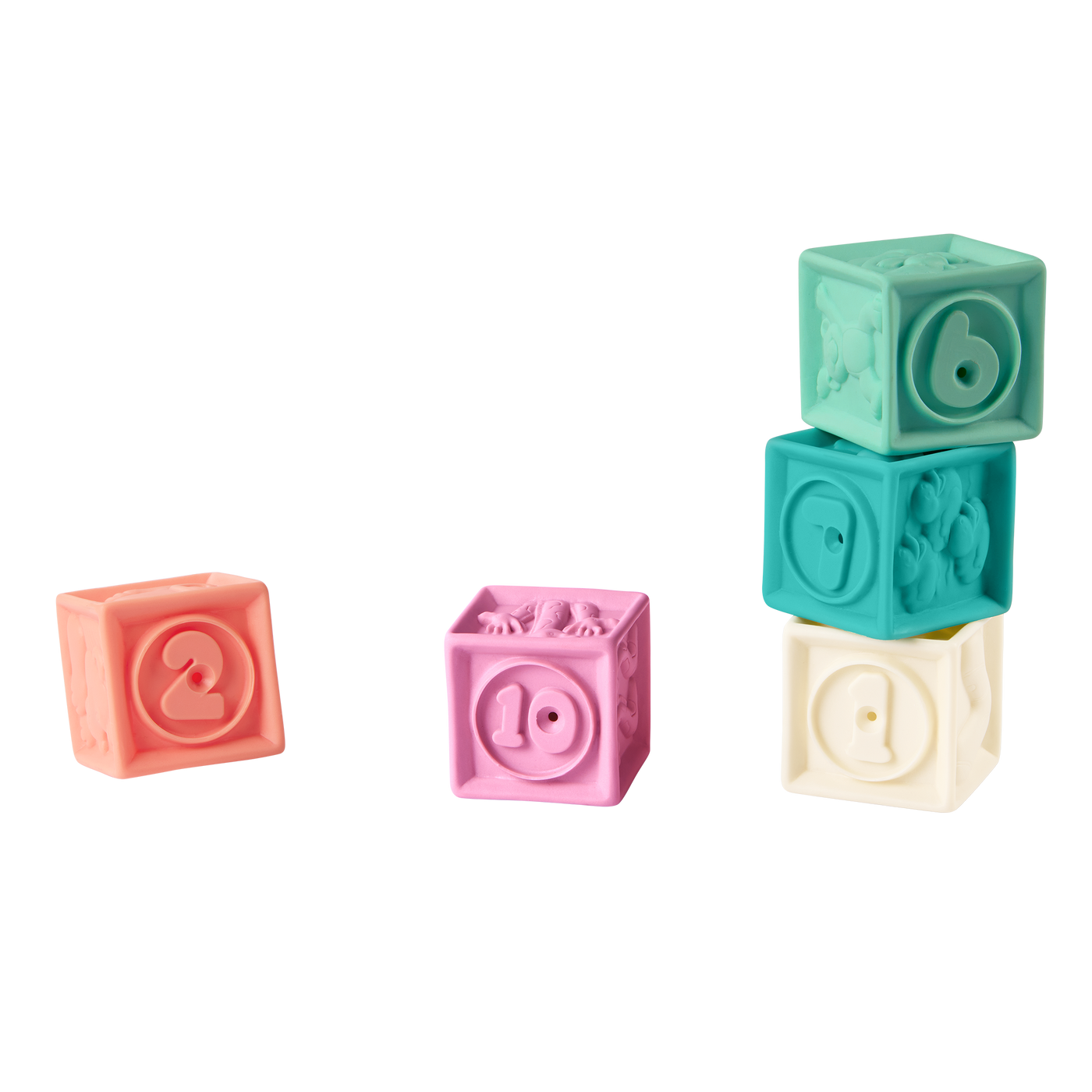
Choosing Safe Materials
Choosing safe materials for stacking toy blocks is important for infants. These toys should protect babies from harmful chemicals and choking hazards.
Parents must focus on the materials used to make these blocks. This helps ensure a safe play experience for young children.
Non-toxic Paints And Finishes
Blocks with non-toxic paints and finishes do not contain harmful chemicals. These paints are safe if infants put the blocks in their mouths.
- Look for water-based paints
- Avoid paints with lead or heavy metals
- Check for certification labels
- Choose blocks labeled as BPA-free
Durable And Lightweight Options
Durable blocks last longer and resist breaking into sharp pieces. Lightweight blocks are easier for infants to hold and stack.
| Material | Durability | Weight | Safety Notes |
|---|---|---|---|
| Wood | High | Medium | Natural and sturdy |
| Plastic | Medium | Light | Choose BPA-free |
| Foam | Low | Very light | Soft but can wear out fast |
Avoiding Small Parts
Small parts can cause choking. Infants should only play with blocks that are large enough not to fit in their mouths.
- Check if blocks are bigger than the choking hazard size
- Avoid sets with detachable small pieces
- Inspect toys regularly for broken parts
Age-appropriate Designs
Stacking toy blocks are a popular choice for infants. Choosing the right design helps keep babies safe and happy.
Age-appropriate designs focus on size, shape, and material. These features support safe play and learning.
Size And Shape Considerations
Blocks must be big enough to prevent choking. Small parts are not safe for infants under three years.
Shapes should be easy to hold and stack. Simple shapes help babies develop motor skills.
- Blocks larger than 1.75 inches in diameter
- Easy-to-grip shapes like cubes and cylinders
- No detachable small pieces
Rounded Edges And Smooth Surfaces
Rounded edges prevent cuts and bruises. Sharp corners can hurt delicate infant skin.
Smooth surfaces avoid splinters and irritation. They make blocks safe to touch and mouth.
- Blocks with soft, rounded edges
- Non-toxic, smooth paint or finish
- Materials free from rough parts or splinters
Simple Vs. Complex Blocks
Simple blocks suit infants best. They encourage basic stacking and sorting skills.
Complex blocks with many parts may confuse babies. They can cause frustration or safety risks.
- Use solid, single-piece blocks
- Avoid blocks with small connectors or moving parts
- Choose bright colors for easy recognition
Benefits Of Stacking Blocks
Stacking toy blocks are safe and fun for infants. They help babies learn and grow.
Playing with blocks supports many skills that are important for young children.
Enhancing Motor Skills
Stacking blocks helps babies develop their hand and finger strength. It also improves their hand-eye coordination.
Picking up blocks and placing them on top of each other trains fine motor skills. These skills are needed for daily tasks like writing and dressing.
Boosting Cognitive Development
Blocks encourage babies to think and solve problems. They learn about balance, size, and shapes.
- Identify different shapes and colors
- Understand cause and effect by building towers
- Improve memory by repeating stacking patterns
- Learn spatial awareness by arranging blocks
Encouraging Creativity And Imagination
Blocks let infants create many designs. They can build towers, houses, or any shape they imagine.
| Creative Activity | Benefits |
|---|---|
| Building different shapes | Boosts imagination and design skills |
| Stacking blocks in patterns | Encourages pattern recognition |
| Using blocks to tell stories | Develops language and social skills |

Safe Play Practices
Stacking toy blocks are great for infant learning and fun. It is important to keep playtime safe.
Safe play helps babies explore without risks of choking or injury. Follow simple rules to ensure safety.
Supervision Tips
Always watch infants closely while they play with stacking blocks. Babies can put small pieces in their mouths.
Stay near and be ready to step in if needed. Avoid leaving babies alone with the blocks.
- Keep blocks within your sight at all times
- Watch for signs of choking or discomfort
- Remove broken or damaged blocks immediately
Cleaning And Maintenance
Clean stacking blocks regularly to keep them safe and germ-free. Babies often put toys in their mouths.
Use mild soap and warm water to wash blocks. Avoid harsh chemicals that could harm infants.
- Wash blocks weekly or more if used often
- Dry blocks completely before giving them back
- Check blocks for cracks or sharp edges during cleaning
Storage Solutions
Store blocks safely when not in use. Proper storage keeps toys clean and prevents accidents.
Use a bin or box with a lid. Keep it out of reach to avoid unsupervised play.
- Choose a sturdy container with ventilation
- Label the storage box for easy access
- Keep blocks in a dry place to avoid mold
Top Brands And Recommendations
Choosing safe stacking toy blocks for infants is important for their growth. These toys help build motor skills and creativity. Parents look for trusted brands that meet safety standards.
This guide highlights popular kid-friendly toys, budget-friendly options, and eco-friendly choices. Each category offers safe blocks for babies to enjoy.
Popular Kid-friendly Toys
Popular brands focus on safety and fun. Their blocks are colorful, easy to grip, and made of non-toxic materials. These toys have smooth edges to prevent injuries.
- Fisher-Price Rock-a-Stack: Classic ring stacking with soft colors
- Melissa & Doug Wooden Blocks: Durable and painted with safe dyes
- LEGO Duplo: Large blocks perfect for small hands
- B. Toys One Two Squeeze Blocks: Soft, squeezable blocks with bright colors
Budget-friendly Options
Affordable stacking blocks do not mean less safety. Many budget brands pass safety tests and offer good quality. These options are perfect for families who want value without risk.
| Brand | Material | Price Range | Safety Features |
|---|---|---|---|
| Green Toys | Recycled plastic | $10 - $20 | BPA-free, phthalate-free |
| Hape Wooden Blocks | Wood | $15 - $25 | Non-toxic paint, smooth finish |
| Infantino Stack & Roll Cups | Plastic | $8 - $15 | Rounded edges, BPA-free |
Eco-friendly Choices
Eco-friendly stacking blocks use natural or recycled materials. These blocks are safe for babies and better for the planet. Parents who care about the environment often choose these toys.
Eco-friendly brands include:
- PlanToys: Made from sustainably harvested wood and non-toxic finishes
- Janod: Uses natural wood and water-based paints
- EverEarth: Blocks are biodegradable and made from renewable resources

Frequently Asked Questions
Are Stacking Toy Blocks Safe For Infants?
Yes, stacking toy blocks made from non-toxic materials are safe for infants. Ensure they are large enough to prevent choking and have smooth edges to avoid injuries.
What Materials Are Best For Infant Stacking Blocks?
Wood and BPA-free plastic are ideal materials. They are durable, non-toxic, and safe for infants to handle and chew on during playtime.
How Do Stacking Blocks Benefit Infant Development?
Stacking blocks improve hand-eye coordination, fine motor skills, and spatial awareness. They also encourage creativity and problem-solving from an early age.
At What Age Can Infants Start Playing With Stacking Blocks?
Infants can start using stacking blocks around 6 months old. Always supervise play to ensure safety and choose age-appropriate block sizes.
Conclusion
Safe stacking toy blocks help babies learn and grow well. Choose blocks made from soft, non-toxic materials. Check the size to avoid choking risks. Supervise infants during playtime for extra safety. These toys build hand skills and creativity. Simple, safe blocks bring joy and learning.
Keep play areas clean and free from hazards. Watch your baby’s reactions and comfort closely. Happy, safe play supports healthy infant development.